The Truth About Kendrick Lamar’s Mom: Paula Oliver’s Life, Lyrics, and Legacy
The truth about Kendrick Lamar’s mother, Paula Oliver, is that she remains a foundational pillar of his life, personal ethics, and Pulitzer Prize-winning music. Far from the sensationalized rumors and internet hoaxes, Oliver is alive,...
The truth about Kendrick Lamar’s mother, Paula Oliver, is that she remains a foundational pillar of his life, personal ethics, and Pulitzer Prize-winning music. Far from the sensationalized rumors and internet hoaxes, Oliver is alive, well, and directly responsible for guiding her son through the hardships of Compton, California, to international stardom.
Contents
Who Is Paula Oliver? Early Life and Move to Compton
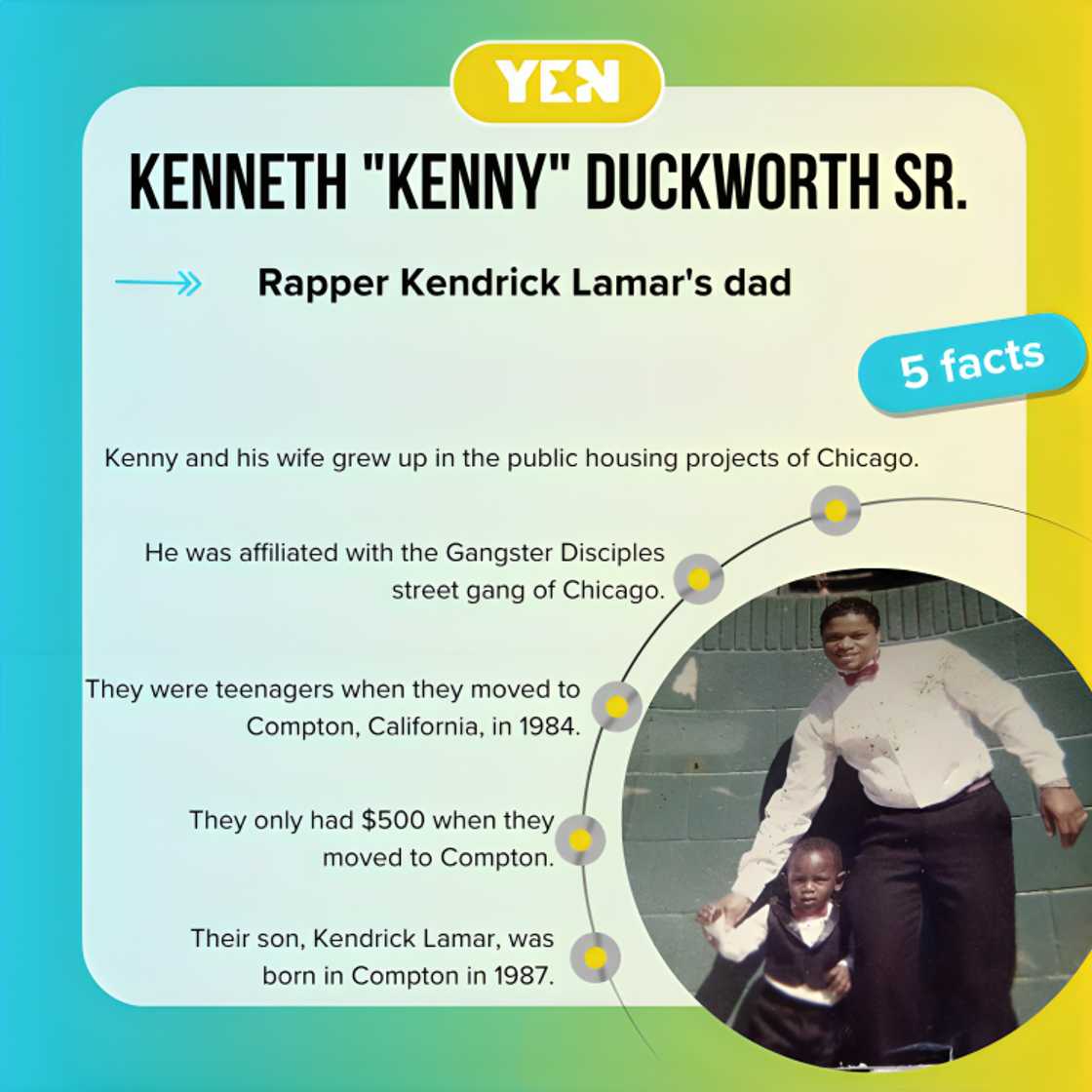
To understand Kendrick Lamar Duckworth's artistic worldview, one must first understand the journey of his mother, Paula Oliver. Raised in Chicago, Illinois, Oliver experienced the harsh economic realities and rising social instability of the city's South Side during the late 1970s and early 1980s. Seeking a safer environment and better opportunities to build a family, Oliver and her partner, Kenny "Ducky" Duckworth, made the decisive move from Chicago to Compton, California, in 1984.
The transition was far from seamless. Arriving in Los Angeles County with minimal financial savings—frequently cited in interviews as roughly $500—Oliver and Duckworth initially lived in motels and vehicles before securing temporary housing. Kendrick Lamar was born three years later, in June 1987. Named after singer Eddie Kendricks of The Temptations, a choice insisted upon by Oliver, Kendrick was raised in an environment defined by both intense community struggle and strong parental devotion.
Throughout Kendrick's childhood, Oliver worked hard to maintain stability. She held various positions, including a long stint working for McDonald's and later in local administrative roles, while navigating the challenges of raising children in Section 8 housing during the peak of Compton's gang conflicts. Oliver’s tough-love approach, insistence on education, and deep spiritual foundation served as the immediate counterweight to the systemic street pressures surrounding her family.
Separating Fact from Fiction: Common Misconceptions and Rumors
Because Kendrick Lamar keeps his private life guarded, online speculation often fills the silence. Over the years, several persistent rumors regarding his mother have circulated across social media platforms, music forums, and tabloid outlets. Examining verified facts dispels these widespread myths.
Myth 1: Rumors of Her Passing
One of the most pervasive online hoaxes claims that Paula Oliver passed away during the early stages of Kendrick’s career or during the COVID-19 pandemic. This claim is entirely false. Oliver remains alive and maintains a close, private relationship with her son and grandchildren. The rumor largely stems from misinterpretations of grief-stricken lyrics on albums like Mr. Morale & the Big Steppers, where Lamar processes ancestral trauma and loss within his broader extended family.
Myth 2: Confusion Surrounding "Auntie Diaries"
When Kendrick released "Auntie Diaries" on his 2022 album Mr. Morale & the Big Steppers, casual listeners incorrectly assumed the song referenced his mother transitioning or being a central subject of gender identity debates within the tracks. In reality, the song explicitly details the gender transitions of two distinct relatives—an aunt who transitioned into a trans man during Kendrick's youth, and a cousin who transitioned into a trans woman. Oliver is not the subject of these transitions; rather, the song highlights how family dynamics, including his mother's generation, adapted to shifting cultural perspectives on identity and acceptance.
Myth 3: Allegations of Neglect or Abandonment
Periodic internet commentary attempts to frame Lamar’s upbringing as one of parental abandonment, misconstruing his depictions of urban poverty as systemic neglect by his mother. Historical context and primary audio records prove the opposite. While the family faced extreme economic poverty—at times relying on government assistance—Oliver and Kenny Duckworth remained together in the household throughout Kendrick’s childhood, offering a stable two-parent foundation that Kendrick frequently credits as his saving grace compared to many of his peers.
Paula Oliver’s Presence Across Kendrick Lamar’s Discography
Paula Oliver is not merely a background figure in Kendrick Lamar’s biography; her voice and moral framework are explicitly woven into the audio fabric of his most acclaimed projects. Her contributions provide context, narrative resolution, and philosophical balance to his storytelling.
Kendrick Lamar Discography: Key Family References
| Album Title | Key Track Reference | Narrative Role of Paula Oliver |
|---|---|---|
| good kid, m.A.A.d city (2012) | "Real" / "Sing About Me, I'm..." | Voicemail skits offering wisdom and emotional balance |
| To Pimp a Butterfly (2015) | "Momma" | Representation of roots, maturity, and spiritual return |
| DAMN. (2017) | "FEAR." / "DUCKWORTH." | Direct inspiration for strict discipline & family roots |
| Mr. Morale & the Big Steppers | "Father Time" / "Auntie Diaries" | Historical context for childhood trauma and growth |
"Real" and the Messages of Matriarchal Guidance
The most prominent direct appearance of Paula Oliver occurs on the seminal 2012 album good kid, m.A.A.d city. The track "Real" features authentic voicemail messages recorded by Oliver for her son. Coming at the climax of a chaotic narrative filled with peer pressure, violence, and near-fatal decisions in Compton, Oliver’s recorded voice acts as the moral compass anchor of the record.
In the voicemail, she tells him:
"If I don't hear from you by tomorrow, I'm calling the police... But real talk, Kendrick, if you get a chance to tell your story, tell it right. Give them something to live for. Real is responsibility. Real is taking care of your motherf***ing family."
This spoken segment defines the central thesis of Lamar’s entire discography: true status is not derived from street violence or superficial luxury, but from personal accountability, self-love, and communal responsibility.
"DUCKWORTH." and "FEAR.": Family Roots and Maternal Discipline
On the 2017 album DAMN., Oliver’s influence is analyzed through both discipline and historical destiny. In the track "FEAR.", Lamar recalls his mother’s strict, uncompromising parenting style during his childhood at age seven. He details her zero-tolerance policy for misbehavior, driven by her intense anxiety over the external dangers of Compton. The strictness was not born of cruelty, but of a mother’s desperate attempt to keep her young son alive in a neighborhood fraught with gang activity.
In "DUCKWORTH.", the album's narrative finale, Lamar recounts the extraordinary true story of how his father, Kenny "Ducky" Duckworth, met Anthony "Top Dawg" Tiffith years before Tiffith signed Kendrick to his record label. At the time, Tiffith was involved in street crime and planned to rob the local KFC where Ducky worked. By offering free chicken and showing respect, Ducky avoided a fatal confrontation. The song illustrates the delicate chain of events that protected Oliver’s family and eventually enabled Kendrick to fulfill his artistic destiny.
How Paula Oliver Influenced Kendrick’s Moral Framework
To analyze Kendrick Lamar's lyrics without evaluating Paula Oliver's impact is to miss the structural backbone of his narrative arc. Throughout his career, Lamar has maintained that his mother provided the spiritual and emotional grounding necessary to survive his environment.
- Paula Oliver & Kenny Duckworth
- Move from Chicago to Compton, 1984
- Kendrick Lamar Born (1987)
- Maternal Discipline & Ethics
- High expectations
- Moral accountability
- Spiritual grounding
- Economic Reality
- Public housing/Section 8
- High-crime environment
- Resource scarcity
- Maternal Discipline & Ethics
- Artistic Philosophy & Vision
- "Real" over superficial fame
- Storytelling with community purpose
- Loyalty to family and heritage
1. The Value of Authenticity Over Fame
While many artists equate success with material gain, Oliver instilled in her son a deep skepticism of superficial wealth. Her spoken warnings on good kid, m.A.A.d city directly addressed the pitfalls of fame, urging him to use his platform to uplift others rather than succumb to ego. This directive guided his decision-making during his rise to international acclaim.
2. Spiritual Grounding
Oliver raised her children with a firm belief in Christian faith, a theme that permeates Lamar’s work. While Kendrick's music wrestles with doubt, temptation, and moral ambiguity, the baseline desire for redemption and divine grace traces directly back to the religious practices and prayers maintained by his mother in their Compton home.
3. Financial Stewardship and Family Security
Having lived through acute poverty, Oliver prioritized long-term security. One of Kendrick's proudest early career milestones, which he noted in several print interviews following the success of his major label debut, was buying his mother a new home and a car, freeing her from the financial strain that characterized her early adulthood.
Addressing Misinterpretations in Modern Rap Narratives
In contemporary music journalism and public discussions, the role of maternal figures in rap narratives is frequently reduced to trope status—either idealized as silent martyrs or blamed for systemic hardship. Kendrick Lamar's portrayal of Paula Oliver resists these simplistic classifications.
Instead, Lamar presents his mother as a fully realized human being: loving, fiercely protective, occasionally flawed by stress and anxiety, but unwavering in her commitment to her children. By placing her actual voice on his records, Lamar ensures that she is not merely written about; she speaks for herself.
Furthermore, during public disputes or high-profile rap rivalries, bad-faith commentators sometimes attempt to weaponize family histories or fabricate personal scandals involving artists' parents. In the case of Kendrick Lamar, official property records, archival interviews, and decades of consistent family testimony confirm that Paula Oliver remains a respected, central figure in her family’s private life and commercial operations.
Key Insights: A Timeline of the Duckworth-Oliver Household
Understanding the exact historical timeline clears up any remaining confusion regarding Kendrick's childhood and his mother's role in his path to global success:
- 1984: Paula Oliver and Kenny Duckworth relocate from Chicago’s South Side to Compton, California.
- 1987: Kendrick Lamar Duckworth is born in Compton; Oliver names him after Temptations singer Eddie Kendricks.
- 1990s: Oliver works local service jobs, raising Kendrick alongside his younger siblings in Compton while navigating regional gang tensions.
- 2003–2004: Kendrick signs with Top Dawg Entertainment (TDE) as "K.Dot." Oliver urges him to finish high school and stay focused on his craft.
- 2012: Oliver records voicemail skits for good kid, m.A.A.d city, providing the moral climax for "Real."
- 2017: Lamar highlights his mother’s upbringing and discipline in tracks like "FEAR." and "DUCKWORTH." on the Grammy-winning album DAMN.
- 2022–2026: Oliver remains retired, living in housing provided by her son in Southern California, entirely removed from public social media while supporting her family privately.
Practical Takeaways for Music Researchers and Fans
When researching or analyzing Kendrick Lamar's lyrics regarding his family, keep the following analytical principles in mind:
- Distinguish Between First-Person Storytelling and Direct Biography: Lamar often employs creative perspectives and conceptual characters. Not every line in an album represents his literal mother; specific tracks like "Real" feature actual recordings, whereas other verses use hyperbole to convey childhood emotions.
- Verify Primary Audio Evidence: Rely on official album credits and primary voicemails contained on official releases rather than secondary forum commentary or unverified social media posts.
- Respect Private Boundaries: Unlike many modern public figures, Paula Oliver does not maintain public social media accounts or grant frequent press interviews. Respecting her privacy is consistent with how Lamar manages his family life.
Frequently Asked Questions
What is Kendrick Lamar's mother's real name?
Kendrick Lamar’s mother is named Paula Oliver. She moved to Compton, California, from Chicago in the mid-1980s with Kendrick's father, Kenny "Ducky" Duckworth.
Is Kendrick Lamar's mother still alive?
Yes, Paula Oliver is alive. Online claims regarding her passing are false rumors caused by internet hoaxes or misinterpretations of grief themes in Lamar's music.
Is Paula Oliver's actual voice on Kendrick Lamar's albums?
Yes. Paula Oliver’s real voice can be heard in the voicemail messages played at the end of several songs on Kendrick Lamar's 2012 album good kid, m.A.A.d city, most notably on the track "Real."
What song does Kendrick Lamar dedicate to his mother?
While many songs reference her, "Real" directly highlights her voice and core advice. Additionally, tracks like "Momma" (To Pimp a Butterfly) and "FEAR." (DAMN.) deeply explore her moral influence, discipline, and maternal impact on his life.
Is Kendrick Lamar's mother the subject of "Auntie Diaries"?
No. "Auntie Diaries" from the 2022 album Mr. Morale & the Big Steppers details the gender transitions of Kendrick's extended family members (an uncle who is a trans man and a cousin who is a trans woman). Paula Oliver is not the subject of the transition narrative.
Final Recommendation and Next Steps
For listeners seeking a deeper, fact-based understanding of Kendrick Lamar's artistry, the best approach is to engage directly with his official discography and primary interviews rather than unverified commentary. Listening to good kid, m.A.A.d city sequentially—paying close attention to the spoken voicemails at the end of "Real"—offers the clearest, most authentic look into Paula Oliver’s profound influence on one of modern music's most celebrated storytellers.
Image Gallery