Ohio State Cancer Research Advances: Breakthroughs in Immunotherapy, Targeted Therapies, and Precision Medicine
Cancer research advances at The Ohio State University Comprehensive Cancer Center – Arthur G. James Cancer Hospital and Richard J. Solove Research Institute (OSUCCC – James) span breakthrough cellular immunotherapies, novel targeted sm...
Cancer research advances at The Ohio State University Comprehensive Cancer Center – Arthur G. James Cancer Hospital and Richard J. Solove Research Institute (OSUCCC – James) span breakthrough cellular immunotherapies, novel targeted small-molecule inhibitors, microRNA therapeutics, and AI-driven precision diagnostic tools. Supported by community-driven funding like Pelotonia, Ohio State rapidly translates laboratory discoveries into phase I–III clinical trials to transform outcomes for patients with complex blood cancers and solid tumors.
Contents
The OSUCCC – James Research Infrastructure
The Ohio State University Comprehensive Cancer Center – Arthur G. James Cancer Hospital and Richard J. Solove Research Institute operates as one of the elite National Cancer Institute (NCI)-designated Comprehensive Cancer Centers in the United States. This designation reflects a dual commitment to fundamental scientific discovery and rapid clinical translation. The research ecosystem integrates over 300 researchers across 11 colleges at Ohio State, unified under specialized research programs ranging from Cancer Control to Molecular Biology and Genetics.
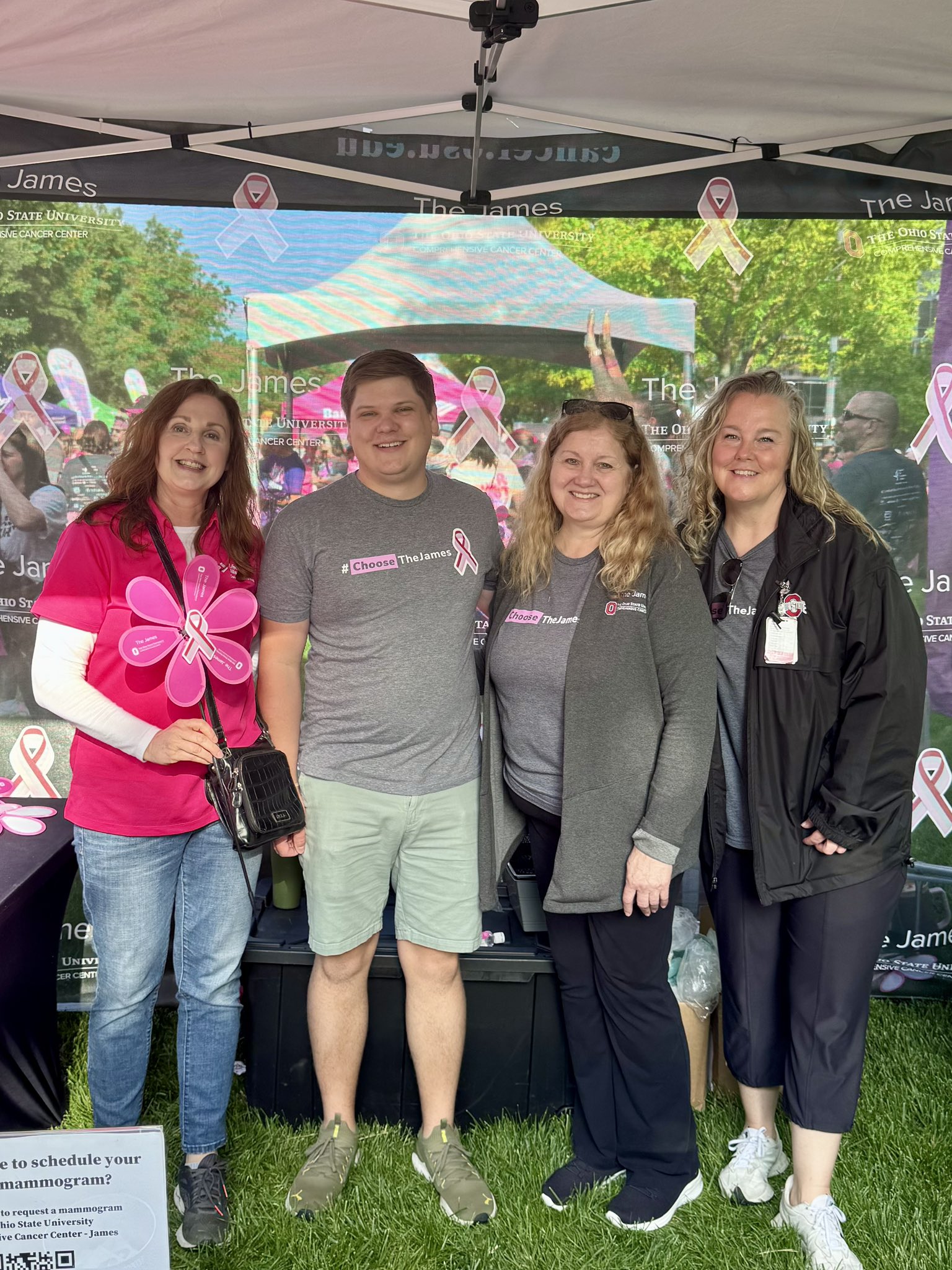
A primary accelerator of cancer research advances at Ohio State is Pelotonia, an annual grassroots bicycle tour that has raised hundreds of millions of dollars directly for cancer research since its inception. These funds directly support high-risk, high-reward initiative grants, state-of-the-art instrument facilities, and competitive fellowship programs. Strategic infrastructure investments include:
- The Pelotonia Institute for Immuno-Oncology (PIIO): A dedicated, multi-million-dollar institute focused on unlocking the full potential of the human immune system to target, neutralize, and prevent cancer recurrence.
- The Drug Development Institute (DDI): A specialized technology transfer engine that bridges academic biology and pharmaceutical manufacturing, advancing proprietary compounds into clinical trial testing.
- The Center for Cancer Engineering (CCE): An interdisciplinary hub applying microfluidics, biomaterials, and cellular biomechanics to model human tumor environments in three dimensions.
Key Areas of Breakthrough Research at Ohio State
OSUCCC – James Research Pillars
| Immuno-Oncology | Precision Med. | Translational Therapeutics |
|---|---|---|
| CAR-T / NK | Biomarkers | BTK / Small Molecules |
| Bispecifics | AI Diagnostics | MicroRNA / Epigenetics |
1. Next-Generation Immunotherapy and Cellular Therapies
Immunotherapy has reshaped clinical oncology, and Ohio State remains at the forefront of engineering immune cells to overcome resistance mechanisms. While early Chimeric Antigen Receptor (CAR) T-cell therapies revolutionized the treatment of B-cell leukemias and lymphomas, their efficacy in solid tumors was historically limited by tumor microenvironment immunosuppression and antigen loss.
Researchers at the Pelotonia Institute for Immuno-Oncology are developing multi-targeted CAR-T cells and engineered Natural Killer (NK) cell therapies. By engineering T cells to recognize two distinct surface antigens simultaneously (such as EGFRvIII and IL13Rα2 in glioblastoma models), OSU researchers aim to prevent tumor escape caused by single-antigen loss. Additionally, off-the-shelf, allogeneic NK cell platforms are being developed to bypass the complex manufacturing timelines and autologous collection challenges inherent in conventional CAR-T regimens.
Another major focus is reversing immune checkpoint resistance. OSU investigators have identified novel checkpoints beyond PD-1/PD-L1 and CTLA-4, investigating how regulatory T cells (Tregs) and myeloid-derived suppressor cells (MDSCs) restrict cytotoxic lymphocyte infiltration into dense stroma, such as that found in pancreatic ductal adenocarcinoma.
2. Targeted Therapies and Hematologic Malignancy Discoveries
Ohio State has earned global recognition for pioneering targeted therapy regimens in hematologic malignancies, particularly chronic lymphocytic leukemia (CLL), acute myeloid leukemia (AML), and mantle cell lymphoma (MCL).
Historical breakthrough research at OSU led directly to the clinical evaluation and FDA approval of Bruton's tyrosine kinase (BTK) inhibitors, such as ibrutinib and acalabrutinib. These small molecules targeted the B-cell receptor signaling pathway, allowing patients to achieve durable remissions without traditional cytotoxic chemotherapy.
Current research advances at Ohio State focus on overcoming acquired resistance to first- and second-generation BTK inhibitors. OSU teams are evaluating non-covalent (reversible) BTK inhibitors, BTK protein degraders (PROTACs), and combination regimens targeting parallel survival pathways, including B-cell lymphoma 2 (BCL-2) and phosphoinositide 3-kinase (PI3K). In AML, researchers are refining targeted regimens that inhibit mutated FLT3 and IDH1/IDH2 enzymes, pairing targeted small molecules with hypomethylating agents to induce cellular differentiation and apoptosis.
3. Non-Coding RNA, MicroRNA, and Epigenetic Targeting
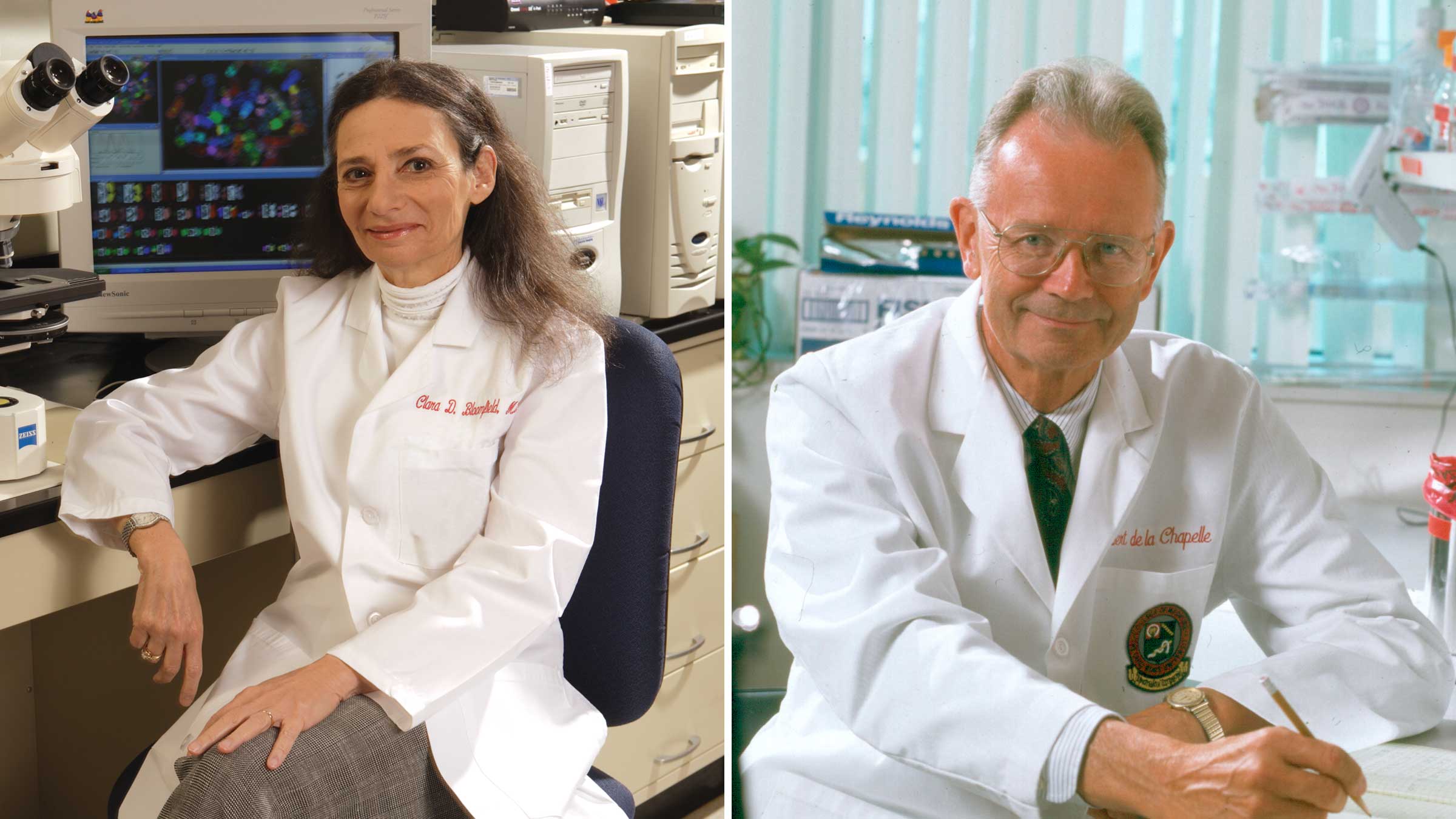
Ohio State was among the foundational centers establishing the role of non-coding microRNAs (miRNAs) in human carcinogenesis. MicroRNAs are small, non-coding RNA molecules that regulate gene expression post-transcriptionally. Disruption of miRNA expression can act as an oncogenic driver or lead to the loss of tumor suppressor function.
Recent translational research at OSUCCC – James focuses on using synthetic miRNA mimics and anti-miRNA oligonucleotides (antagomiRs) as therapeutic agents. Key research streams include:
- Restoring Tumor Suppressors: Delivering miR-29 or miR-34 mimics via nanoparticle carriers to re-sensitize resistant solid tumors to chemotherapy and targeted therapies.
- Epigenetic Re-expression: Combining histone deacetylase (HDAC) inhibitors and DNA methyltransferase (DNMT) inhibitors with RNA-targeted agents to unsilence silenced tumor suppressor pathways.
- Extracellular Vesicle Biomarkers: Profiling circulating miRNAs contained within tumor-derived exosomes to enable early diagnosis and monitor real-time treatment response via non-invasive liquid biopsies.
4. Oncolytic Viral Therapies and Microenvironment Modulation
Oncolytic virotherapy utilizes modified viruses to selectively infect, replicate within, and lyse cancer cells while sparking a systemic anti-tumor immune response. Ohio State scientists have pioneered advanced constructs using engineered herpes simplex virus (oHSV) and reovirus platforms.
By encoding immunomodulatory cytokines—such as interleukin-12 (IL-12) or granulocyte-macrophage colony-stimulating factor (GM-CSF)—directly into the viral genome, these therapeutics turn immunologically "cold" tumors "hot." When injected directly into lesions or administered systemically via novel delivery systems, these viruses lyse tumor tissue and release tumor-associated antigens, transforming the local microenvironment to recruit circulating CD8+ cytotoxic T lymphocytes.
5. AI-Driven Pathology and Early Detection Technologies
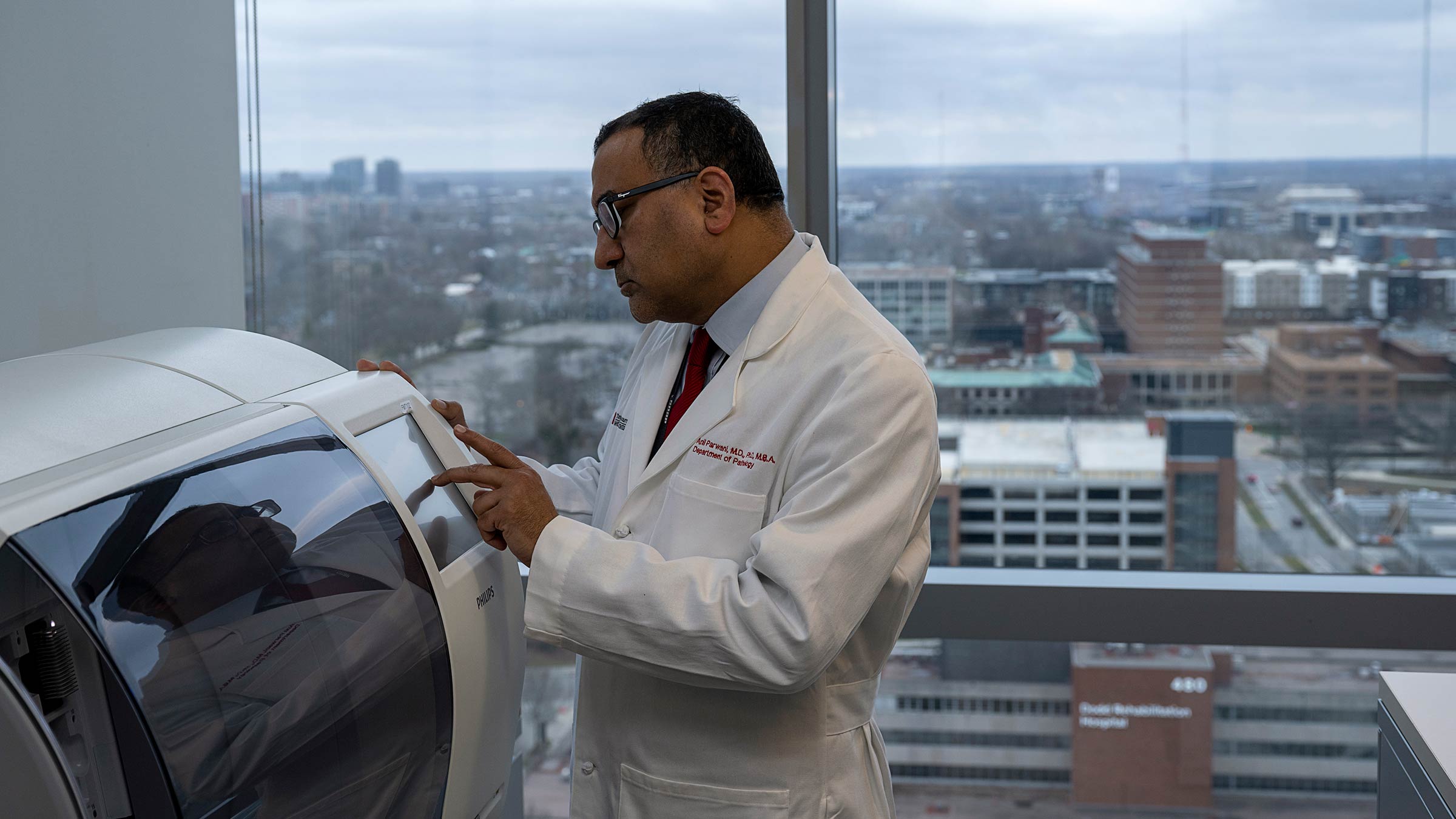
Beyond therapeutic interventions, Ohio State research emphasizes early detection and diagnostics powered by artificial intelligence (AI) and computational pathology. The integration of high-throughput spatial transcriptomics, single-cell RNA sequencing, and deep-learning algorithms allows pathologists and oncologists to analyze tumor biopsies at single-cell resolution.
AI models developed at Ohio State assist in predicting genomic alterations directly from hematoxylin and eosin (H&E) stained histology slides, expediting clinical decision-making. Furthermore, statewide initiatives like the Ohio Colorectal Cancer Prevention Initiative (OCCPI), led by OSU researchers, have established universal screening protocols for Lynch syndrome, identifying individuals and families at high hereditary risk for colorectal and endometrial cancers to implement preventative surveillance early.
Comparative Overview of Core Research Breakthroughs
The table below summarizes key research domains, biological mechanisms, targeted indications, and current developmental stages across major Ohio State cancer research initiatives.
| Research Domain | Biological Mechanism / Target | Primary Disease Focus | Clinical Development Status |
|---|---|---|---|
| Dual-Targeted CAR-T | Re-directed T-cell reactivity against multiple surface antigens (e.g., EGFRvIII / IL13Rα2) | Glioblastoma, solid tumors | Early Phase I / Translational trials |
| Reversible BTK Inhibitors & PROTACs | Non-covalent inhibition or enzymatic degradation of BTK | CLL, Mantle Cell Lymphoma | Phase I–III trials / Standard of care integration |
| Oncolytic Virotherapy (oHSV-IL12) | Selective viral lysis combined with intratumoral IL-12 cytokine release | Pancreatic cancer, recurrent glioblastoma | Phase I/II clinical evaluation |
| MicroRNA Therapeutics | Restoration of tumor-suppressive miRNA via lipid nanoparticles | AML, Hepatocellular carcinoma | Preclinical & Phase I trial development |
| AI Spatial Transcriptomics | Machine-learning analysis of tumor microenvironment spatial biology | Breast, lung, and colorectal cancers | Clinical validation & diagnostic integration |
Translating Research into Clinical Care: Accessing OSU Clinical Trials
A hallmark of an NCI-designated Comprehensive Cancer Center is the ability to offer patients access to novel therapies long before they become broadly available in community care settings. Translating research from the laboratory bench to the patient bedside relies on structured clinical trial networks.
Clinical Trial Navigation Process
- Molecular & Biomarker Profiling
- Multidisciplinary Tumor Board Review
- Clinical Trial Matching (Phase I, II, or III)
- Enrollment, Safety Monitoring, & Biomarker Tracking
Steps for Patient and Physician Trial Navigation
- Comprehensive Molecular Profiling: Patients evaluated at OSUCCC – James routinely undergo Next-Generation Sequencing (NGS) to identify actionable somatic mutations, tumor mutational burden (TMB), microsatellite instability (MSI), and specific immune biomarkers.
- Multidisciplinary Precision Tumor Board Review: Complex cases are reviewed by specialized teams composed of medical oncologists, surgical oncologists, radiation oncologists, molecular pathologists, and bioinformaticians to map out targeted therapeutic or clinical trial strategies.
- Trial Matching via Navigation Services: Physicians and patients can search Ohio State's active trial portfolio using centralized disease-specific research coordinators, matching patients based on previous line treatments, organ function, and specific genomic markers.
Practical Action Plan for Patients and Referring Providers
Navigating advanced cancer care requires clear steps to evaluate standard options against emerging clinical research protocols.
- Request a Molecular Evaluation: Ensure diagnostic tumor tissue or liquid biopsy samples undergo targeted Next-Generation Sequencing to evaluate eligibility for biomarker-driven research protocols.
- Consult the Clinical Trials Directory: Patients and caregivers can browse active clinical protocols via the official OSUCCC – James clinical trials registry or consult with trial navigators.
- Seek Second Opinions for Refractory Disease: For cancers that demonstrate resistance to first-line regimens, scheduling a second opinion at a comprehensive cancer center provides access to Phase I developmental therapeutics units.
- Discuss Genetic and Hereditary Risk: Individuals with strong family histories of malignancy should access genetic counseling services to discuss multi-gene panel testing and cascade testing for family members.
Disclaimer: The information provided in this article is for educational and informational purposes only and does not constitute medical advice. Patients must consult qualified healthcare professionals and oncologists regarding individual diagnostic evaluations, treatment plans, and clinical trial participation.
Frequently Asked Questions
What is the Pelotonia Institute for Immuno-Oncology (PIIO)?
The Pelotonia Institute for Immuno-Oncology is a dedicated research institute within OSUCCC – James created through funding raised by the annual Pelotonia bicycle tour. The institute focuses entirely on immuno-oncology, conducting basic, translational, and clinical research to harness the immune system to prevent, treat, and cure cancer.
How do BTK inhibitors developed through Ohio State research work?
Bruton's tyrosine kinase (BTK) is a crucial signaling protein required for the survival and proliferation of malignant B cells. BTK inhibitors block this enzyme's activity, effectively disrupting B-cell receptor signaling, halting cell division, and inducing cell death in malignancies like chronic lymphocytic leukemia (CLL) and mantle cell lymphoma (MCL).
Are clinical trials at Ohio State open to patients from outside Ohio?
Yes. Patients from across the United States and internationally can enroll in clinical trials at OSUCCC – James, provided they meet specific protocol eligibility criteria. Many protocols provide dedicated clinical trial coordinators to assist out-of-state patients with scheduling and intake logistics.
What is the role of microRNA in Ohio State's cancer research?
MicroRNAs (miRNAs) regulate gene expression, and their dysregulation can lead to cancer growth or treatment resistance. Ohio State researchers study how restoring dysregulated tumor-suppressor miRNAs or inhibiting oncogenic miRNAs can re-sensitize cancer cells to therapy and serve as precise blood-based biomarkers for early cancer detection.
How does Ohio State utilize artificial intelligence in cancer diagnostics?
Ohio State integrates artificial intelligence and deep-learning algorithms with computational pathology and spatial transcriptomics. These digital tools analyze tissue architecture and gene expression patterns directly from digital pathology slides, helping clinicians predict molecular alterations, assess prognosis, and personalize treatment plans faster.
Image Gallery