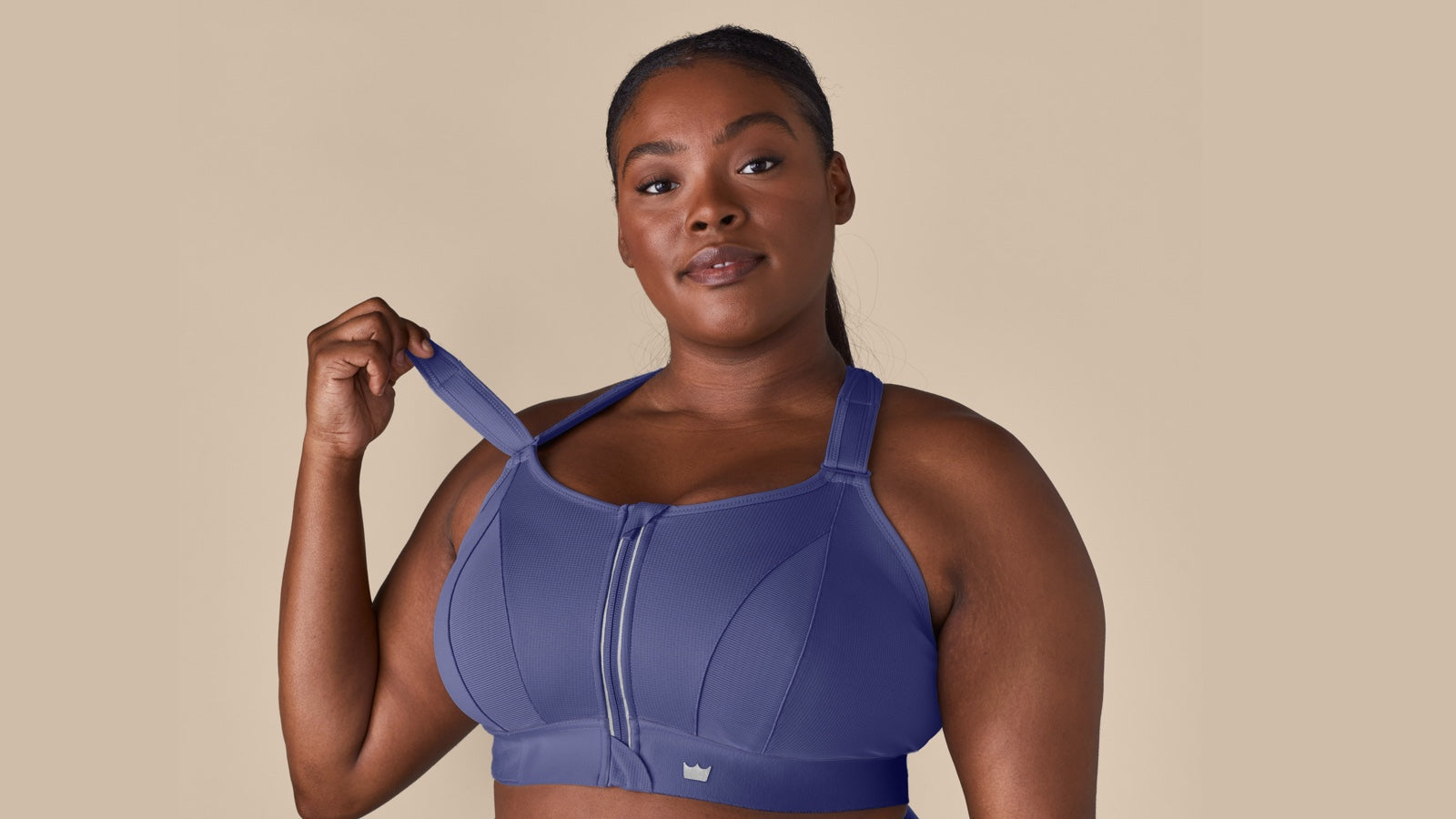
Why the Bra Band Rolls Up: Causes, Solutions, and Expert Fit Guidance
A bra band rolls up primarily because of an incorrect fit—specifically a band that is too loose or too narrow for your body shape. When the elastic loses its structural integrity or the band is forced to sit on a flared ribcage, the fa...
A bra band rolls up primarily because of an incorrect fit—specifically a band that is too loose or too narrow for your body shape. When the elastic loses its structural integrity or the band is forced to sit on a flared ribcage, the fabric folds to seek the path of least resistance.
Contents
The Engineering of Bra Support
To understand why a bra band rolls, one must first understand its mechanical purpose. In garment engineering, the band is responsible for approximately 80% of the total support provided by the bra. The shoulder straps are only designed to stabilize the cups and carry the remaining 20% of the weight. For the band to function effectively, it must create a consistent, level anchor around the narrowest part of the torso.
When this anchor is compromised, the physics of the garment shift. A rolling band is not merely a comfort issue; it is a signal that the tension between the fabric and the body is unevenly distributed. In 2026, modern lingerie manufacturing utilizes advanced Power Net fabrics and high-denier elastics, but even the most technologically advanced materials cannot overcome the mechanical failure of a poor fit or a mismatch in geometry between the garment and the ribcage.
Primary Causes of a Rolling Bra Band
The phenomenon of "rolling" or "flipping" usually stems from one of four core issues: sizing discrepancies, structural degradation, anatomical variance, or design limitations.
1. The Band is Too Large
It is a common misconception that rolling is caused by a band being too tight. In reality, a loose band is the most frequent culprit. When a band is too large, it does not have enough tension to grip the skin firmly. As you move—bending, reaching, or sitting—the band shifts upward. Because the human torso is typically narrower at the "true waist" and widens at the ribcage, the loose fabric naturally gravites toward the narrowest point or folds over itself as it encounters the curves of the back and shoulder blades.
2. Anatomical Ribcage Flaring
Every body possesses a unique skeletal structure. Some individuals have a "flared" ribcage, where the lower ribs protrude slightly outward. Standard bra bands are often cut as straight horizontal strips. When a straight band is placed over a flared ribcage, the bottom edge of the band is stretched further than the top edge. This creates a tension imbalance that forces the bottom edge to flip upward, seeking the smaller circumference higher up on the ribs.
3. Fabric Fatigue and Elastic Degradation
By 2026, the lifespan of a daily-wear bra remains approximately six to nine months, depending on rotation and care. The elastic fibers (often elastane or spandex) within the band are subject to "creep"—a slow, permanent deformation under constant stress. Additionally, body oils, sweat, and detergents chemically break down these polymers over time. Once the elastic loses its "recovery" (the ability to snap back to its original shape), the band becomes flimsy. A flimsy band lacks the vertical tension required to stay flat against the skin, leading to rolling at the sides or back.
4. Excessive Soft Tissue Displacement
If a bra band is narrow and the wearer has soft skin or localized adipose tissue around the midsection, the body can physically push the band out of place. When you sit or lean forward, the natural compression of the torso pushes upward against the bottom of the bra. If the band is not wide enough to resist this pressure, or if it lacks side boning, it will buckle and roll into the crease of the skin.
Technical Specifications: Comparing Bra Construction and Rolling Risk
The construction of the bra plays a significant role in how it interacts with your movement. The following table compares common 2026 bra styles and their inherent resistance to rolling.
| Bra Style | Support Architecture | Rolling Risk | Best Use Case |
|---|---|---|---|
| Longline Bra | Extended band reaching the waist | Very Low | Full support, smoothing, and flared ribcages. |
| Standard T-Shirt Bra | 2-hook or 3-hook narrow closure | Moderate | Average torsos with standard rib geometry. |
| Wireless Bralette | Light elasticated bottom band | High | Low-impact activity or leisure; prone to rolling. |
| High-Impact Sports | Wide, compression-based wings | Low | Intense movement; wide bands distribute tension. |
| Balconette with Boning | Vertical side stays in the wings | Low | Preventing "dig-in" and rolling for soft tissue. |
Professional Troubleshooting and Solutions
If you find your bra band rolling consistently, follow these technical steps to identify and resolve the root cause.
The Two-Finger Tension Test
Slide two fingers under the band at the back. You should feel a firm "snugness," but the fingers should slide through with some resistance. If you can pull the band more than two inches away from your spine, the band is too large. Sizing down in the band (and potentially sizing up in the cup to maintain volume—a process known as sister sizing) will often provide the tension necessary to keep the fabric flat.
Implementing the "Scoop and Swoop"
Often, a band rolls because the breast tissue is not fully contained within the cups, causing the underwire or the front of the bra to sit on breast tissue rather than the ribcage. This forces the entire garment to tilt. When putting on a bra, lean forward and manually move all tissue from the sides and underarms into the cup. This ensures the band sits flush against the ribcage as intended by the designer.
Evaluating Side Boning and Wing Width
For those with shorter torsos or more significant rib flares, a bra with vertical side boning (plastic or metal stays sewn into the side seams) provides structural vertical integrity. This prevents the fabric from collapsing horizontally. Additionally, look for "U-back" or "Leotard back" designs, which provide a wider surface area to distribute pressure and reduce the likelihood of the fabric folding.
Maintenance and Longevity in 2026
To prevent premature rolling, proper garment care is essential. Heat is the primary enemy of elastane. According to standards established by the International Journal of Fashion Design, Technology and Education, exposing elasticated garments to the high heat of a dryer can reduce their elastic recovery by up to 30% in a single cycle.
- Hand Wash or Delicate Cycle: Use cold water to preserve the polymer chains in the elastic.
- Air Dry Only: Never put bras in the dryer. Hang them by the bridge (the center piece between the cups) or lay them flat.
- Rotation: Never wear the same bra two days in a row. The elastic needs at least 24 hours to "relax" and return to its original shape after being stretched by body heat and movement.
Frequently Asked Questions
Does a rolling band mean I am overweight?
No. Rolling is a mechanical failure of the garment's fit and construction, not a reflection of body weight. It occurs on all body types, often due to ribcage shape (such as a flared ribcage) or a band that is simply too loose to maintain its position. Even very thin individuals experience band rolling if the bra's architecture doesn't match their skeletal frame.
Can I fix a bra that has already started rolling?
If the rolling is caused by the elastic being worn out, the damage is permanent. However, if the bra is relatively new, you can try using a bra extender (if the rolling is due to extreme tightness) or moving to a tighter hook (if it is too loose). If the structure is collapsing, some tailors can sew in flexible side stays, but it is often more cost-effective to replace the garment with a better-suited style.
Why does my sports bra roll more than my regular bra?
Many sports bras use a simple elasticated hem rather than a structured band with a closure. During high-impact movement, the compression required to hold the bust in place creates significant "upward" force. If the bottom elastic isn't wide enough or lacks a silicone grip, it will roll toward the area of least tension.
How do I know if my band is too tight or just rolling?
A band that is too tight will leave deep, red indentations that last for hours and may cause difficulty in taking full breaths. A rolling band, conversely, might feel loose or shift around throughout the day. If the band stays in place but the edges "flip," it is likely a mismatch between the fabric width and your ribcage flare.
Does the "plus four" sizing method cause rolling?
Yes. The "plus four" method (adding 4 inches to your underbust measurement to find your band size) is an outdated practice from the era of non-stretch fabrics. In 2026, most technical fitters recommend a "true-to-skin" measurement. Adding unnecessary inches results in a band that is too large, which is the primary driver of fabric rolling and shifting.
Practical Recommendation
To eliminate band rolling, perform a fresh measurement of your underbust using a soft tape measure, pulled snug (exhaled). If your underbust measures 32 inches, your starting point should be a 32 band, not a 36. If you find that a snug band still rolls due to your rib shape, prioritize Longline styles or bras with a power-mesh wing at least three inches wide. These designs offer the vertical stability necessary to resist the natural movements of the torso and will provide a smoother, more supportive fit throughout the day.
Image Gallery