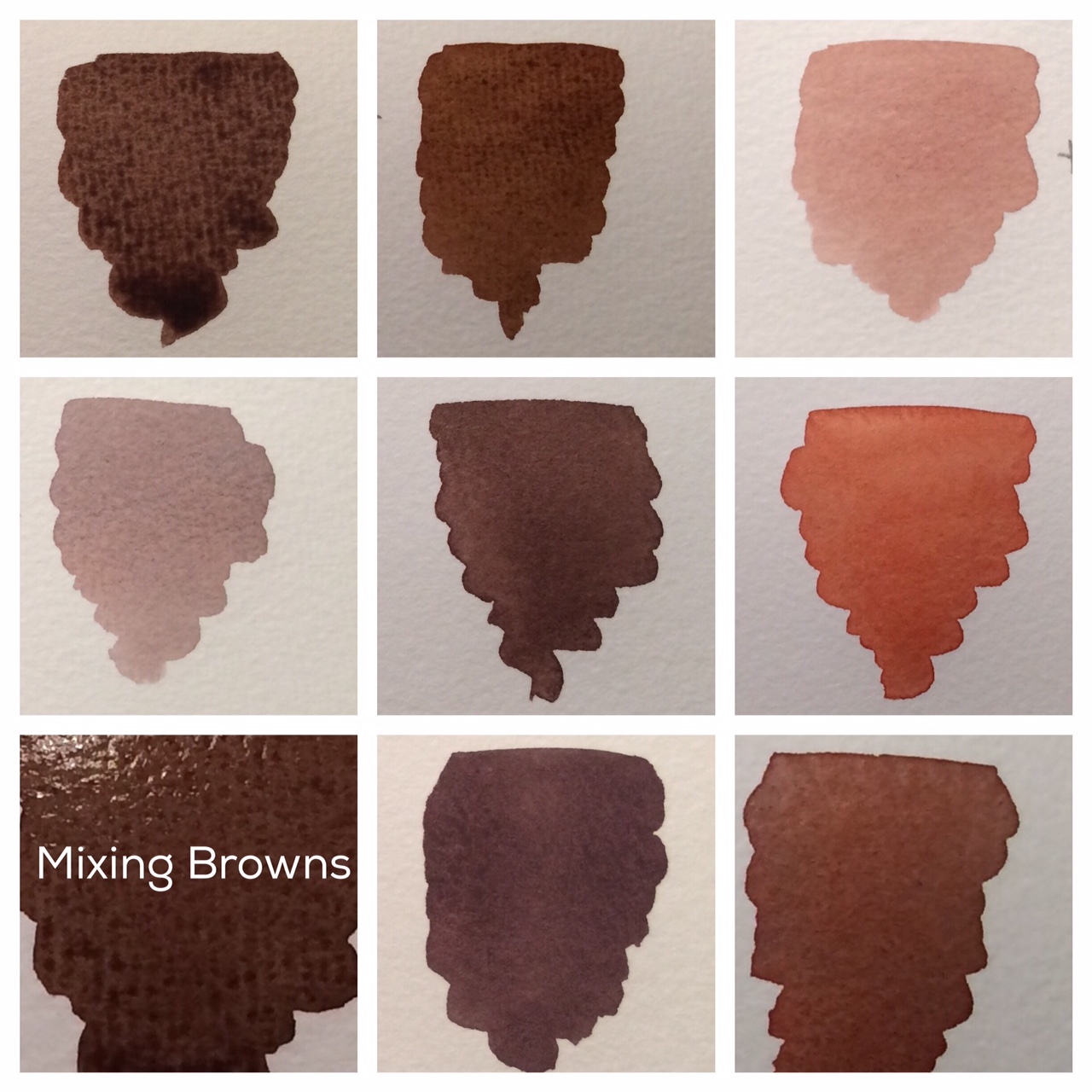
How to Mix Paint to Make Brown: The Comprehensive Guide to Color Theory and Custom Blending
To make brown paint, you primarily mix the three primary colors—red, yellow, and blue—in varying ratios. Alternatively, you can combine complementary colors, such as orange and blue, green and red, or purple and yellow. Adjusting the p...
To make brown paint, you primarily mix the three primary colors—red, yellow, and blue—in varying ratios. Alternatively, you can combine complementary colors, such as orange and blue, green and red, or purple and yellow. Adjusting the proportions allows you to create specific shades like tan, chocolate, or terracotta.
Contents
Brown is often referred to in the art world as a "composite" or "neutral" color. While it may seem like a simple, earthy tone, brown is remarkably complex because it contains elements of the entire visible spectrum. In 2026, whether you are working with digital pigments, traditional oils, or modern acrylics, understanding the relationship between base pigments is the key to moving beyond "muddy" accidents and achieving intentional, vibrant results.
The Fundamental Science of Mixing Brown
At its most basic level, brown is what happens when you reduce the intensity of a primary color by introducing its opposites. In subtractive color theory—the system used for physical paints—there are two main pathways to achieving a brown base.
The Primary Color Method
The most reliable way to create a neutral brown is to combine red, yellow, and blue. If you mix these in roughly equal parts, you will likely end up with a very dark, near-black brown. The "true" brown most artists seek usually requires a slightly higher ratio of warm colors (red and yellow) than cool colors (blue).
- Start with Yellow and Red: Mixing these two creates orange.
- Introduce Blue: Add a very small amount of blue to the orange. Because blue is the complement of orange, it "neutralizes" the brightness, pulling the hue toward a brown state.
- Balance: If the mixture looks too green, add more red. If it looks too purple, add more yellow. If it looks too orange, add more blue.
The Complementary Color Method
Complementary colors are pairs found directly opposite each other on the color wheel. When mixed, they cancel each other's chroma, resulting in a neutral tone. This is often the fastest way to mix brown because you only need to manage two tubes of paint.
- Blue and Orange: This combination produces a rich, deep brown. Because orange is already a mix of yellow and red, adding blue completes the primary trio.
- Red and Green: This pair creates earthy, organic browns often found in nature. Since green is a mix of blue and yellow, adding red finishes the set.
- Yellow and Purple: This results in a brighter, often more golden-brown. Purple is a mix of blue and red, so yellow provides the final primary component.
Creating Specific Shades of Brown
Not all browns are created equal. A "Raw Umber" is significantly different from a "Burnt Sienna," and knowing how to nudge your mixture in a specific direction is essential for realism in painting.
Warm vs. Cool Browns
Color temperature is a critical concept in 2026 design and fine art. A warm brown (like brick or mahogany) has a higher concentration of red or yellow. These colors tend to "advance" toward the viewer and feel cozy. To make a brown warmer, incrementally add red or a warm yellow like Cadmium Yellow.
A cool brown (like raw umber or the color of wet silt) has a higher concentration of blue or green. These shades "recede" and are perfect for shadows or distant landscapes. To cool down a brown, add a touch of Ultramarine Blue or Viridian Green.
Lightening and Darkening (Tints and Shades)
A common mistake is reaching for black paint to darken brown. Black often makes brown look flat or "dead" because many commercial black paints have a blue or green base that can shift the hue unexpectedly.
- To Darken: Instead of black, use a dark blue (like Dioxazine Purple or Prussian Blue) or a dark earthy red (like Alizarin Crimson). This keeps the brown "saturated" and lively even in deep shadows.
- To Lighten: Use Titanium White for a pastel, opaque tan. For a more "sunlit" light brown, use a pale yellow or "Naples Yellow" instead of white. White tends to make colors look cooler and more chalky, whereas yellow maintains the warmth of the brown.
Summary of Common Brown Mixing Ratios
The following table provides a quick reference for achieving popular brown variations. Note that pigment strength varies by brand; always add the darker color to the lighter color in small increments.
| Desired Brown Shade | Primary Base | Adjustment Pigment | Resulting Characteristics |
|---|---|---|---|
| Milk Chocolate | Orange (Red + Yellow) | Small amount of Blue | Balanced, creamy, medium-value brown. |
| Terracotta | Orange | More Red + touch of White | Warm, clay-like, earthy orange-brown. |
| Espresso | Deep Purple (Red + Blue) | Yellow + touch of Black | Very dark, near-black with cool undertones. |
| Tan / Beige | Brown (Basic mix) | Large amount of White | Soft, neutral, high-value sandy tone. |
| Raw Umber | Green (Blue + Yellow) | Red | Muted, cool-leaning, olive-brown. |
| Burnt Sienna | Red | Small amount of Green | Rich, fiery, reddish-brown. |
Technical Considerations for Different Mediums
The physical properties of your paint affect how you should approach mixing. In 2026, professional-grade pigments have become more stable, but the "drying shift" remains a factor to consider.
Acrylic Paints
Acrylics are known for drying slightly darker than they appear when wet. This is due to the binder changing from opaque to clear as the water evaporates. When mixing brown acrylics, aim for a shade slightly lighter than your target. Because acrylics dry fast, use a stay-wet palette to keep your custom brown blends workable for more than a few minutes.
Oil Paints
Oils offer the advantage of a long "open time," allowing you to blend colors directly on the canvas. To mix brown in oils, artists often use a technique called "glazing." You might lay down a transparent layer of red over a dried layer of green to create a deep, luminous brown that has more visual "depth" than a flat premixed color.
Watercolors
Watercolor mixing is subtractive and relies on the white of the paper. To make brown, you must be careful not to over-mix, which can lead to "mud" that loses its transparency. Start with your lightest color (yellow) and drop in the darker complements. Because you cannot easily add white in traditional watercolor to lighten a brown, you must control the value by adding more water to thin the pigment.
Troubleshooting Common Mixing Pitfalls
If your brown looks "off," it is usually due to an imbalance in the three primary components.
- The Brown looks too Gray: This happens when your ratios are too perfectly balanced or if you’ve added too much white and black simultaneously. To fix this, "lean" the color in one direction—add a punch of pure red or yellow to give it a specific identity.
- The Brown looks "Muddy": In art terms, "muddy" usually means the color has lost its vibration. This happens when you mix too many different types of paint together (e.g., mixing four different "pre-made" browns). Stick to a limited palette of 3–4 base colors to keep the mixture clean.
- The Brown looks Purple: You have too much blue and red and not enough yellow. Yellow is the "brightening" agent for brown; adding it will neutralize the purple and bring it back toward a chocolate or tan.
FAQs
Can I make brown paint without using primary colors?
Yes, you can mix existing earth-tone paints. For example, mixing a "Burnt Sienna" (reddish-brown) with a "Sap Green" will yield a very deep, forest-floor brown. You can also mix any secondary color (orange, green, purple) with its complementary color.
Why does my brown paint look green when I add white?
This usually occurs because the "blue" component in your brown mix is very strong (like Phthalo Blue). When white is added, it increases the visibility of the cool undertones. To correct this, add a tiny amount of red or orange to neutralize the green.
What is the difference between "raw" and "burnt" browns?
In pigment naming conventions, "raw" usually refers to the pigment in its natural state (typically cooler and more yellow/green), while "burnt" refers to pigments that have been calcined (heated), which shifts the color to a warmer, redder tone.
How do I make a "golden" brown?
Start with a base of yellow and add a very small amount of purple or a mix of red and blue. The key to a golden brown is ensuring the yellow-to-blue ratio is at least 3:1. Using a warm yellow like Yellow Ochre or Indian Yellow will enhance the "golden" glow.
Is it better to buy pre-mixed brown or mix my own?
Mixing your own brown allows for better "color harmony" in a painting. If you use the same red, yellow, and blue throughout a piece, and use those same tubes to mix your browns, the entire painting will feel more cohesive. Pre-mixed browns (like Van Dyke Brown) are convenient but can sometimes look "detached" from the rest of your palette.
Practical Recommendation for Artists
For the most versatile results, practice the Complementary Method using Ultramarine Blue and Cadmium Orange. This pairing creates a wide spectrum of browns ranging from deep midnight tones to bright, sun-baked earth. Always mix more paint than you think you need for a specific project, as replicating a custom-blended brown exactly can be challenging once the original batch has dried. If you find a specific ratio you love, record the "recipe" by dabbing the component colors and the final result into a dedicated color journal.
Image Gallery