Apple Push Notification Service Cost: 2026 Pricing and Infrastructure Guide
Apple Push Notification service (APNs) remains free of per-message charges in 2026, provided you maintain an active Apple Developer Program membership, which costs $99 USD per year for individuals and organizations. While Apple does no...
Apple Push Notification service (APNs) remains free of per-message charges in 2026, provided you maintain an active Apple Developer Program membership, which costs $99 USD per year for individuals and organizations. While Apple does not bill for notification volume or frequency, developers must account for external costs including backend server infrastructure, third-party delivery platforms, and engineering maintenance required to manage delivery at scale.
Contents
In the 2026 mobile ecosystem, distinguishing between the core APNs utility and the auxiliary services required to trigger those notifications is essential for accurate budgeting. APNs serves as the secure gateway between your server and millions of iOS, iPadOS, macOS, and watchOS devices. While the gateway is a "free" benefit of your developer license, the "Provider" (your server) is where the financial complexity resides.
The Foundation: Apple Developer Program Membership Costs
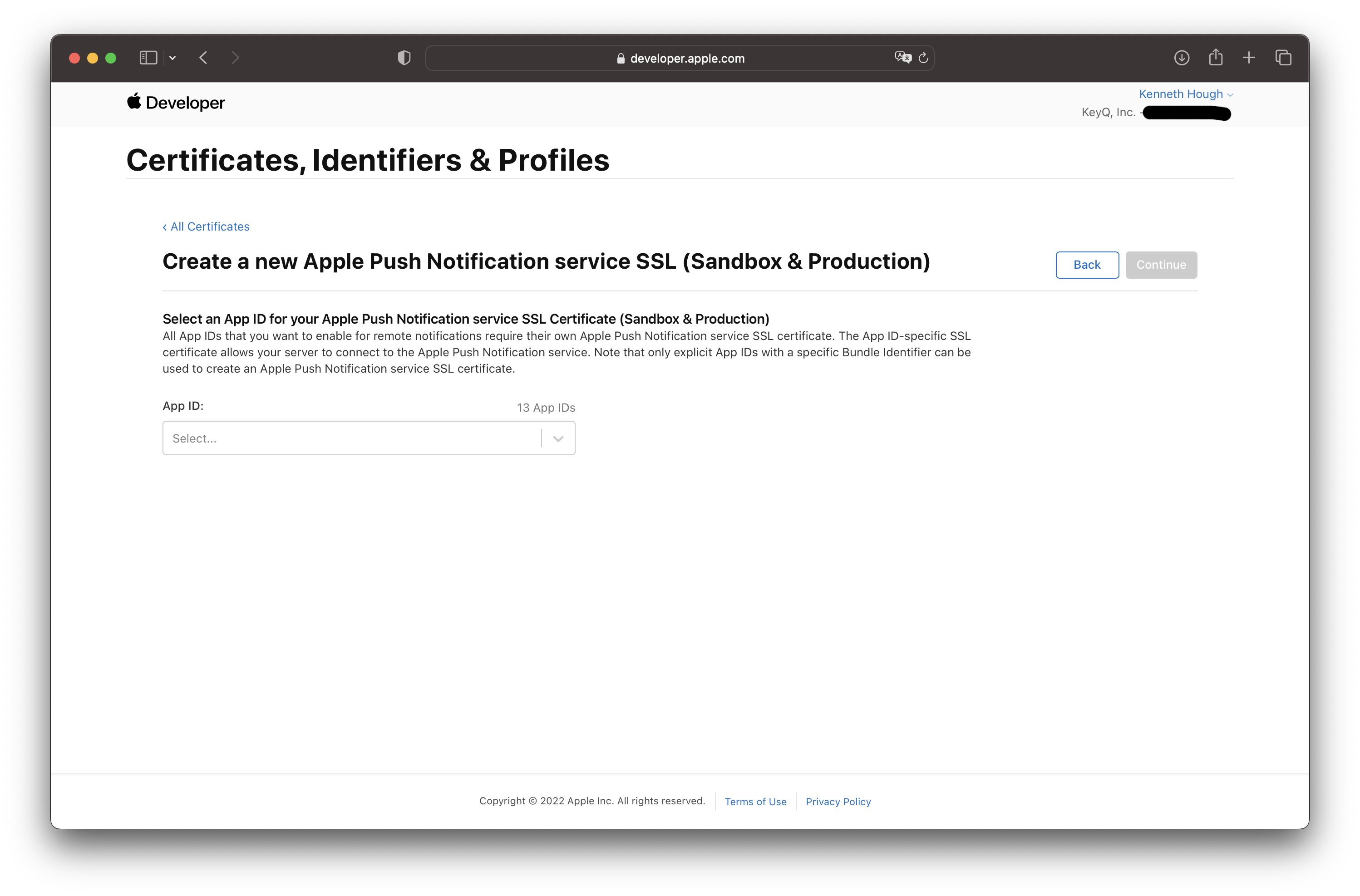
To access the APNs production environment, you must be a registered member of the Apple Developer Program. This is the primary direct cost associated with using Apple's notification infrastructure. Without a valid membership, you cannot generate the necessary authentication keys or certificates required to communicate with Apple’s servers.
As of 2026, the membership structure is categorized by the type of entity developing the software:
- Apple Developer Program (Individual/Organization): This costs $99 USD per membership year. It provides access to the push notification API, beta software, and the ability to distribute apps on the App Store.
- Apple Developer Enterprise Program: Costs $299 USD per membership year. This is reserved for organizations that need to distribute proprietary, in-house apps to employees only.
- App Store Fee Waiver: Non-profit organizations, accredited educational institutions, and government entities based in specific countries may be eligible for a fee waiver, effectively making the direct cost of APNs $0.
Beyond these annual fees, Apple does not impose "metered" billing. Whether your app sends ten notifications or ten billion notifications monthly, Apple does not increase your membership rate. However, this lack of a per-message fee from Apple often leads to a misconception that push notifications are entirely free.
Infrastructure Costs: Self-Hosted vs. Managed Cloud Providers
The "Provider" is the server-side component you manage that initiates the push request to APNs. The cost of running this provider varies significantly depending on your choice of architecture.
Self-Hosted Infrastructure (The "DIY" Route)
For organizations with high technical maturity, building a direct connection to APNs using the HTTP/2 protocol and JWT (JSON Web Tokens) authentication is common. The costs here are purely operational:
- Compute Resources: You must pay for the cloud instances (e.g., AWS EC2, Google Cloud Compute Engine, or Azure Virtual Machines) that run your notification logic.
- Egress Traffic: While push payloads are small (typically under 4KB), sending millions of them generates outbound data transfer costs.
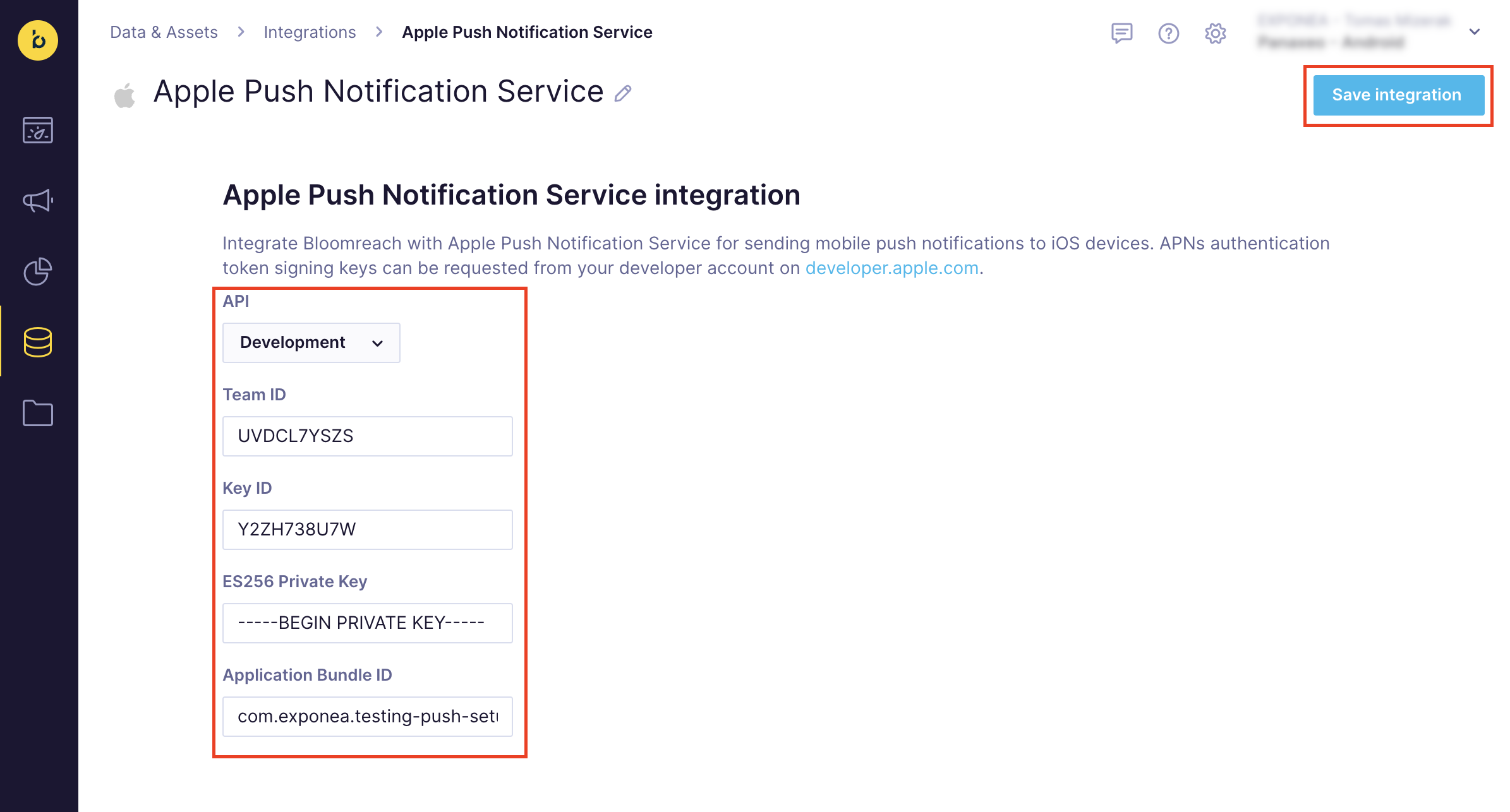
- Security Maintenance: Ongoing engineering hours are required to manage .p8 authentication keys or .p12 certificates, ensuring they do not expire and cause service outages.
Managed Push Service Providers (PaaS)
Most developers opt for Third-Party Push Service Providers (PSPs) to simplify the process. These platforms provide SDKs, segmentation tools, and analytics. Their pricing is usually based on "Monthly Addressable Users" (MAU) or "Monthly Active Users."
| Provider | Free Tier Availability | Estimated 2026 Pricing Model | Best For |
|---|---|---|---|
| Firebase Cloud Messaging (FCM) | Generous Free Tier | Usage-based for advanced analytics/A/B testing | Cross-platform (iOS/Android) integration |
| OneSignal | Up to 10,000 subscribers | Tiered subscriptions starting at $9/mo | Marketing-heavy apps and easy segmentation |
| AWS SNS | 1 million pushes free/mo | $0.50 per million pushes thereafter | High-volume, low-cost technical infrastructure |
| Braze / Airship | Extremely limited/None | Enterprise-level custom pricing | Large-scale customer engagement and CRM |
Technical Requirements and Operational Constraints in 2026
To maintain high deliverability without incurring "technical debt" costs, developers must adhere to Apple’s strict protocol requirements. Failure to follow these can lead to "Ghosting" (notifications not arriving) or the blacklisting of your provider server.
The HTTP/2 Protocol Requirement
APNs exclusively uses the HTTP/2 protocol for communication. This is significantly more efficient than the legacy binary protocol, as it allows for multiplexing—sending multiple notifications over a single connection. The cost benefit here is reduced server overhead, but the development cost involves ensuring your backend language (Node.js, Go, Python, etc.) is configured for persistent HTTP/2 connections.
Payload Limits and Data Usage
Apple enforces strict size limits on notification payloads. If your payload exceeds these limits, APNs will reject the request with a 413 Payload Too Large error.
- Standard Push Notifications: 4,096 bytes (4KB).
- VoIP Notifications: 5,120 bytes (5KB).
Large payloads increase your cloud egress costs. To optimize, developers in 2026 use "Mutable Content" flags, allowing the app to download rich media (images/video) after the notification is received, rather than sending the media through the APNs pipe itself. This shifts the cost from the "Push" phase to your Content Delivery Network (CDN) phase.
Authentication Standards: Tokens vs. Certificates
In 2026, Apple strongly recommends using Token-Based Authentication (.p8 keys). Unlike the older certificate-based (.p12) method, tokens do not expire annually. This reduces the risk of service interruption and eliminates the "hidden cost" of emergency engineering hours spent renewing expired certificates during a production outage.
The Hidden Costs of Push Notifications
Budgeting for APNs requires looking beyond the $99 fee and the server bills. There are several indirect costs that can impact the bottom line of a mobile product.
1. Engineering and Maintenance
Developing a reliable push system requires constant monitoring. You must handle feedback from APNs, such as "Expired Provider Token" or "Bad Device Token." If you continue to send notifications to invalid tokens, Apple may throttle your connection. Managing a "Token Sanitization" microservice is a non-trivial engineering cost.
2. Battery Life and User Retention
Over-sending notifications can lead to "Notification Fatigue." This results in users disabling notifications or, worse, uninstalling the app. High-frequency push notifications (especially those that trigger background processing) also consume the user's battery life. In 2026, Apple’s "Intelligence" features may automatically deprioritize apps that send low-value notifications, effectively "wasting" the cost of the push by hiding it from the user.
3. Regulatory Compliance (GDPR/CCPA/DMA)
Push notifications are considered a form of direct communication. Managing user opt-in/opt-out states and ensuring that sensitive data is not sent in plain text within the notification payload is mandatory for legal compliance. The cost of building robust consent management systems must be factored into the overall APNs implementation strategy.
Step-by-Step Economic Implementation Guide
For a startup or enterprise looking to implement APNs in 2026, this workflow minimizes unnecessary expenditure:
- Register as an Organization: Pay the $99 annual fee. Use an organization account rather than an individual one to ensure continuity if a developer leaves the company.
- Choose Your Authentication Strategy: Generate a .p8 Key in the Apple Developer Portal. This is a one-time setup that lasts indefinitely, avoiding future maintenance costs.
- Evaluate Delivery Volume: If you expect fewer than 1 million notifications per month, use a managed provider like Firebase or AWS SNS to take advantage of free tiers.
- Implement Server-Side Logic: Build your provider to handle HTTP/2. Use persistent connections to reduce the latency and compute cost of "handshaking" for every message.
- Monitor Deliverability: Set up dashboards to track error codes returned by APNs (e.g., 400 BadDeviceToken, 429 TooManyRequests). This prevents "wasted" server cycles on undeliverable messages.
Comparative Analysis: APNs vs. Competitors
While this article focuses on Apple, most apps are cross-platform. Understanding how APNs costs compare to Android’s Firebase Cloud Messaging (FCM) is vital for full-stack budgeting.
APNs (Apple)
Apple requires a paid developer membership ($99/year) regardless of usage volume. The service is highly restricted and requires specific Apple-signed keys for authentication. It is the only way to reach iOS devices natively.
FCM (Google/Android)
Google does not require a paid developer license to use basic FCM services. Like Apple, there is no per-message fee. However, Google offers integrated analytics and A/B testing for free, which Apple leaves to the developer or third-party providers to build.
Frequently Asked Questions
Does Apple charge for push notifications per message in 2026?
No, Apple does not charge a per-message or per-recipient fee for APNs. The only direct payment required is the annual Apple Developer Program membership fee of $99 or $299.
Can I use APNs without a $99 developer account?
No. While you can test "Local Notifications" (which do not use a server) for free using a personal Apple ID, "Remote Push Notifications" require a paid membership to generate the necessary APNs authentication tokens.
Is there a limit to how many push notifications I can send?
Apple does not specify a hard numerical limit, but they do implement "Anti-Spam" and "Fair Use" throttling. If you send a massive burst of notifications too quickly from a single IP, Apple may temporarily reject your requests.
What is the difference between a .p12 certificate and a .p8 key?
A .p12 certificate is tied to a specific App ID and expires every year. A .p8 key is a universal token that works for all your apps and does not expire, making it the more cost-effective choice for long-term maintenance.
Why are my push notifications not arriving even though I'm paying for the service?
Common reasons include using an expired certificate, an incorrect Device Token, or the device being in "Focus Mode" or "Low Power Mode." Ensure your server logic correctly processes the JSON error responses provided by the APNs HTTP/2 interface.
Recommendations for Strategic Cost Management
To maximize the ROI of your push notification strategy in 2026, focus on high-value triggers rather than bulk broadcasting. Use "Silent Pushes" (content-available: 1) sparingly, as Apple’s system may delay these if the device is under heavy load or low battery.
- For Early-Stage Startups: Leverage the $0 tiers of Firebase or OneSignal. The $99 Apple fee is unavoidable, but your infrastructure costs can remain at zero until you pass the 10,000-subscriber threshold.
- For Scaling Apps: Move to AWS SNS or a custom HTTP/2 provider implementation. This reduces the "Middleman" markup charged by engagement platforms like Braze or Airship.
- For Enterprises: Focus on security and deliverability. Use .p8 tokens and implement a robust feedback loop to prune inactive device tokens daily, ensuring you aren't paying for cloud compute to send messages to uninstalled apps.
Image Gallery