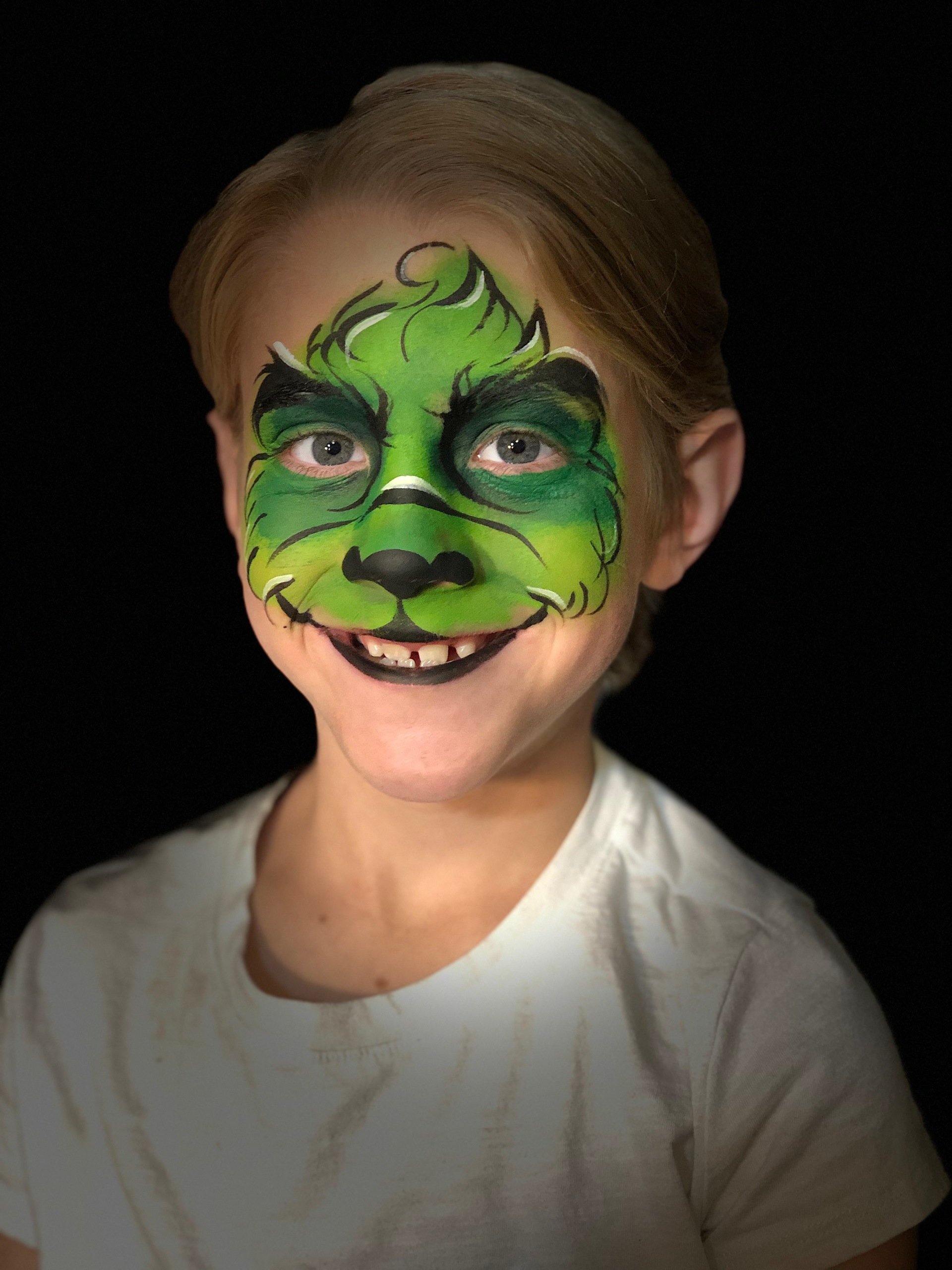
Professional Guide to Applying Grinch Face Paint for the 2026 Holiday Season
Creating a professional-grade Grinch face paint design requires high-quality, cosmetic-grade pigments, precise layering techniques, and an understanding of facial anatomy to ensure the character remains recognizable while maintaining s...
Creating a professional-grade Grinch face paint design requires high-quality, cosmetic-grade pigments, precise layering techniques, and an understanding of facial anatomy to ensure the character remains recognizable while maintaining skin safety. By utilizing professional water-based paints and proper application tools, you can achieve a durable, vibrant, and comfortable look for performances or events.
Contents
Essential Material Selection and Skin Safety Standards
The foundation of any successful character makeup application is the quality of the products used. For 2026, the industry standard for professional face painting continues to prioritize FDA-compliant, water-activated cosmetic paints over craft-grade materials. Craft-grade acrylics can contain heavy metals or allergens that are unsuitable for prolonged skin contact.
When sourcing materials, prioritize professional brands such as Tag, Diamond FX, or Wolfe FX. These products are formulated with pigments approved for cosmetic use and are designed to be easily removed with soap and water, reducing the risk of skin irritation.
Required Professional Tool Kit
- High-Density Sponges: Use high-density, non-porous sponges for smooth, streak-free base coverage.
- Synthetic Brushes: A variety of round (sizes 1-4) and flat (sizes 6-10) brushes are necessary for fine detailing and shading.
- Setting Spray: Cosmetic-grade setting spray is essential for longevity during active events.
- Primary Pigments: You will require a deep, vibrant lime green for the base, stark white for fur texture and eyes, and a rich black for outlining and defining the Grinch’s characteristic scowl.
Anatomy of the Grinch: Preparation and Base Application
Before applying any pigment, ensure the skin is clean and dry. If you are applying paint for an extended period, a light application of a skin-safe barrier spray can help prevent sweat from compromising the design.
Layering the Base Coat
- Moisten your sponge slightly; it should be damp, not dripping.
- Load the sponge with your lime green pigment by swirling it until you achieve a creamy, opaque consistency.
- Pat—do not rub—the paint onto the face, covering the entire forehead, cheeks, nose, and chin.
- Ensure the edges are feathered out toward the hairline and neck for a seamless appearance.
- Allow the base layer to dry completely (usually 60-90 seconds) before proceeding to the detailing phase to prevent color bleeding.
Advanced Detailing and Character Definition
Once your lime green base is set, the transition from a green face to "The Grinch" relies on bold line work and highlights. The Grinch’s expressions are defined by his exaggerated, arched eyebrows and his signature devious smile.
Mastering The Grinch Scowl
Establishing Shape Using a fine-tipped round brush and black paint, draw thin, angular lines starting from the inner corners of the eyes and moving upward in a sharp, zig-zag pattern to mimic his furrowed, grumpy brow.
Creating Fur Texture Use short, flicking motions with a flat brush dipped in white paint to add highlights around the cheeks, chin, and brow line. This creates the illusion of coarse, matted fur and adds necessary depth to the flat base color.
Comparison of Face Paint Application Methods
Choosing the right technique depends on your environment and the duration the paint needs to remain on the skin.
| Technique | Application Time | Durability | Best Usage |
|---|---|---|---|
| Water-Based Cake | 15–20 Minutes | Moderate (Sweat Sensitive) | Short-term parties, photoshoots |
| Alcohol-Activated | 30–45 Minutes | High (Water/Sweat Proof) | Professional theater, high-exertion events |
| Hybrid (Base + Setting) | 20–25 Minutes | Medium-High | Day-long festivals, public appearances |
Troubleshooting Common Application Errors
Even experienced artists encounter challenges. Addressing these effectively is key to maintaining a professional aesthetic.
- Cracking Paint: This occurs when the base layer is too thick. Use thinner, more opaque layers rather than one heavy application. If cracking persists, ensure your sponges are not over-saturated with water.
- Colors Bleeding: This usually happens when moving to the detailing phase before the base layer is fully dry. Always wait until the paint is matte and dry to the touch before adding fine lines.
- Skin Irritation: If a subject develops redness, immediately remove the paint using a gentle makeup remover or soap and warm water. Never apply makeup over broken or irritated skin.
Frequently Asked Questions
What is the safest way to remove Grinch face paint? The most effective removal method is using a gentle soap and warm water or a dedicated makeup remover. Avoid using harsh scrubbing motions; instead, gently lather the face to break down the pigment before rinsing thoroughly to prevent staining.
Can I use permanent markers to outline the Grinch’s features? No. Permanent markers contain solvents and chemicals that are toxic to the skin and can cause chemical burns or long-term irritation. Always use professional cosmetic-grade face paint liners for safety and precision.
How do I prevent the green paint from staining the skin? Some highly pigmented greens can leave a slight tint. Using a skin-safe makeup primer or a thin layer of barrier spray before applying your base coat creates a protective layer that makes removal easier and prevents pigment absorption.
Do I need to powder the face paint to set it? While professional-grade paints are designed to dry matte, using a light dusting of translucent cosmetic powder can help extend the life of the design, especially in warm, humid conditions common at holiday events in 2026.
Is it necessary to use a professional grade face paint? Yes. Professional paints are formulated specifically for facial skin, meaning they are non-toxic, hypoallergenic, and tested for safety. Craft or toy-grade paints often lack these safety standards and may cause adverse reactions.
Maintaining Professional Standards in 2026
As we move through 2026, the focus in professional face painting remains on sanitation and quality. Always use clean brushes for every client, maintain a clean workspace, and ensure all containers are sealed when not in use to prevent cross-contamination. By prioritizing safety, high-quality pigments, and precise, anatomical detailing, you can deliver a high-value performance that captures the essence of the character while ensuring the comfort of the individual. For those looking to refine their skills further, consult the latest safety guidelines provided by professional artist associations to ensure your practices remain aligned with current industry benchmarks.
Image Gallery