Cost Breakdown for TV Character Costumes for Men: Budget to Screen-Accurate
Building or buying a men's TV character costume typically costs between $30 for a basic off-the-shelf outfit and upwards of $1,500 for a screen-accurate, hand-crafted cosplay replica. Most creators spend between $100 and $300 by blendi...
Building or buying a men's TV character costume typically costs between $30 for a basic off-the-shelf outfit and upwards of $1,500 for a screen-accurate, hand-crafted cosplay replica. Most creators spend between $100 and $300 by blending real apparel, thrifted outerwear, and key detailed props to achieve high visual realism without excessive expenses.
Contents
Factors That Drive TV Costume Costs
The total price of reproducing a television character's wardrobe depends on several distinct factors. Characters dressed in everyday streetwear cost significantly less than those wearing customized vintage suits, sci-fi armor, or elaborate period pieces. Understanding these core drivers helps you allocate your budget effectively before making any purchases.
- Material Quality and Fabric Selection: Mass-produced commercial costumes rely heavily on synthetic fabrics such as thin polyester, printed nylon, and polyurethane foam. These keep manufacturing costs low but sacrifice durability, drape, and breathability. Screen-accurate builds or high-end replicas utilize real wool blends, heavy cotton duck, genuine leather, and high-grade linen, which immediately raises the baseline price.
- Prop and Armor Construction Method: Characters requiring hard armor or specialized gear (such as sci-fi bounty hunters or fantasy warriors) demand materials beyond standard textiles. Off-the-shelf plastic props cost very little, whereas 3D-printed, hand-sanded, resin-cast, or metal-finished items require expensive raw materials, special tools, and hundreds of assembly hours.
- Licensing and Retail Margins: Official pre-packaged costumes sold through seasonal Halloween stores include brand licensing fees built directly into the retail price. While convenient, these packages often sacrifice construction quality to keep the final price tag under $100.
- Custom Fitting and Tailoring: Off-the-rack garments rarely match the crisp, camera-ready fit seen on television. Factoring in alterations for suits, coats, or leather harnesses increases costs but dramatically elevates the final appearance.
Cost Breakdown by Budget Tier
To set realistic financial expectations, men's TV character costumes can be broken down into three primary budget tiers: Budget, Mid-Range, and High-End / Screen-Accurate.
1. Budget Tier ($30 – $100): Commercial Halloween Outfits
The budget tier consists primarily of complete, off-the-rack costume packages purchased from mass retailers or online seasonal shops.
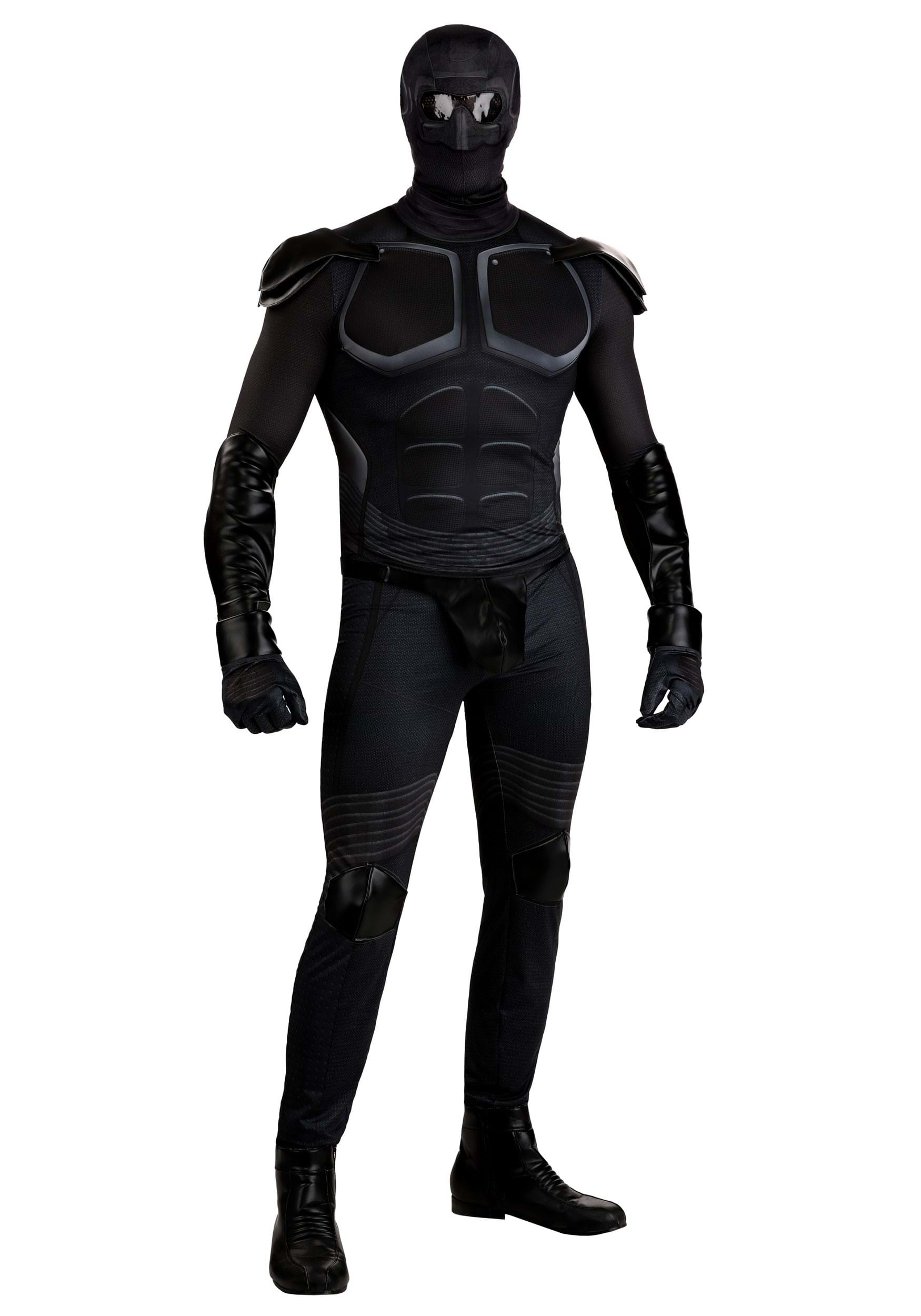
- What You Get: A single bag containing a jumpsuit or lightweight top and pants, flat foam accessories, and thin elastic straps.
- Best For: Single-night events, casual theme parties, or last-minute Halloween gatherings where convenience outweighs screen fidelity.
- Drawbacks: Materials run hot, tear easily, and rarely fit precisely. Iconic items like jackets, belts, or hats are often printed directly onto the fabric rather than existing as separate, functional pieces.
2. Mid-Range Tier ($100 – $300): The "Thrift & Upgrade" Hybrid
The mid-range tier offers the best balance between price, comfort, and authenticity. Instead of buying a cheap all-in-one costume, you source real garments from thrift shops, discount retailers, or Amazon, then supplement them with targeted replica props.
- What You Get: Genuine wearable clothing (such as a real denim jacket, flannel shirt, or wool-blend coat) paired with mid-tier props like 3D-printed accessories, foam props, or decent synthetic wigs.
- Best For: Comic conventions, fan meetups, and high-impact Halloween costumes designed to look like real wardrobe pieces rather than plastic outfits.
- Drawbacks: Requires time and research to search for individual clothing items across multiple online or physical stores.
3. High-End Tier ($300 – $1,500+): Screen-Accurate Cosplay
This tier caters to serious cosplayers, prop makers, and enthusiasts who demand absolute fidelity to the original wardrobe designed for television production.
- What You Get: Tailored wool suits, genuine hand-weathered leather jackets, custom-molded EVA foam or fiberglass armor plated with automotive paint, custom wig styling, and functional leather holsters or boots.
- Best For: Cosplay competitions, high-end conventions, photo shoots, or long-term display pieces.
- Drawbacks: Significant financial investment, long production timelines, and required maintenance for delicate or rigid components.
Line-Item Cost Breakdown by Outfit Component
Breaking down a costume into individual components reveals where money is typically spent—and where simple substitutions can save money.
| Component | Share | Cost |
|---|---|---|
| Main Wardrobe / Outerwear | 40% | $80 |
| Footwear & Boots | 25% | $50 |
| Props & Accessories | 15% | $30 |
| Wigs & FX Makeup | 10% | $20 |
| Tailoring & Supplies | 10% | $20 |
Main Wardrobe and Outerwear ($20 – $400)
Outerwear serves as the visual anchor for most iconic male TV characters.
- Budget ($20–$45): Synthetic coats with unlined interiors, thin suit jackets, or printed hoodies.
- Mid-Range ($45–$150): Thrifted vintage wool overcoats, surplus field jackets, or real denim truckers.
- High-End ($150–$400+): Custom-tailored three-piece tweed suits, heavy leather dusters, or custom-dyed screen-accurate fabrics.
Footwear ($30 – $250)
Footwear is often overlooked, but incorrect shoes can instantly ruin an otherwise accurate outfit.
- Budget ($30–$50): Synthetic leather slip-ons, thin boot covers, or painted canvas shoes.
- Mid-Range ($50–$120): Real work boots, combat boots, or surplus dress shoes that can be worn as everyday footwear after the event.
- High-End ($120–$250+): Screen-accurate boot models (such as specific Red Wing, Blundstone, or Wolverine boots) or fully custom leather riding boots.
Props, Armor, and Hard Goods ($15 – $500)
Props give a character immediate recognizability, from sci-fi blasters to badges and belt buckles.
- Budget ($15–$35): Hollow plastic blow-molded toys or soft foam items with basic paint applications.
- Mid-Range ($35–$150): High-density EVA foam builds, raw 3D prints that you assemble and paint yourself, or realistic airsoft/denix prop conversions.
- High-End ($150–$500+): Fully finished resin castings, functional electronic LED/sound integration, or custom leather gun rigs and utility belts.
Wigs, Facial Hair, and FX Makeup ($10 – $120)
Headwear and grooming complete the transformation.
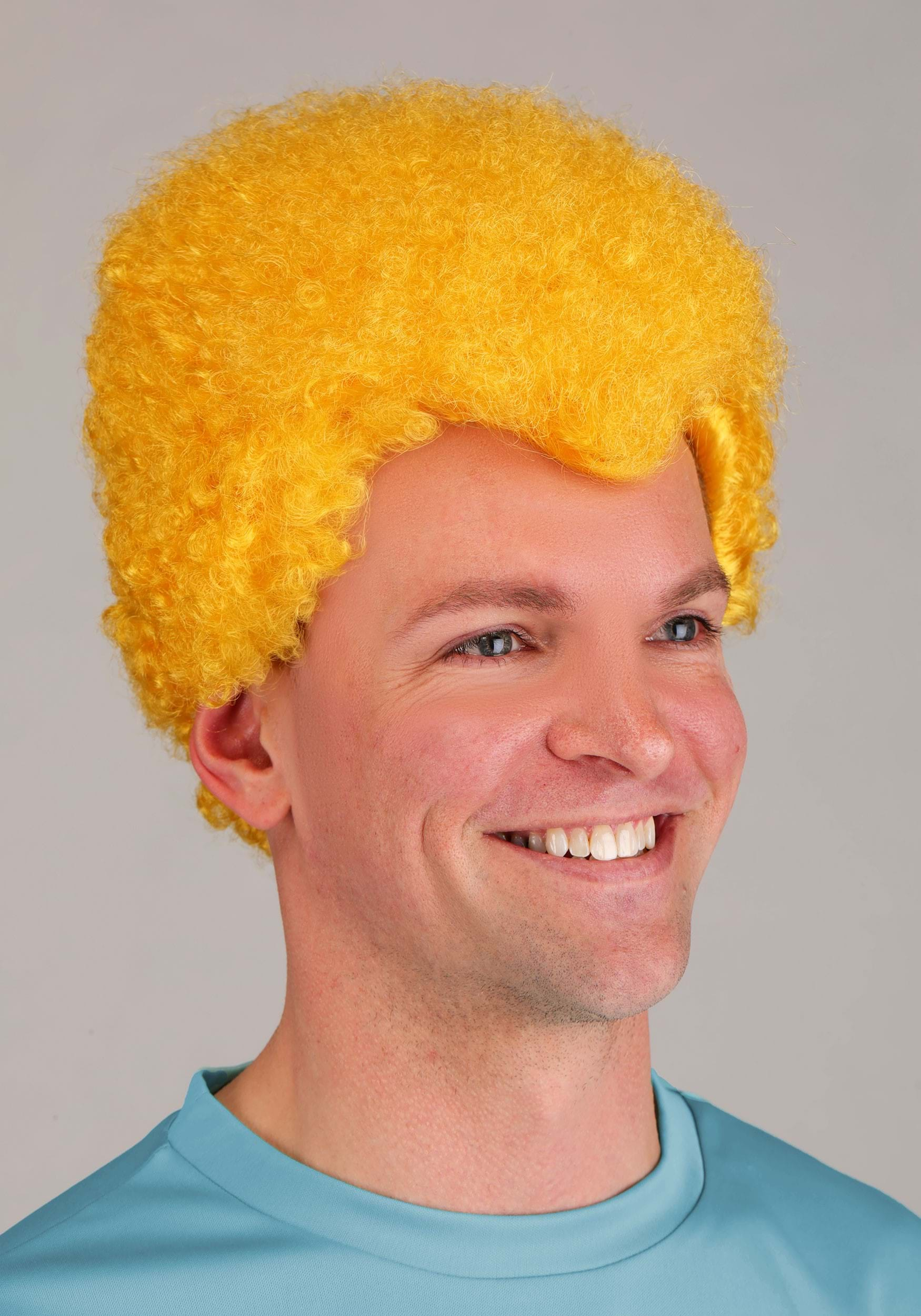
- Budget ($10–$25): Unstyled shiny synthetic wigs and self-adhesive costume mustaches.
- Mid-Range ($25–$60): Heat-resistant synthetic wigs, spirit gum with crepe hair for realistic beard application, and basic latex or scar wax.
- High-End ($60–$120+): Human hair blend wigs, lace-front hairline pieces, and custom-blended silicone prosthetics with professional alcohol-activated paint palettes.
Alterations, Tools, and Weathering Supplies ($15 – $100)
Making real clothes look like they have survived an apocalypse or years of detective work requires aging supplies.
- Basic Supplies ($15–$30): Acrylic paints, sandpaper, spray adhesive, and fabric dye for distressing.
- Advanced Tools ($30–$100+): Sewing machine access, airbrushes, heat guns for foam shaping, and professional hem modifications by a local tailor.
Character-by-Character Cost Comparison
The total price varies greatly based on the specific television character selected. The following comparison highlights estimated cost ranges across various tiers for iconic men's TV roles:
| TV Character | Show Title | Low-End (Off-Shelf) | Mid-Range (Thrift/DIY) | High-End (Screen-Accurate) | Primary Cost Driver |
|---|---|---|---|---|---|
| Joel Miller | The Last of Us | $45 – $65 | $110 – $220 | $350 – $700 | Weathered flannel jacket, authentic boots, leather holster |
| Tommy Shelby | Peaky Blinders | $50 – $80 | $150 – $320 | $600 – $1,200+ | Wool tweed 3-piece suit, pocket watch, tailored overcoat |
| Din Djarin | The Mandalorian | $60 – $100 | $250 – $500 | $900 – $2,500+ | Full Beskar armor plating, soft flight suit, chrome finish |
| Geralt of Rivia | The Witcher | $55 – $90 | $200 – $400 | $750 – $1,800 | Layered leather armor, dual swords, custom lace-front wig |
| Walter White | Breaking Bad | $30 – $50 | $70 – $140 | $220 – $450 | Pork pie hat, genuine leather jacket, yellow hazmat gear |
| Ted Lasso | Ted Lasso | $35 – $55 | $80 – $160 | $200 – $380 | Official tracksuit/sweatshirt, specific sneakers, visor |
| The Tenth Doctor | Doctor Who | $45 – $75 | $130 – $280 | $500 – $1,100 | Long brown trench coat, pinstripe suit, sonic screwdriver |
Practical Strategies to Save Money on Men's TV Costumes
Reducing costume expenses does not require sacrificing quality. Implementing smart sourcing tactics allows you to build high-value outfits within reasonable budgets.
1. Leverage "Closet Cosplay" First
Before purchasing new garments, audit your current wardrobe and those of friends or family. Outerwear like plain jeans, dark chinos, plain button-down shirts, work boots, and suits can often serve as the base layer for dozens of TV characters.
2. Shop Thrift Stores and Military Surplus
Thrift shops (such as Goodwill or Value Village) and military surplus outlets are gold mines for men's character costumes. Military surplus stores offer rugged cargo pants, tactical belts, heavy boots, and field jackets for a fraction of retail prices—ideal for characters in survival, action, or post-apocalyptic genres.
3. Master DIY Weathering Techniques
Real clothing often looks too clean on camera or in photographs to pass as a battle-worn character costume. Instead of paying premium prices for pre-distressed replicas, buy affordable second-hand clothing and weather it yourself. Sandpaper, wire brushes, diluted black and brown acrylic paint washes, and actual dirt can transform a $15 thrifted coat into a screen-realistic piece.
4. Raw 3D Prints vs. Finished Props
If your character requires hard props (such as badges, blasters, or armor plates), buying fully painted, finished props on artisan marketplaces like Etsy can cost hundreds of dollars. Buying raw, unpainted 3D prints—or printing the files yourself at a local library or maker space—can cut prop costs by 60% to 80%.
Hidden Costs to Keep in Mind
Budgeting for a costume often involves minor, hidden expenses that add up quickly if overlooked:
- Shipping Fees and Import Taxes: Specialty replica items, custom leatherwork, or screen-accurate fabrics ordered from overseas vendors frequently incur high shipping costs and potential customs duties.
- Single-Use Crafting Supplies: Specialty items like contact adhesives (e.g., Barge cement), spirit gum remover, thermal plastic (Worbla), or specific paint primers often cost $10–$20 per bottle, which accumulates rapidly across a complete build.
- Comfort Upgrades: Budget footwear and heavy, unventilated synthetic costumes often require insoles, cooling vests, or moisture-wicking undergarments to remain comfortable during all-day conventions or outdoor events.
Frequently Asked Questions
What is usually the most expensive component of a men's TV character costume?
Outerwear and specialized footwear are almost always the most expensive components. Tailored wool coats, leather jackets, period-accurate suits, or high-end tactical boots consume the largest portion of any budget. Investing in these key pieces yields the highest returns in overall appearance, comfort, and longevity.
Is it cheaper to make or buy a men's character costume?
It depends entirely on the character type. For modern, civilian characters (like Ted Lasso or Walter White), buying existing real clothing or thrifting is far cheaper than sewing from scratch. However, for heavily armored or sci-fi characters (like The Mandalorian), building armor from EVA foam or 3D printing is significantly cheaper than purchasing pre-built, screen-accurate replica sets.
How much should I set aside for a tailored suit costume like Peaky Blinders?
A mid-range budget of $150 to $320 is sufficient for a respectable Peaky Blinders outfit using off-the-rack tweed garments and basic tailoring. If you opt for custom, screen-accurate wool tweed three-piece suits, authentic newsboy caps, and real leather dress boots, expect the price to range between $600 and $1,200+.
Can I reuse garments from TV costumes for everyday wear?
Yes, this is one of the primary benefits of the mid-range "thrift & upgrade" strategy. Investing in real clothing—such as boots, leather jackets, denim, or suits—allows you to integrate those items into your everyday casual or formal wardrobe long after the costume event has passed, dramatically increasing the long-term value of your purchase.
How far in advance should I start ordering custom costume items?
For simple thrift-based outfits, two to three weeks is generally sufficient. However, if you order custom 3D-printed props, tailored garments, or handmade leather gear from independent makers, plan to order 8 to 12 weeks in advance to account for production backlogs and international shipping transit times.
Final Recommendation: Where to Start Your Build
To maximize your budget, begin by selecting a character whose baseline wardrobe matches items you already own or can easily thrift. Focus your spending on one or two high-impact "hero items"—such as a character's signature jacket, iconic hat, or primary prop—while keeping base layers (pants, undershirts, and basic footwear) inexpensive. This targeted approach ensures maximum visual impact while keeping total costs within your target range.
Image Gallery