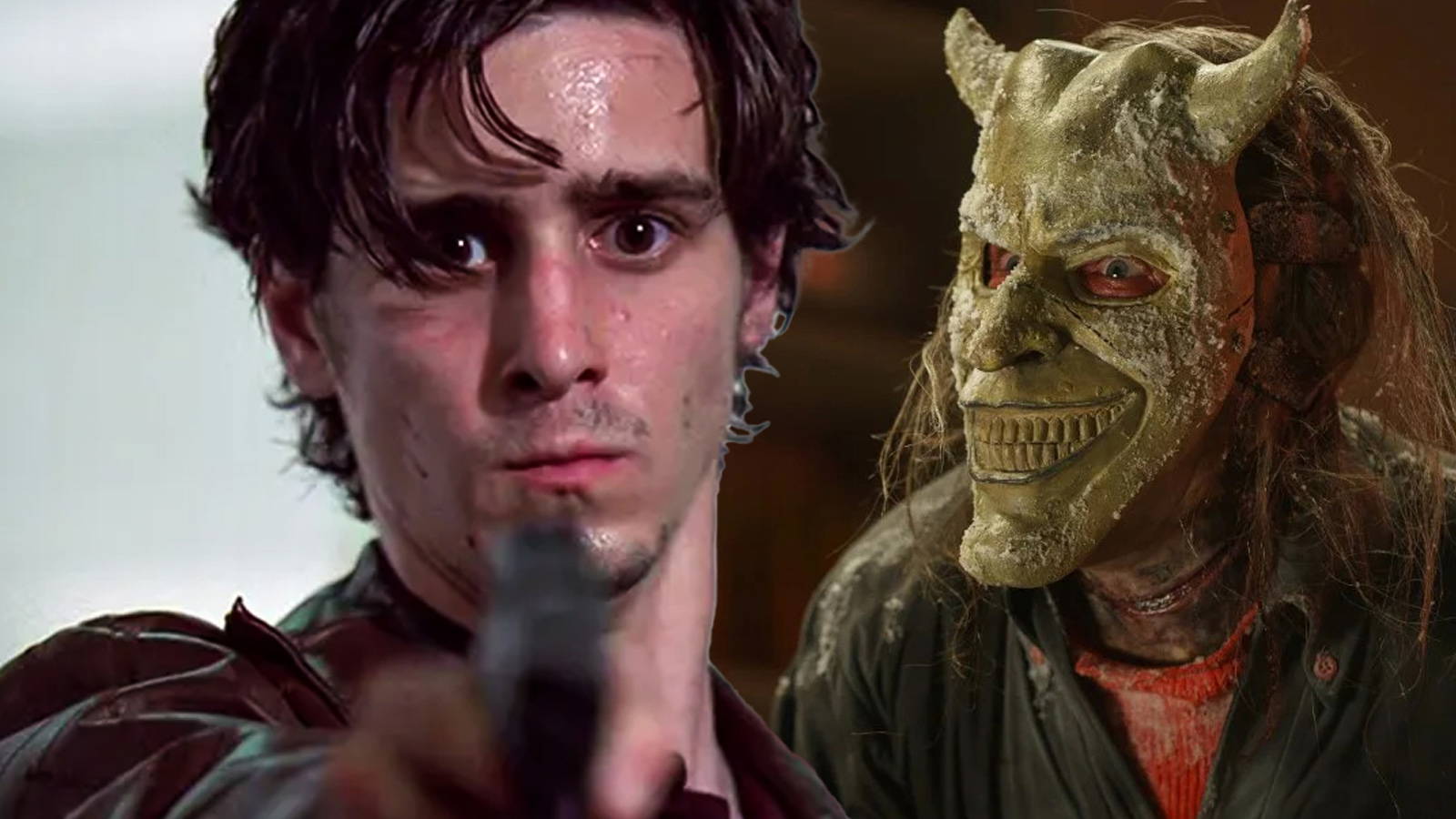
James Ransone in Hawaii Five-0: Why the Role Was a Rare Fit
James Ransone’s guest appearance as Johnny Moreau in the first season of the Hawaii Five-0 reboot stands out as a rare fit because he brought a gritty, prestige-cable intensity to a high-gloss network procedural. His performance bridge...
James Ransone’s guest appearance as Johnny Moreau in the first season of the Hawaii Five-0 reboot stands out as a rare fit because he brought a gritty, prestige-cable intensity to a high-gloss network procedural. His performance bridged the gap between the show’s escapist action and a deeply grounded, tragic character study.
Contents
In the landscape of early 2010s television, the CBS reboot of Hawaii Five-0 was known for its cinematic production values, explosive action sequences, and the "bromantic" chemistry between its leads. However, Season 1, Episode 19, titled "Na Mele No" (The Songs of Old), introduced a narrative layer that required a specific type of actor—someone who could embody a fallen local hero without succumbing to clichés. James Ransone, an actor then best known for his harrowing work in HBO’s The Wire and Generation Kill, was the unconventional choice that elevated the episode into one of the series' most memorable character explorations.
The Character Profile: Who Was Johnny Moreau?
To understand why Ransone was a "rare fit," one must first examine the character of Johnny Moreau. Unlike the typical "villain of the week" who often serves as a hollow obstacle for the Task Force to overcome, Johnny was intrinsically tied to the backstory of Chin Ho Kelly, played by Daniel Dae Kim.
Johnny Moreau was depicted as a former high school football star—a local legend on the islands who once shared the field and a deep bond with Chin. In the hierarchy of Hawaiian social culture portrayed in the show, high school sports stars carry a significant amount of "mana" or respect. Johnny’s trajectory, however, was the antithesis of Chin’s. While Chin entered law enforcement (and later faced a fall from grace within the HPD), Johnny descended into the world of organized crime and drug trafficking.
The role required an actor who could project both the ghost of a charismatic athlete and the twitchy, desperate reality of a man who has traded his potential for survival in the underworld. Ransone’s physical presence—lean, energetic, and often carrying a sense of underlying anxiety—fit this dichotomy perfectly. He didn't look like a generic thug; he looked like a man who had once been great but had been "hollowed out" by his choices.
James Ransone’s Acting Pedigree and the "Prestige" Influence
By 2026, looking back at the trajectory of James Ransone’s career, his stint on Hawaii Five-0 remains a fascinating outlier. Ransone is widely regarded as a "character actor's character actor." His portrayal of Ziggy Sobotka in Season 2 of The Wire is often cited as one of the most heartbreaking and frustrating performances in television history. He specialized in playing characters who were their own worst enemies—men with "big dreams and small capabilities."
When Ransone was cast in Hawaii Five-0, he brought that "prestige" sensibility to the CBS procedural. Network television often favors broad strokes: heroes are heroic, and villains are menacing. Ransone, however, played Johnny Moreau with a sense of moral ambiguity and vulnerability. In his scenes with Daniel Dae Kim, the audience doesn't just see a criminal being interrogated; they see a man mourning the friendship he lost and the life he could have had. This infusion of high-level dramatic craft into a standard police procedural format is what made the fit so rare and effective.
The Dynamic Between Chin Ho Kelly and Johnny Moreau
The heart of the "rare fit" lies in the chemistry between Ransone and the series regulars. The relationship between Johnny and Chin served as a mirror for Chin’s own struggles. At that point in the series, Chin Ho Kelly was still dealing with the fallout of being accused of corruption—a shadow that hung over his reputation despite his innocence.
The scenes between Ransone and Kim were marked by a heavy, unspoken history. Ransone’s ability to portray Johnny’s defensiveness and shame allowed the audience to feel the weight of their shared past.
Why the Fit Worked for the Show's Narrative:
- Grounded Stakes: While the main plot of the episode involved a high-stakes investigation at a comic book convention, the Johnny Moreau subplot provided the emotional anchor that kept the episode from feeling too flighty.
- Highlighting Chin's Integrity: By showing Chin’s willingness to try and save his old friend—and Johnny’s eventual inability to be saved—the show reinforced Chin’s status as the moral compass of the team.
- Atmospheric Contrast: Ransone’s performance felt like it belonged in a gritty indie film, which provided a sharp, effective contrast to the bright, sun-drenched aesthetic of the Oahu setting.
Technical Breakdown: Episode 1.19 "Na Mele No"
The production of this episode benefited significantly from Ransone’s inclusion. Below is a summary of the key technical and narrative elements that defined Ransone's contribution to the series.
| Feature | Details of Ransone’s Involvement |
|---|---|
| Episode Title | "Na Mele No" (The Songs of Old) / also known as "Heroes and Villains" |
| Character Name | Johnny Moreau |
| Primary Theme | The consequences of past choices and the loss of innocence. |
| Acting Style | Intense, naturalistic, and emotionally volatile. |
| Key Prop/Symbol | The high school football connection (legacy vs. reality). |
| Narrative Role | Secondary antagonist with a deep personal connection to a series regular. |
| Directorial Approach | Focus on close-ups to capture Ransone’s expressive, "twitchy" facial nuances. |
The Contrast with Typical Procedural Guest Stars
Most procedural guest stars fall into two categories: the "Big Name" cameo or the "Working Actor" fill-in. James Ransone didn't quite fit either. At the time, he was a cult favorite among fans of high-end drama but wasn't a household name in the way a movie star might be. This allowed him to disappear into the role of Johnny Moreau without the baggage of celebrity.
A "rare fit" occurs when an actor’s specific quirks align perfectly with a character’s needs. Johnny Moreau needed to be someone the audience could believe was a star quarterback 15 years prior, but who was now so entrenched in the criminal world that he was unrecognizable to those who knew him. Ransone’s ability to oscillate between hyper-verbal aggression and quiet remorse made this transition believable. He didn't play Johnny as a "bad guy"; he played him as a man who had run out of time and options.
Long-term Impact on the Series and Ransone's Career
Following his appearance in Hawaii Five-0, Ransone continued to select roles that emphasized his range. From his terrifying turns in the Sinister franchise to his acclaimed role as the adult Eddie Kaspbrak in It Chapter Two (2019), he consistently proved his ability to handle both horror and deep pathos.
His time as Johnny Moreau remains a point of interest for fans of the show because it represents one of the few times the series allowed a guest character to truly "stain" the narrative with tragedy. Johnny’s story didn't have a clean, happy ending, and Ransone’s performance ensured that the audience felt the sting of that reality. It reminded viewers that in the world of Hawaii Five-0, not everyone can be rescued, and some legends are destined to fade in the shadows of the very islands they once championed.
Frequently Asked Questions
Was James Ransone a recurring character in Hawaii Five-0?
No, James Ransone appeared only in Season 1, Episode 19. His character’s arc was designed to be a self-contained story that deepened the background of Chin Ho Kelly. While fans often hoped for a return, the finality of his narrative path in that episode made a recurring role difficult from a writing standpoint.
What is the significance of the episode title "Na Mele No"?
The title translates to "The Songs of Old." This is a reference to the themes of tradition, memory, and the history that binds people together. It highlights the contrast between the "old" Johnny Moreau (the football hero) and the modern reality of his life as a criminal.
Why is Ransone's performance considered "rare" for a CBS procedural?
Standard network procedurals often require actors to hit specific, predictable emotional beats to keep the plot moving. Ransone used a more internalized, method-adjacent approach, bringing a level of psychological realism that is usually reserved for 10-episode prestige miniseries rather than a 22-episode-per-season broadcast show.
Did James Ransone do his own stunts in the episode?
While the episode featured the show's signature action, Ransone's role was primarily character-driven. Most of his "action" involved tense confrontations and chases that utilized his natural athleticism, though standard professional stunt doubles were utilized for the more dangerous sequences involving vehicles.
How did the fans react to Ransone’s guest spot?
Fan reception was overwhelmingly positive, particularly among viewers who recognized him from The Wire. He is frequently cited in "Best Guest Star" lists for Hawaii Five-0 because he avoided the "cartoonish villain" tropes that sometimes permeated early seasons of the reboot.
Final Recommendation for Viewers
If you are exploring the early seasons of Hawaii Five-0, pay close attention to the subtext of the scenes between James Ransone and Daniel Dae Kim. To get the most out of this "rare fit," watch the episode after familiarizing yourself with Chin Ho Kelly’s corruption arc in the first half of Season 1. This context makes Johnny Moreau's tragedy even more poignant, as it illustrates the razor-thin line between the life of a hero and the life of a fugitive in the islands.
Image Gallery