Understanding the Solar Infrastructure of the University of Michigan: Manufacturer Insights
The University of Michigan has utilized solar photovoltaic (PV) panels from several manufacturers across its campuses, with First Solar being the most prominent provider for its large-scale installations. Notably, the university’s sign...
The University of Michigan has utilized solar photovoltaic (PV) panels from several manufacturers across its campuses, with First Solar being the most prominent provider for its large-scale installations. Notably, the university’s significant renewable energy projects, such as the North Campus solar array, have integrated advanced thin-film modules, largely sourced through partnerships that prioritize domestic production and high-efficiency performance.
Contents
A Decentralized Approach to Renewable Energy
The University of Michigan (U-M) does not rely on a single vendor for its entire renewable energy portfolio. Because the university operates a vast collection of facilities—ranging from athletic centers and parking structures to research laboratories and administrative offices—its solar strategy is highly decentralized. This variety necessitates the use of different hardware depending on the site requirements, roof load capacities, and energy generation goals.
The university’s shift toward sustainability, particularly under the "Carbon Neutrality" roadmap, has seen an increase in both rooftop solar and ground-mounted utility-scale arrays. The primary manufacturers involved in these installations are typically selected through competitive bidding processes, often favoring companies with U.S.-based manufacturing hubs to align with both federal sustainability incentives and the university’s commitment to regional economic development.
First Solar: The Primary Utility-Scale Partner
The most notable large-scale solar deployment at the University of Michigan, specifically the array established to offset electricity consumption for the Ann Arbor campus, has featured panels from First Solar. Headquartered in Tempe, Arizona, with major manufacturing operations in Ohio, First Solar is a leader in thin-film cadmium telluride (CdTe) semiconductor technology.
The partnership with First Solar is strategically significant. Unlike traditional crystalline silicon panels, which are the industry standard for residential rooftops, thin-film modules perform exceptionally well in a variety of light conditions and have a lower lifecycle carbon footprint. For a massive institutional project, the durability and the “cradle-to-cradle” recycling program offered by First Solar align with the university’s environmental stewardship goals.
Diversification in Rooftop and Specialized Installations
While First Solar provides the bulk of the power for utility-scale off-site or ground-mounted arrays, the university’s rooftop solar portfolio is more diverse. On various campus buildings, you may encounter products from manufacturers such as:
- SunPower: Frequently utilized for high-efficiency rooftop installations where space is constrained and maximum output per square foot is required.
- Canadian Solar: Known for providing reliable crystalline silicon modules for mid-sized projects on campus auxiliary buildings.
- JinkoSolar: Occasionally present in the broader supply chain for secondary projects, depending on the specific electrical contractor hired for the renovation or new construction project.
It is important to note that the university itself is rarely the direct purchaser of panels for smaller building-level projects. Instead, these are usually procured by the General Contractors (GCs) or specialized electrical engineering firms tasked with building maintenance and facility upgrades. Consequently, the specific brand of panel on a specific building roof can change depending on which contractor won the project bid at the time of construction.
Technical Considerations for Campus Installations
When the University of Michigan selects solar technology, the engineering team evaluates several technical parameters that go beyond the name of the manufacturer. These include:
- Module Efficiency: This is the percentage of sunlight that a panel can convert into usable electricity. While thin-film (First Solar) may have a lower initial efficiency rating compared to monocrystalline silicon, the University often favors them for large arrays due to their temperature coefficient and performance in diffused light.
- Degradation Rates: Solar panels lose efficiency over time. The University’s procurement office mandates 25-year performance warranties, ensuring that the manufacturer is financially stable enough to honor these guarantees over two decades.
- Mounting and Wind Loading: Michigan’s climate, characterized by significant snowfall and high wind events, requires that the chosen modules be compatible with heavy-duty racking systems. The integration of the panel with the racking system—often provided by third parties like Unirac or IronRidge—is just as critical as the panel manufacturer itself.
Table: Comparison of Typical Solar Technologies at U-M
| Technology Type | Primary Manufacturer Example | Best Use Case | Key Advantage |
|---|---|---|---|
| Thin-Film (CdTe) | First Solar | Utility-scale/Ground arrays | High temperature tolerance; lower carbon footprint |
| Monocrystalline Silicon | SunPower | Rooftop/Space-constrained | Industry-leading efficiency |
| Polycrystalline Silicon | Various Vendors | Standard commercial roof | Cost-effective for large footprints |
Sustainability and Financial Governance
The University of Michigan’s decision to move toward solar is not merely an environmental choice; it is a financial strategy intended to hedge against volatile electricity market prices. By entering into Power Purchase Agreements (PPAs) or owning the infrastructure outright, the university secures a fixed cost for energy over long durations.
In these agreements, the manufacturer is often secondary to the developer (the company that builds and manages the site). For instance, a developer might partner with a specific manufacturer like First Solar to secure supply chain stability. For stakeholders and students interested in which specific panels are on a roof, the best path to verification is checking the "U-M Sustainability" office annual reports or public construction project bid documents (known as bid tabs), which are occasionally published by the Office of Campus Planning and Development.
Frequently Asked Questions
Does the University of Michigan manufacture its own solar panels? No, the university does not manufacture solar panels. It acts as a consumer and project developer, sourcing hardware through established global manufacturers and professional installation contractors.
How can I verify which panels are on a specific U-M building? Information regarding specific equipment on a university building is generally found in the "Notice to Bidders" or "Project Specifications" for that specific construction project, which are managed by the U-M Architecture, Engineering, and Construction (AEC) department.
Why does U-M prefer First Solar for large projects? First Solar is a U.S.-based company with significant manufacturing capacity in the Midwest. Their thin-film technology is highly durable and supports the university's goal of reducing the total lifecycle carbon impact of its energy infrastructure.
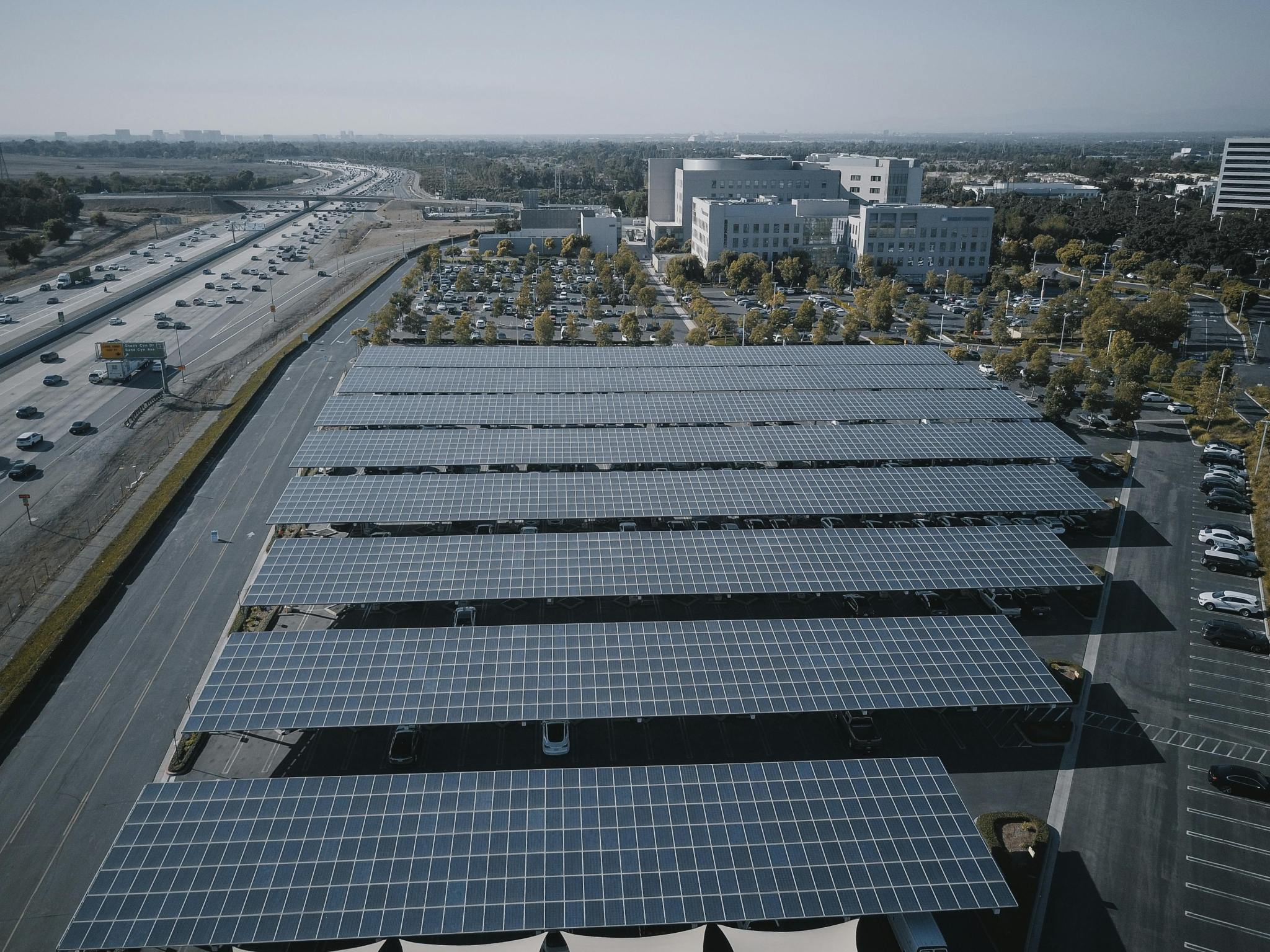
Do all solar panels on campus look the same? No. You will notice significant differences between the thin-film modules (which often appear as large, dark-blue or black uniform glass sheets) and traditional silicon panels (which show a grid-like pattern of cells and busbars).
Is the university still installing new solar capacity in 2026? Yes. The university continues to execute its climate action plan, which involves ongoing retrofitting of older buildings with solar arrays and the development of new solar infrastructure to meet carbon neutrality targets.
Next Steps for Inquiry
If you are conducting research on a specific facility, the most accurate method for identification is to contact the U-M Office of Campus Sustainability. They maintain internal inventories of renewable energy assets. For those interested in the broader procurement standards, reviewing the U-M "Design Guidelines" on the official university portal provides insight into the standards and certifications required for any solar hardware installed on campus property.
Image Gallery