The Ultimate Guide to the Platypus Pistol: Design, Performance, and Compatibility in 2026
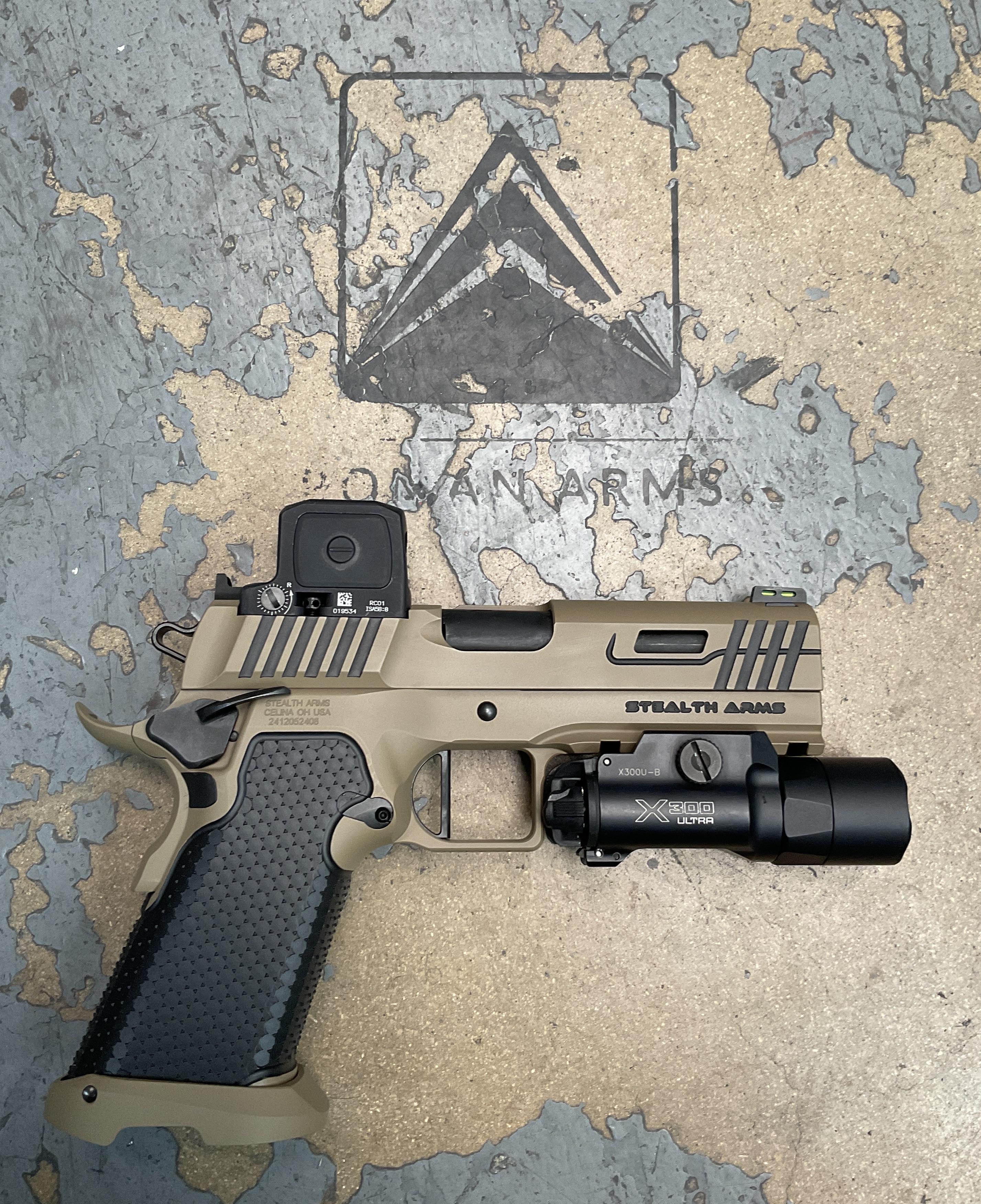
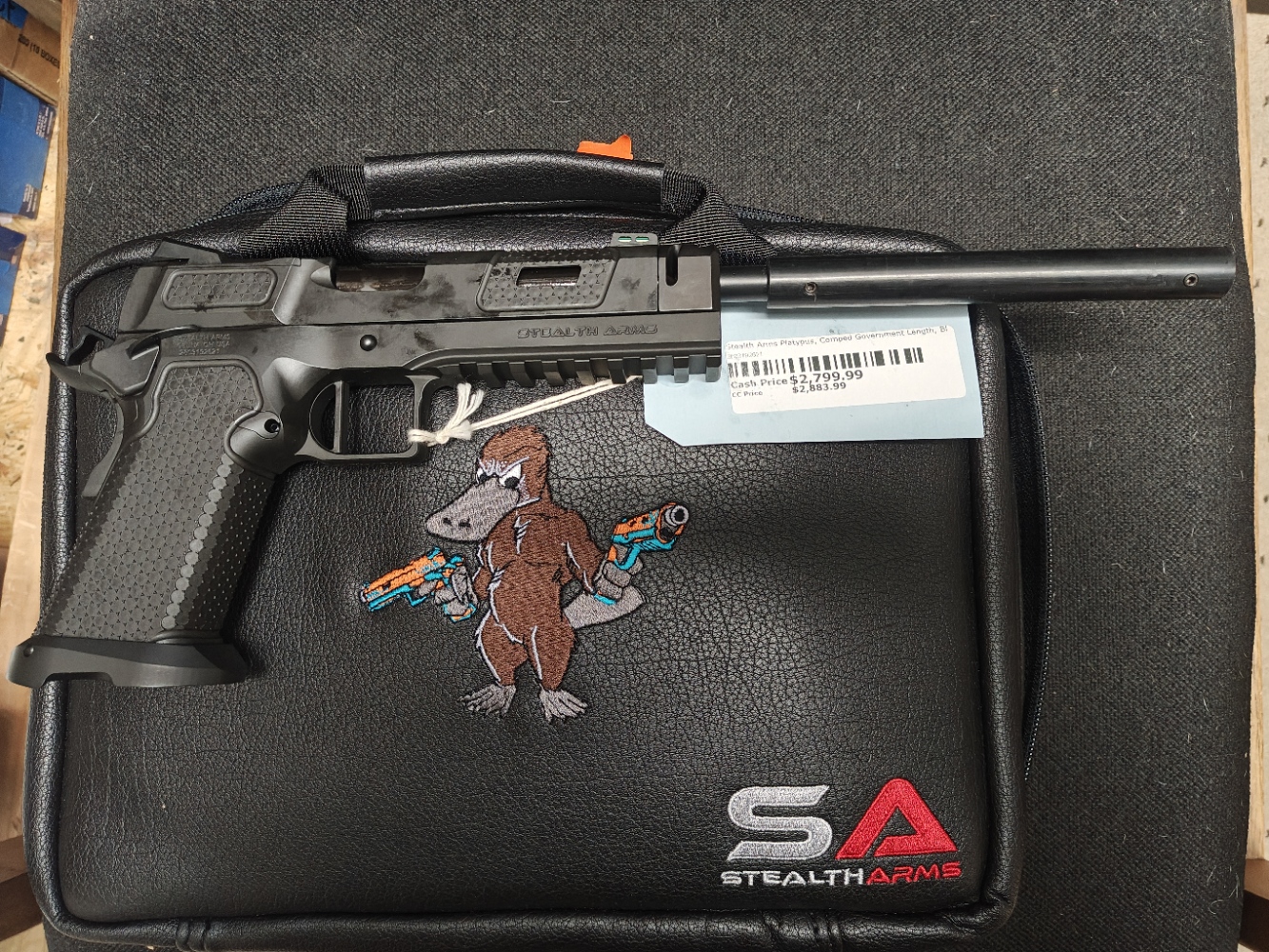
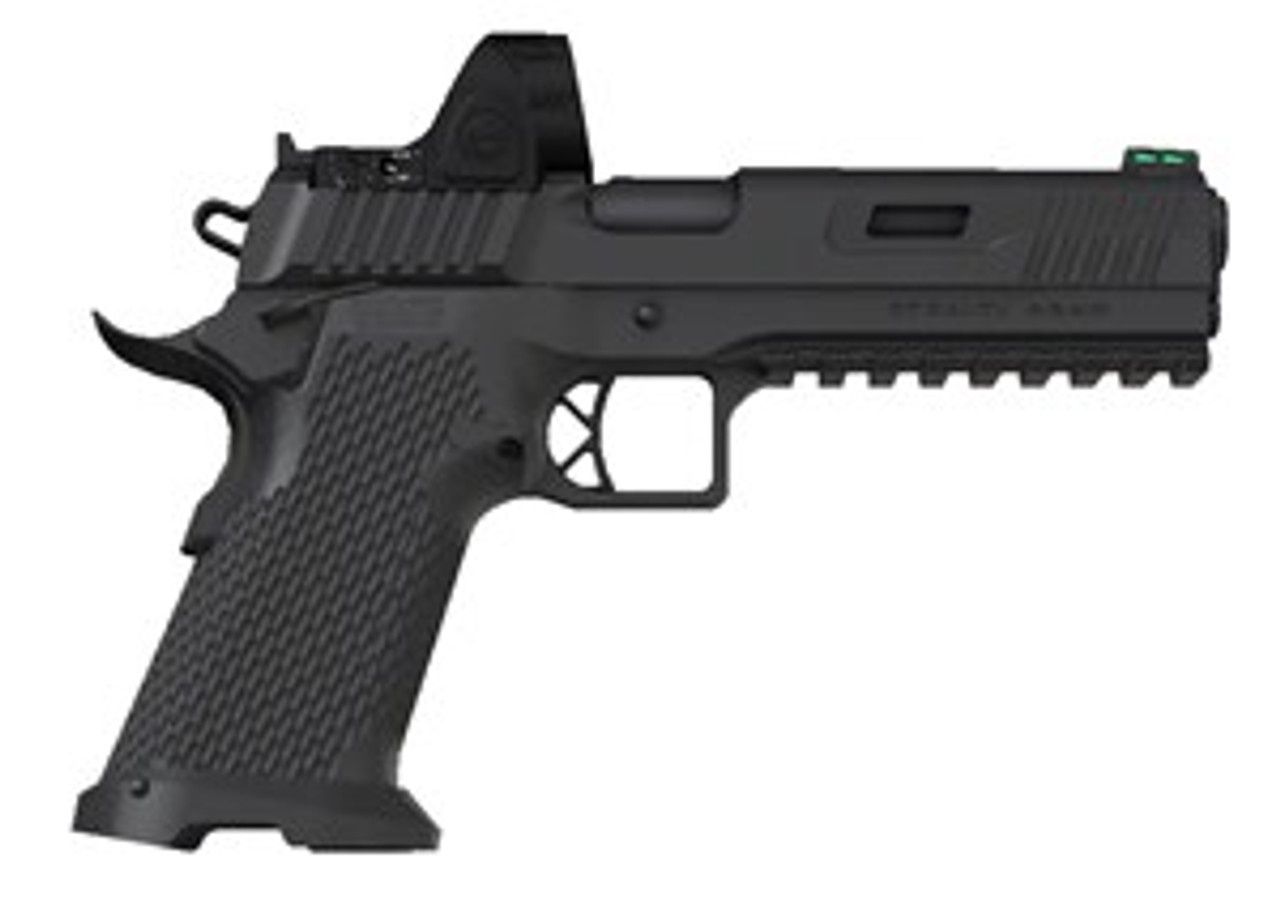
The Platypus pistol, manufactured by Stealth Arms, is a groundbreaking 1911-style semi-automatic handgun that feeds directly from Glock 17-pattern magazines. By engineering a proprietary, high-strength aluminum frame that accommodates...
The Platypus pistol, manufactured by Stealth Arms, is a groundbreaking 1911-style semi-automatic handgun that feeds directly from Glock 17-pattern magazines. By engineering a proprietary, high-strength aluminum frame that accommodates double-stack Glock magazines without altering the classic 1911 grip angle and ergonomics, it bridges the gap between traditional single-stack design and modern high-capacity polymer functionality.
Contents
Understanding the Engineering Paradigm Behind the Platypus
The intersection of the classic 1911 architecture and modern double-stack magazine capacity has long been a pursuit of custom pistol smiths. Traditional double-stack 1911s—often referred to as 2011s—typically rely on proprietary, expensive steel magazines. Stealth Arms disrupted this market by designing the Platypus from the ground up to accept universally available, cost-effective Glock 17 magazines.
To achieve this, the manufacturing process requires precise CNC machining of the billet aluminum frame. The internal magazine well dimensions must taper and transition cleanly to feed 9mm rounds reliably into the traditional 1911 feed ramp geometry. This design eliminates the common reliability bottlenecks associated with retrofitting legacy platforms. Furthermore, users retain the crisp, glass-rod break of a traditional 1911 trigger while doubling their standard magazine capacity from 8 or 10 rounds up to 17 rounds or more, depending on local statutory limits.
Core Technical Specifications and Customization Options
Stealth Arms offers the Platypus through an extensive online builder platform, allowing end-users to specify nearly every component of the firearm. Reviewing the baseline technical framework helps shooters configure a build tailored to competition, duty, or recreational use.
- Caliber: 9x19mm Parabellum.
- Frame Material: Billet 7075-T6 aluminum, offering an optimal strength-to-weight ratio.
- Slide Material: 416 stainless steel with customizable front and rear serrations.
- Barrel Options: Match-grade stainless steel barrels, available in threaded, non-threaded, and bull barrel configurations.
- Operation: Recoil-operated, locked-breech semi-automatic utilizing a traditional 1911 bushing or bull barrel lockup.
- Safety Features: Manual thumb safety (ambidextrous options available) and a functional grip safety.
- Capacity: Standard flush-fit or extended Glock 17-pattern magazines (10, 17, 24, or 33 rounds).
| Component Category | Standard Configuration | Available Custom Upgrades |
|---|---|---|
| Frame Finish | Raw Aluminum / Anodized Black | Cerakote Multi-Cam, Flat Dark Earth, OD Green, Custom Colors |
| Trigger Pull | 3.5 to 4.0 lbs Crisp Break | Tuned Match Trigger, Flat or Curved Shoes |
| Sights | Fixed Combat Sights | Optics Cut (RMR, Holosun, DPP footprints), Suppressor-Height Sights |
| Magwell | Standard Bevel | Aluminum or Steel Extended Magwell for Rapid Reloads |
Evaluating Performance, Accuracy, and Reliability
When assessing a high-end custom or semi-custom handgun, reliability under adverse conditions and mechanical accuracy are paramount. The Platypus benefits from the inherent mechanical advantages of the 1911 platform—namely, a linear, straight-back trigger pull that minimizes lateral movement of the muzzle during the breaking of the shot.
Accuracy testing across various ammunition weights (ranging from 115-grain target loads to 147-grain duty hollow points) consistently yields tight grouping at 25 yards, frequently under 2 inches for mechanical rests. Because the frame is machined to tight tolerances, hand-fitted slide-to-frame interfaces eliminate slop, contributing directly to shot-to-shot consistency.
Reliability is heavily tied to magazine selection. While factory Glock magazines and reputable polymer-reinforced steel alternatives (such as Magpul PMAGs or ETS variants) function well, OEM Glock magazines provide the most consistent feed lip dimensions, ensuring that the 9mm rounds present at the correct angle for the Platypus feed ramp.
Step-by-Step Field Stripping and Maintenance Guide
Proper maintenance ensures the longevity and reliable functioning of precision-machined handguns. Because the Platypus utilizes a 1911-style internal layout, standard disassembly procedures apply, though specific bull barrel or bushing configurations require slight adjustments.
- Safety Verification: Remove the magazine and visually and physically inspect the chamber to ensure the firearm is completely unloaded. Point the muzzle in a safe direction.
- Spring Tension Management (Bushing Model): Push the recoil spring plug down while rotating the barrel bushing clockwise or counter-clockwise depending on the specific guide rod setup, maintaining firm control to prevent the spring from launching.
- Slide Stop Alignment: Retract the slide until the flat notch on the slide aligns precisely with the semi-circular tab of the slide stop pin. Push the slide stop out from the right side of the frame and pull it completely free.
- Slide Removal: Slide the upper receiver assembly forward off the aluminum frame rails.
- Recoil System Removal: Lift the recoil spring guide rod and spring assembly up and out of the rear of the slide tunnel.
- Barrel Removal: Rotate the barrel link forward and pull the match-grade barrel out through the front of the slide.
- Cleaning and Lubrication: Clean carbon fouling from the breach face, slide rails, and barrel hood using a quality solvent. Apply a high-grade synthetic gun oil or grease sparingly to sliding friction points before reassembly in reverse order.
Maintenance Best Practice Aluminum Frame Care: Because the Platypus frame is constructed from high-grade aircraft aluminum rather than traditional carbon or stainless steel, avoid using harsh industrial solvents or ultrasonic cleaners that can strip or degrade anodized or Cerakote finishes. Stick to non-chlorinated cleaners and microfiber cloths.
Comparative Analysis: Stealth Arms Platypus vs. Traditional 2011 Platforms
Choosing between a Platypus and a traditional 2011 platform involves weighing ecosystem costs, magazine availability, and ergonomic preferences.
| Feature / Metric | Stealth Arms Platypus | Traditional 2011 Platform | Standard Glock 17 |
|---|---|---|---|
| Magazine Type | Glock 17 Pattern (Widely Available, Low Cost) | Proprietary Double-Stack Steel (Expensive) | Glock 17 Pattern |
| Grip Material | Aluminum (Integrated into Frame) | Polymer Grip Module (Removable) | Polymer Frame |
| Trigger Mechanism | Single-Action Only (1911 Style) | Single-Action Only (2011 Style) | Striker-Fired |
| Ergonomics / Grip Angle | 1911 Grip Angle (Traditional) | 1911 Grip Angle (Slightly Thicker) | Steep Glock Grip Angle |
| Customization Level | High (Built to Order via Online Configurator) | Varies by Manufacturer and Gunsmith | Aftermarket Slide/Frame Swaps |
Common Troubleshooting and User Considerations
Even with tight manufacturing tolerances, shooters transitioning to the Platypus platform may occasionally encounter specific operational hurdles. Understanding these issues helps streamline the break-in period.
- Failure to Feed during Break-In: New billet frames require a standard 300-to-500 round break-in period. Ensure the pistol is adequately lubricated on the slide rails during this initial phase.
- Magazine Drop Issues: Because Glock magazines vary slightly in exterior dimensions depending on whether they are Gen 4, Gen 5, or aftermarket, ensure the magazine catch engages fully. Adjust or clean the magazine release button if necessary.
- Optics Plate Torque Specifications: When mounting a red dot sight to the custom slide cut, always use a calibrated torque wrench to secure screws to the manufacturer's exact inch-pound specifications, applying a small drop of removable threadlocker (such as blue Loctite) to prevent loosening under heavy recoil.
Practical Recommendations for Prospective Buyers
Investing in a custom-configured handgun like the Stealth Arms Platypus requires clear intent. For competitive shooters participating in USPSA (Limited Optics or Carry Optics divisions depending on configurations) or tactical enthusiasts who already maintain a large inventory of Glock magazines, the Platypus offers unmatched value. It eliminates the financial penalty of purchasing expensive proprietary double-stack 1911 magazines while delivering match-grade accuracy and a superb trigger pull. Configure your build thoughtfully via the manufacturer portal, prioritize OEM Glock magazines for duty or competition use, and maintain a regular cleaning schedule to ensure lifetime performance.
Image Gallery