How the Oxygen Monitor Apple Watch Works
The Apple Watch oxygen monitor uses specialized optical sensors and sophisticated algorithms to measure the percentage of oxygen being carried by your red blood cells. By shining red and infrared light through your wrist and analyzing...
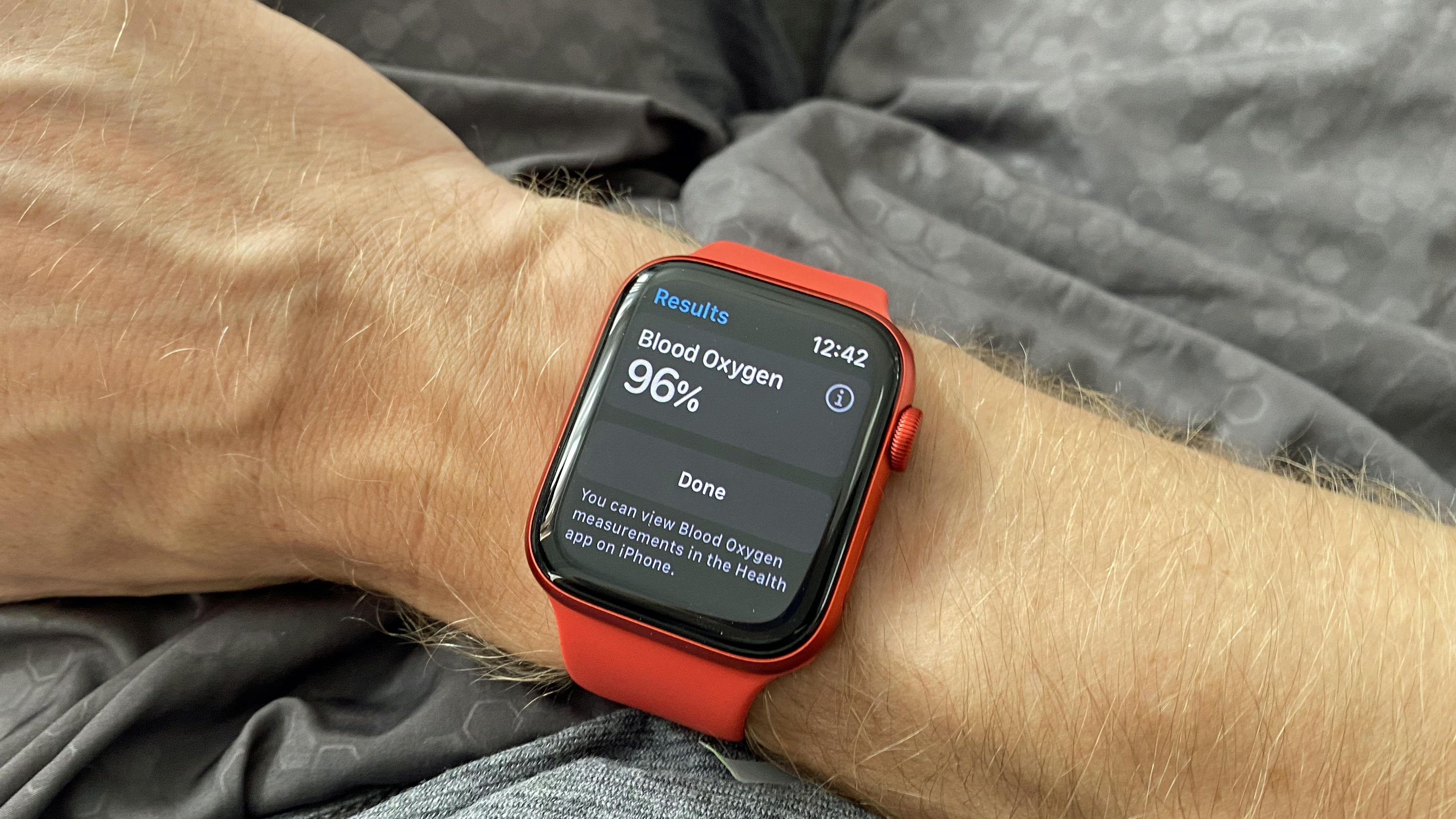
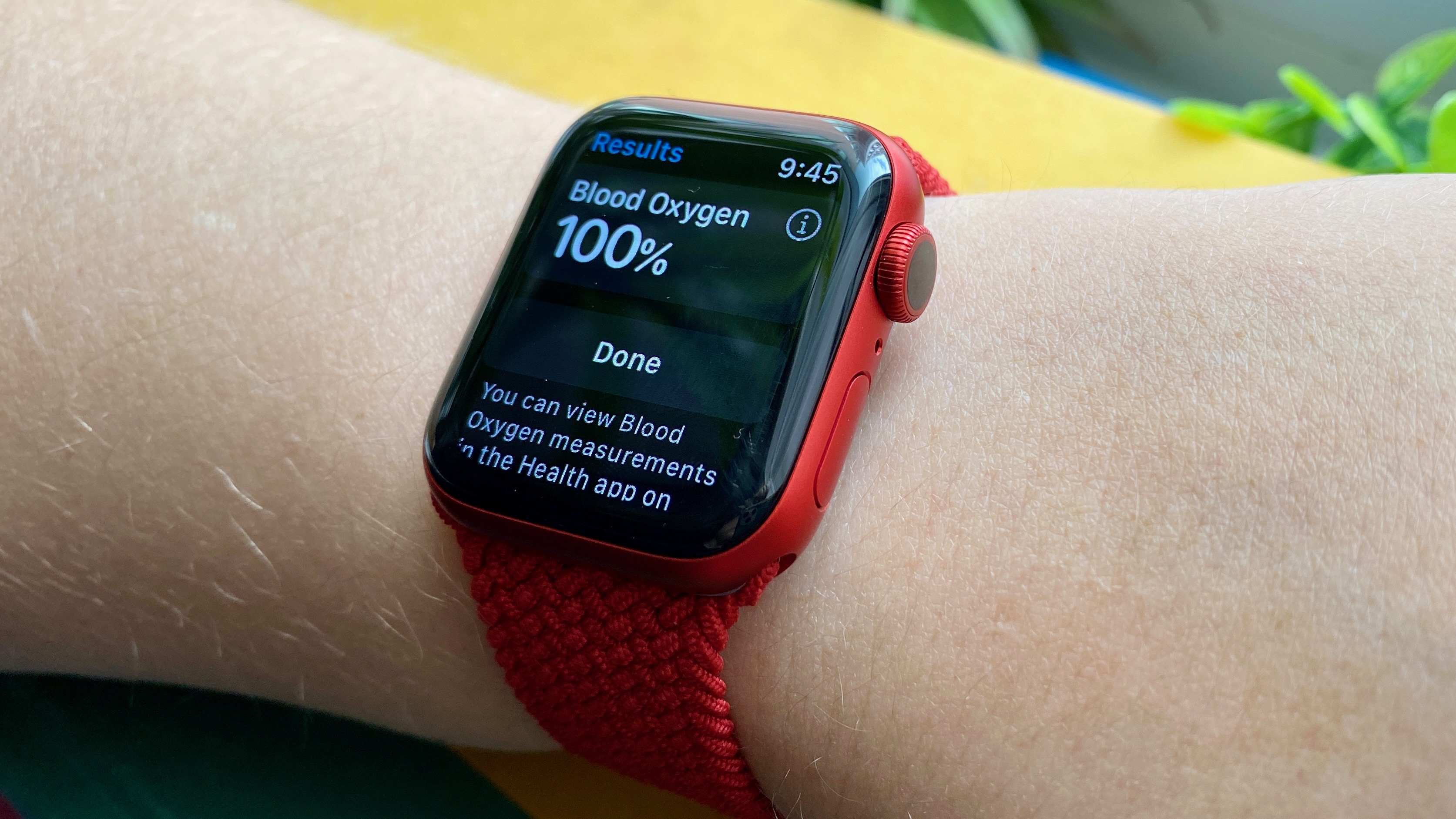
The Apple Watch oxygen monitor uses specialized optical sensors and sophisticated algorithms to measure the percentage of oxygen being carried by your red blood cells. By shining red and infrared light through your wrist and analyzing the reflected light, the device calculates your blood oxygen saturation level in just 15 seconds.
Contents
Understanding how personal wellness technology functions has become a priority for many health-conscious consumers. Among the various health tracking features integrated into modern wearables, blood oxygen monitoring stands out as a sophisticated blend of physics, biology, and computer engineering. This technology brings clinical-style metrics directly to the consumer wrist, transforming a standard timepiece into a proactive wellness monitor.
The Core Technology: Pulse Oximetry Principles
At the heart of the Apple Watch's blood oxygen monitoring feature is a technology known as pulse oximetry. While traditional pulse oximeters are typically placed on a fingertip or an earlobe, the Apple Watch adapts this optical science to be worn comfortably on the wrist. The fundamental premise relies on how different types of blood cells interact with specific wavelengths of light.
Oxygenated blood and deoxygenated blood possess distinct optical properties. Oxygenated hemoglobin absorbs more infrared light and allows more red light to pass through it. Conversely, deoxygenated hemoglobin absorbs more red light and permits more infrared light to pass through. By measuring the ratio of red to infrared light absorbed by the blood pulsating through your wrist capillaries, the device can determine the saturation percentage.
Hardware Architecture: Inside the Crystal Back and Sensors
To achieve accurate optical readings from the wrist, the hardware architecture of the Apple Watch requires a specialized design. The physical sensor array is built directly into the flat ceramic and sapphire crystal back of the watch, ensuring close contact with the skin.
- Apple Watch Sensor Array
- [LED Cluster] --> Shines Red & Infrared Light
- |
- v
- [Skin & Blood] --> Light Absorbed / Reflected
- |
- v
- [Photodiodes] --> Measures Reflected Light Signals
- [LED Cluster] --> Shines Red & Infrared Light
The LED Cluster and Photodiodes
The sensor cluster consists of four clusters of green, red, and infrared LEDs, alongside four photodiodes. While the green LEDs are typically used for standard heart rate monitoring, the red and infrared LEDs are specifically dedicated to blood oxygen measurements.
- Red LEDs: Emit light in the visible red spectrum (approximately 660 nanometers).
- Infrared LEDs: Emit light outside the visible spectrum (approximately 940 nanometers).
- Photodiodes: Act as optical receivers, capturing the light that passes through or reflects off the blood vessels in the wrist.
Skin Contact and Positioning
Because the sensor relies on the reflection of light from the vascular bed beneath the skin, proper physical contact is crucial. The back crystal must maintain steady contact with the top of the wrist. If the watch is worn too loosely, ambient light can leak into the sensors, or shifting placement can distort the light path, leading to failed measurements or inaccurate readings.
Step-by-Step Measurement Process
When a user initiates a blood oxygen reading or allows the watch to take background measurements, a precise sequence of events occurs within fractions of a second.
- Initialization: The user opens the Blood Oxygen app on the watch and remains still, resting their arm on a flat surface.
- Light Emission: The red and infrared LEDs flash in rapid succession, illuminating the tissue and blood vessels beneath the skin.
- Light Capture: The four photodiodes measure the amount of light reflected back from the vascular tissue, accounting for ambient light interference.
- Signal Processing: The raw electrical currents generated by the photodiodes are converted into digital data streams.
- Algorithm Calculation: Advanced custom algorithms analyze the pulsatile signals, filtering out noise caused by movement, skin pigmentation, and vascular variations to compute the final saturation percentage.
- Data Delivery: A reading between 70% and 100% is displayed on the watch face and automatically synchronized with the Health app on the paired iPhone.
Software, Algorithms, and Data Interpretation
Hardware alone cannot deliver a reliable oxygen reading; software algorithms play an equally vital role. The human wrist is a complex anatomical structure containing bone, muscle, tendons, and varying densities of melanin in the skin, all of which affect how light travels through tissue.
Signal Filtering and Noise Reduction
Motion artifact is one of the greatest challenges in wearable pulse oximetry. When a user moves their arm, the distance between the sensors and the skin changes, altering the light reflection patterns. The Apple Watch utilizes accelerometer data to detect body movement and filters out corrupted data frames. Furthermore, algorithms compensate for natural variations in skin tone, ensuring that higher concentrations of melanin do not falsely skew the light absorption calculations.
Background Measurements
In addition to on-demand spot checks, the Apple Watch can periodically measure blood oxygen levels throughout the day and night. These background measurements typically occur when the user is completely still, such as during sleep or periods of inactivity. This continuous tracking helps build a comprehensive longitudinal profile of respiratory wellness over weeks and months.
Comparison of Blood Oxygen Measurement Methods
To understand how the wrist-based Apple Watch implementation compares to other methods, consider the following breakdown of common oxygen monitoring technologies.
| Monitoring Method | Primary Location | Typical Accuracy | Convenience Factor | Use Case |
|---|---|---|---|---|
| Medical Pulse Oximeter | Fingertip / Earlobe | High (Clinical Grade) | Moderate (Requires manual placement) | Clinical diagnosis, spot-checking |
| Apple Watch Sensor | Wrist | Moderate to High (Wellness Grade) | High (Continuous background wear) | Fitness tracking, wellness trends |
| Arterial Blood Gas (ABG) | Hospital Laboratory | Highest (Gold Standard) | Low (Requires invasive blood draw) | Critical care, acute hospital settings |
Operational Limitations and Environmental Factors
While the technology is remarkably advanced, users must understand the inherent limitations of wrist-based optical oximetry. Various physiological and environmental factors can impact the success rate or accuracy of a reading.
- Skin Perfusion: Blood flow to the skin varies based on temperature and medical conditions. If your hands are cold, blood flow to the wrist capillaries decreases, reducing the signal strength available for the sensors.
- Tattoos and Pigmentation: Heavy ink, dark tattoos, or permanent pigmentation under the wrist can significantly block or alter the absorption of light, often rendering the sensor unable to obtain a reading.
- Motion and Placement: Excessive movement during the 15-second countdown will abort the measurement. Similarly, wearing the watch too far down the arm or over the wrist bone can degrade performance.
- Medical Disclaimer: The Apple Watch blood oxygen feature is designed strictly for general fitness and wellness purposes. It is not a medical device, nor is it intended for clinical diagnosis, disease mitigation, or treatment monitoring.
Frequently Asked Questions
How long does an Apple Watch blood oxygen reading take?
A manual spot-check measurement takes exactly 15 seconds. During this time, you must keep your arm resting flat on a table or your lap and remain as still as possible to ensure the optical sensors capture a clean, uninterrupted signal.
Can I use the blood oxygen feature to diagnose medical conditions?
No. The blood oxygen monitor on the Apple Watch is intended solely for general wellness and fitness purposes. It is not cleared or approved by regulatory bodies like the FDA for medical diagnosis, and it should never be used to self-diagnose respiratory conditions or replace professional medical equipment.
Why do my blood oxygen readings fail or stop midway?
Readings commonly fail due to movement, improper watch placement, or poor skin perfusion caused by cold hands. Ensuring the watch band is snug—positioned above the wrist bone—and keeping your arm steady on a flat surface typically resolves measurement errors.
Do skin tattoos affect the accuracy of the oxygen monitor?
Yes. The ink from tattoos can block, scatter, or absorb the red and infrared light emitted by the sensor, preventing the photodiodes from receiving accurate reflection data. In many cases, tattooed skin will prevent the watch from taking a measurement altogether.
How does the watch measure oxygen without drawing blood?
The device uses optical non-invasive technology known as pulse oximetry. By shining specific wavelengths of red and infrared light through the skin and measuring how much light is reflected back by the blood cells, the watch calculates saturation levels mathematically without requiring a physical blood sample.
Conclusion and Practical Next Actions
The Apple Watch oxygen monitor represents an impressive feat of consumer engineering, packaging complex optical physics into a compact wearable device. By understanding that the sensor relies on light absorption, proper physical fit, and sophisticated software filtering, users can get the most reliable wellness data possible.
If you plan to utilize this feature regularly, ensure your watch band is properly adjusted, keep your arm stable during spot checks, and review your trends in the paired iPhone Health app. Always consult a qualified healthcare professional if you have concerns about your respiratory health or blood oxygen levels.
Image Gallery