Understanding Foundation Repair in Chico, California: Identification and Mitigation Strategies
Foundation repair in Chico, California, involves addressing structural instability caused by the unique interplay of the region’s expansive clay soils, historical seismic activity, and varying water table levels. Homeowners must priori...
Foundation repair in Chico, California, involves addressing structural instability caused by the unique interplay of the region’s expansive clay soils, historical seismic activity, and varying water table levels. Homeowners must prioritize professional geotechnical assessment, ensure compliance with local building codes, and select repair methodologies—such as piering or slab stabilization—that align with the specific structural needs of Northern California residential architecture.
Contents
Geological Context and Foundation Vulnerability
Chico sits in a region characterized by significant variations in soil composition. Much of the local terrain contains expansive clay, a soil type that undergoes dramatic volume changes depending on moisture content. During the wet winter months, these soils swell, exerting upward pressure on concrete slabs and perimeter footings. As the hot, arid summer months progress, the soil contracts, leaving voids beneath the structure.
This "heave and settle" cycle is the primary driver of foundation distress in Butte County. Over time, this movement causes differential settlement, where one part of the house sinks at a different rate than another. When combined with the regional potential for seismic events—characteristic of the broader Northern California landscape—these soil-related stresses can lead to significant cracks in drywall, misaligned door frames, and compromised structural integrity.
Signs That Your Foundation Requires Professional Inspection
Identifying foundation issues early can prevent a minor settlement problem from becoming a total structural failure. Homeowners should look for consistent indicators rather than isolated hairline cracks, which may only be cosmetic.
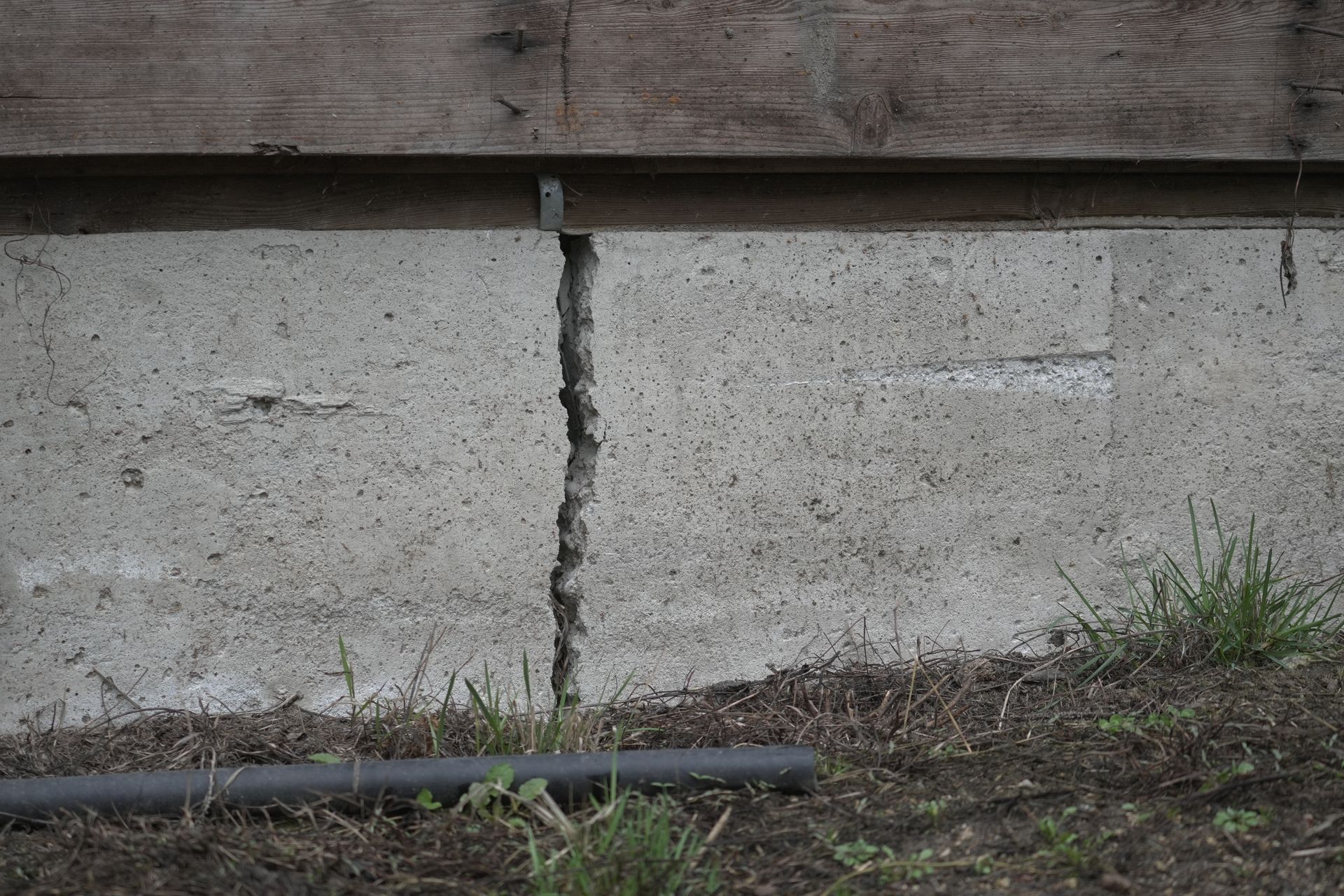
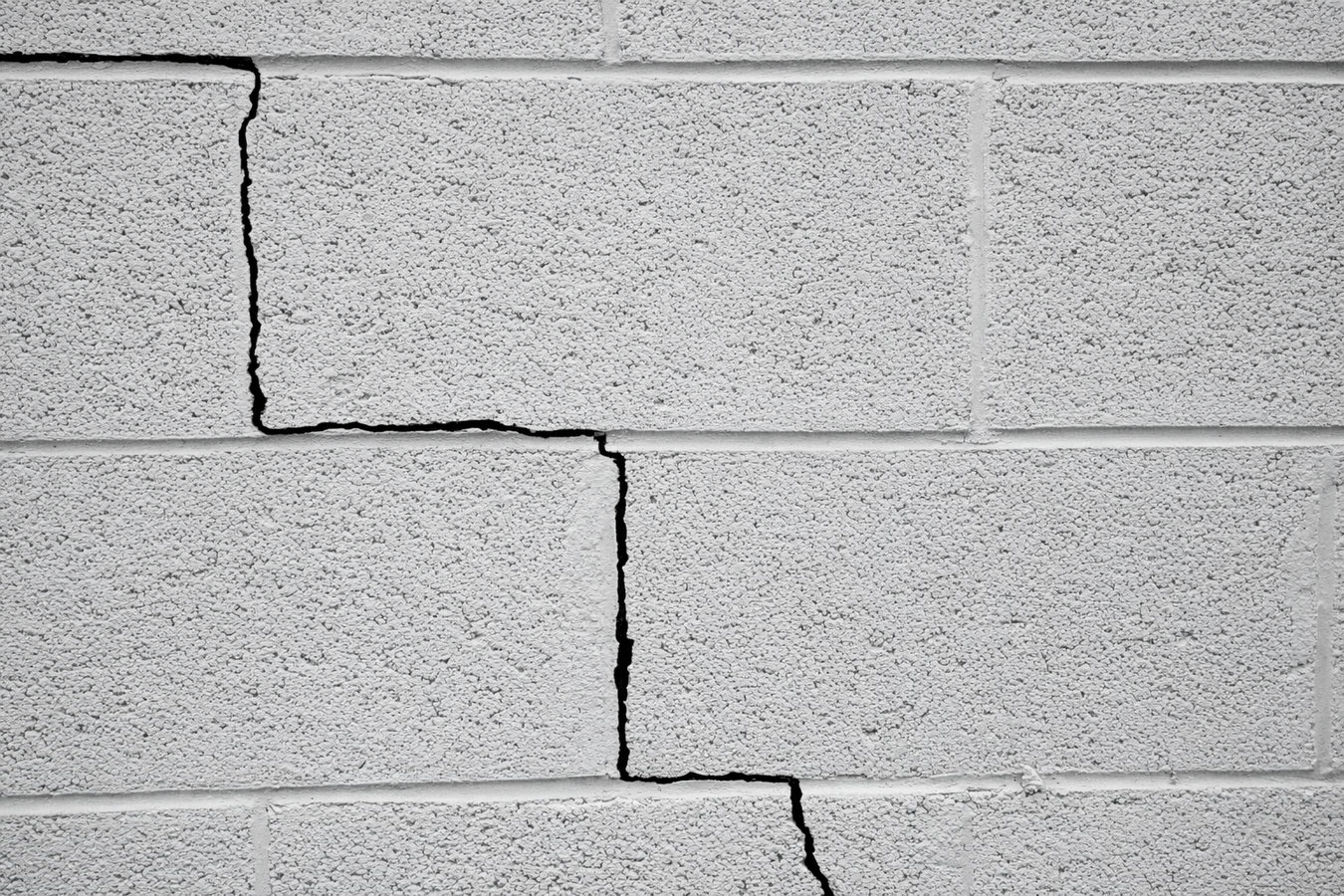
- Vertical or Stair-Step Cracking: Diagonal cracks in masonry, concrete blocks, or brick veneer often signify differential settlement.
- Door and Window Binding: If your interior doors become difficult to latch or windows stick, it may indicate that the frame has racked due to foundation shifting.
- Floor Slope and Unevenness: Using a simple level or watching how a marble rolls across a floor can indicate a slope that exceeds standard building tolerances.
- Chimney Separation: If there is a visible gap between the chimney stack and the main siding of the house, the foundation beneath the chimney may be pulling away from the home.
- Gaps Around Exterior Trim: Separation between the siding and the foundation or at the corners of the home is a classic sign of perimeter footing movement.
Common Foundation Repair Methodologies
Repair strategies are determined by the cause of the failure and the type of foundation—typically slab-on-grade, raised perimeter foundation, or pier-and-beam.
1. Steel Piering (Underpinning)
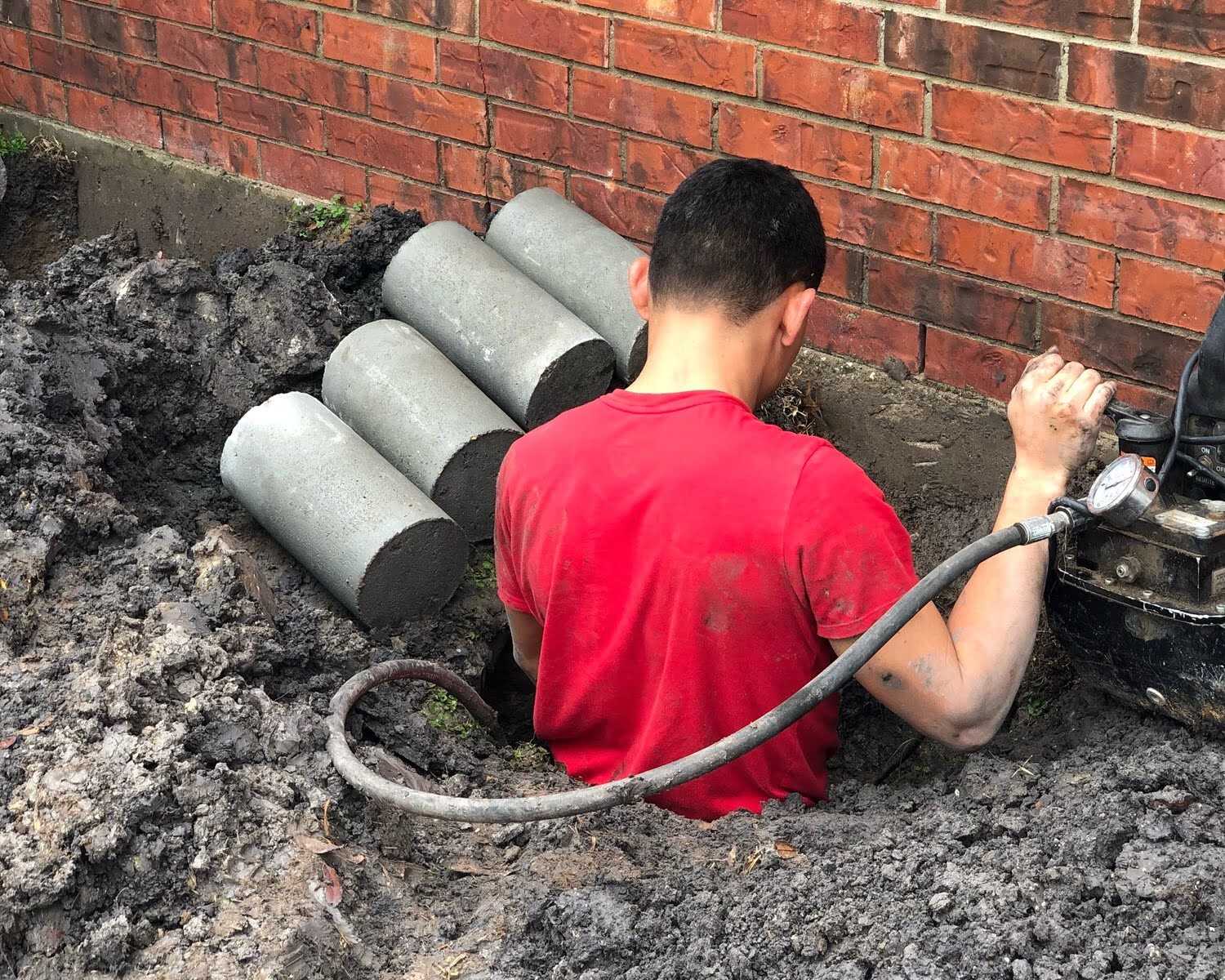
Used when a home is settling due to soil instability, steel piers are driven through the soft or unstable soil layers until they reach load-bearing strata or bedrock. The weight of the home is then transferred onto these piers. This is a highly effective, permanent solution for homes experiencing significant downward movement.
2. Slab Jacking (Mudjacking or Polyurethane Injection)
For concrete slabs that have settled, pressure injection is often employed. Historically, this involved pumping a concrete slurry ("mud") beneath the slab to fill voids. Modern methods in 2026 frequently utilize high-density polyurethane foam. This material is lightweight, cures rapidly, and expands to fill voids, providing a stable base for the slab without adding excessive weight to the soil.
3. Foundation Piering and Wall Bracing
For homes with crawlspaces and stem-wall foundations, lateral pressure from saturated soil can cause walls to bow or tilt inward. Carbon fiber straps or steel I-beams are often installed to stabilize the wall and prevent further inward bowing, effectively anchoring the foundation against the soil pressure.
Comparative Overview of Foundation Solutions
| Solution | Best Used For | Typical Primary Benefit |
|---|---|---|
| Steel Piering | Severe settlement/sinking | Transfers weight to stable strata |
| Polyurethane Injection | Slab voids / Minor settling | Rapid cure time; non-invasive |
| Helical Piers | Light-to-medium residential | Minimal vibration during install |
| Carbon Fiber Straps | Bowing basement/stem walls | Slim profile; high tensile strength |
The Role of Drainage and Soil Management
Regardless of the repair method selected, the foundation will continue to be at risk if the moisture profile of the soil is not controlled. Proper site drainage is the most cost-effective "repair" a homeowner can implement.
- Gutter Extensions: Ensure that all roof runoff is diverted at least 6 to 10 feet away from the home’s perimeter.
- Grading: The soil around the foundation should slope away from the structure at a minimum grade of 5% for the first 10 feet.
- French Drains: In areas where Chico’s heavy winter rains cause standing water near the foundation, a professional drainage system (French drain) can help move subsurface water away from the footings.
Selecting a Contractor in Butte County
When engaging a foundation contractor in 2026, verification is essential to avoid substandard repairs that could hinder future property resale.
- Contractor’s State License Board (CSLB): Always verify that the contractor holds an active license for concrete or foundation specialization in California.
- Engineering Reports: For significant structural repairs, insist on a report from a licensed structural engineer. A professional engineer (PE) provides an objective assessment of whether a home needs piers, soil stabilization, or simple drainage corrections, preventing unnecessary work.
- Warranty Documentation: Reputable firms offer transferable warranties. Read these carefully to understand what is covered—specifically looking for language regarding "material versus workmanship" defects.
Frequently Asked Questions
Does homeowners insurance cover foundation repair in Chico? Generally, no. Most standard homeowners insurance policies in California exclude "earth movement," including settlement, expansion, or contraction of the soil. Coverage is usually only provided if the foundation failure is a direct result of a covered peril, such as a burst pipe under the slab. Always check your specific policy disclosure documents.
How long does foundation repair usually take? Simple polyurethane injection can often be completed in one to two days. More extensive underpinning projects that require deep steel piers can take anywhere from three days to two weeks depending on the footprint of the home and the depth required to reach stable soil.
Will foundation repairs affect my home's property value? Disclosed, professionally engineered, and permitted repairs often increase the marketability of a home. A house with a stabilized, warrantied foundation is viewed as a safer asset than one with known, unaddressed cracks and shifting.
Is a building permit required for foundation work? Yes. In almost every jurisdiction within the City of Chico and Butte County, structural foundation repairs require a permit. Working without one can lead to significant issues during future real estate transactions, as home inspectors will flag non-permitted structural modifications.
What is the "heave" phenomenon in Chico soils? Heave is the opposite of settlement. It occurs when expansive clay absorbs significant moisture and pushes upward with tremendous force. This can lift a foundation, causing cracks that look similar to settlement cracks but require different mitigation strategies, such as moisture control rather than vertical support.
Next Steps for Homeowners
If you suspect foundation distress, your first step should be to monitor the cracks over a 30-day period. Mark the ends of existing cracks with a pencil to see if they continue to propagate. If movement is detected, engage a local structural engineer for a non-biased evaluation before soliciting bids from foundation contractors. By obtaining an independent engineering report first, you ensure that any quotes you receive are based on a specific, verified scope of work, protecting both your structural investment and your financial interests.
Image Gallery