How to Go on a Cruise for Cheap: A Strategic Guide for 2026
Going on a cruise for cheap requires a combination of booking at the right time—either during "Wave Season" or within 90 days of sailing—and selecting off-peak itineraries like repositioning cruises. By prioritizing older ships and "gu...
Going on a cruise for cheap requires a combination of booking at the right time—either during "Wave Season" or within 90 days of sailing—and selecting off-peak itineraries like repositioning cruises. By prioritizing older ships and "guarantee" inside cabins, travelers can often secure fares under $70 per person, per day, excluding taxes and gratuities.
Contents
Mastering the Timing of Your Booking
The cruise industry operates on a supply-and-demand model that heavily penalizes last-minute planners, with one notable exception. To secure the lowest possible fare, you must either book exceptionally early or wait for the "final payment" window to pass.
The 90-Day Last-Minute Window
Most cruise lines require final payment from booked passengers 90 days before the ship sets sail. Once this deadline passes, cruise lines have a clear picture of their remaining inventory. To ensure the ship sails at full capacity—which is vital for their onboard revenue model—lines frequently slash prices on remaining cabins. In 2026, travelers monitoring these 90-day windows can find significant discounts on Caribbean and Mediterranean routes, provided they are flexible with their cabin location and ship choice.
Wave Season and Early Bird Incentives
"Wave Season" occurs annually between January and March. During this period, cruise lines launch their most aggressive marketing campaigns to fill their calendars for the remainder of the year. While the base fare might not always be at an all-time low, the "value-adds" are peak during this time. Look for offers that include free Wi-Fi, beverage packages, or pre-paid gratuities. When you calculate the total cost of the vacation, a slightly higher base fare with these inclusions often results in a cheaper overall trip than a "budget" fare where every soda and internet minute is charged à la carte.
Leveraging Repositioning Cruises for Maximum Value
Repositioning cruises are the single most effective "hack" for budget travelers. These one-way voyages occur when a cruise line moves a ship from one seasonal homeport to another—for example, moving a ship from the Caribbean to Alaska in the spring, or from Europe to the Caribbean in the autumn.
Because these itineraries involve more days at sea and fewer port calls, they are often priced significantly lower than standard round-trip cruises. In 2026, a 14-day Transatlantic repositioning cruise can sometimes cost less than a standard 7-day Caribbean cruise.
Why Repositioning Cruises are Cheap:
- Reduced Port Fees: Since the ship visits fewer ports, the taxes and port expenses passed on to the passenger are lower.
- One-Way Logistics: Many travelers avoid these because they require a one-way international flight, which can be expensive. However, if you use airline miles or book well in advance, the combined cost of the flight and the low cruise fare often beats a standard vacation package.
- Target Demographics: These cruises often appeal to retirees or remote workers who have the time for 10 to 15 days at sea, leading to lower demand from the general public.
Choosing the Right Ship and Cabin Category
The age and size of the ship play a massive role in the pricing structure. In 2026, the newest "mega-ships" featuring roller coasters and massive water parks command premium prices. If your goal is to cruise for cheap, you must look toward the older, smaller vessels in the fleet.
The Value of Older Ships
Ships built between 2005 and 2015 offer a fantastic balance of modern amenities and budget pricing. These vessels have usually undergone "amplification" or dry-dock renovations to keep them competitive, but they lack the hype of the newest flagship vessels. You will often find that a balcony room on a 15-year-old ship costs less than an inside room on a brand-new ship.
The "Guarantee" Cabin Strategy
When booking, you can choose a specific cabin number or opt for a "Guarantee" (GTY) cabin. By selecting a guarantee, you are essentially telling the cruise line: "I will take any cabin in this category (or better) that you have left."
The risk is that you might end up in a cabin at the very front of the ship or above a noisy nightclub. The reward is a lower base price—sometimes $50 to $100 less per person—and the possibility of a "free" upgrade. If the cruise line sells out of the category you guaranteed, they must move you up to a higher category at no extra charge.
Understanding the "True Cost" Beyond the Base Fare
A common mistake for budget travelers is looking only at the "sticker price" of a cruise. In 2026, the cruise industry has become highly efficient at unbundling services. To truly go on a cruise for cheap, you must account for the following "hidden" costs:
| Expense Type | Estimated Cost (2026) | How to Minimize |
|---|---|---|
| Daily Gratuities | $18.00 – $22.00 per person/day | Check for "Free Gratuities" promotions during Wave Season. |
| Port Fees & Taxes | $150.00 – $300.00 per person | Choose itineraries with fewer port stops or less expensive ports (e.g., Cozumel vs. Grand Cayman). |
| Wi-Fi Access | $20.00 – $30.00 per day | Stay disconnected or use free Wi-Fi at port cafes and libraries. |
| Beverages | $10.00 per cocktail / $4.00 per soda | Bring the allowed amount of wine/soda on board (varies by line). |
| Shore Excursions | $75.00 – $250.00 per person | Explore ports on foot or book through local independent operators. |
The Gratuity Factor
Most major lines (Carnival, Royal Caribbean, NCL) automatically add a daily service charge to your onboard account. This is not optional in most cases, and it can add nearly $300 to the total cost for a couple on a 7-day cruise. When comparing prices, always factor this in. Some lines, like Virgin Voyages or certain European lines (like MSC in specific markets), include gratuities in the base fare, which might make them cheaper in the long run even if the initial price looks higher.
Strategic Geographical Selection
Where you cruise is just as important as when you cruise. Certain regions are perpetually cheaper due to high competition among cruise lines.
- The Caribbean (Western and Eastern): Because so many ships are stationed here year-round, prices remain competitive. The "Cheapest" months are usually September and October (peak hurricane season) and the first two weeks of December.
- The Mexican Riviera: Cruises departing from Los Angeles or San Diego to Cabo San Lucas and Puerto Vallarta are often priced aggressively to compete with land-based Mexican resorts.
- Short "Sampler" Cruises: 3-day and 4-day cruises to the Bahamas are frequently used by cruise lines to introduce new customers to the brand. While the per-night cost might be slightly higher, the total out-of-pocket cost is the lowest you will find.
Avoiding Onboard Spending Traps
Once you are on the ship, the "cheap" cruise can quickly become expensive if you aren't disciplined. Cruise lines are masters of psychological pricing; since you are using a waterproof wristband or card to pay, it doesn't feel like "real" money until the final bill arrives.
- Skip Specialty Dining: Every ship has a main dining room and a buffet included in the fare. These offer high-quality meals that are already paid for. Avoid the $40-$60 per person surcharges for steakhouses or sushi bars.
- The Drink Package Math: A drink package often costs $60 to $100 per day. Unless you plan on drinking 6 to 9 alcoholic beverages every single day, it is almost always cheaper to pay as you go.
- DIY Excursions: Cruise-sponsored shore excursions come with a significant markup for the convenience and "guaranteed return" to the ship. You can often find the same tours or transportation options at the pier for 40% less. Just ensure you leave plenty of time to get back before the gangway closes.
Frequently Asked Questions
Is it cheaper to book through a travel agent or directly with the cruise line?
In 2026, the base fare is typically the same across all platforms due to parity agreements. However, travel agents often have access to "group space" or can offer "onboard credit" (OBC) as a kickback from their commission. This OBC can be used to pay for your gratuities or drinks, making the agent the cheaper option overall.
Are solo travelers able to find cheap cruise deals?
Cruising is notoriously expensive for solo travelers because of the "Single Supplement," where one person pays for the cost of two people in a cabin. To cruise for cheap as a solo, look for ships that have dedicated "Studio" or "Solo Inside" cabins (notably on NCL, Virgin Voyages, and some newer Royal Caribbean ships).
What is the cheapest month to go on a cruise?
Generally, the cheapest months are those when children are in school and there are no major holidays. This includes the period immediately following New Year’s Day through early February, the month of May (before summer break), and the window between Labor Day and mid-December (excluding Thanksgiving).
Can I save money by booking a "Guaranteed" cabin?
Yes, booking a "Guarantee" cabin is one of the most reliable ways to save money. You sacrifice the ability to choose your deck or proximity to the elevator in exchange for a lower price. It is ideal for those who don't spend much time in their room.
Do cruise prices drop as the sailing date approaches?
They can, but it is a gamble. If a ship is nearly full, prices will actually skyrocket in the final weeks. The "sweet spot" for price drops is typically between 60 and 90 days before departure, which coincides with the final payment deadline for existing bookings.
Practical Recommendation for Budget Cruisers
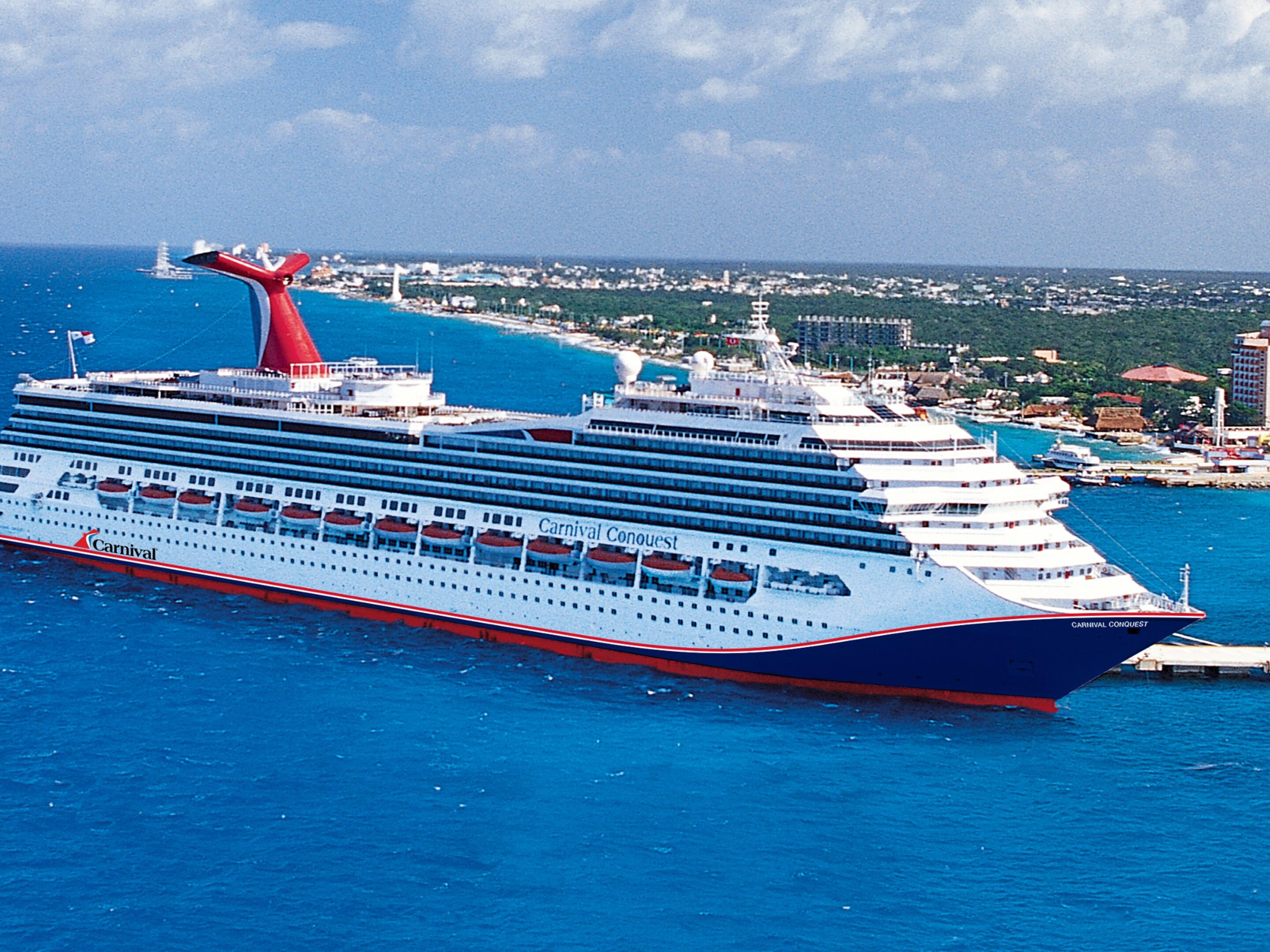
For the absolute lowest price in 2026, target a 7-day Western Caribbean cruise on an older vessel (such as a Carnival Conquest-class or Royal Caribbean Voyager-class ship) during the first two weeks of December. Book an Inside Guarantee cabin through a travel agent who offers onboard credit. This combination minimizes the base fare, leverages the low-demand pre-holiday season, and uses agency perks to offset the cost of daily gratuities.
Image Gallery