Why the Lumberyard Game Engine Is No Longer Viable
Amazon’s Lumberyard game engine is no longer viable for modern development due to outdated foundational architecture, significant performance bottlenecks inherited from its CryEngine roots, and Amazon Web Services (AWS) shifting its st...
Amazon’s Lumberyard game engine is no longer viable for modern development due to outdated foundational architecture, significant performance bottlenecks inherited from its CryEngine roots, and Amazon Web Services (AWS) shifting its strategic focus entirely toward Open 3D Engine (O3DE) and broader cloud infrastructure.
Contents
Introduction to Amazon Lumberyard and Its Origins
Announced by Amazon in 2015, Lumberyard emerged as a major entry into the games middleware market. Built upon a heavily modified version of Crytek’s CryEngine—licensed in a deal reportedly worth tens of millions of dollars—Amazon intended to offer Lumberyard as a free, feature-rich proprietary game engine. The core value proposition tied directly into Amazon’s ecosystem: developers could build games seamlessly integrated with AWS for backend hosting, multiplayer networking via Amazon GameLift, and Twitch integration for community broadcasting.
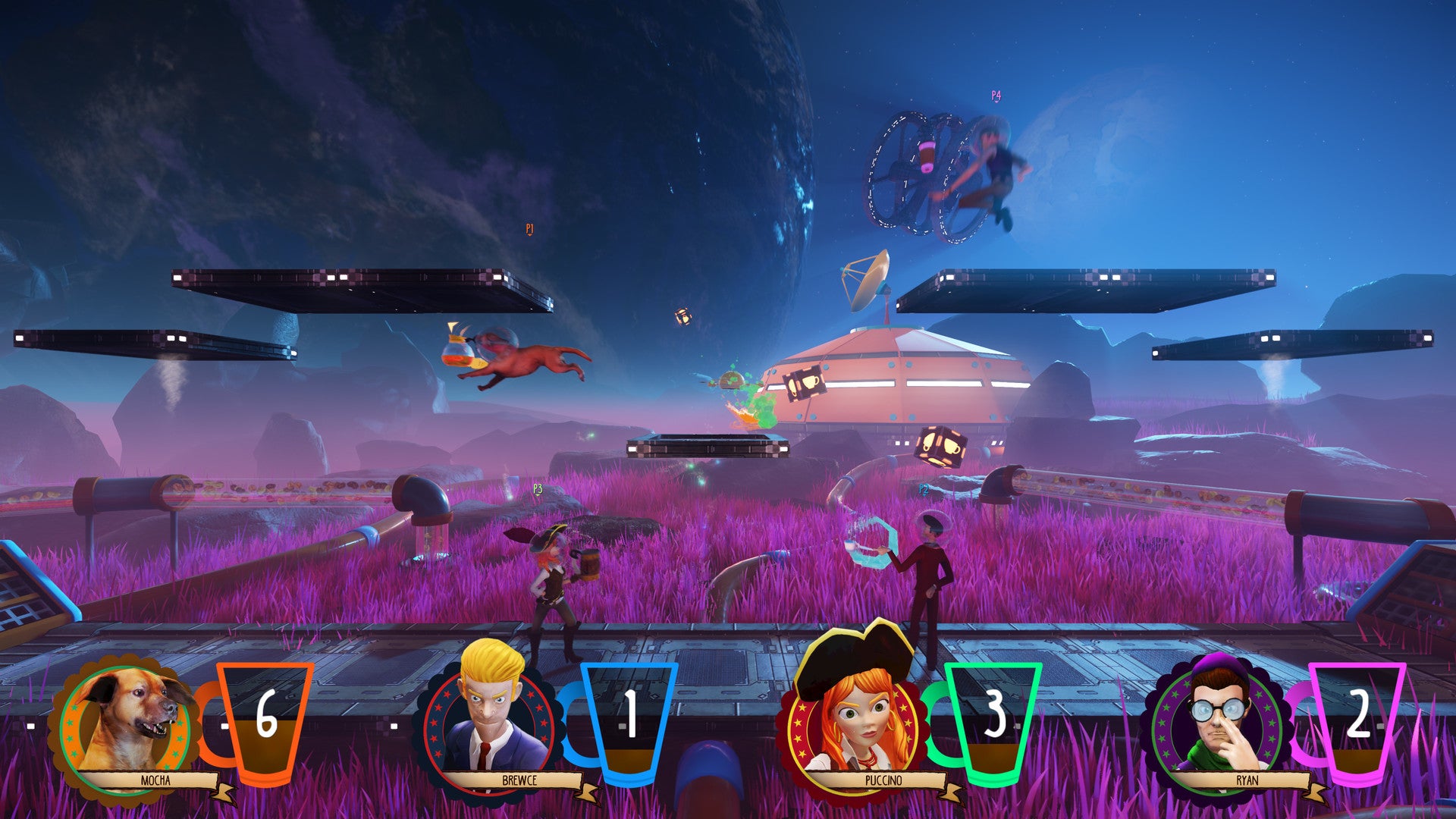
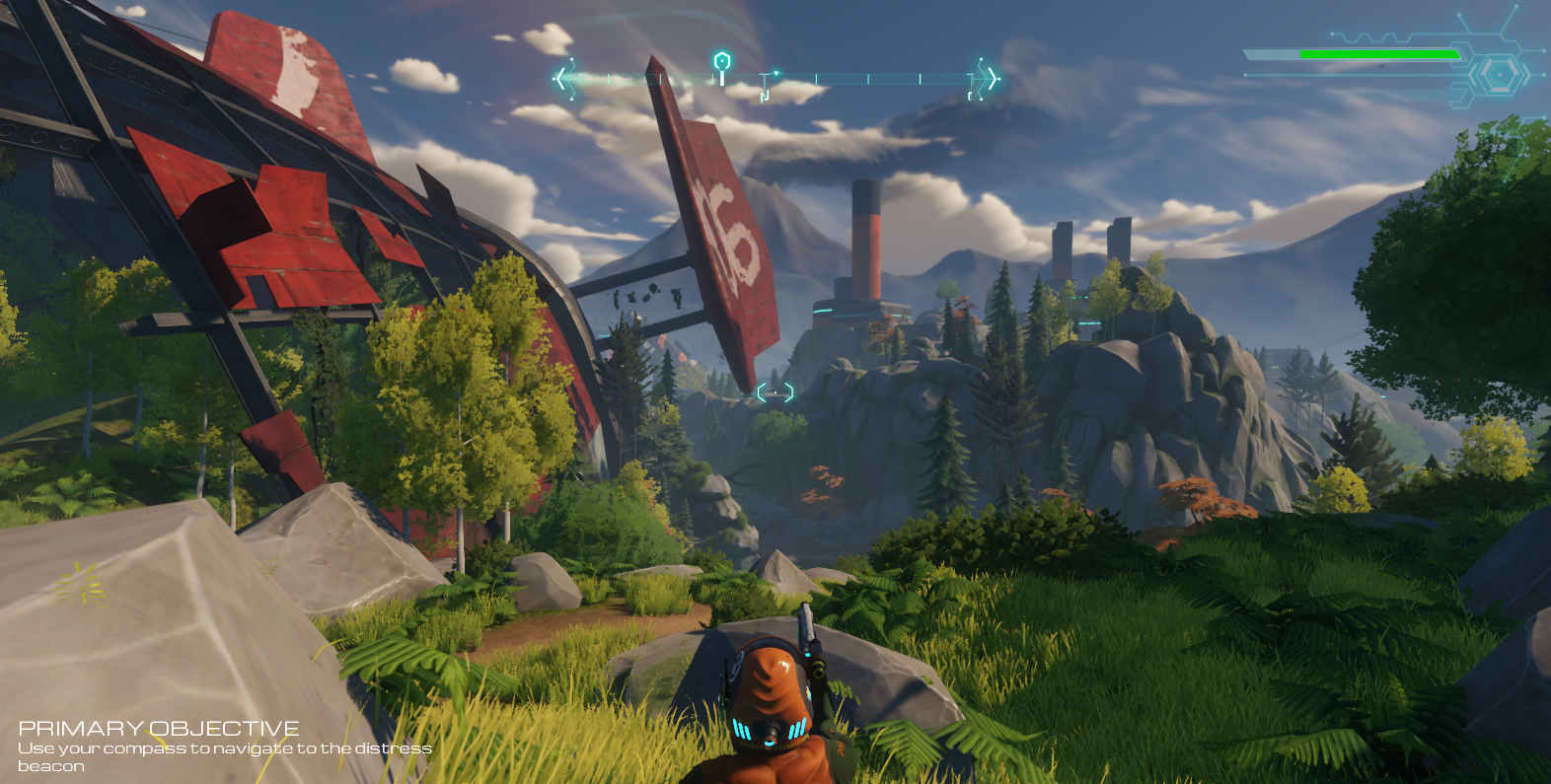
However, the game development landscape shifts rapidly. Over the subsequent years, technical debt, slow iteration cycles, and architectural inflexibility hampered adoption. While studios occasionally experimented with the technology—most notably for internal titles like New World—external adoption remained remarkably low. By transitioning its active open-source efforts to O3DE under the Linux Foundation, Amazon effectively deprecated Lumberyard, leaving studios with an abandoned codebase that cannot compete with modern alternatives like Unreal Engine 5 or Unity.
Core Architectural Limitations and Technical Debt
At the heart of Lumberyard’s obsolescence lies its architectural lineage. Inheriting the core of CryEngine meant inheriting a monolithic framework heavily optimized for linear, first-person shooter experiences rather than the diverse requirements of modern multi-genre titles, large-scale open worlds, or mobile platforms.
The CryEngine Legacy and Component Model Challenges
When Amazon acquired the rights to CryEngine, the engine was renowned for its peerless graphical fidelity, particularly regarding dynamic lighting, vegetation rendering, and expansive outdoor environments. However, CryEngine's legacy systems were notoriously difficult to modify, poorly documented, and rigid.
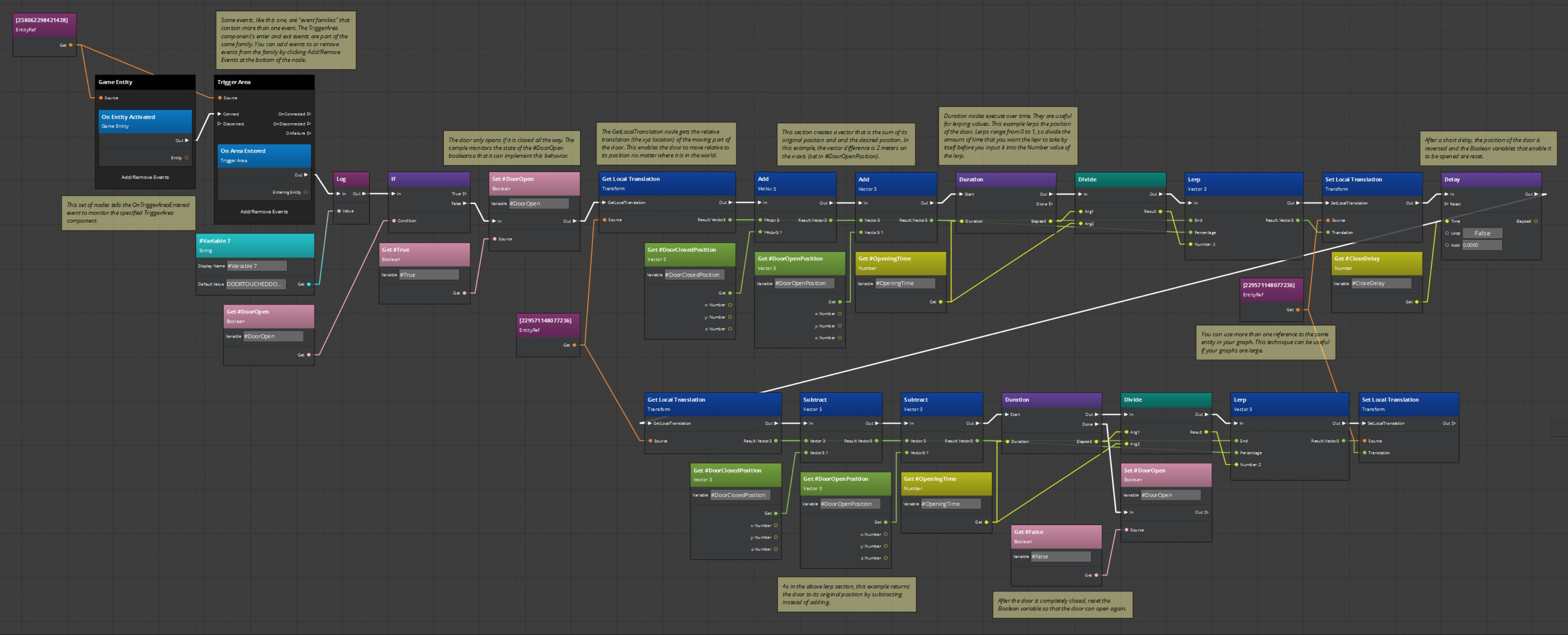
Amazon attempted to modernize this codebase by introducing a new modular component entity system, attempting to move away from legacy monolithic entity structures. While this improved flexibility, it created a hybrid architecture where developers had to navigate two distinct programming paradigms simultaneously:
- Legacy Systems: Monolithic C++ systems that were tightly coupled, making dependency management complex and error-prone.
- Modern Component Entity System: A modular approach implemented later in the engine's lifecycle, which often lacked deep integration with legacy rendering and physics pipelines.
This duality resulted in steep learning curves for engineering teams, unstable builds, and debugging cycles that frequently stalled production pipelines.
Networking Bottlenecks and GridMate Shortcomings
Multiplayer capability represents a cornerstone of modern game development, particularly for live-service titles. Lumberyard attempted to solve this through GridMate, its proprietary networking solution, alongside integrations with Amazon GameLift for server orchestration.
In practice, GridMate proved difficult to scale and maintain. Unlike Unreal Engine’s battle-tested replication system or dedicated middleware solutions like Photon, GridMate lacked robust out-of-the-box support for complex client-server prediction, bandwidth optimization, and high-concurrency state synchronization. Developers working on large-scale multiplayer projects frequently reported spending more time writing custom networking wrappers around GridMate than building game features.
Shift in Amazon's Strategic Vision: From Lumberyard to O3DE
Corporate strategy played as significant a role in Lumberyard’s demise as technical limitations. Maintaining a proprietary, AAA-grade game engine requires immense, continuous capital and engineering investment. As competition intensified between Epic Games and Unity Technologies, Amazon reevaluated its position in the games middleware sector.
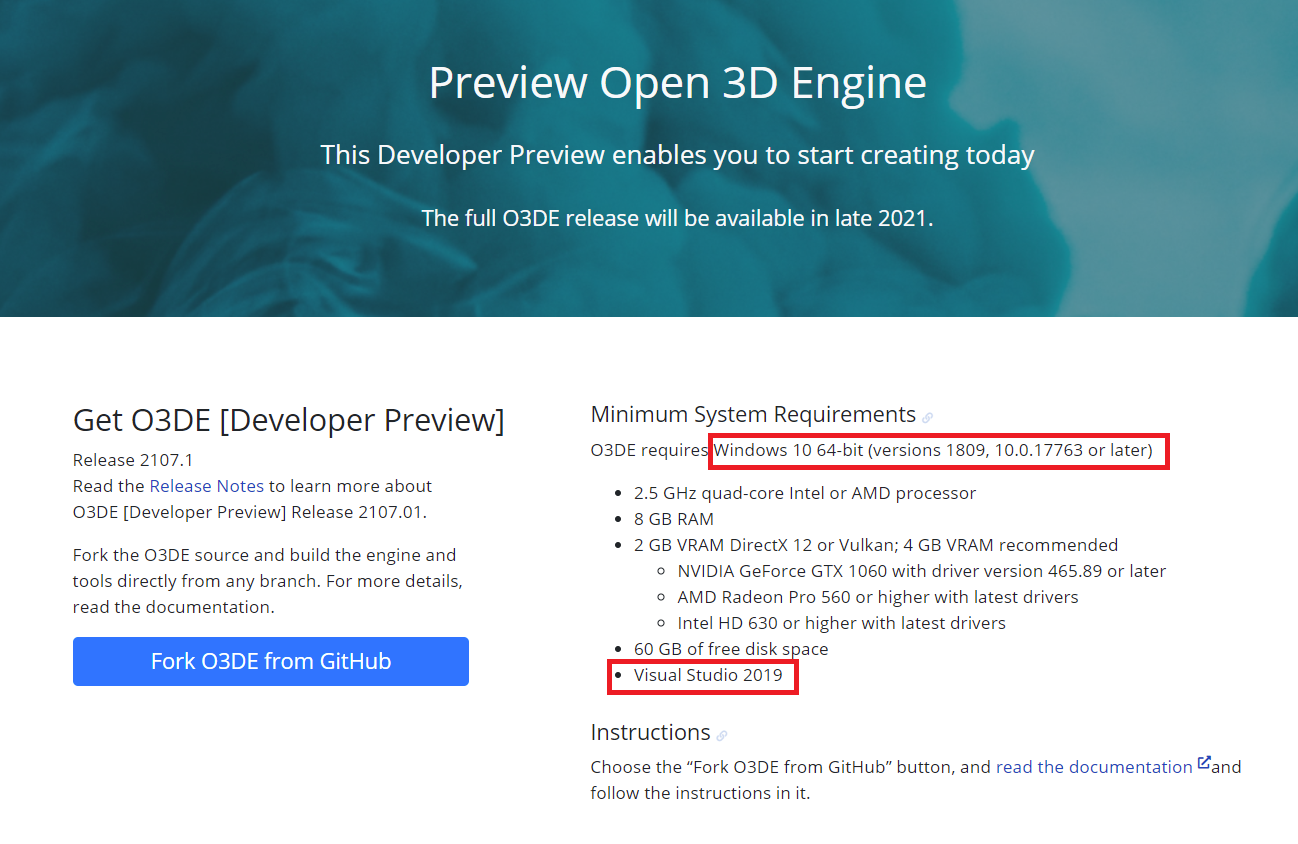
Instead of competing directly with Unreal Engine’s aggressive revenue models and Unity’s cross-platform ubiquity, Amazon made a pivotal pivot in 2021. The company contributed the core codebase of Lumberyard to the newly formed Open 3D Foundation (O3DF)—operating under the Linux Foundation—to create the Open 3D Engine (O3DE).
O3DE is open-source, modular, and built on a completely refactored architecture designed to decouple rendering, physics, and tooling. By open-sourcing the underlying technology, Amazon shifted from maintaining a proprietary commercial product to fostering an ecosystem where developers could utilize AWS cloud services regardless of which game engine they chose. Consequently, development on Lumberyard ceased, and projects dependent on the legacy engine lost official support, security patches, and marketplace updates.
Comparative Overview of Game Engine Viability
To understand why Lumberyard is no longer viable, it is instructive to compare its capabilities against contemporary standards maintained by active industry alternatives.
| Feature / Metric | Amazon Lumberyard (Legacy) | Open 3D Engine (O3DE) | Unreal Engine 5 | Unity |
|---|---|---|---|---|
| Current Status | Deprecated / Discontinued | Active (Open Source) | Active (Commercial) | Active (Commercial) |
| Primary Architecture | CryEngine-derived monolithic/hybrid | Modular, Apache 2.0 open-source | C++ source-available, Nanite/Lumen | C# component-based, DOTS |
| Cloud & Backend Integration | Native AWS (deprecated) | Modular AWS Gems | Agnostic (Plugins available) | Agnostic (Gaming Services) |
| Community & Documentation | Inactive / Scarce | Growing (Open Foundation) | Massive, highly active | Massive, highly active |
| Target Audience | Mid-to-Large Studios (historical) | Enterprise & Open-Source Teams | AAA and Indie Developers | Mobile, Indie, and Mid-Tier |
The Impact on Existing Projects and Commercial Risk
For any studio or solo developer evaluating game engines, choosing a deprecated platform introduces unacceptable commercial and technical risks.
Lack of Vendor Support and Security Updates
When an engine is officially sunsetted, the vendor ceases patching critical security vulnerabilities, operating system incompatibilities, and driver regressions. Modern graphics APIs—such as DirectX 12, Vulkan, and Apple Metal—evolve rapidly. An unmaintained engine cannot take advantage of new hardware features, resulting in substandard performance on current-generation consoles and PC hardware.
Talent Acquisition and Documentation Deficits
Hiring engineers experienced in Lumberyard is exceptionally difficult. Because the engine failed to capture significant market share, the talent pool is virtually nonexistent. Furthermore, official documentation, community forums, and troubleshooting resources have largely vanished or become outdated, forcing developers to solve fundamental pipeline issues without external reference material.
Alternative Solutions and Migration Paths
Teams currently tied to legacy Lumberyard codebases or those seeking an Amazon-adjacent cloud ecosystem face clear migration imperatives.
- Migrating to Open 3D Engine (O3DE): For teams that relied on Lumberyard’s AWS integrations and component entity workflow, O3DE serves as the conceptual successor. However, direct migration is not a drop-in replacement; it requires rewriting core systems due to O3DE’s modernized, decoupled architecture.
- Transitioning to Unreal Engine 5: For high-fidelity 3D projects previously envisioned for Lumberyard, Unreal Engine 5 offers state-of-the-art rendering (Nanite and Lumen), robust blueprint scripting, and extensive documentation, significantly mitigating long-term technical risk.
- Adopting Unity: For cross-platform, mobile, or stylized projects, Unity provides a mature asset store, predictable C# scripting, and extensive multiplatform deployment pipelines.
Frequently Asked Questions
Can I still download and use Amazon Lumberyard today?
While archived installations or unofficial mirrors may exist, Amazon no longer officially distributes Lumberyard or provides updates, technical support, or AWS service guarantees for the legacy software. Attempting to build a commercial product on it is strongly discouraged.
How is O3DE different from Lumberyard?
Although O3DE shares conceptual lineage with Lumberyard through its initial code contribution, it has been heavily refactored. O3DE features a fully modular architecture, supports modern Vulkan and DirectX 12 rendering pipelines natively, and operates under an open-source Apache 2.0 license governed by the Linux Foundation rather than Amazon.
What happened to games built with Lumberyard, like New World?
Games developed during Lumberyard’s active lifecycle, such as Amazon Game Studios’ New World, relied on heavily customized, proprietary forks of the engine source code. These studios maintain internal, custom branches of the codebase independently, a luxury unavailable to external commercial licensees.
Is Amazon completely out of the game engine business?
Yes. Amazon has transitioned its strategy away from owning and maintaining a proprietary game engine. Instead, the company focuses on providing foundational cloud infrastructure, backend hosting via Amazon GameLift, and supporting open-source initiatives like O3DE that benefit the broader developer ecosystem.
What are the main risks of using an unsupported game engine?
The primary risks include incompatibility with modern operating systems and graphics drivers, inability to leverage new hardware capabilities (such as ray tracing and mesh shaders), zero access to security patches, and an inability to hire qualified engine programmers due to a lack of current market adoption.
Conclusion and Next Actions
Amazon Lumberyard is a relic of a past era in games middleware, defined by the heavy constraints of its CryEngine origins and a closed proprietary model that failed to capture developer mindshare. Organizations currently evaluating middleware for new projects must bypass deprecated legacy frameworks entirely. Technical leaders should audit existing pipelines, avoid unmaintained codebases, and commit to active, well-supported ecosystems like Unreal Engine, Unity, or O3DE to ensure long-term project viability, security, and access to modern hardware capabilities.
Image Gallery