The Ultimate Guide to Curating the "Something to Wear, Something to Read" Tradition in 2026
The "something to wear, something to read" concept is a thoughtful curation philosophy traditionally used to simplify gifting, personal reward systems, and self-care routines. By pairing a tangible apparel item with a specific book or...
The "something to wear, something to read" concept is a thoughtful curation philosophy traditionally used to simplify gifting, personal reward systems, and self-care routines. By pairing a tangible apparel item with a specific book or literary medium, participants create a balanced experience of comfort and intellectual engagement tailored to modern lifestyle preferences.
Contents
Understanding the Philosophy Behind Curated Pairing
The tradition of pairing a wearable item with a readable piece stems from minimalism and intentional consumption. Rather than overwhelming individuals with excessive options or material goods, this approach focuses on intentionality. The wearable component provides immediate physical comfort—such as warmth, relaxation, or stylistic expression—while the readable component provides mental stimulation, escapism, or educational value.
In 2026, this concept has evolved beyond holiday traditions and birthday gift exchanges. Modern professionals, students, and wellness enthusiasts utilize this framework as a structured reward system. For instance, completing a major project or reaching a personal milestone might be celebrated by selecting a high-quality loungewear piece alongside a long-awaited hardcover release.
Core Benefits of Intentional Dual-Item Curation
- Reduced Decision Fatigue: Limiting selections to exactly two items removes the paralysis of choice common in modern retail environments.
- Enhanced Sensory Experience: Combining the tactile sensation of textiles with the cognitive immersion of reading creates a holistic relaxation ritual.
- Sustainable Purchasing: Emphasizes quality over quantity, encouraging investment in durable, ethically sourced apparel and meaningful literature.
- Personalized Thoughtfulness: Demonstrates a deep understanding of the recipient's or one's own personal taste, sizing preferences, and literary genres.
Selecting the Ideal Apparel: Fabric, Function, and Form
Choosing the right wearable item requires balancing aesthetic appeal with practical utility. The objective is to select a piece that complements an environment of rest, focus, or leisure. Fabric composition plays a critical role in determining the long-term satisfaction of the garment.
Material Comparison for Comfort Wearables
| Material Type | Primary Benefit | Ideal Use Case | Maintenance Requirement |
|---|---|---|---|
| Merino Wool | Superior thermal regulation and moisture-wicking | Cool-weather reading nooks | Hand wash or gentle machine cycle; flat dry |
| Organic Cotton | Breathable, hypoallergenic softness | Daily loungewear and warmer climates | Standard machine wash; tumble dry low |
| Cashmere | Exceptional warmth-to-weight ratio and luxury texture | High-end gifting and ultimate relaxation | Dry clean or specialized hand wash |
| Linen-Cotton Blend | Crisp airflow and relaxed drape | Summer porch reading | Machine wash; line dry to preserve fibers |
When evaluating apparel options, consider the intended setting. If the pairing is designed for an evening wind-down routine, heavyweight fleece, premium cotton flannel, or plush knit socks provide tactile grounding. For daytime reading in public spaces like cafes or libraries, structured knitwear, classic cardigans, or elevated athleisure strike the right balance between comfort and presentation.
Curating the Companion Literature: Matching Content to Mood
The literary half of the pairing should harmonize with the mood established by the wearable item. Genre selection can range from immersive fiction designed for complete escapism to dense, thought-provoking non-fiction that requires focused concentration.
Categorizing Literary Selections by Reader Profile
- The Escapist Reader: Prefers high-fantasy, sweeping historical fiction, or atmospheric thrillers that transport them away from daily stressors. Pairs exceptionally well with oversized, unstructured knitwear or fleece blankets.
- The Reflective Thinker: Enjoys personal essays, poetry collections, philosophical treatises, or slow-paced memoirs. This genre aligns with minimalist linen loungewear or silk sleep sets.
- The Continuous Learner: Gravitates toward specialized non-fiction, historical biographies, or craft-based guides. Pairing these with structured everyday wear or active-recovery apparel reinforces a mindset of personal growth and productivity.
The physical format of the book also matters. Hardcover editions with textured dust jackets or tactile cloth covers enhance the physical ritual of reading, while pocket-sized paperbacks offer portability for individuals who take their pairing on the commute or travel frequently.
Step-by-Step Framework for Building Your Custom Pairing
Creating a cohesive combination requires a systematic evaluation of both items to ensure they complement one another in tone, quality, and purpose.
- Determine the Primary Objective: Define whether the pairing is intended for sleep, active leisure, travel, or a seasonal transition. This dictates the weight and style of the apparel.
- Select the Apparel First: Choose a wearable item based on sizing accuracy, fabric durability, and climate suitability. Ensure it meets ethical manufacturing standards if sustainability is a priority.
- Choose the Corresponding Book: Select a literary work whose page count, thematic weight, and physical binding match the intended duration of use. For example, a short story collection pairs well with a lightweight cardigan, whereas a sprawling epic requires heavier, durable loungewear.
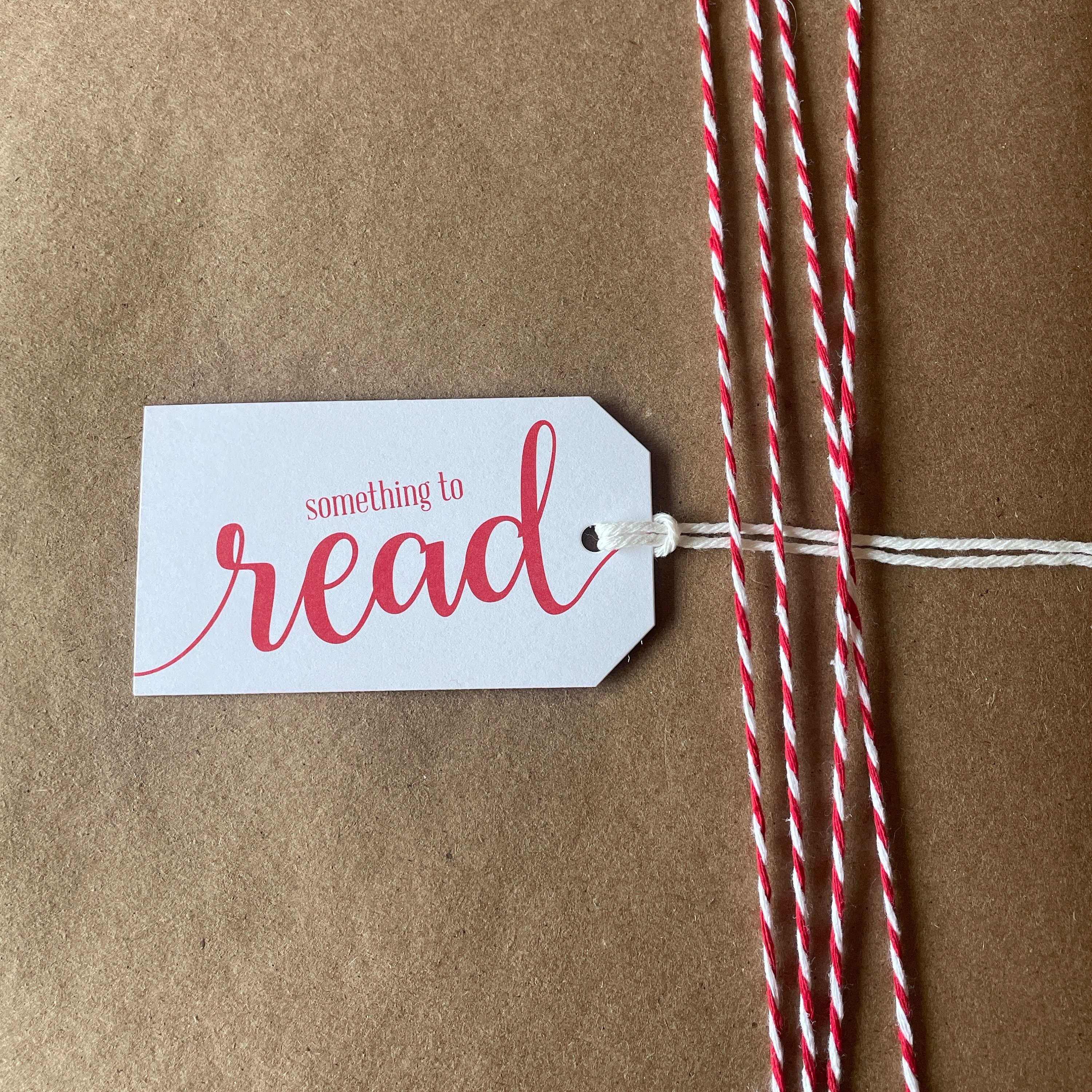
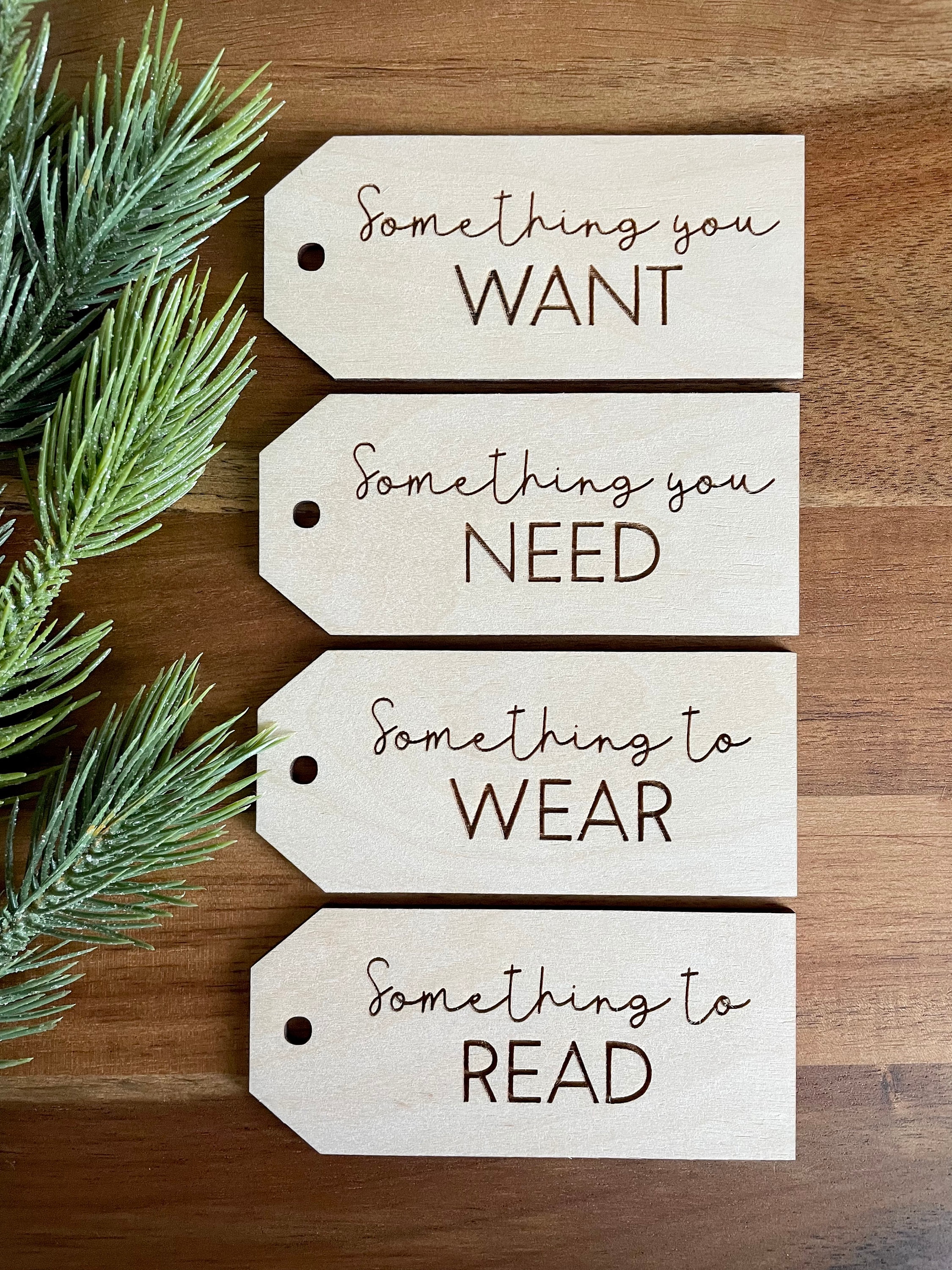
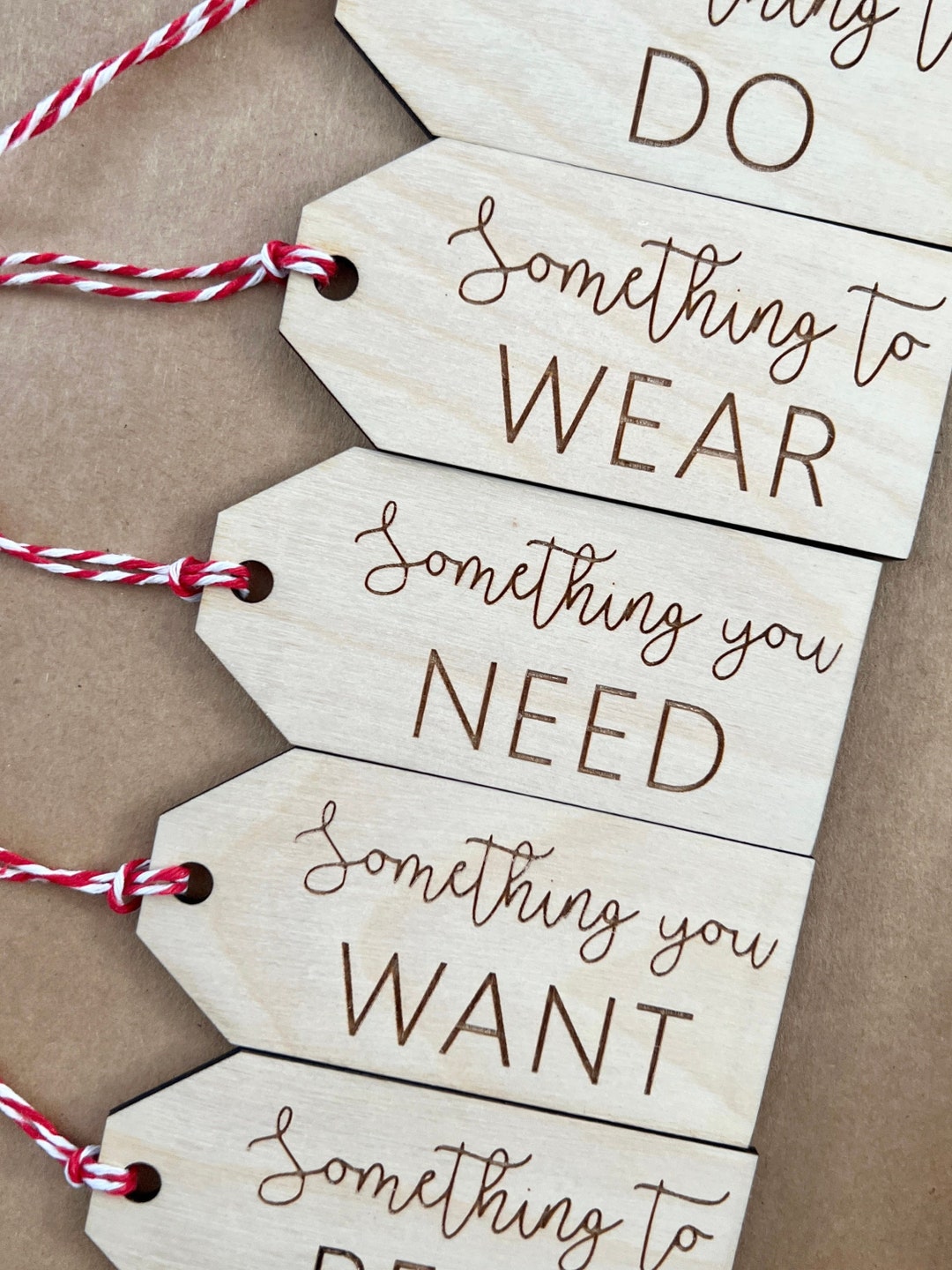
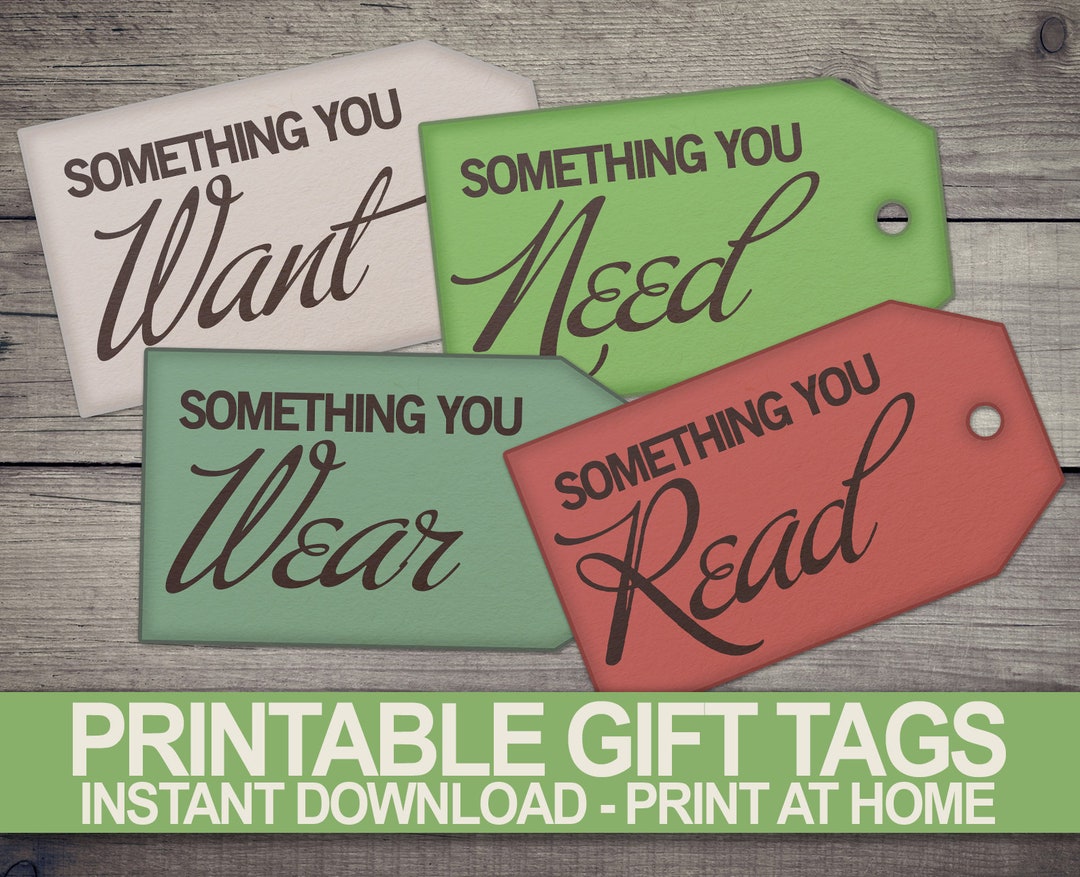
- Refine the Presentation: If preparing the combination as a gift, unify the items using neutral packaging, twine, or a handwritten note detailing why these specific two elements work together.
Common Pitfalls to Avoid in Dual-Item Curation
Even with clear intentions, certain mistakes can diminish the impact of the "something to wear, something to read" concept. Avoiding these missteps ensures a seamless experience.
- Mismatching Climate and Weight: Pairing a heavy winter wool sweater with a light, breezy summer beach read creates a jarring sensory contradiction. Keep seasonal coherence in mind.
- Neglecting Sizing and Preferences: Gifting apparel without verifying sizing or fabric sensitivities leads to unused items. Similarly, gifting dense academic texts to someone who prefers light fiction misses the mark.
- Prioritizing Novelty Over Quality: Selecting cheap, low-durability items detracts from the luxury and intentionality of the ritual. Invest in pieces designed to last.
Frequently Asked Questions
What is the origin of the "something to wear, something to read" tradition?
The concept evolved from minimalist holiday gifting rhyming traditions, designed to curb overconsumption by limiting gifts to functional, enriching categories. Today, it functions as a popular framework for self-care and intentional gift exchanges.
How do I choose the right book size for a wearable gift?
Match the time investment of the book to the utility of the apparel. Quick reads like novellas or poetry books pair well with items meant for short relaxation breaks, while lengthy novels suit durable, all-day loungewear.
Can this concept be adapted for warm climates?
Yes. Substitute heavy sweaters and wool socks with lightweight linen shirts, breathable cotton robes, or athletic wear paired with engaging summer paperbacks or travel writing.
Are digital books acceptable in this framework, or must they be physical?
While physical books provide a tactile experience that complements textiles, digital e-readers or audiobooks are fully compatible, especially for travelers who prioritize minimalism and weight reduction.
What are the best occasions for utilizing this dual-item approach?
This framework excels during holiday gift exchanges, birthdays, recovery periods after medical procedures, corporate employee appreciation milestones, and personal seasonal resets.
Practical Recommendation
To successfully implement the "something to wear, something to read" approach, start by auditing your current relaxation routines or identifying the specific preferences of your recipient. Prioritize natural, breathable fabrics and select a book that genuinely resonates with the reader's current life stage. By anchoring your choices in quality and intentionality, you transform a simple pairing into a memorable, restorative ritual.
Image Gallery