Do Insurance Companies Use Social Media to Set Auto Insurance Rates?
Insurance companies generally do not use social media activity or personal posts to set auto insurance rates. While insurers utilize advanced data analytics, predictive modeling, and credit-based insurance scores to assess risk, regula...
Insurance companies generally do not use social media activity or personal posts to set auto insurance rates. While insurers utilize advanced data analytics, predictive modeling, and credit-based insurance scores to assess risk, regulatory frameworks in most jurisdictions prohibit the use of non-public social media data for underwriting purposes. Most rate-setting remains confined to actuarial data points such as driving history, vehicle type, garaging address, and established credit-based metrics.
Contents
The Regulatory Landscape and Data Privacy
The primary reason insurance companies avoid mining social media for premium adjustments is the restrictive legal environment governing the insurance industry. In the United States, insurance is regulated primarily at the state level by departments of insurance (DOIs). These regulators mandate that rating factors must be "actuarially sound," meaning they must be statistically proven to correlate with the risk of a future claim.
Most states strictly forbid the use of "unfairly discriminatory" practices. Using social media content—which can be subjective, context-dependent, or biased—fails to meet the transparency and objectivity requirements imposed by state law. If an insurer were to use social media posts to raise a premium, they would likely be unable to demonstrate a causal link between a policyholder’s digital behavior and the probability of them being involved in a vehicular accident. Furthermore, using such data would invite significant litigation and regulatory scrutiny, as it could inadvertently lead to discrimination based on protected classes, such as race, religion, or political affiliation, which is prohibited under fair housing and insurance laws.
How Auto Insurance Rates Are Actually Determined
When an insurance carrier determines your premium, they utilize a process known as actuarial underwriting. This involves analyzing thousands of data points to predict the likelihood of a loss. Because your digital footprint is often disconnected from your physical driving behavior, it remains an unreliable metric for risk assessment.
The factors that insurers prioritize in 2026 include:
- Driving Record: The frequency and severity of past accidents, moving violations, and traffic citations.
- Vehicle Characteristics: The make, model, year, safety rating, and cost of repairs for your specific vehicle.
- Annual Mileage: The number of miles you drive per year, which directly impacts exposure.
- Garaging Location: The crime rates, accident statistics, and environmental hazards specific to your zip code.
- Credit-Based Insurance Scores: While distinct from a standard credit score, this metric uses credit history to predict the likelihood of future insurance claims in states where the practice is permitted.
- Claims History: The number and value of claims previously filed by the policyholder.
The Distinction Between Underwriting and Claims Investigation
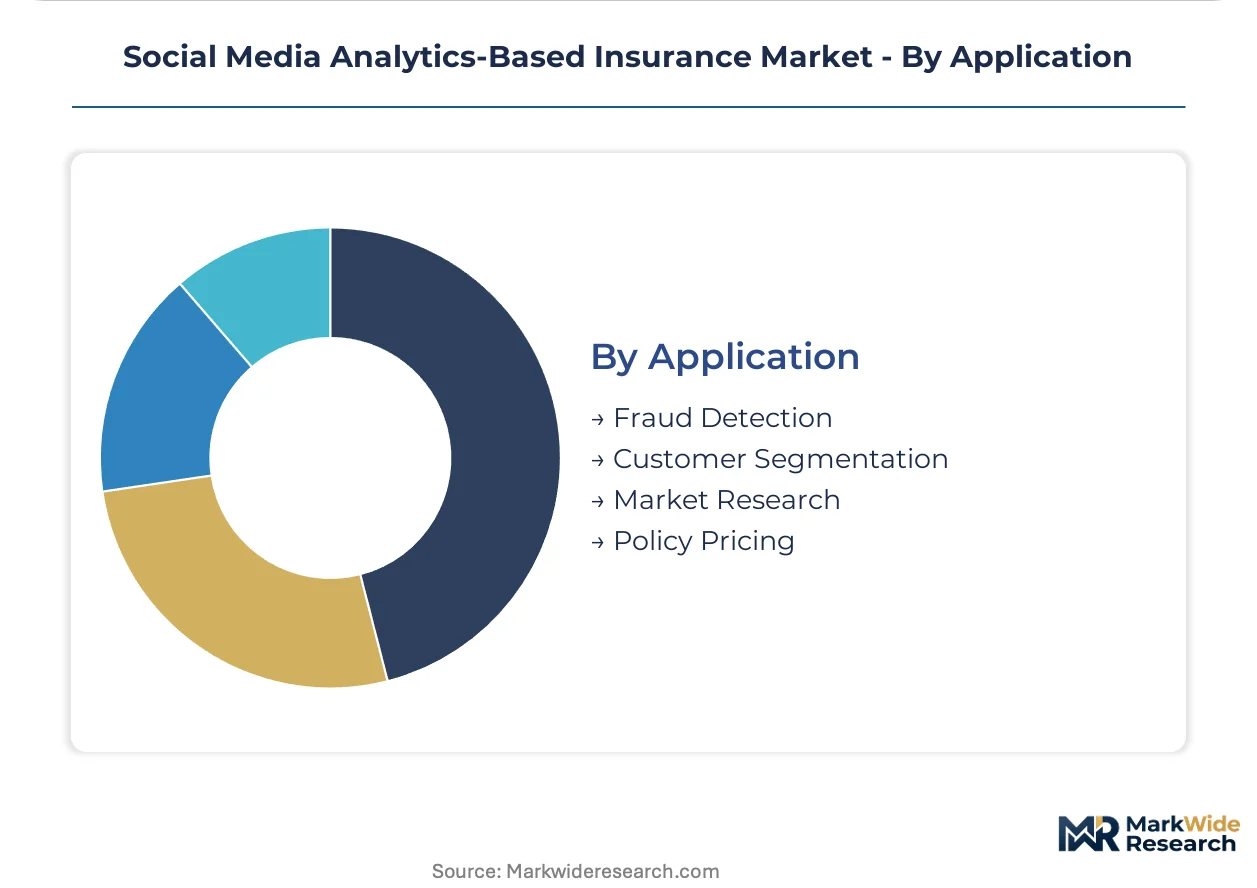
It is essential to distinguish between the use of social media for underwriting (setting rates) and its use during claims investigations. While companies do not use your posts to set your monthly bill, they may occasionally examine public social media profiles during a contested claim.
If a policyholder files a substantial injury claim, claiming they are physically incapacitated, and subsequently posts photos of themselves participating in strenuous athletic activities, the insurance investigator may use that information as evidence. This is not rate-setting; it is fraud detection. Insurers have a legal right to verify the veracity of claims, and public social media activity is considered a valid source of investigative material in many jurisdictions. However, this is a reactive process triggered by a specific event, not a proactive process used to adjust premiums for the general population.
Telematics: The Digital Alternative
If you are concerned about your digital habits impacting your rates, you may be confusing social media monitoring with telematics. Many insurers offer "Usage-Based Insurance" (UBI) programs. These programs utilize mobile apps or hardware devices plugged into your vehicle to track:
- Braking patterns (sudden or gradual).
- Speed relative to speed limits.
- Time of day (driving during high-risk late-night hours).
- Phone usage while the vehicle is in motion.
Unlike social media analysis, these telematics programs are fully transparent, consensual, and provide data directly related to the act of driving. They are regulated and filed with state insurance departments, providing a verifiable link between the data collected and the risk being assessed.
Comparison of Rating Factors
The following table contrasts common factors used in insurance underwriting with non-standard sources like social media.
| Factor Category | Used in Rate Setting? | Legal/Regulatory Status |
|---|---|---|
| Driving History | Yes | Standard actuarial practice |
| Credit-Based Insurance Score | Yes (Most states) | Regulated under FCRA/State law |
| Vehicle Safety Ratings | Yes | Industry standard data |
| Social Media Posts | No | Generally prohibited/impractical |
| Physical Claims Evidence | No (for rates) | Used for fraud verification only |
| Telematics/App Data | Yes (Opt-in) | Regulated via UBI programs |
Common Misconceptions
The fear that insurance companies monitor personal digital interactions is largely fueled by the sophistication of modern data aggregation. While third-party data brokers collect vast amounts of information on consumer habits, integrating this into a state-regulated, actuarial rate-filing system is a technical and legal challenge that most carriers have not pursued.
The complexity of mapping a social media "like," "share," or "post" to a specific monetary loss probability is high. Insurance companies prioritize stable, predictable data. Social media data is inherently noisy—filled with sarcasm, hyperbolic statements, and shared content that does not represent the policyholder’s actual values or behaviors. Actuaries generally avoid such "noisy" data because it introduces unpredictability into the rate-setting model, which can lead to regulatory rejection of their proposed premiums.
Addressing Privacy and Data Protection
In 2026, data privacy remains a critical concern for consumers. While the insurance industry holds massive amounts of private information, they are subject to stringent data protection standards such as the Gramm-Leach-Bliley Act (GLBA). These laws require insurance companies to explain their information-sharing practices and safeguard sensitive customer data.
If you are concerned about your digital privacy, focus your efforts on tightening your account security settings rather than worrying about premium increases. Ensuring that your social media profiles are private prevents both malicious actors and potentially curious third parties from accessing your personal information. Remember that even if an insurance company does not use this data for underwriting, the data remains public unless you take steps to lock it down.
Frequently Asked Questions
Can insurance companies see my private social media posts? No. Insurance companies, like any other private entity, do not have access to private social media content unless you grant them access or they obtain a court order during legal proceedings. They cannot "hack" or gain access to restricted accounts.
Do insurers track my location through my phone? They do not track your location for general rate-setting purposes unless you have explicitly installed and activated a telematics app or a usage-based insurance program. These programs require your active, informed consent before they can collect location or movement data.
Is it illegal for insurance companies to use social media? In most jurisdictions, it is not explicitly illegal for an insurer to view public information, but it is illegal to use data that is not approved by state regulators to set rates. Since social media data is not a recognized, actuarial-approved rating factor, it cannot be legally used to determine your premium.
Why did my rates go up if I haven't changed my driving habits? Rate increases are usually driven by macro factors rather than your personal online life. These include rising costs for vehicle parts and labor, a general increase in accidents in your area, or inflation impacting the cost of insurance operations.
Can I opt out of data sharing with my insurance company? You have the right to request a copy of the information your insurance company holds about you and can opt out of certain types of information sharing as permitted by the GLBA and state privacy laws. Consult your insurer’s privacy policy for the specific procedure to opt out.
Next Steps for Policyholders
To ensure your auto insurance rates remain as low as possible, ignore the rumors about social media monitoring and focus on proven strategies. Maintain a clean driving record, periodically shop your policy to ensure you are receiving the best market rate, and maintain a high credit-based insurance score. If you are a safe driver, inquire with your agent about telematics programs; these are the most effective way to leverage your personal data for a direct, quantifiable discount on your premium. Always review your policy declarations page to understand exactly which factors are influencing your current rate and discuss potential discounts with your provider annually.
Image Gallery