Understanding the Test for LCL Injury in Travel Contexts
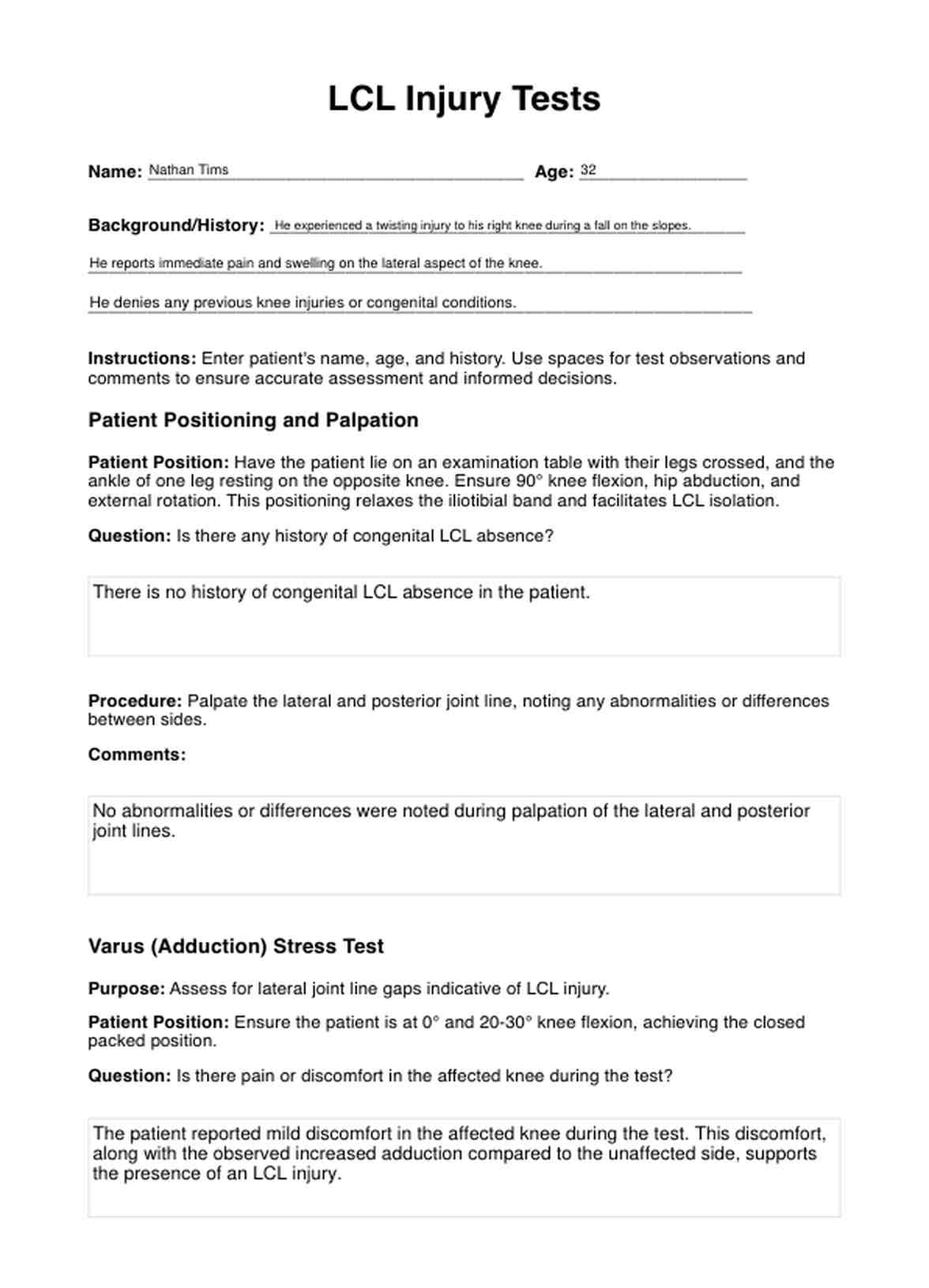
Identifying a Lateral Collateral Ligament (LCL) injury while traveling involves performing the Varus Stress Test to assess knee stability and joint laxity. This clinical examination, typically conducted by a medical professional, measu...
Identifying a Lateral Collateral Ligament (LCL) injury while traveling involves performing the Varus Stress Test to assess knee stability and joint laxity. This clinical examination, typically conducted by a medical professional, measures the gap on the outer side of the knee under pressure. Prompt diagnosis is essential for determining if you can safely continue your trip or if immediate medical intervention and itinerary adjustments are required.
Contents
The Anatomy and Mechanism of an LCL Injury
The Lateral Collateral Ligament (LCL) is a thin, cord-like band of tissue located on the outer side of the knee. It connects the femur (thigh bone) to the fibula (the smaller bone in the lower leg). Its primary physiological role is to resist varus stress, which is the force that would cause the knee to bow outward. In a travel context, LCL injuries often occur during physical activities like hiking on uneven terrain, skiing, or even through sudden lateral movements while navigating crowded transit hubs with heavy luggage.
Unlike the Medial Collateral Ligament (MCL), which is broader and sits on the inside of the knee, the LCL is more isolated. Injuries to this ligament are less common but often more complex because they frequently involve other structures in the "posterolateral corner" of the knee. Understanding the severity of the injury—ranging from a Grade I sprain (microscopic tears) to a Grade III rupture (complete tear)—is vital for any traveler deciding whether to fly home or seek local treatment.
The Definitive Clinical Test: The Varus Stress Test
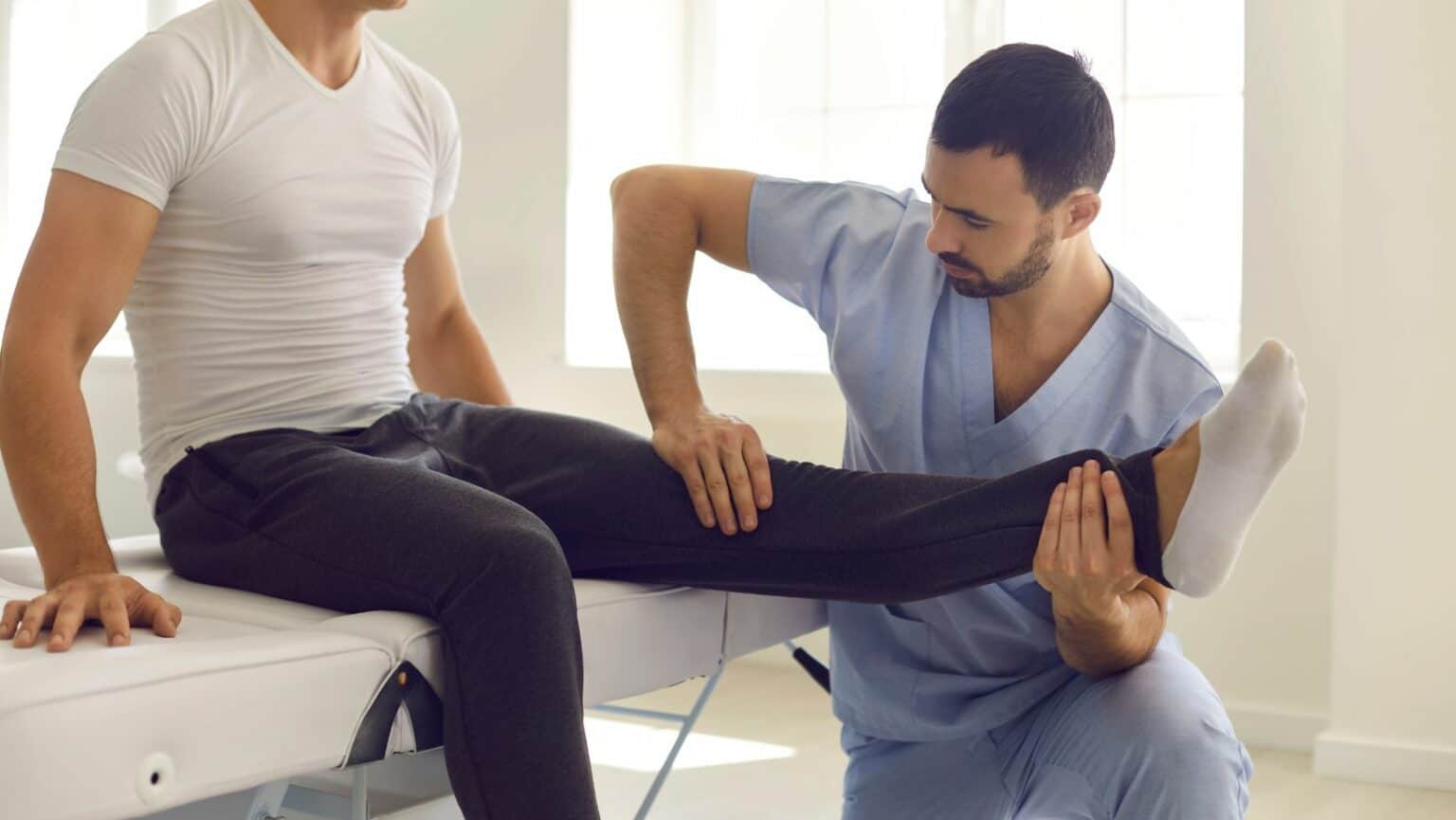
When a traveler visits a clinic or hospital with a suspected knee injury, the primary diagnostic tool is the Varus Stress Test. This physical examination maneuver is designed to isolate the LCL and determine its integrity. While it is best performed by a physician or physiotherapist, understanding the procedure helps a traveler communicate effectively with local medical staff, especially when there is a language barrier.
How the Test is Performed
The examiner stabilizes the patient's thigh while applying outward pressure to the inside of the knee and inward pressure to the ankle. This creates a "bowing" effect. The test is usually performed in two positions:
- Full Extension (0 Degrees): If the knee shows significant "gapping" or instability when the leg is completely straight, it often indicates a severe injury involving not just the LCL but also the cruciate ligaments (ACL or PCL) or the joint capsule.
- 30 Degrees of Flexion: By slightly bending the knee, the examiner "unlocks" other stabilizing structures. This position isolates the LCL more effectively. Laxity or a lack of a firm "end-point" in this position is a hallmark sign of a definitive LCL tear.
What the Results Mean
Medical professionals in 2026 use a standardized grading system based on the millimeters of "gap" felt during the test. A Grade I injury may feel painful but stable. A Grade II injury shows some opening of the joint space (usually 5–10 mm) with a soft end-point. A Grade III injury shows more than 10 mm of joint opening, indicating a complete rupture which may necessitate surgical consultation before attempting a long-haul flight.
Recognizing Symptoms While Away from Home
Travelers often mistake an LCL injury for a simple bruise or a minor strain. However, the LCL does not reside within the joint capsule itself, so swelling might be more localized to the outer side of the knee rather than a general "ballooning" of the entire joint.
- The "Pop" Sensation: Many travelers report hearing or feeling a distinct "pop" at the moment of injury. This is a significant clinical indicator of a higher-grade tear.
- Localized Tenderness: Pressure applied directly to the fibular head (the bony bump on the outside of the upper lower leg) will typically elicit sharp pain.
- Instability (Giving Way): A traveler with a significant LCL injury will often feel that their knee is "untrustworthy" when walking on uneven surfaces, such as cobblestone streets or hiking trails.
- Peroneal Nerve Involvement: In severe LCL ruptures, the peroneal nerve, which runs near the ligament, can be stretched or compressed. This may cause numbness on the top of the foot or "foot drop," where it becomes difficult to lift the front of the foot. This is a medical emergency that requires immediate attention.
Comparative Overview of LCL Injury Severity
| Injury Grade | Ligament Condition | Joint Stability | Travel Impact | Estimated Recovery |
|---|---|---|---|---|
| Grade I | Micro-tears; minimal stretching. | Stable; no gapping during Varus test. | Minor; may need a brace or limp slightly. | 1–3 weeks |
| Grade II | Partial tear; significant stretching. | Partial laxity; soft end-point on test. | Moderate; requires crutches or rigid bracing. | 4–8 weeks |
| Grade III | Complete rupture; total loss of integrity. | Gross instability; significant gapping. | Severe; may require surgery and flight clearance. | 3–6 months |
Managing a Suspected LCL Injury Mid-Trip
If you sustain an injury in a remote location or a city where you do not speak the language, immediate self-care is the bridge to professional medical evaluation. The goal is to stabilize the joint and minimize secondary inflammation.
The R.I.C.E. Protocol (Updated for 2026)
- Rest: Immediately cease the activity that caused the injury. Continued walking on a Grade II or III LCL tear can lead to meniscus damage.
- Ice: Apply cold packs for 15–20 minutes every two hours. In travel contexts, a bag of frozen peas or a hotel ice bucket wrap can serve this purpose.
- Compression: Use an ACE bandage or a hinged knee brace. The LCL requires lateral stability, so a brace with metal or plastic side stays is far superior to a simple neoprene sleeve.
- Elevation: Keep the knee above the level of the heart to encourage fluid drainage.
Navigating Local Medical Care
When seeking a "test for LCL injury" abroad, prioritize facilities with orthopedic specialists. If you are using travel insurance, contact your provider's 24-hour assistance line. They can often direct you to "preferred providers" who are familiar with the documentation required for medical evacuation or "fit-to-fly" certificates. Ensure you request copies of any imaging (X-rays or MRI) on a digital drive or via a secure cloud link to share with your primary doctor upon your return.
Flying and Transit with an LCL Injury
One of the most complex aspects of an LCL injury in travel contexts is the return journey. Long periods of immobilization combined with cabin pressure changes pose specific risks.
Deep Vein Thrombosis (DVT) Risks
An injured leg that is kept still for hours in an airplane seat is at a heightened risk for blood clots. If your LCL injury is severe enough to require a brace or cast, consult a doctor about taking prophylactic aspirin or other anticoagulants before a long-haul flight.
Airport Assistance
Do not hesitate to request "Wheelchair Assistance" (SSR code: WCHR, WCHS, or WCHC) when booking or checking in. Navigating massive terminals like London Heathrow or Dubai International with a compromised LCL is physically exhausting and risks further injury if you are bumped in a crowd.
Seating Considerations
If possible, upgrade to a seat with extra legroom or an aisle seat on the side of the injured leg. This allows you to periodically extend the knee and reduces the "cramping" that can exacerbate ligament pain. Note that passengers with leg injuries or braces are generally restricted from sitting in emergency exit rows due to safety regulations.
Differentiating LCL Tears from Related Injuries
In the heat of a travel mishap, it is easy to misdiagnose knee pain. The Varus Stress Test is specific to the LCL, but other injuries can mimic the symptoms.
- MCL Injury: Pain is on the inside of the knee. This is much more common than LCL tears.
- Iliotibial (IT) Band Syndrome: Common in travelers who walk long distances (e.g., the Camino de Santiago). Pain is also on the outside of the knee but is usually a "burning" sensation rather than an acute trauma response.
- Lateral Meniscus Tear: This often occurs alongside an LCL injury. The pain is usually deeper within the joint line and may cause the knee to "lock" in a bent position.
Disclaimer: This information is for educational purposes only and does not substitute for professional medical advice, diagnosis, or treatment. Always seek the advice of a qualified healthcare provider regarding a medical condition. If you are traveling, consult your travel insurance provider for guidance on local healthcare resources.
Frequently Asked Questions
Can I walk on a suspected LCL injury?
If the injury is a Grade I sprain, you may be able to walk with minor discomfort. However, if the Varus Stress Test indicates Grade II or III laxity, walking without a stabilizing brace can cause the joint to shift, potentially tearing the meniscus or damaging the cartilage. Use crutches until a professional evaluation is performed.
Will an X-ray show an LCL injury?
A standard X-ray will not show the LCL because it is a soft tissue structure. However, doctors often order X-rays to rule out "avulsion fractures," where the ligament pulls off a small piece of bone (often from the fibular head). An MRI is the gold standard for visualizing the extent of the ligament tear itself.
Should I cancel my trip if I suspect an LCL tear?
This depends on the grade of the injury and the nature of your trip. A Grade I tear might only require a few days of rest and a brace. A Grade III tear on a hiking or skiing trip usually necessitates cancellation or a significant pivot to "sedentary" travel. If surgery is required, it is often better to have it performed by your trusted surgeon at home.
How do I explain a Varus Stress Test to a doctor in another language?
Focus on the mechanism of injury. Use gestures to show a force hitting the inside of your knee, pushing it outward. You can use the term "Lateral Collateral Ligament" or its anatomical Latin equivalent, Ligamentum collaterale fibulare, which many medical professionals recognize globally.
Is it safe to use a knee brace on a plane?
Yes, but you must be mindful of swelling. Ensure the brace is not so tight that it restricts circulation, as air pressure changes can cause your limbs to expand slightly. Look for braces with adjustable straps that can be loosened during the flight.
Final Recommendation for Travelers
If you experience a sharp pain on the outside of your knee followed by instability, assume it is an LCL injury until proven otherwise. Perform the R.I.C.E. protocol immediately and seek a clinical Varus Stress Test from a local orthopedic specialist. Do not attempt to "push through" the pain, especially if your itinerary involves significant walking or physical activity, as this can turn a manageable sprain into a long-term chronic instability issue.
Image Gallery