Understanding Credit Limits: Can You Go Over Your Credit Limit with Capital One?
For most Capital One credit card accounts, you cannot go over your credit limit; if a transaction would cause your balance to exceed your assigned limit, the transaction will typically be declined at the point of sale. Capital One does...
For most Capital One credit card accounts, you cannot go over your credit limit; if a transaction would cause your balance to exceed your assigned limit, the transaction will typically be declined at the point of sale. Capital One does not automatically enroll cardholders in "over-the-limit" coverage, meaning the bank generally prevents transactions that exceed your available credit rather than allowing them to proceed for a fee.
Contents
The Mechanism of Credit Limits and Transaction Authorization
A credit limit is the maximum amount of money a card issuer allows you to borrow on a single credit card account at any given time. When you swipe your card, insert it into a reader, or input your details for an online purchase, the merchant’s payment processor sends a request to Capital One to authorize the transaction.
During this split-second communication, Capital One assesses your "available credit." This is calculated by taking your total credit limit and subtracting your current balance, as well as any pending transactions that have been authorized but not yet fully posted to your account. If the requested purchase amount is greater than this available credit, the system will decline the transaction.
It is important to understand that "available credit" is dynamic. Your balance can be affected by pending charges, such as hotel holds or car rental deposits, which may temporarily reduce your available credit even if the final charge has not yet hit your statement.
Opting Out vs. Over-the-Limit Protection
Historically, many credit card issuers offered "over-the-limit protection," a service that allowed transactions to go through even if they exceeded the cardholder's limit, usually in exchange for a fee. However, regulatory changes under the Credit Card Accountability Responsibility and Disclosure (CARD) Act of 2009 significantly altered how issuers handle these situations.
Under current standards, most major issuers—including Capital One—have largely moved away from automatic over-the-limit allowances for consumer credit cards. Because Capital One does not typically provide an "opt-in" feature for over-the-limit fees on standard consumer products, your account is designed to decline charges that exceed your limit as a protective measure for both the bank and the consumer. This prevents cardholders from unintentionally incurring high fees or finding themselves in a debt spiral that exceeds their ability to repay based on their initial agreed-upon limit.
Why Your Card Might Still Seem to Go "Over" the Limit
While transactions that exceed your credit limit are generally blocked, there are specific circumstances where your statement balance may appear to exceed your assigned credit limit. This usually occurs due to interest or fees rather than actual purchase activity:
- Interest Charges: If your account carries a balance from month to month, interest is calculated and posted to your account at the end of each billing cycle. If your balance was already near the limit, these accrued interest charges can push your total account balance over the limit.
- Annual or Monthly Fees: Some credit cards carry annual fees or monthly maintenance fees. If such a fee posts to an account that is already nearly maxed out, it will be added to your balance, potentially exceeding the limit.
- Late Fees: If you miss a payment deadline and are charged a late fee, that amount is added to your account balance.
- Pending vs. Posted: Sometimes, a merchant may authorize a transaction for a lower amount, but the final posted amount ends up being higher (common with tips at restaurants or pre-authorized holds). While the bank monitors this, it can sometimes result in a discrepancy between your perceived available credit and your final balance.
In these instances, Capital One generally does not charge an "over-the-limit fee," but the account will be flagged as being over the limit. This can potentially impact your credit score, as credit bureaus receive the updated balance, and your credit utilization ratio—a key component of your FICO score—will exceed 100%.
The Impact of Exceeding Your Limit
Even if you do not face a specific fee for exceeding your limit, there are several negative consequences to consider.
- Credit Score Damage: Your credit utilization ratio is one of the most significant factors in determining your credit score. Using more than 100% of your available credit signals to lenders that you may be experiencing financial distress, which can lower your score significantly.
- Account Review: Frequent instances of bumping against your credit limit may trigger a manual or automated review of your account by Capital One. This could potentially lead to a reduction in your credit limit or, in extreme cases, an account closure.
- Approval for Future Credit: Maintaining a balance over your limit makes you appear as a higher-risk borrower. If you intend to apply for loans, mortgages, or other lines of credit in the near future, having an over-limit status on your report can be detrimental to your approval odds.
Comparison of Credit Limit Handling
The following table summarizes how standard credit card policies generally manage limits and fees.
| Feature | Typical Capital One Policy | Industry Standard |
|---|---|---|
| Transaction Decline | Yes, if over limit | Yes, generally |
| Over-the-Limit Fees | Typically none | Rare (mostly phased out) |
| Interest/Fee Exception | Balance can exceed limit | Balance can exceed limit |
| Auto-Approval | No | No |
Troubleshooting: What to Do If You Need More Credit
If you find yourself frequently hitting your credit limit and needing to spend more, do not attempt to force transactions that are likely to be declined. Instead, use these proactive steps:
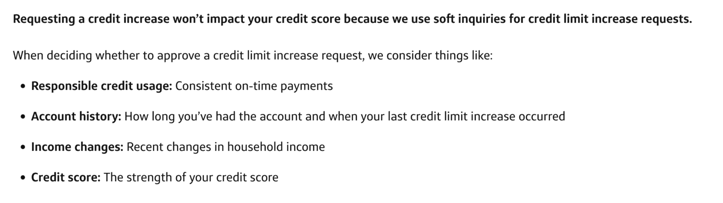
- Request a Credit Line Increase: You can request an increase through the Capital One mobile app or website. Capital One’s system will analyze your payment history, income, and account usage to determine if you are eligible for a higher limit.
- Make an Early Payment: If you need to clear up your available credit immediately, log in to your account and make an early payment. While the funds may take a few business days to fully clear, this payment effectively reduces your balance and restores your available credit.
- Monitor Pending Transactions: If you are nearing your limit, check your "Pending Transactions" tab in your account dashboard. Subtracting these from your total limit will give you an accurate view of what you have left to spend.
- Use Multiple Cards: Rather than pushing one card to its absolute limit, utilize other credit accounts to spread your utilization across multiple credit lines. This is better for your credit score and prevents any single account from hitting its limit.
Frequently Asked Questions
Will I be charged a fee if I go over my limit? Capital One does not typically charge over-the-limit fees on its standard credit card products. If your balance exceeds your limit due to fees or interest, you will not be charged a specific "over-the-limit" penalty.
Can I opt-in to allow transactions over my limit? No, Capital One does not generally provide an option to "opt-in" for over-the-limit transactions. The bank prefers to decline the charge rather than allow it to proceed.
Does going over my limit affect my credit score? Yes. Even if the overage is caused by interest, the higher balance is reported to credit bureaus. This increases your credit utilization ratio, which may lower your credit score.
Why was my card declined even though I haven't reached my limit? Transactions can be declined for reasons other than credit limits, such as suspected fraud, incorrect billing information, or technical issues with the merchant’s card reader. If you are certain you have available credit, contact Capital One customer service to investigate.
How can I quickly increase my available credit? The fastest way to regain available credit is to pay down your current balance. Making an online payment for your full balance will usually reset your available credit once the transaction processes.
Next Steps
If you are consistently hitting your credit limit, it is a sign that your current limit may not align with your financial needs or spending habits. First, verify that your income information on file with Capital One is accurate and up to date, as this is a primary factor in credit limit decisions. Second, log in to your account and navigate to the credit line increase request section. If you do not qualify for an increase, focus on paying your balance in full every month to improve your standing with the issuer over time.
Image Gallery