The Rise of Young Aerosmith in the Early Seventies
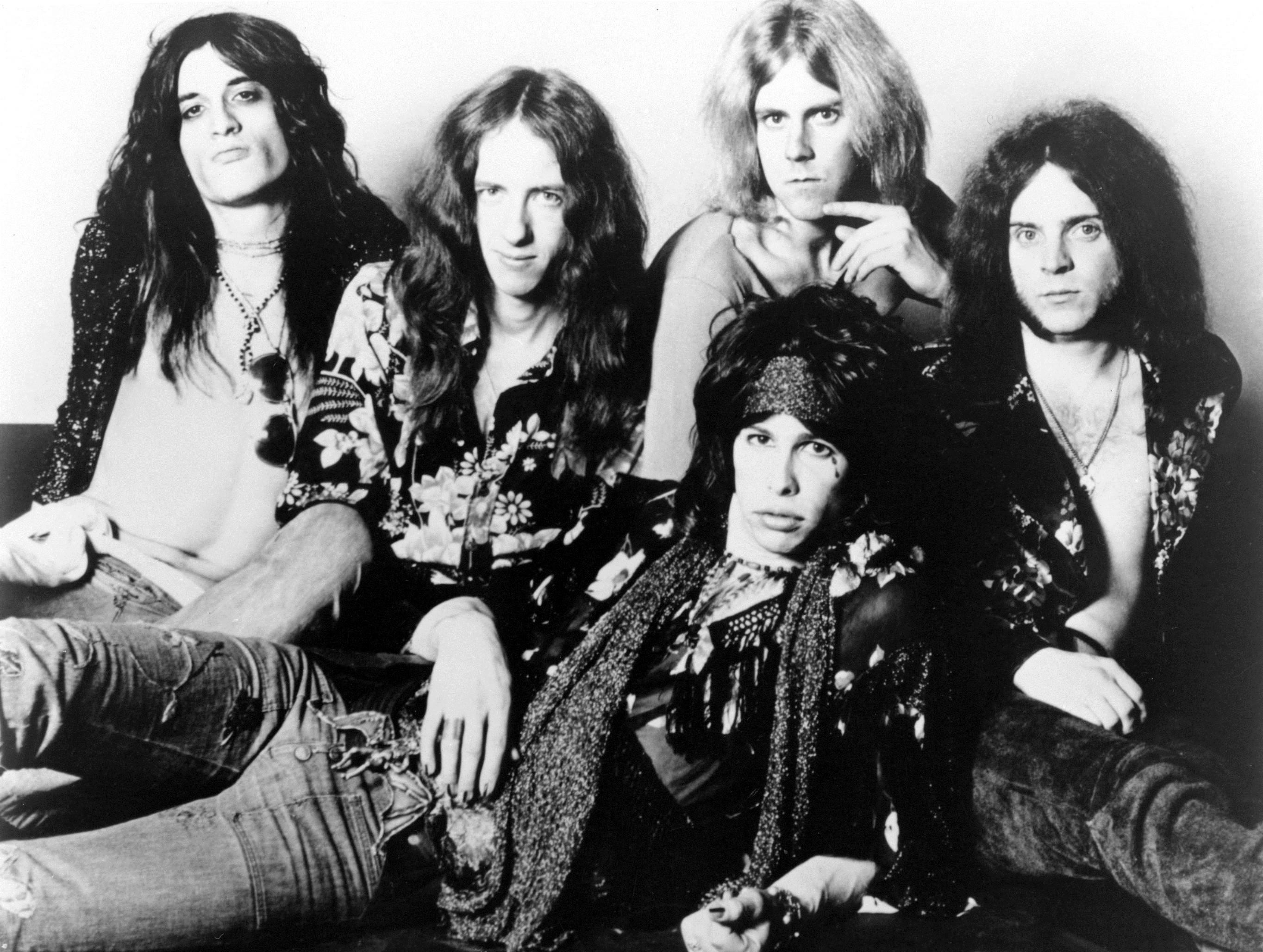
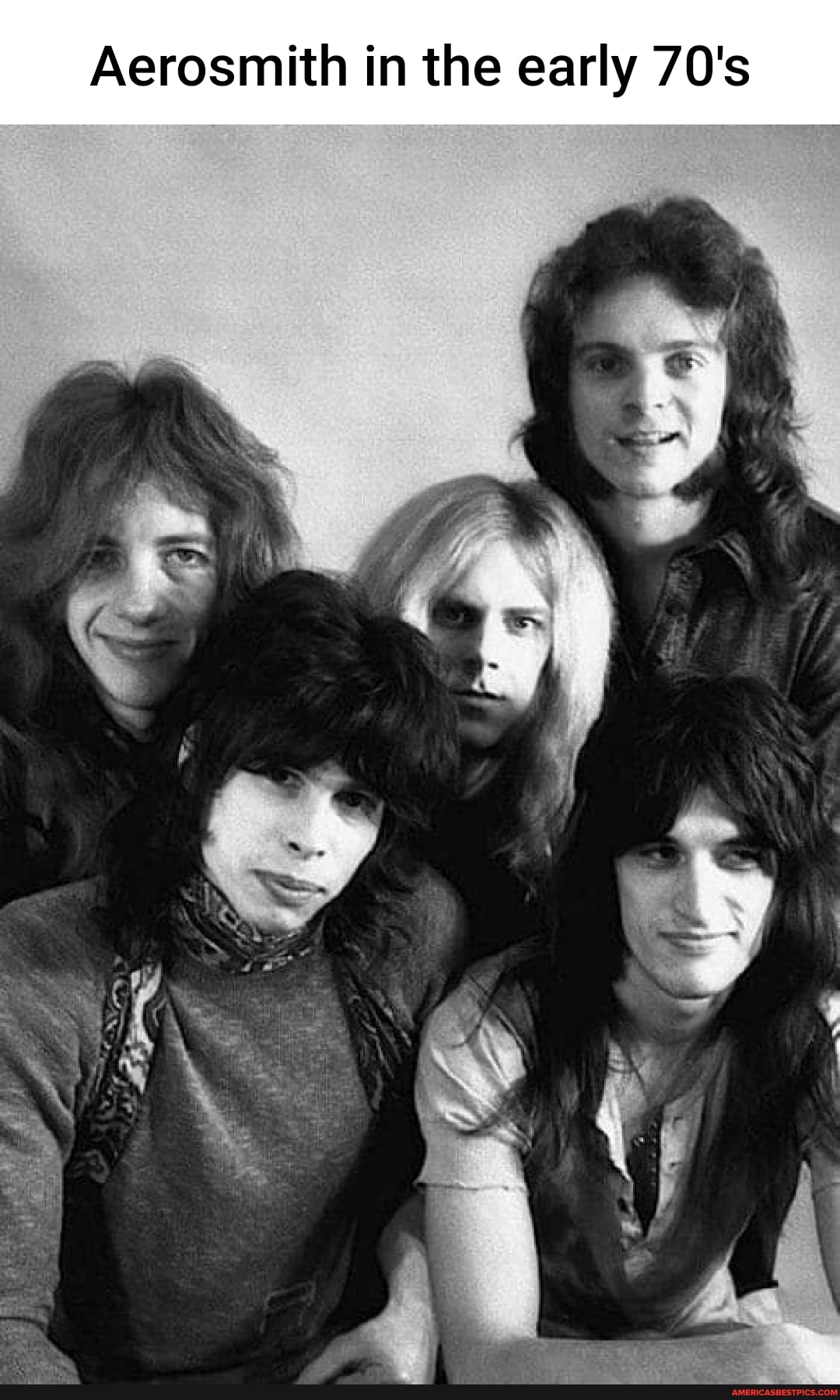
The rise of young Aerosmith in the early seventies saw the Boston-based quintet evolve from a struggling communal band into America’s premier hard rock act. Between 1970 and 1975, through relentless East Coast touring, a decisive recor...
The rise of young Aerosmith in the early seventies saw the Boston-based quintet evolve from a struggling communal band into America’s premier hard rock act. Between 1970 and 1975, through relentless East Coast touring, a decisive record deal with Columbia Records, and studio breakthroughs like Get Your Wings and Toys in the Attic, Aerosmith redefined American blues-based hard rock.
Contents
From Sunapee to Boston: The Formation (1970–1972)
The origins of Aerosmith trace back to the summer resort town of Sunapee, New Hampshire. In the late 1960s, vocalist Steven Tyler (then Steven Tallarico) was performing in local bands around New York and New England, most notably Chain Reaction. Meanwhile, guitarist Joe Perry and bassist Tom Hamilton were playing together in the Jam Band, delivering raw, blues-infused rock inspired by the British Invasion—specifically Peter Green’s Fleetwood Mac, The Yardbirds, and The Rolling Stones.
In 1970, after witnessing the Jam Band’s chaotic energy at The Barn in Sunapee, Tyler proposed combining forces. The musicians moved to Boston, Massachusetts, which offered a vibrant college crowd and a booming club scene. They settled into a cramped apartment at 132 Commonwealth Avenue, where they shared meals, pooled loose change, and rehearsed constantly.
Drummer Joey Kramer, an acquaintance of Tyler from Yonkers, New York, joined the group shortly after their move to Boston. Kramer brought with him the band's name: Aerosmith, a word he had casually written on his school notebooks for years. The initial rhythm guitar position was filled by Ray Tabano, a childhood friend of Tyler. However, in 1971, Tabano was replaced by Brad Whitford, a Berklee College of Music student whose precise rhythm playing and fluid lead work complemented Perry’s aggressive guitar style.
| Early Aerosmith Lineup (1971) |
|---|
| Steven Tyler – Lead Vocals, Piano, Harmonica |
| Joe Perry – Lead & Rhythm Guitar, Backing Vocals |
| Brad Whitford – Rhythm & Lead Guitar |
| Tom Hamilton – Bass Guitar |
| Joey Kramer – Drums, Percussion |
By late 1971, the classic five-piece lineup was locked in. They spent the next eighteen months gigging tirelessly across high schools, college gyms, and local Boston venues such as the Boston Tea Party and the Orpheum Theatre.
The Clive Davis Discovery at Max's Kansas City
Aerosmith’s relentless work ethic on the East Coast live circuit quickly gained the attention of band managers Frank Connelly, David Krebs, and Steve Leber. Recognizing the group's charisma and raw appeal, Leber and Krebs booked a pivotal showcase in New York City at Max's Kansas City on August 5, 1972.
The managers invited Clive Davis, the president of Columbia Records, to attend the performance. Legend has it that the band played their provocative track "No Surprize" to ensure they commanded Davis's full attention. Impressed by Tyler’s magnetic stage presence and the band’s tight, sleazy blues grooves, Davis offered Aerosmith a recording contract on the spot.
In late 1972, Aerosmith officially signed with Columbia Records, securing a modest advance and entry into the world of major-label recording. This agreement set the stage for their entry into the national music consciousness, positioning them as Columbia's domestic answer to British hard rock giants like Led Zeppelin and The Rolling Stones.
The Self-Titled Debut Album (1973) and "Dream On"
In late 1972, Aerosmith entered Intermedia Studios in Boston with producer Adrian Barber to record their self-titled debut album, Aerosmith, released in January 1973. The band was relatively inexperienced in professional studio techniques, leading to a somewhat restrained mix that did not fully capture their ferocious live sound.
Despite studio jitters, the album featured foundational hard rock tracks:
- "Mama Kin": Driven by a signature Joe Perry guitar riff, this track became an early favorite and a staple of their live performances.
- "One Way Street": A bluesy, extended jam showcasing Tyler’s blues harmonica playing and Whitford’s subtle guitar work.
- "Dream On": A power ballad written by Steven Tyler on a piano at the Sunapee resort years prior.
When first released as a single in 1973, "Dream On" enjoyed regional popularity on Boston radio stations like WBZ-FM, but achieved modest national success, peaking at number 59 on the Billboard Hot 100. The album itself sold steadily but did not immediately catapult the group to stardom. Aerosmith remained on the road, opening for major acts such as The Kinks, Mott the Hoople, Mahavishnu Orchestra, and Hawkwind, building a loyal fanbase city by city.
Forging the Signature Sound: Get Your Wings (1974)
Seeking a dirtier, heavier, and more dynamic sound for their second release, Aerosmith paired with record producer Jack Douglas and sound engineer Jay Messina at the Record Plant in New York City. Released in March 1974, Get Your Wings marked the true birth of Aerosmith’s signature sonic identity.
Jack Douglas acted as a mentor and musical arranger, refining the band’s arrangements without stripping away their street-level edge. The album displayed a vast improvement in songwriting, tone, and production depth:
- "Same Old Song and Dance": Built on a funk-infused rhythm guitar hook, this track demonstrated the band's ability to blend danceable grooves with heavy guitar riffing.
- "Lord of the Thighs": A dark, drum-heavy anthem that highlighted Joey Kramer's punchy drumming and Tyler's lyrical swagger.
- "Train Kept A-Rollin'": A cover of the Tiny Bradshaw jump blues song, previously updated by The Yardbirds. Aerosmith’s dual-guitar version became an instant rock anthem.
While Get Your Wings did not immediately reach the top of the charts upon its initial release, it remained on the Billboard charts for over a year. Aerosmith's non-stop touring schedule transformed the record into a slow-burn commercial success, eventually reaching gold and multi-platinum status as their profile grew.
National Stardom: Toys in the Attic (1975)
By early 1975, years of constant touring and studio refinement culminated in Aerosmith’s third studio effort, Toys in the Attic, released in April 1975. Recorded again at the Record Plant with Jack Douglas producing, the album catapulted Aerosmith from regional headliners to international superstars.
The album represented a perfect synthesis of heavy metal riffing, funk rhythms, and pop sensibilities:
- "Sweet Emotion": Built around an iconic talk-box guitar intro by Joe Perry and a hypnotic bassline by Tom Hamilton, "Sweet Emotion" became Aerosmith’s breakout top-40 single, establishing them on national top-40 radio.
- "Walk This Way": Featuring a sharp funk drum groove from Joey Kramer and a lightning-fast vocal delivery from Steven Tyler, the song became a quintessential American rock single, reaching the Billboard top ten.
- "Toys in the Attic": The title track delivered high-speed hard rock that showcased the dual-guitar attack of Perry and Whitford.
The massive success of Toys in the Attic generated renewed interest in the band's back catalog. Columbia Records re-promoted "Dream On" as a single in late 1975, and by early 1976, the song surged into the Billboard top ten (peaking at number 6). Aerosmith became one of the top concert attractions in North America, filling arenas and stadiums across the country.
Summary of Early Seventies Albums and Milestones
The following table summarizes the key releases, chart performances, and pivotal tracks from Aerosmith's early growth period between 1973 and 1975:
| Album Title | Release Date | Producer(s) | Key Singles / Standout Tracks | Initial Chart Impact & Significance |
|---|---|---|---|---|
| Aerosmith | January 1973 | Adrian Barber | "Dream On", "Mama Kin", "One Way Street" | Reached #21 on Billboard 200 (after 1976 re-charting); established blues-rock roots. |
| Get Your Wings | March 1974 | Jack Douglas, Ray Colcord | "Same Old Song and Dance", "Train Kept A-Rollin'", "S.O.S. (Too Bad)" | Charted for over 80 weeks; established long-term production partnership with Jack Douglas. |
| Toys in the Attic | April 1975 | Jack Douglas | "Sweet Emotion", "Walk This Way", "You See Me Crying" | Peaked at #11 on Billboard 200; multi-platinum breakthrough that cemented superstar status. |
Live Performance Strategy and Early Touring Grind
A primary catalyst for Aerosmith’s rise in the early 1970s was their disciplined approach to live performance. Unlike many contemporary groups that relied heavily on studio overdubbing, Aerosmith honed their setlists in front of tough, demanding East Coast audiences.
- Boston Clubs & College Gigs (1970-1972)
- Max's Kansas City Showcase & Columbia Deal
- Support Slots for National Acts (1973-1974)
- (Opening for Black Sabbath, Mott the Hoople, The Kinks)
- Major Arena Headlining Tours (1975-1976)
1. Opening Slots and Market Penetration
In 1973 and 1974, Aerosmith accepted second-bill and opening slots for established acts including Deep Purple, Black Sabbath, Alice Cooper, and The Guess Who. They routinely treated these 30-minute opening sets with the intensity of headline shows, frequently winning over audiences who were unfamiliar with their studio albums.
2. Dual-Guitar Interplay
Central to their live dynamic was the division of labor between guitarists Joe Perry and Brad Whitford. While Perry delivered expressive rhythm work, slide playing, and wild stage showmanship, Whitford provided rhythm structure and precise, technical lead lines. This complementary guitar partnership gave the group a dense, powerful live mix.
3. Rhythm Section Foundation
The combined efforts of bassist Tom Hamilton and drummer Joey Kramer established a locked-in, syncopated rhythm section. Influenced heavily by Motown and funk rhythm sections, Hamilton and Kramer provided a danceable groove underlying Perry’s distorted riffs and Tyler’s energetic, acrobatic vocal deliveries.
Frequently Asked Questions
How did Aerosmith originally form in Boston?
Aerosmith formed in late 1970 when Steven Tyler met Joe Perry and Tom Hamilton while spending summers in Sunapee, New Hampshire. They relocated to Boston, Massachusetts, to pursue a musical career full-time, recruited drummer Joey Kramer, and brought in rhythm guitarist Brad Whitford by 1971.
What was Aerosmith's initial breakout hit song?
While "Dream On" was released in 1973, its initial chart impact was modest. The band's true national breakout single was "Sweet Emotion" in 1975, followed by the re-release of "Dream On" in late 1975, which reached the Billboard top ten in early 1976.
Who discovered Aerosmith and signed them to Columbia Records?
Columbia Records executive Clive Davis signed Aerosmith after seeing them perform live at Max's Kansas City in New York City in August 1972.
Why was producer Jack Douglas vital to Aerosmith's early sound?
Jack Douglas began producing Aerosmith on their second album, Get Your Wings (1974). He helped the band translate their loose live energy into polished, heavy studio tracks, encouraging experimentation with rhythm, horn arrangements, and layered guitar tracks.
What distinguished Aerosmith from other 1970s American hard rock bands?
Aerosmith synthesized British blues-rock with American R&B and funk rhythms. Steven Tyler’s fast-paced vocal delivery, paired with Joe Perry and Brad Whitford’s twin-guitar riffs and a hard-swinging rhythm section, separated them from strictly heavy metal or straight blues-rock contemporaries.
Legacy and Practical Takeaways for Rock Historians
The story of Aerosmith’s early years illustrates how sustained live performances, focused artistic development, and key creative partnerships can build a lasting music career:
- Relentless Stage Experience: Aerosmith built their audience from the ground up through exhaustive regional touring before expecting major national radio support.
- Strategic Musical Partnership: The contrast between Perry's raw feel and Whitford's technical background illustrates the power of complementary musician roles.
- Producer Collaboration: Partnering with producer Jack Douglas allowed the band to mature technically while retaining their street-level grit.
By the end of 1975, young Aerosmith had transformed from a struggling apartment-sharing quintet in Boston into America’s premier rock and roll band, laying the groundwork for a career that would span subsequent decades.
Image Gallery