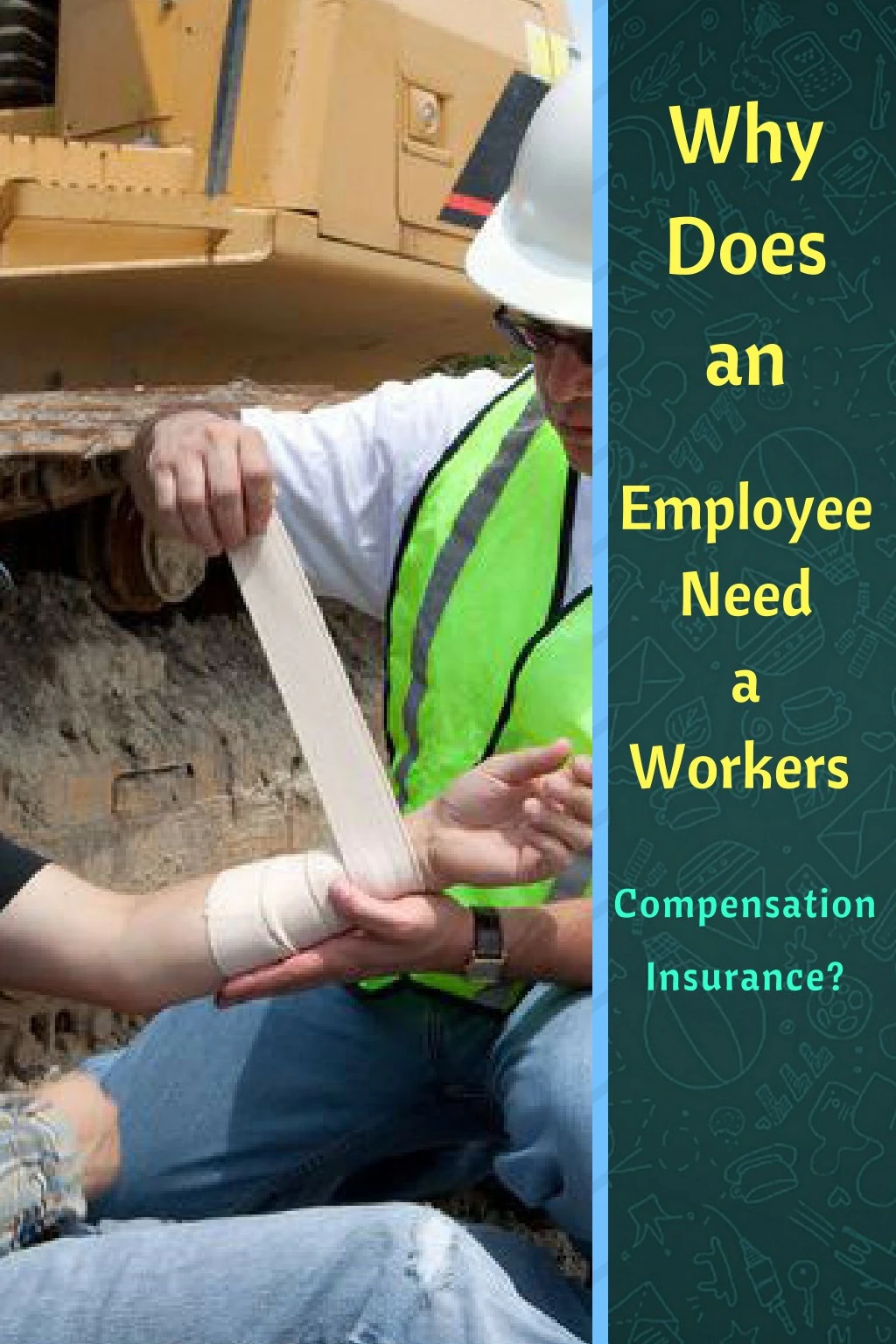
Understanding Why Workers’ Compensation Insurance Is Not Required for Uber Drivers
Uber drivers are classified as independent contractors rather than employees, which exempts the company from the legal requirement to provide workers’ compensation insurance. Because they operate as self-employed business owners, these...
Uber drivers are classified as independent contractors rather than employees, which exempts the company from the legal requirement to provide workers’ compensation insurance. Because they operate as self-employed business owners, these drivers are responsible for their own injury coverage and financial protection while working, as they do not fall under the traditional protections afforded to staff members under state labor laws.
Contents
The Foundation of Independent Contractor Status
The core reason that workers’ compensation is not required for Uber drivers lies in the specific legal classification of the relationship between the platform and the driver. In the United States, workers’ compensation is a state-regulated insurance program designed to provide wage replacement and medical benefits to employees injured in the course of employment. However, this mandate applies strictly to those who meet the legal definition of an "employee."
Uber operates using a business model where drivers utilize the company’s technology platform to connect with passengers. Under current labor frameworks, this relationship is generally defined as an independent contractor arrangement. Because an independent contractor is legally considered a separate business entity rather than an employee of the platform, the traditional employment relationship—which triggers the legal obligation for an employer to carry workers’ compensation insurance—is absent.
How State Laws and Statutes Define the Relationship
Labor laws regarding workers' compensation are governed at the state level. While there has been significant legislative activity and litigation regarding the classification of gig workers, the prevailing standard in most jurisdictions remains that drivers are independent contractors.
States typically utilize tests, such as the "Common Law Test" or the "ABC Test," to determine employment status. These tests look at factors like the degree of control the hiring entity exerts over the worker, whether the work is part of the hiring entity’s regular business, and whether the worker has an independent trade or business. Because drivers have the autonomy to choose their own hours, locations, and vehicles, and because they are free to work for competing platforms simultaneously, they generally fail to meet the criteria for employee status in the eyes of most state regulators. Consequently, the legal duty to provide workers' compensation is not triggered.
Comparing Coverage Requirements
To understand the financial implications of this status, it is helpful to compare the protections afforded to traditional employees versus the reality for independent contractors.
| Feature | Traditional Employee | Uber Driver (Independent Contractor) |
|---|---|---|
| Worker's Comp | Mandatory (Employer provided) | Not required (Self-managed) |
| Medical Expenses | Covered by employer policy | Must be covered by personal health insurance |
| Income Replacement | Available for work-related injury | Not available via employer |
| Liability Insurance | Employer-provided | Provided by platform (specific periods) |
While Uber does provide some level of injury protection in certain jurisdictions, this is often distinct from traditional statutory workers' compensation. It is vital to distinguish between company-offered accidental insurance programs and state-mandated workers' compensation.
The Role of Personal Insurance and Supplemental Protection
Since drivers do not have access to workers' compensation, they must rely on their own financial safety nets. This includes a mix of personal health insurance, disability insurance, and specialized automotive coverage.
A critical point of confusion for many drivers is the limitation of their personal auto insurance policies. Standard personal auto insurance policies often contain "liabilities exclusions" for commercial activity. If a driver is involved in an accident while logged into the Uber app, a standard personal policy may deny the claim. To bridge this gap, Uber maintains commercial liability insurance that covers drivers during specific phases of the ride—specifically from the moment they accept a trip until the passenger exits. However, this insurance is primarily focused on liability to third parties and property damage, not necessarily the driver's own injuries or lost wages resulting from an accident.
Assessing the Risks of Being an Independent Contractor
The absence of workers' compensation places the burden of risk directly on the driver. In the event of a severe accident that prevents a driver from working, the lack of wage replacement benefits can be catastrophic. Without a mandatory safety net, drivers are forced to self-fund their recovery.
This environment has led to the rise of independent, private insurance products tailored for gig workers. These supplemental policies can be purchased by drivers to fill the gaps where workers' compensation would normally intervene. Drivers are encouraged to review their personal disability insurance policies and consult with insurance professionals to determine if their coverage is sufficient for the risks inherent in professional driving.
Frequently Asked Questions
Does Uber offer any injury protection if I get hurt while driving? Uber provides an occupational accident insurance policy in many states. It is important to note that this is a private policy purchased by the company, not state-mandated workers' compensation. Benefits, eligibility, and coverage limits vary significantly by location.
Can I file for workers' compensation if I am an Uber driver? Generally, no. Because you are an independent contractor, you do not meet the legal definition of an employee required to trigger workers' compensation claims. Attempting to file such a claim usually results in denial unless a specific local court ruling has reclassified drivers as employees in that specific jurisdiction.
What happens to my insurance if I am at fault for an accident? The platform's commercial insurance typically covers third-party liability if you are logged in and carrying a passenger. However, personal injury or damage to your own vehicle may not be covered by that policy, and your personal auto insurer might deny a claim if they find you were using the vehicle for commercial purposes without a rideshare endorsement.
Are there laws changing the requirement for workers' compensation? Legislative landscapes evolve frequently. Some states have introduced bills or ballot measures that attempt to reclassify gig workers or create a "third category" of worker that includes benefits like injury protection without full employee status. Always verify current statutes in your specific state of operation.
Should I buy supplemental disability insurance? Because you do not have the protection of workers' compensation, many financial advisors recommend that full-time rideshare drivers obtain private disability insurance. This provides a source of income replacement if you are injured and unable to perform your work, serving as a substitute for the missing safety net.
Recommendation for Drivers
If you drive for Uber, your most effective strategy is to assume full responsibility for your financial risk management. First, contact your personal auto insurance provider to ensure you have a "rideshare endorsement" or a commercial policy; without it, you risk total denial of claims following an accident. Second, review your personal health and disability insurance to confirm they do not exclude injuries sustained while working as a rideshare driver. Finally, research the specific "occupational accident insurance" provided by Uber in your state to understand exactly what is—and what is not—covered before an emergency occurs.
Image Gallery