Why the Jane Fonda Weight Loss Story Matters: Cultural and Health Impact
The Jane Fonda weight loss story matters because it fundamentally reshaped how society views women’s physical strength, body image, and the home fitness industry. By publicly sharing her struggle with bulimia and pioneering mass-market...
The Jane Fonda weight loss story matters because it fundamentally reshaped how society views women’s physical strength, body image, and the home fitness industry. By publicly sharing her struggle with bulimia and pioneering mass-market exercise, Fonda transformed weight loss from secret starvation into active, empowered movement, creating a template for modern wellness culture.
Contents
From Hollywood Glamour to Health Realism: Dismantling the Secret Eating Disorder
For decades, Hollywood beauty standards demanded an unattainable, paper-thin aesthetic while keeping the methods to achieve it hidden behind studio secrets. Jane Fonda’s personal journey broke that illusion. From her adolescent years through her early 40s, Fonda suffered from severe bulimia and body dysmorphia—a private battle she maintained while being celebrated globally as a film star and sex symbol.
When Fonda began speaking openly about her eating disorder in the 1980s and in her later memoirs, it marked a crucial turning point in public health communication. At a time when eating disorders were stigmatized and rarely named in mainstream media, her candid disclosure demonstrated that external physical perfection often masked severe nutritional deprivation and mental distress.
- Starvation / Purging Cycle (1950s–1970s)
- Secretive illness & body dysmorphia
- Shift to Physical Agency (1979–1982)
- Public disclosure & structured strength training
- Modern Longevity & Functional Health (2000s–Present)
By articulating how societal pressure, parental expectations, and film industry scrutiny fueled her disease, Fonda helped demystify eating disorders for millions of women. Her narrative shifted the definition of health away from passive starvation and toward active self-preservation. It forced a national conversation on the distinction between looking thin and actually being healthy, establishing a historical precedent for modern body authenticity.
The 1982 Workout Revolution: Democratizing Women’s Exercise
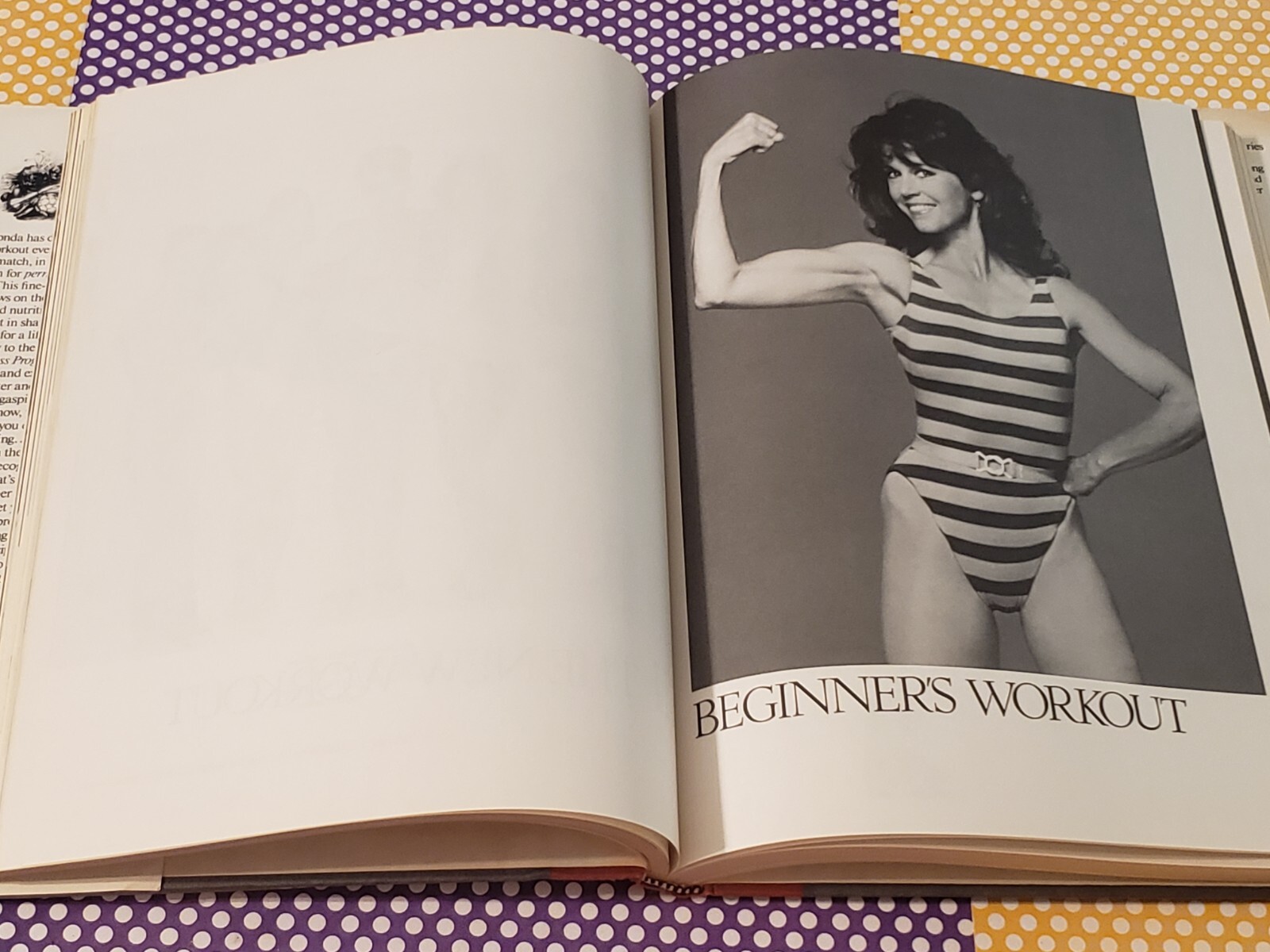
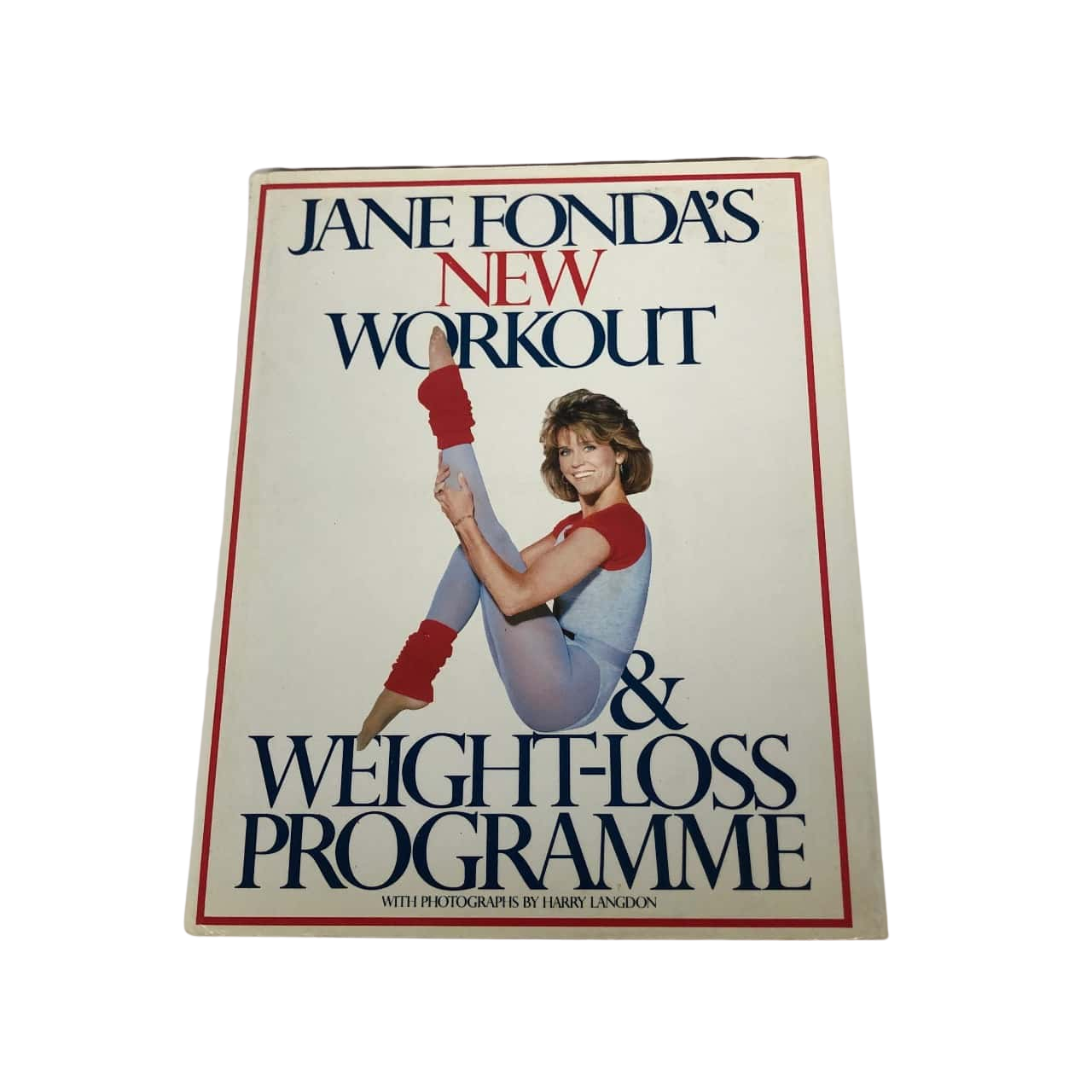
In 1979, Fonda opened her first workout studio in Beverly Hills, initially as a way to fund her political activism through the Campaign for Economic Democracy. However, the publication of Jane Fonda's Workout Book in 1981 and the release of the Jane Fonda's Workout VHS tape in 1982 ignited an unprecedented cultural phenomenon. Selling over 17 million copies, the tape became the highest-selling home video of its era and effectively built the commercial home fitness industry.
Before Fonda popularized aerobics and calisthenics, commercial gym spaces were predominantly designed by and for men, focused heavily on heavy weightlifting and athletic conditioning. Women were often discouraged from building visible muscle or participating in high-intensity cardiovascular training due to prevailing gender norms.
| Pre-1980s Gym Culture | Fonda's Home Video Era |
|---|---|
| Male-dominated spaces | Female-led home privacy |
| Focus on hyper-bulking | Focus on cardiovascular stamina |
| Passive slimming devices | Active body-weight resistance |
| Starvation-based dieting | Caloric burning through movement |
Fonda’s workout programs changed this dynamic in three distinct ways:
- Accessibility and Privacy: Women who felt intimidated or excluded by traditional gym environments could perform structured cardiovascular routines in the safety and privacy of their living rooms.
- Reclaiming Physical Power: The routines emphasized muscle tone, flexibility, and heart rate elevation. The target was no longer merely shrinking the body, but developing stamina, endurance, and physical strength.
- Economic Independence in Wellness: The massive success of the tapes demonstrated that women represented a primary consumer market for health products, laying the foundation for modern fitness apparel, boutique studios, and digital wellness platforms.
Re-examining the 1980s Aesthetic vs. Modern Nutritional Science
While the Jane Fonda workout movement was revolutionary, analyzing its historical context requires a balanced look at both its achievements and its scientific limitations. The early 1980s fitness boom coincided with widespread dietary misunderstandings, particularly the aggressive promotion of low-fat, high-carbohydrate diets and extreme caloric restriction.
| 1980s Fitness Paradigm | Modern Metabolic Science |
|---|---|
| High-volume aerobic cardio | Resistance & strength focus |
| Ultra-low-fat dietary guidelines | Balanced healthy fats & macronut |
| Burn-at-all-costs philosophy | Muscle preservation & recovery |
| Focus on body shape & size | Focus on metabolic longevity |
The 1980s fitness ethos emphasized continuous aerobic output—crystallized by the famous phrase "feel the burn." While cardiovascular exercise provides clear heart health benefits, contemporary sports science and metabolic research have updated several key concepts that characterized that era.
1. The Shift from High-Volume Cardio to Resistance Training
The 1980s prioritized prolonged aerobic routines over progressive resistance training for women. Modern exercise physiology demonstrates that strength training with weights or progressive resistance is essential for preserving lean muscle tissue, supporting bone mineral density, and maintaining a healthy basal metabolic rate—especially as adults age.
2. Dietary Fat vs. Caloric Starvation
Early fitness programs, including those of the 1980s, frequently recommended severely restricting dietary fat. Today, nutritional research published through institutions like the Harvard T.H. Chan School of Public Health confirms that healthy dietary fats (such as monounsaturated and omega-3 fatty acids) are essential for hormone production, cognitive function, and cellular health.
3. Chronic Stress and Cortisol Management
The "no pain, no gain" philosophy sometimes overlooked systemic recovery. Modern metabolic science highlights that overtraining without adequate rest or caloric intake can elevate chronic cortisol levels, potentially leading to sleep disturbances, systemic inflammation, and muscle wasting.
Chronology of Jane Fonda’s Health and Fitness Evolution
The evolution of Fonda's health message across six decades mirrors the broader development of evidence-based wellness, progressing from rigid aesthetics toward long-term functional vitality.
| Era / Decade | Core Philosophy & Focus | Primary Exercise Modalities | Key Public Health Impact |
|---|---|---|---|
| 1960s–1970s | Traditional Hollywood thinness; severe restriction | Studio-mandated diets, ballet, passive movement | Exposed the hidden harms of extreme dieting and bulimia |
| 1980s | High-energy aerobics; body sculpting; low-fat dietary focus | Calisthenics, dance aerobics, leg lifts, floor work | Popularized home fitness; empowered women to build physical stamina |
| 1990s–2000s | Low-impact training; stress reduction; joint conservation | Step aerobics, light dumbbell training, walking routines | Adapted fitness routines for aging populations and joint health |
| 2010s–2020s | Longevity; functional strength; mental health & advocacy | Mobility work, core stability, resistance bands, walking | Reframed fitness around independence, aging gracefully, and mental clarity |
Redefining Aging: Fitness as Functional Longevity
Perhaps the most durable legacy of the Jane Fonda weight loss narrative is her continuous redefinition of physical fitness in later life. As Fonda moved into her 70s and 80s, her focus transitioned entirely away from aesthetic weight loss toward functional mobility, independence, and longevity.
Age-related muscle loss, known medically as sarcopenia, accelerates significantly after age 60, increasing the risk of falls, metabolic dysfunction, and loss of autonomy. Fonda addressed this reality directly by releasing workout series targeted specifically at seniors and older adults. These programs emphasized core stability, balance, joint safety, and maintaining daily movement capacity.
- Youthful Aesthetic Focus (1980s)
- Calorie Burning
- Middle-Age Conservation (2000s)
- Joint Care
- Functional Senior Independence (Present)
- Sarcopenia Prevention
Her public messaging emphasizes several principles backed by modern geriatric science:
- Movement Continuity: Adapting exercises to current physical capabilities rather than quitting activity due to joint wear or surgery.
- Posture and Core Stability: Prioritizing spinal alignment and abdominal strength to maintain balance and prevent falls.
- Mental Resilience: Utilizing movement to boost dopamine, serotonin, and cognitive sharpness in late adulthood.
Key Lessons for Contemporary Health and Fitness Journeys
Analyzing Jane Fonda's multi-decade trajectory offers several practical applications for anyone evaluating weight loss, body image, and personal health.
1. Separate Physical Health from Scale Weight
Fonda’s experience shows that achieving a low body weight through purging or starvation leads to severe health deterioration. Prioritize biological markers—such as muscle mass, blood pressure, lipid panels, metabolic flexibility, and energy levels—over a scale weight figure.
2. Transition from Starvation to Fueling
Sustainable body composition changes rely on adequate protein intake and nutrient-dense foods rather than severe caloric deficits. Starvation damages metabolic rate and prompts lean muscle loss, whereas proper nutrition supports active physical training and long-term vitality.
3. Match Fitness Modalities to Life Stages
Exercise regimens must evolve over time. High-impact aerobic routines suited for young adults should be adapted to resistance training, mobility work, and low-impact cardiovascular exercise in middle age and beyond to protect cartilage and maintain joint function.
4. Normalize Conversations Around Body Image and Mental Health
Mental health and physical fitness are inseparable. Sustainable wellness requires acknowledging psychological struggles, seeking professional care for eating disorders, and removing shame from conversations about body image.
Frequently Asked Questions
Why did Jane Fonda’s 1982 workout video become so famous?
Jane Fonda's Workout became famous because it was released alongside the mass adoption of home VCR technology, making structured fitness accessible outside traditional male-dominated gyms. It allowed women to exercise conveniently at home, creating a brand new industry for home workouts and exercise apparel.
What eating disorder did Jane Fonda openly discuss?
Jane Fonda publicly disclosed her long-term battle with bulimia, an eating disorder characterized by cycles of binge eating and purging. She struggled with the condition from her adolescent years into her 40s before recovering and advocating for open dialogue regarding body image and mental health.
How did Jane Fonda’s fitness message change over time?
In the 1980s, Fonda focused heavily on high-energy dance aerobics, caloric expenditure, and muscle sculpting. Over the decades, her philosophy shifted toward low-impact exercise, joint conservation, resistance training, and functional mobility designed to maintain independence and vitality during aging.
What is the scientific criticism of 1980s-style aerobic weight loss?
Modern sports science notes that 1980s weight loss programs often over-emphasized high-volume aerobic cardio and ultra-low-fat diets while under-emphasizing progressive resistance training and healthy dietary fats. This combination could sometimes lead to muscle loss and elevated systemic stress compared to balanced modern resistance programs.
Why is Jane Fonda’s fitness story relevant to modern discussions on aging?
Fonda demonstrated that physical conditioning is not limited to youth. By actively promoting senior-focused exercise routines in her 70s and 80s, she highlighted the importance of strength training and balance in preventing sarcopenia, preserving joint function, and maintaining life independence.
Applying Fonda's Legacy to Your Wellness Plan
Understanding why the Jane Fonda weight loss story matters allows individuals to adopt its best elements—active empowerment, exercise consistency, and honesty about mental health—while discarding outdated 1980s dieting trends.
To build a sustainable, lifelong health strategy based on these lessons:
- Focus on Strength: Incorporate progressive resistance training 2 to 3 times per week to support bone density, metabolic health, and muscle preservation.
- Prioritize Functional Mobility: Include regular stretching, joint mobility work, and balance exercises to support long-term movement quality.
- Fuel for Performance: Avoid extreme caloric restriction or eliminating entire macronutrient groups; prioritize lean proteins, fiber, and healthy unsaturated fats.
- Seek Honest Support: If you or someone you know is struggling with body image or disordered eating, consult licensed healthcare professionals or specialized organizations such as the National Eating Disorders Association (NEDA) for evidence-based care.
Image Gallery