Princess Diana Accident Pictures: Historical Context, Legal Status, and Media Ethics
Photographs taken by paparazzi at the scene of Princess Diana's fatal car crash in Paris on August 31, 1997, remain strictly suppressed from public dissemination due to French privacy laws, criminal evidence seizures, and legal injunct...
Photographs taken by paparazzi at the scene of Princess Diana's fatal car crash in Paris on August 31, 1997, remain strictly suppressed from public dissemination due to French privacy laws, criminal evidence seizures, and legal injunctions. Mainstream global news outlets instituted a voluntary boycott of graphic crash imagery, and official visual records exist primarily as redacted forensic evidence within government inquiry archives.
Contents
The Events of August 31, 1997: Paparazzi at the Pont de l'Alma
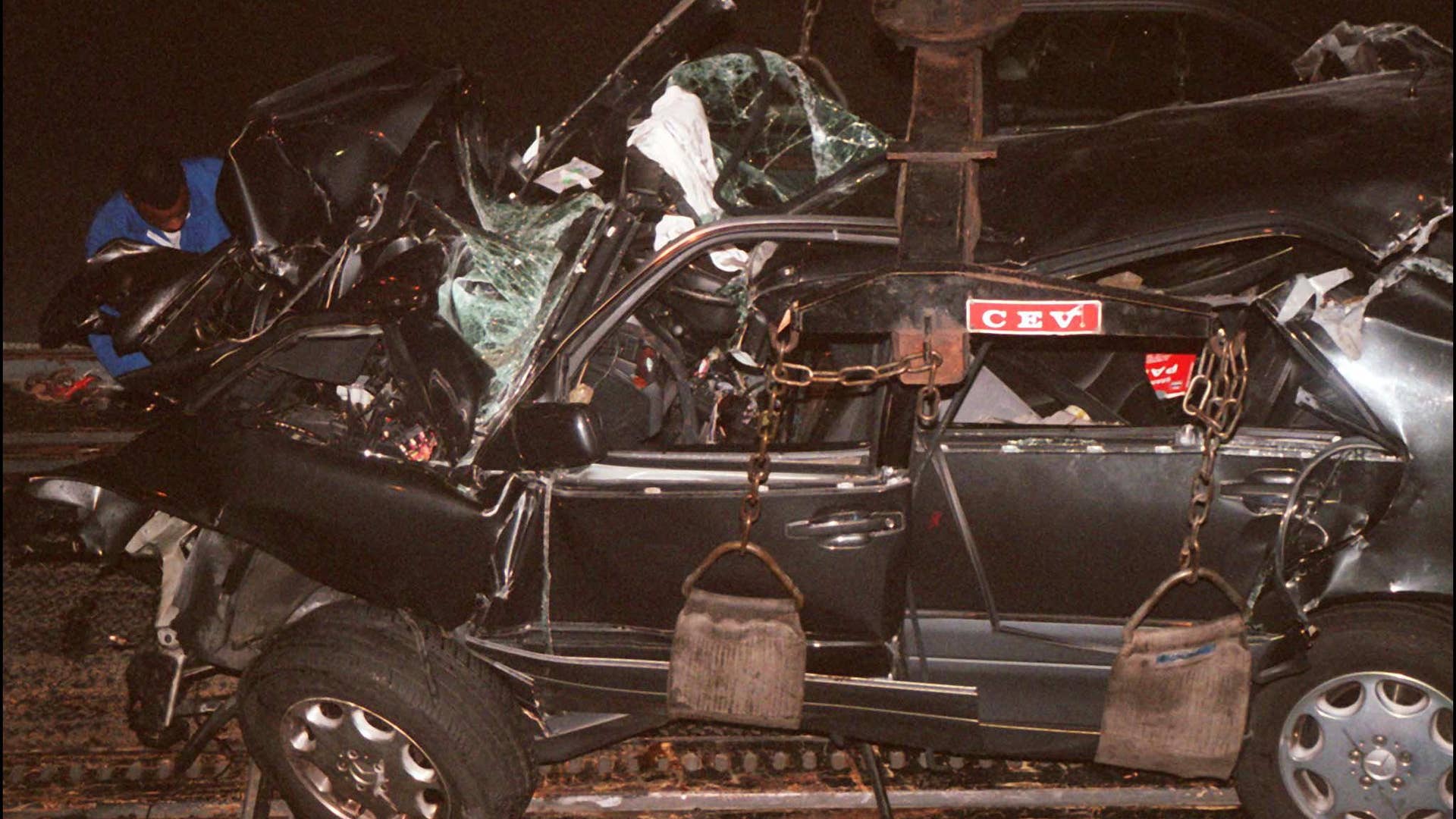
On the night of August 31, 1997, a black 1994 Mercedes-Benz S280 (W140) carrying Diana, Princess of Wales, Dodi Fayed, driver Henri Paul, and bodyguard Trevor Rees-Jones collided with the thirteenth pillar of the Pont de l'Alma tunnel in Paris, France. Following behind the vehicle was a contingent of freelance photojournalists and paparazzi on motorbikes and in cars, seeking photographs of the Princess and Fayed after their departure from the Hôtel Ritz Paris.
Immediately after the collision at approximately 12:23 a.m. CEST, several photographers arrived at the wreckage before emergency services. Photographs were taken of the crushed vehicle, its interior, and the severely injured occupants. Within minutes, officers from the Police Nationale and emergency responders (Sapeurs-Pompiers de Paris) arrived, cordoned off the crash site, and arrested seven photographers present at the scene.
French authorities immediately seized memory cards, rolls of film, and camera equipment under criminal investigation procedures. The initial detention of the photographers centered on two primary legal allegations under French law:
- Manslaughter (homicide involuntair): Investigating whether the aggressive pursuit by photojournalists caused or contributed directly to the driver losing control.
- Non-Assistance to Persons in Danger (non-assistance à personne en danger): A specific mandate under Article 223-6 of the French Penal Code requiring individuals to render aid or call emergency service personnel when witnessing a person in life-threatening peril, rather than taking photographs.
While the manslaughter charges against the photographers were formally dropped in 1999 after investigations revealed driver intoxication and excessive speed as the primary crash causes, three photographers were later convicted in 2006 of invasion of privacy under French civil law for taking photos of Dodi Fayed and Princess Diana inside the vehicle.
Legal Suppression and French Privacy Law
The absolute absence of graphic scene imagery across mainstream press networks stems directly from stringent legal protections established under French jurisprudence. Unlike US First Amendment protections or broader UK common law provisions, France enforces exceptionally strict statutory personal privacy rights.
Article 9 of the French Civil Code
Under Article 9 of the Code civil des Français, every individual possesses an inherent right to the respect of their private life ("Chacun a droit au respect de sa vie privée"). French courts have consistently held that this right extends to individuals within private or enclosed spaces, including the interior of a motor vehicle. Furthermore, French privacy doctrine protects the dignity of deceased or dying individuals, granting surviving family members the right to seek emergency injunctions (référés) to block publication of imagery depicting severe bodily harm or death.
Key Legal Landmark: The 2006 Paris Court of Appeal Ruling
In 2006, France's Court of Appeal (Cour d'appel de Paris) upheld civil privacy violations against three photojournalists who took images through the open doors and smashed windows of the Mercedes-Benz. The court affirmed that an automobile on a public highway remains a private space under Article 9 when its occupants seek shelter from public view, and taking photos of people trapped in a damaged vehicle constitutes an illegal intrusion.
Evidence Seizure and Criminal Archival Rules
All photographs captured by paparazzi at the scene were designated as physical evidence (pièces à conviction) in the French judicial inquiry led by Judge Hervé Stephan. Under French criminal procedure (Code de procédure pénale):
- Photographic Evidence Retention: Original negatives, prints, and digital storage media were locked within judicial vaults at the Tribunal de Grande Instance de Paris.
- Strict Secrecy of Inquiries: Article 11 of the French Code of Criminal Procedure enforces strict confidentiality on judicial inquiries (secret de l'instruction). Unauthorized leaks of evidence files by public officials constitute a serious criminal offense.
- Injunctions Against International Syndication: When photo agencies attempted to market distant shots of the damaged car, emergency court actions filed by Earl Spencer (Diana's brother) and the Fayed estate resulted in strict court orders banning press distributors from reproducing or licensing the images worldwide.
Official Inquests and Public Archival Records
While graphic photographs depicting victims inside the vehicle remain strictly sealed under court order, extensive visual forensic evidence was gathered, evaluated, and selectively made public through official governmental inquiries.
Two major state investigations meticulously documented the physical facts of the crash: the French judicial inquiry (1997–1999) and the British Metropolitan Police investigation, known as Operation Paget (2004–2006), followed by the British Royal Courts of Justice Inquest (2007–2008).
- Crash Site Collision (Pont de l'Alma)
- Paparazzi Film/Digital Storage (Confiscated by French Police under Article 223-6)
- French Judicial Inquiry Files (Judge Stephan Archive / Sealed under Article 11)
- Operation Paget & UK Inquest Records (Redacted Visual Evidence Released to Public Archive)
Operation Paget (2004–2006)
Led by John Stevens, Baron Stevens of Kirkwhelpington (former Commissioner of the Metropolitan Police), Operation Paget investigated numerous conspiracy theories surrounding the crash. The final 832-page report, published in December 2006, incorporated exhaustive technical analysis of visual records, including:
- CCTV camera footage tracking the path of the Mercedes S280 from the Ritz Hotel at Place Vendôme along the Place de la Concorde to the Voie Express.
- Photographic reconstructive diagrams of collision vectors, tire marks, and paint transfers (specifically examining contact with a white Fiat Uno).
- Detailed architectural blueprints and forensic photography of the 13th pillar of the Pont de l'Alma tunnel.
The 2007–2008 British Inquest Evidence
Presided over by Lord Justice Scott Baker at the High Court of London, the inquest into the deaths of Princess Diana and Dodi Fayed established a public evidence portal. The court released hundreds of non-graphic visual exhibits to ensure judicial transparency.
The official evidence catalog accessible through National Archives repositories includes:
- Vehicle Reconstruction Imagery: Photographs of the wreckage taken after the car was towed to a secure French police facility, showing structural deformation for engineering analysis.
- Redacted Exterior Photos: Long-range photographs of the Pont de l'Alma tunnel entrance and exit taken by police scene-of-crime officers (Identité Judiciaire).
- Speed and Trajectory Reconstructions: Computer-generated 3D visual models mapping the vehicle's speed (calculated between 60 mph to 65 mph / 96 km/h to 105 km/h upon impact) based on photographic telemetry.
Visual Artifacts and Public Availability Analysis
To clarify what material exists, where it is held, and its public accessibility, the following table details the legal status of visual records associated with the accident.
| Material Category | Originating Source | Primary Legal Status | Current Repository Location | Public Accessibility |
|---|---|---|---|---|
| Interior Paparazzi Photos | Freelance Photographers | Confiscated / Illegal under Article 9 | French Judicial Archives (Palais de Justice) | Sealed Permanently (Strict criminal & civil bans) |
| Wreckage Exterior Photos | French Forensic Police (Identité Judiciaire) | Official Evidentiary Record | French Ministry of Justice / UK National Archives | Restricted / Public Reconstructions Only |
| Ritz Hotel CCTV Footage | Hotel Security Systems | Court Exhibit (Operation Paget) | UK National Archives (FOI Repository) | Public (Widely archived in documentaries) |
| Tunnel Telemetry & Diagrams | Metropolitan Police / Inquest | Public Record | UK Parliamentary Archives / National Archives | Fully Public (Accessible online via official archives) |
| Post-Crash Vehicle Inspection | Transport Research Laboratory (TRL) | Technical Forensic Evidence | French / UK Transport Police Archives | Public Technical Reports (Non-graphic images only) |
Ethical Shifts in Global Photojournalism
The ethical fallout from the events in the Pont de l'Alma tunnel marked a major turning point in modern media standards, self-regulation, and privacy legislation across the globe.
UK Press Regulation Reforms
Following the tragedy, public outrage over paparazzi tactics forced an immediate overhaul of media codes of practice. The UK's Press Complaints Commission (PCC)—succeeded in 2014 by the Independent Press Standards Organisation (IPSO)—significantly tightened its rules regarding harassment and privacy:
- Strict Definition of Harassment: Code Clause 3 (Harassment) was rewritten to prohibit persistent pursuit, intimidation, and unauthorized photography of individuals in public or private spaces.
- Protection of Victims of Grief and Shock: Code Clause 4 mandated that inquiries and photojournalism must be handled with sympathy and discretion, prohibiting intrusive photography of individuals experiencing severe trauma or medical distress.
US Legislative Amendments: Anti-Paparazzi Statutes
In the United States, particularly in California, the incident spurred targeted privacy legislation to curtail dangerous photojournalism practices.
In 1998, California enacted California Civil Code Section 1708.8 (often termed the Anti-Paparazzi Act). The law created legal liability for physical invasions of privacy committed with the intent to capture visual images or sound recordings of individuals engaging in personal or family activities. Subsequent amendments increased financial penalties for photographers who engage in reckless driving or obstruct traffic while attempting to capture commercial imagery.
Online Misinformation, Deepfakes, and Digital Hoaxes
Despite the legal suppression of original crash scene photos, search queries regarding "Princess Diana accident pictures" regularly lead to malicious websites, sensationalized clickbait, and visual hoaxes.
Common Visual Misrepresentations
- Mislabeled Stills from Film Recreations: Images from docudramas, such as the 2007 television film Diana: Last Days of a Princess or subsequent dramatic series like The Crown, are frequently cropped, filtered with grain, and passed off on social media as authentic crime scene photos.
- Altered Medical Photographs: Fabricated or manipulated images showing unrelated trauma victims are periodically uploaded by disreputable domains to drive advertising revenue via shock value.
- AI-Generated Deepfakes and Synthetics: Advanced generative AI models have introduced a new wave of synthetic visual fabrications. Fact-checking organizations continuously flag synthetic images claiming to show "unseen emergency room footage" or "secret tunnel captures."
Digital Security Risks
Security researchers consistently identify queries for restricted historical accident photos as high-risk vectors for malware delivery. Web domains claiming to host "uncensored" or "leaked" images of sensitive historical tragedies often employ aggressive dynamic scripts designed to:
- Trigger drive-by downloads containing Trojan software or ransomware.
- Redirect users to deceptive phishing pages soliciting credit card details or personal identifiers.
- Force browser notification permissions to push persistent adware and fraudulent security alerts.
Frequently Asked Questions
Were any paparazzi pictures of Princess Diana's crash ever published?
No legitimate mainstream newspaper, magazine, or broadcast network has ever published graphic pictures showing Princess Diana inside the vehicle after the crash. While a few foreign tabloid publications briefly ran heavily pixelated, long-range shots of the exterior of the wrecked car in the immediate aftermath, prompt legal action and global media boycotts prevented the publication of interior or close-up victim imagery.
What happened to the cameras seized by French police at the crash site?
The cameras, memory media, and film rolls confiscated from photographers at the Pont de l'Alma tunnel were formally seized as evidence by the French judicial authorities. They remain securely archived within the French court system (Palais de Justice) under strict evidence retention protocols.
Did Operation Paget release official accident photos?
Operation Paget released extensive non-graphic visual evidence, including CCTV stills of the vehicle prior to the crash, forensic diagrams of the collision path, photos of the damaged tunnel infrastructure, and technical photos of the Mercedes wreckage taken during vehicle testing. Graphic imagery of the victims was excluded entirely from the public report.
Are photographs from the 2007–2008 British inquest available to the public?
Yes, non-graphic evidence photographs presented to the jury during the Royal Courts of Justice inquest were published on the official court website and are permanently preserved within the UK National Archives. These include technical diagrams, site maps, vehicle inspection pictures, and traffic camera stills.
How does French law prevent the publication of these photographs today?
French privacy law (Article 9 of the Civil Code) protects individual privacy and extends dignity protections against intrusive imagery of medical distress or death. Surviving family members hold permanent legal standing to obtain immediate court injunctions, seize publications, and impose severe financial penalties on any entity attempting to distribute unauthorized images within French jurisdiction.
Authoritative Historical Research Resources
Researchers seeking verified, factual historical records regarding the investigation into the death of Princess Diana should rely exclusively on official state archives and judicial publications:
- The National Archives (UK): Holds public records, transcriptions, and evidence exhibits from the 2007–2008 Royal Courts of Justice Inquest into the deaths of Diana, Princess of Wales, and Dodi Fayed.
- Metropolitan Police Service (UK): Publishes executive summaries and historical background documentation relating to the findings of Operation Paget.
- L'Institut National de l'Audiovisual (INA - France): Provides historical press footage and official French government statements issued during the 1997–1999 judicial inquiry led by Magistrate Hervé Stephan.
Image Gallery