Comprehensive Guide to Denver Light Rail Routes: Navigation, Maps, and 2026 Schedules
Denver’s light rail system, operated by the Regional Transportation District (RTD), consists of several key lines connecting downtown Denver to the suburbs and the airport. Primary routes include the D, E, H, R, and W light rail lines,...
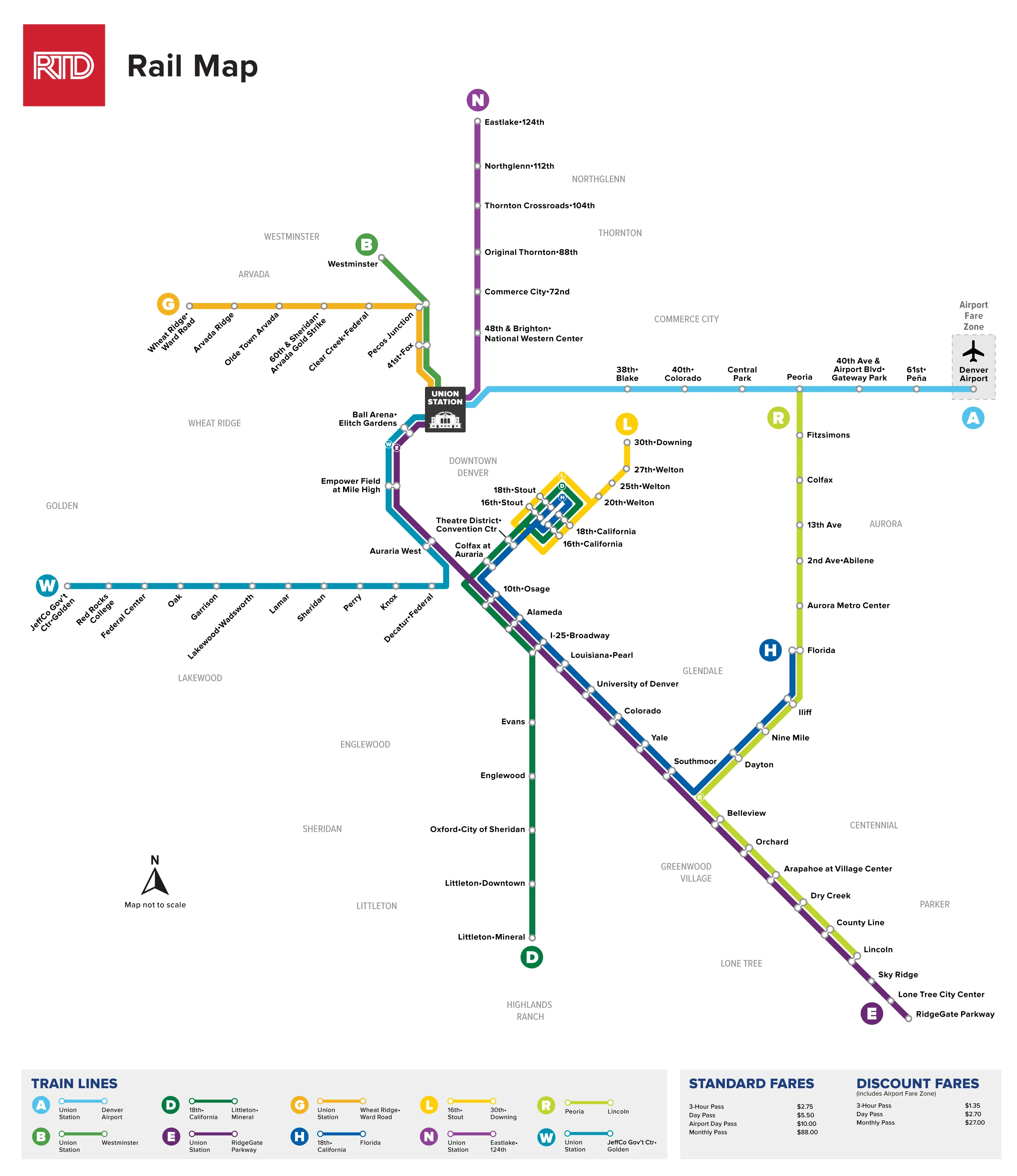
Denver’s light rail system, operated by the Regional Transportation District (RTD), consists of several key lines connecting downtown Denver to the suburbs and the airport. Primary routes include the D, E, H, R, and W light rail lines, alongside the A, B, G, and N commuter rail lines. Together, they cover over 113 miles of track, providing essential transit for commuters and tourists across the metropolitan area.
Contents
The Denver rail network is the backbone of the city's public infrastructure, designed to alleviate traffic congestion along the I-25 and I-70 corridors. As we navigate 2026, the system has matured significantly following major reconstruction efforts in the downtown loop and fare restructuring. Understanding the nuances of the "light rail" versus "commuter rail" distinction is crucial for efficient travel, as these systems utilize different technology, boarding platforms, and service frequencies.
Understanding the RTD Rail Ecosystem: Light Rail vs. Commuter Rail
In Denver, the term "light rail" is often used colloquially to describe any train on tracks, but RTD officially manages two distinct types of rail services. Distinguishing between them is necessary because they often depart from different areas of a single station, such as Denver Union Station.
Light Rail (D, E, H, R, W Lines)
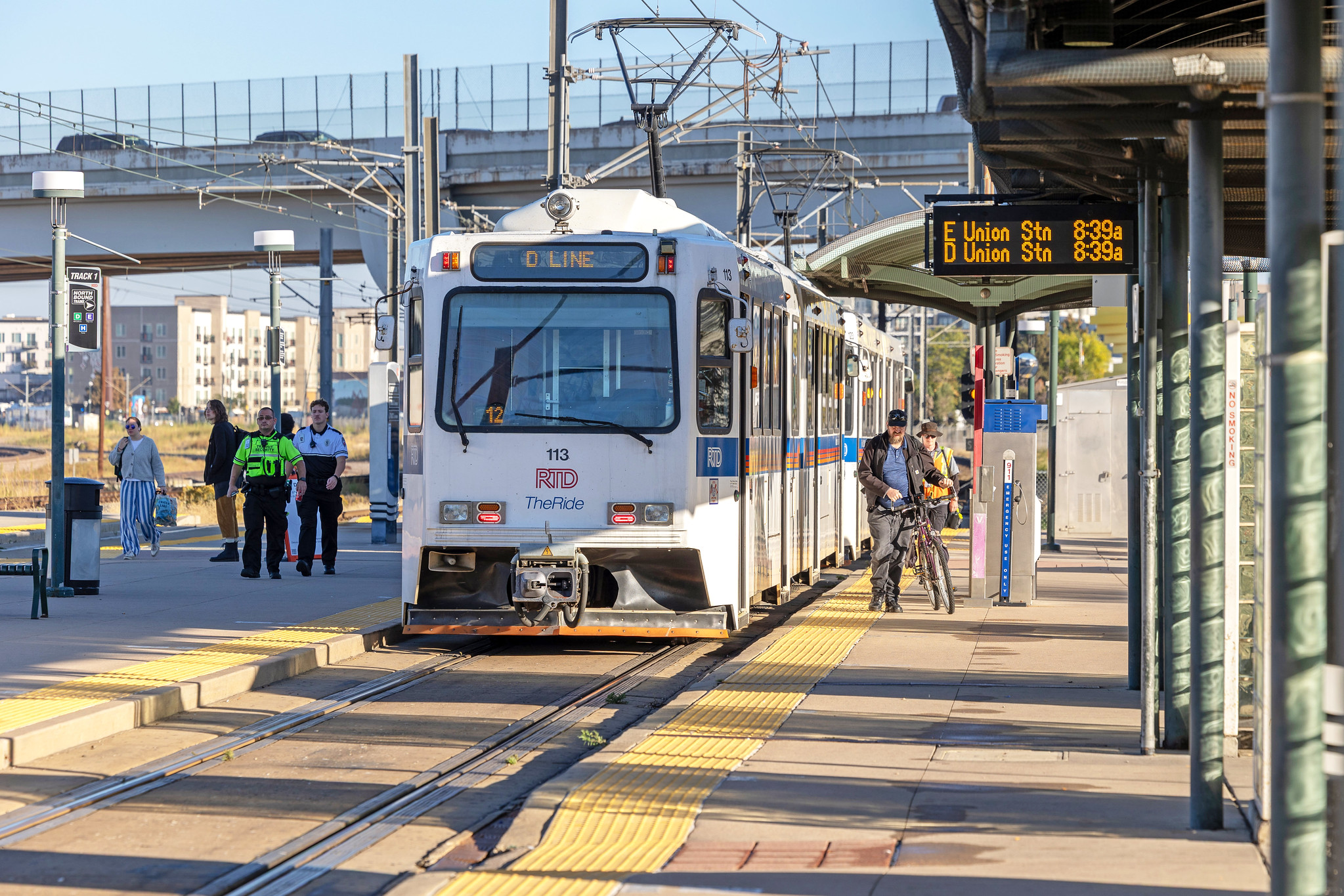
Denver’s light rail vehicles are powered by overhead electric lines and typically consist of two to four cars. These trains are "high-floor" vehicles, meaning passengers must step up or use a ramp to board from the platform. The light rail system primarily serves the southern and western corridors, including the Denver Tech Center (DTC), Littleton, Golden, and Aurora. Because these trains operate on tracks integrated more closely with city streets in some areas, they have a different operational rhythm than the heavy rail counterparts.
Commuter Rail (A, B, G, N Lines)
The commuter rail system uses heavier, faster trains designed for longer distances with fewer stops. These are "level-boarding" trains, allowing passengers with luggage, wheelchairs, or bicycles to roll directly onto the car from the platform without climbing steps. The most famous of these is the A Line, which connects downtown to Denver International Airport (DIA). These lines utilize the Positive Train Control (PTC) safety system and generally maintain higher speeds than light rail.
Major Denver Light Rail Routes and Corridors
The light rail network is organized into corridors that radiate from the city center. By 2026, service patterns have stabilized following the multi-phase "Downtown Rail Reconstruction Project" that previously impacted the D and H lines.
The Southeast Corridor (E, H, and R Lines)
This is the most heavily trafficked section of the light rail system, serving the massive employment hubs in the Denver Tech Center and the southern suburbs of Lone Tree and Greenwood Village.
- E Line: Runs from Denver Union Station to RidgeGate Parkway in Lone Tree. This is the primary route for commuters living in the south metro area who work in the central business district. It follows the I-25 corridor, providing a reliable alternative to the often-congested highway.
- H Line: Connects the 18th & Stout station (downtown) to the Florida Station in Aurora. It shares tracks with the E line until the I-25/Broadway split, then heads east along the I-225 corridor.
- R Line: Unlike most lines, the R Line acts as a bypass or "loop" through Aurora. It connects the Lincoln Station in the south to the Peoria Station in the north, where riders can transfer to the A Line for airport access. This line is critical for reaching the University of Colorado Anschutz Medical Campus.
The West and Southwest Corridors (D and W Lines)
These lines serve the historic residential areas and the foothills of the Rocky Mountains.
- D Line: Runs from 18th & Stout to the Littleton-Mineral Station. This was Denver’s first light rail line and remains a vital link for South Broadway and the city of Littleton.
- W Line: Connects Union Station to the Jefferson County Government Center in Golden. This route passes by Empower Field at Mile High (home of the Denver Broncos) and provides access to the Federal Center in Lakewood. It is a popular route for those looking to reach the western edge of the metro area for hiking or government business.
The Commuter Rail Network: Reaching the Airport and Beyond
While technically distinct from light rail, the commuter rail lines are essential for understanding the total "route" map of Denver.
The A Line: University of Colorado A Line
The A Line is the "crown jewel" of the RTD system. Stretching 23 miles from Union Station to Denver International Airport, it offers a 37-minute travel time that is often faster than driving during peak hours. The line runs every 15 minutes for the majority of the day, making it the most frequent rail service in the network.
The North and Northwest Lines (B, G, N Lines)
- B Line: A short segment currently running from Union Station to Westminster.
- G Line: Connects Union Station to Arvada and Wheat Ridge, serving the historic Olde Town Arvada district.
- N Line: Runs north from Union Station to Thornton and Northglenn, terminating at the Eastlake/124th Station.
| Line | Type | Primary Termini | Key Destinations |
|---|---|---|---|
| A Line | Commuter | Union Station to Airport | DIA, Central Park, Peoria |
| D Line | Light Rail | Downtown to Littleton-Mineral | Old Town Littleton, South Broadway |
| E Line | Light Rail | Union Station to RidgeGate Pkwy | DTC, Fiddler's Green, Sky Ridge |
| G Line | Commuter | Union Station to Wheat Ridge | Olde Town Arvada, Regis University |
| H Line | Light Rail | Downtown to Florida Station | Aurora, Nine Mile Station |
| N Line | Commuter | Union Station to Eastlake/124th | Thornton, Northglenn |
| R Line | Light Rail | Peoria to Lincoln Station | Anschutz Medical Campus, Aurora Metro Center |
| W Line | Light Rail | Union Station to Golden | Empower Field, Lakewood, Golden |
Fares and Payment for Denver Rail in 2026
RTD implemented a simplified fare structure to make the system more accessible. As of 2026, the complexity of "zones" has been largely removed in favor of a flat-fare model for most services.
- Standard Fare: A single ride on any light rail or commuter rail line (excluding the airport) costs $2.75. This includes a 3-hour transfer window, allowing you to switch between buses and trains.
- Airport Fare: Travel that starts or ends at Denver International Airport (A Line) requires a $10.00 fare. This fare also functions as a Day Pass, granting unlimited rides on the entire RTD system for that calendar day.
- Day Pass: For $5.50, riders can enjoy unlimited travel across all non-airport routes.
- Discount Programs: RTD offers a 50% discount for seniors (65+), individuals with disabilities, and Medicare recipients. The LiVE program provides significant discounts for low-income riders who qualify based on household income.
How to Buy Tickets
Riders are encouraged to use the RTD MyRide app, which allows for contactless payment and "fare capping." With fare capping, the system automatically stops charging you once you've reached the price of a Day Pass or Monthly Pass, ensuring you always get the best value. Physical tickets can also be purchased at Ticket Vending Machines (TVMs) located at every rail station platform.
Navigating Denver Union Station
Denver Union Station (DUS) is the central nexus for the entire route system. However, it is a large complex, and new riders often find it confusing.
- Commuter Rail Platforms: The A, B, G, and N lines depart from the open-air tracks located directly behind the historic Crawford Hotel.
- Light Rail Stations: The E and W lines depart from the "Chestnut Pavilion" light rail platforms, which are a short walk (about 2-3 blocks) from the main historic terminal.
- Underground Bus Concourse: Many regional buses depart from the 22-gate underground terminal that sits between the commuter rail and light rail tracks.
When planning a trip that requires a transfer at Union Station, allow at least 10 minutes to walk between the different platform areas, especially if you are navigating with luggage.
Parking and "Park-n-Ride" Facilities
Most suburban light rail stations feature Park-n-Ride lots. These facilities are designed for commuters who drive to the station and take the train for the final leg of their journey.
- Fees: Parking is generally free for riders whose vehicles are registered within the RTD district for the first 24 hours. For those outside the district, or for stays exceeding 24 hours, daily fees apply (typically $2.00 to $4.00).
- Security: While most lots are monitored by cameras and transit police, it is recommended to remove all valuables from your vehicle.
- Availability: Major hubs like the Nine Mile, Mineral, and RidgeGate stations have large multi-level garages, but they can fill up early on Tuesday and Wednesday mornings when commuter volume is highest.
Safety and Rider Etiquette
Safety on the Denver light rail is managed by RTD Transit Police and contracted security. In 2026, RTD has increased the presence of transit ambassadors who assist with navigation and ensure a safe environment.
- The Yellow Line: Always stand behind the tactile yellow strip on the platform until the train comes to a complete stop.
- Bicycles: Bikes are welcome on all trains. On light rail, use the designated areas at the ends of the cars. On commuter rail, use the racks located near the doors.
- Right of Way: In downtown Denver, light rail trains often share the road with cars. Never attempt to "beat" a train at a crossing; they cannot stop quickly and have the right of way.
Frequently Asked Questions
Does the Denver light rail run 24 hours a day?
No, the rail system does not operate 24/7. Most lines begin service around 3:30 AM or 4:00 AM and end around midnight or 1:00 AM. The A Line to the airport has the longest service hours to accommodate early flights. Always check the specific schedule for your line on the RTD website or app, as weekend hours are often reduced.
How do I get from Denver International Airport to downtown?
Take the University of Colorado A Line from the station located directly under the Westin Hotel at DIA. The train arrives at Denver Union Station in approximately 37 minutes. Tickets are $10.00 and can be purchased on the platform or via the MyRide app.
Are dogs allowed on the Denver light rail?
Service animals are always permitted. Small pets are allowed only if they are kept in a proper carrier that can be held on the passenger's lap. Non-service dogs are generally not allowed on the trains otherwise.
What should I do if the train is delayed or the route is changed?
RTD provides real-time service alerts through their website and the "RTD Service Alerts" Twitter/X account. If a rail segment is closed for maintenance, RTD typically provides "Bus Bridges," which are shuttle buses that carry passengers between the affected stations.
Can I use the same ticket for the bus and the light rail?
Yes. A standard 3-hour fare or a Day Pass is valid for both RTD buses and rail lines. If you use a physical ticket, keep it as your proof of payment. If using the app, your active ticket screen serves as your transfer.
Final Recommendation for Commuters and Travelers
For the most seamless experience on the Denver light rail route, download the RTD MyRide app before you arrive at the station. It eliminates the need to wait in line at ticket machines and provides the most accurate real-time arrival data. If you are visiting Denver, staying near a station on the E Line or W Line offers the best balance of suburban quiet and easy access to the vibrant downtown core. Always verify your specific route's "Current Status" before heading out, as Denver's commitment to infrastructure maintenance means periodic weekend closures are common.
Image Gallery