Foundation Repair with Anchors in Practice: A Technical Implementation Guide
In practice, foundation repair with anchors involves installing high-strength steel systems—such as plate anchors or helical piers—to stabilize or straighten failing structures. By extending into stable "passive" soil zones, these anch...
In practice, foundation repair with anchors involves installing high-strength steel systems—such as plate anchors or helical piers—to stabilize or straighten failing structures. By extending into stable "passive" soil zones, these anchors counteract hydrostatic pressure or vertical settlement, providing a permanent mechanical solution that transfers structural loads away from unstable, shifting earth.
Contents
Understanding the Role of Anchors in Foundation Stabilization
Foundation failure typically manifests in two ways: lateral movement (bowing or leaning walls) and vertical movement (settlement or sinking). In 2026, the use of mechanical anchors remains the industry standard for addressing these issues without requiring the total replacement of the foundation.
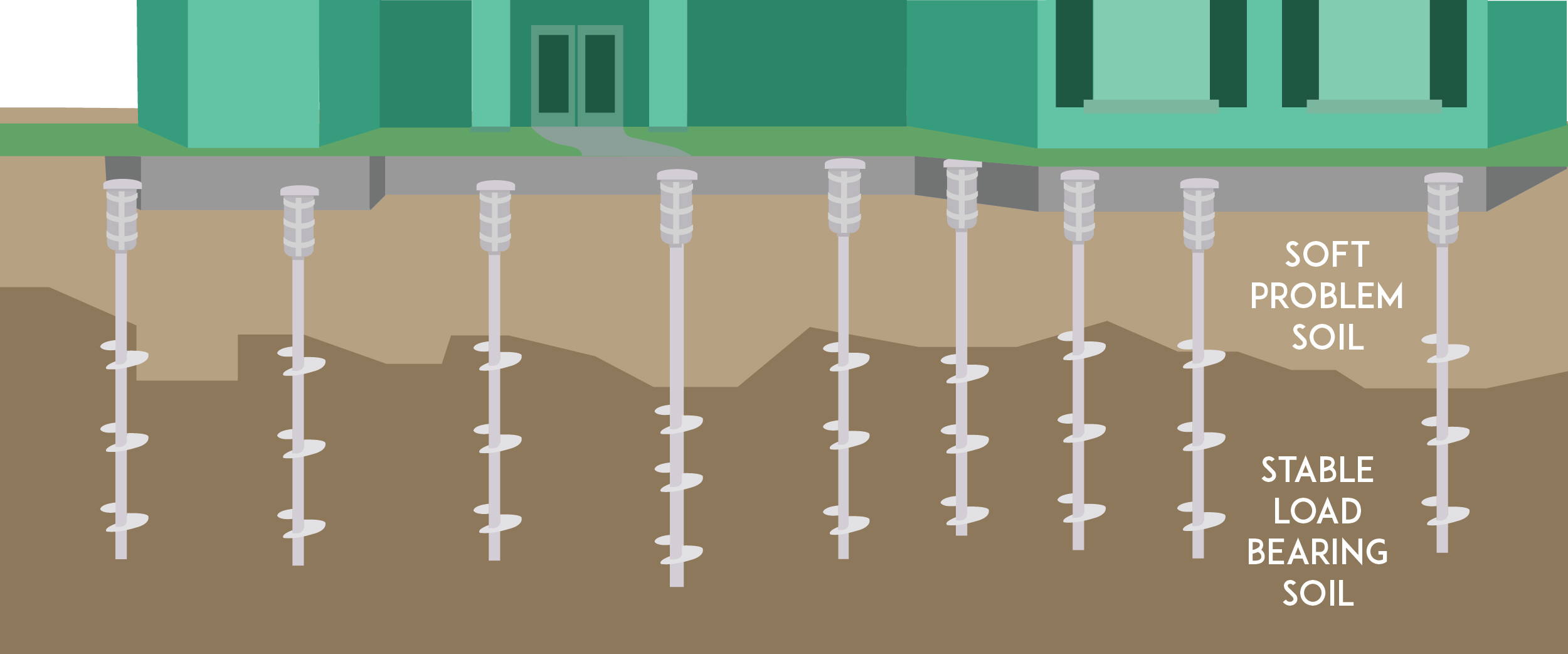
Anchors work on the principle of load transfer. When the soil immediately surrounding a foundation becomes saturated or overly desiccated, it loses its ability to support the weight of the structure or begins to exert excessive inward pressure. Anchors bypass this "active zone" of volatile soil, reaching deeper, more stable strata to provide a fixed point of resistance.
The Mechanics of Soil Pressure
To understand how anchors function in practice, one must consider hydrostatic pressure and expansive clay. When soil absorbs water, it expands; when it dries, it shrinks. This constant cycling creates a "pumping" action against foundation walls. Over decades, this pressure exceeds the structural capacity of concrete blocks or poured concrete, leading to horizontal cracks and inward bowing. Anchors counteract this by using the weight of the soil further away from the house to "pull" the wall back into place or simply hold it stationary.
Primary Types of Foundation Anchors Used in 2026
There are two dominant anchor systems used in modern practice. While both are made of galvanized steel for corrosion resistance, their applications differ significantly based on the direction of the structural failure.
1. Wall Anchors (Plate Anchors)
Wall anchors are the primary choice for correcting bowed or leaning basement walls. The system consists of three main components: an interior wall plate, a heavy-duty steel connecting rod, and an exterior earth anchor.
In practice, the exterior anchor is buried in the yard, approximately 12 to 15 feet away from the foundation. The rod connects the interior plate to this exterior anchor. As the nut on the interior plate is tightened, it creates a clamping force that stabilizes the wall.
2. Helical Anchors (Helical Piers)
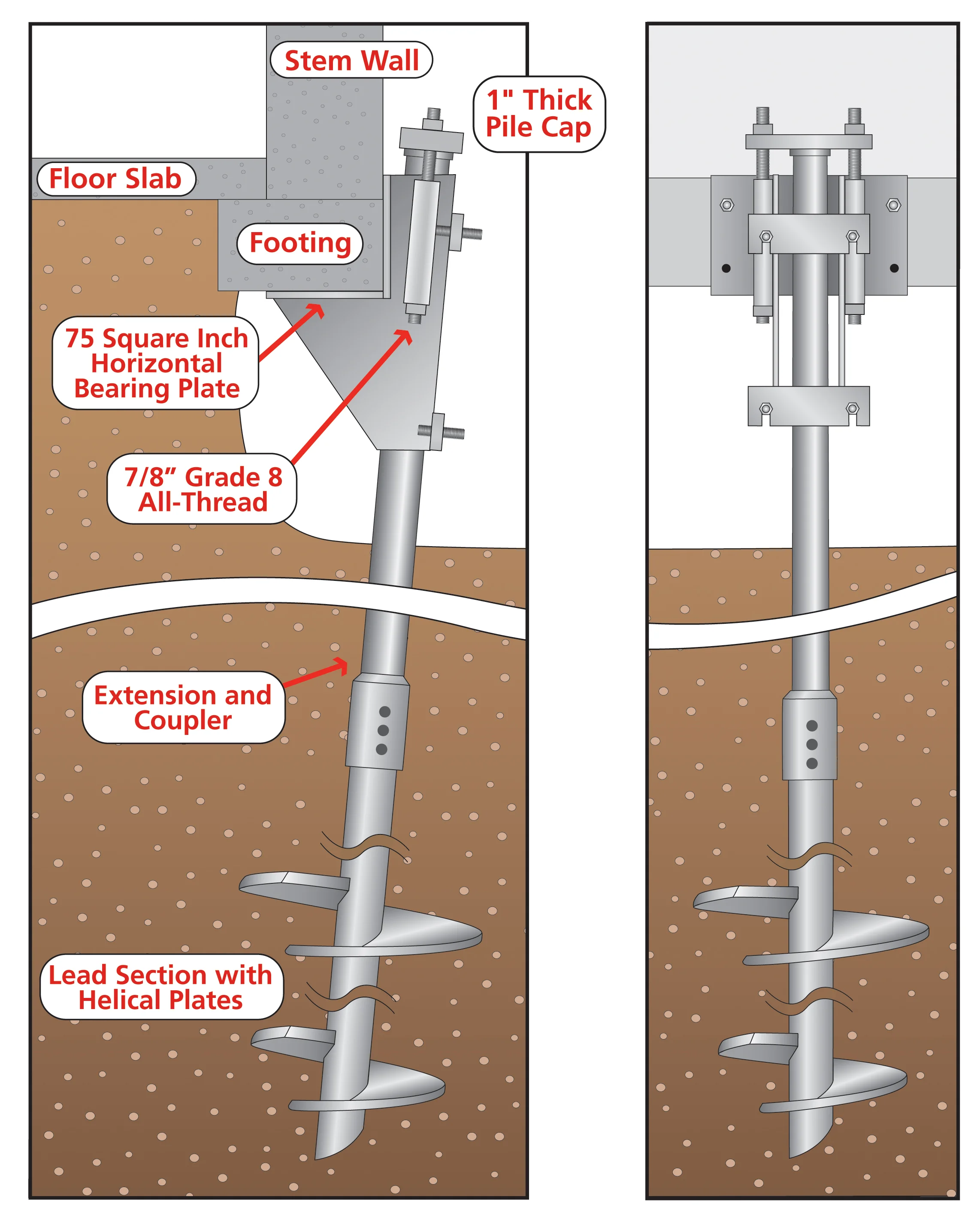
Helical anchors resemble large screws. They are mechanically "driven" into the ground using hydraulic machinery until they reach a specific torque rating that correlates to the required load-bearing capacity. These are used primarily for vertical settlement—when a corner or side of a house is sinking. Unlike plate anchors, which provide lateral pull, helical anchors provide vertical lift and support.
The Installation Process: Step-by-Step in Practice
Implementing an anchor system is a precise engineering task that requires specialized equipment and a deep understanding of local soil mechanics.
Phase 1: Site Assessment and Engineering
Before any earth is moved, a structural engineer or a certified foundation specialist must determine the "load-to-depth" ratio. In 2026, many contractors use ground-penetrating radar (GPR) to locate underground utilities and assess soil density. The engineer specifies the number of anchors needed and their exact spacing—usually every 5 to 8 feet along a failing wall.
Phase 2: Exterior Excavation
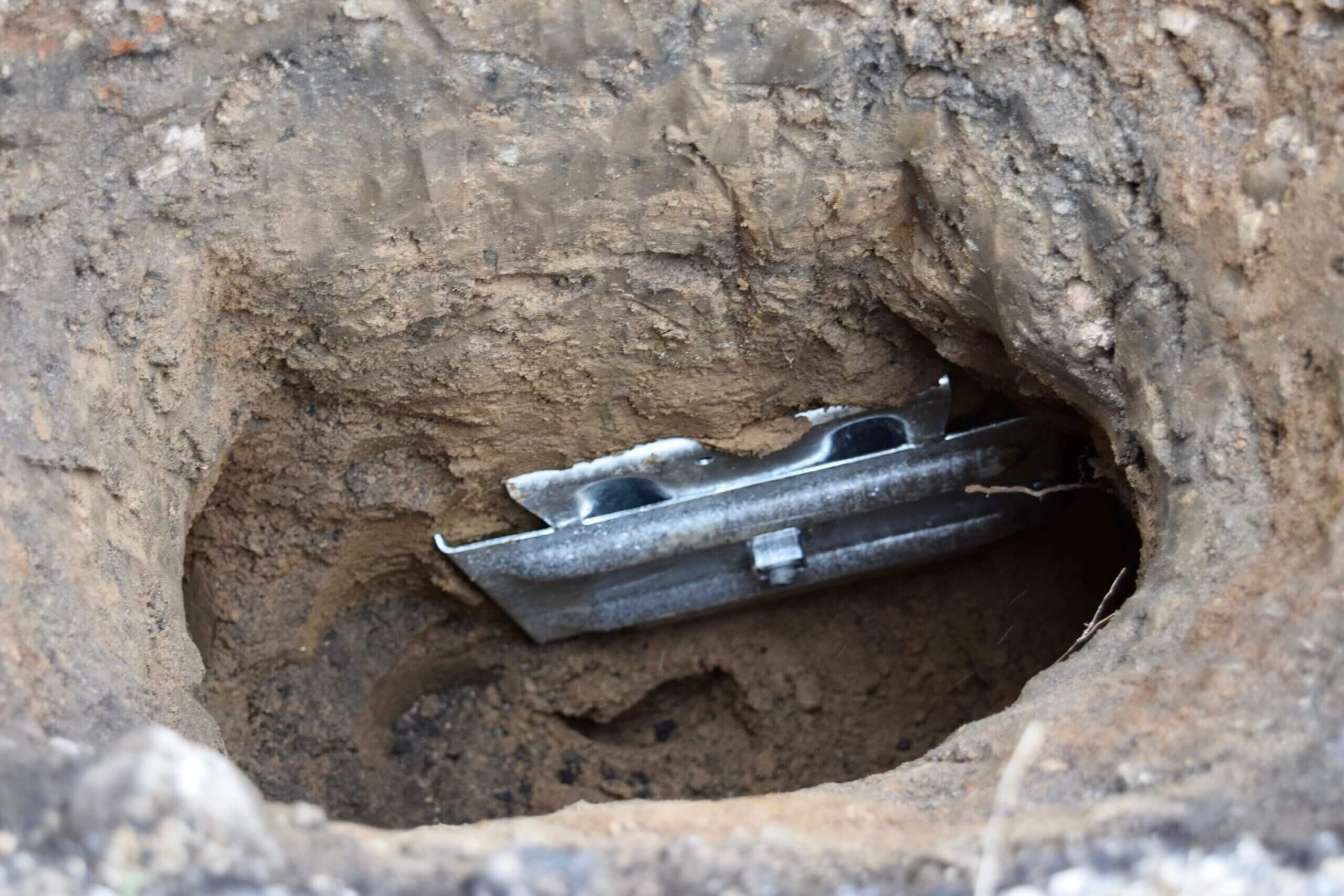
For plate anchors, small holes are excavated in the yard at the determined distance from the house. These holes are typically 2x2 feet and deep enough to reach stable soil. A small hole is also drilled through the foundation wall from the inside to allow the steel rod to pass through.
Phase 3: Driving the Anchors
- For Plate Anchors: The steel rod is pushed through the wall into the exterior hole. The earth anchor (a large steel plate) is attached to the rod in the exterior hole, and the hole is backfilled and compacted.
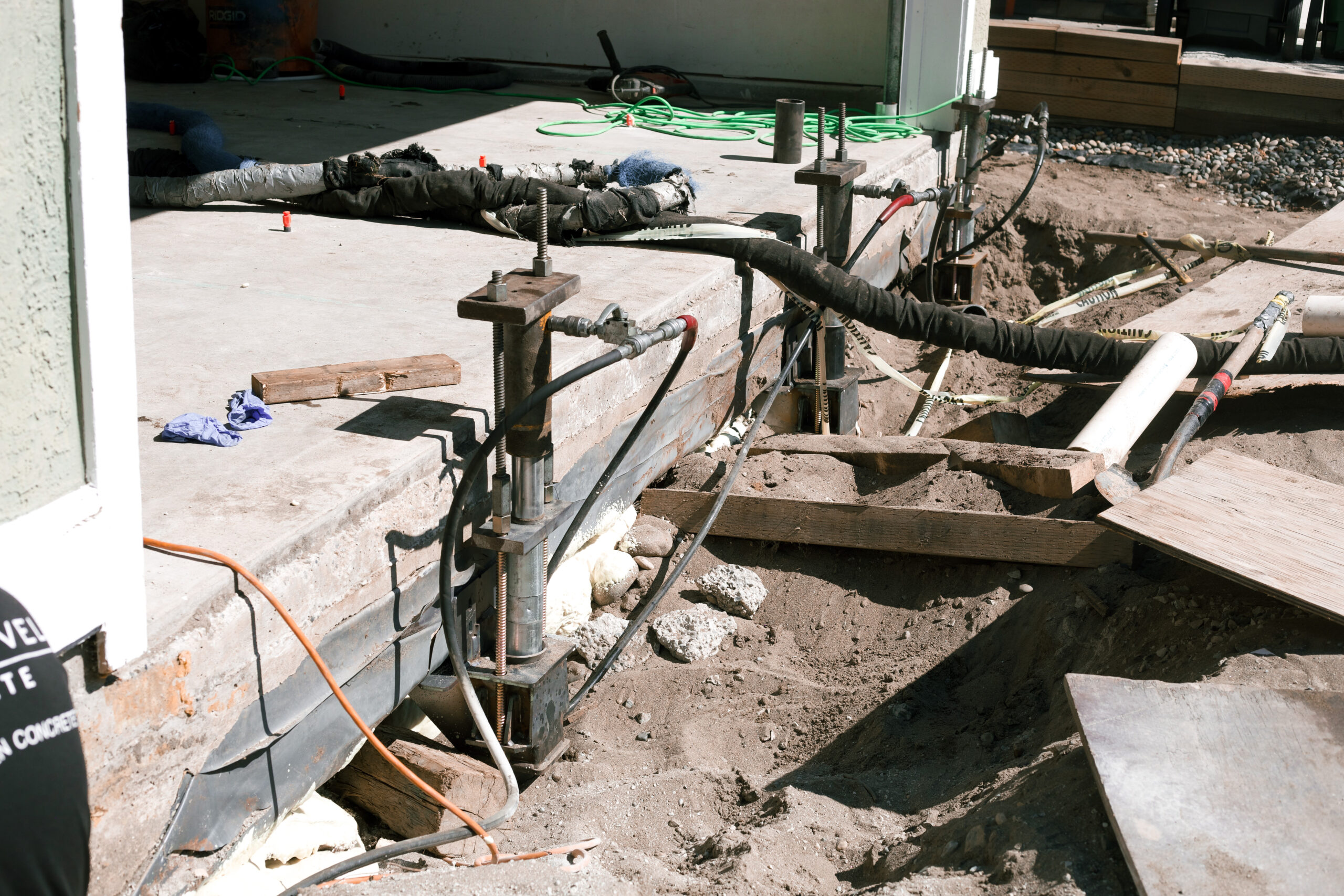
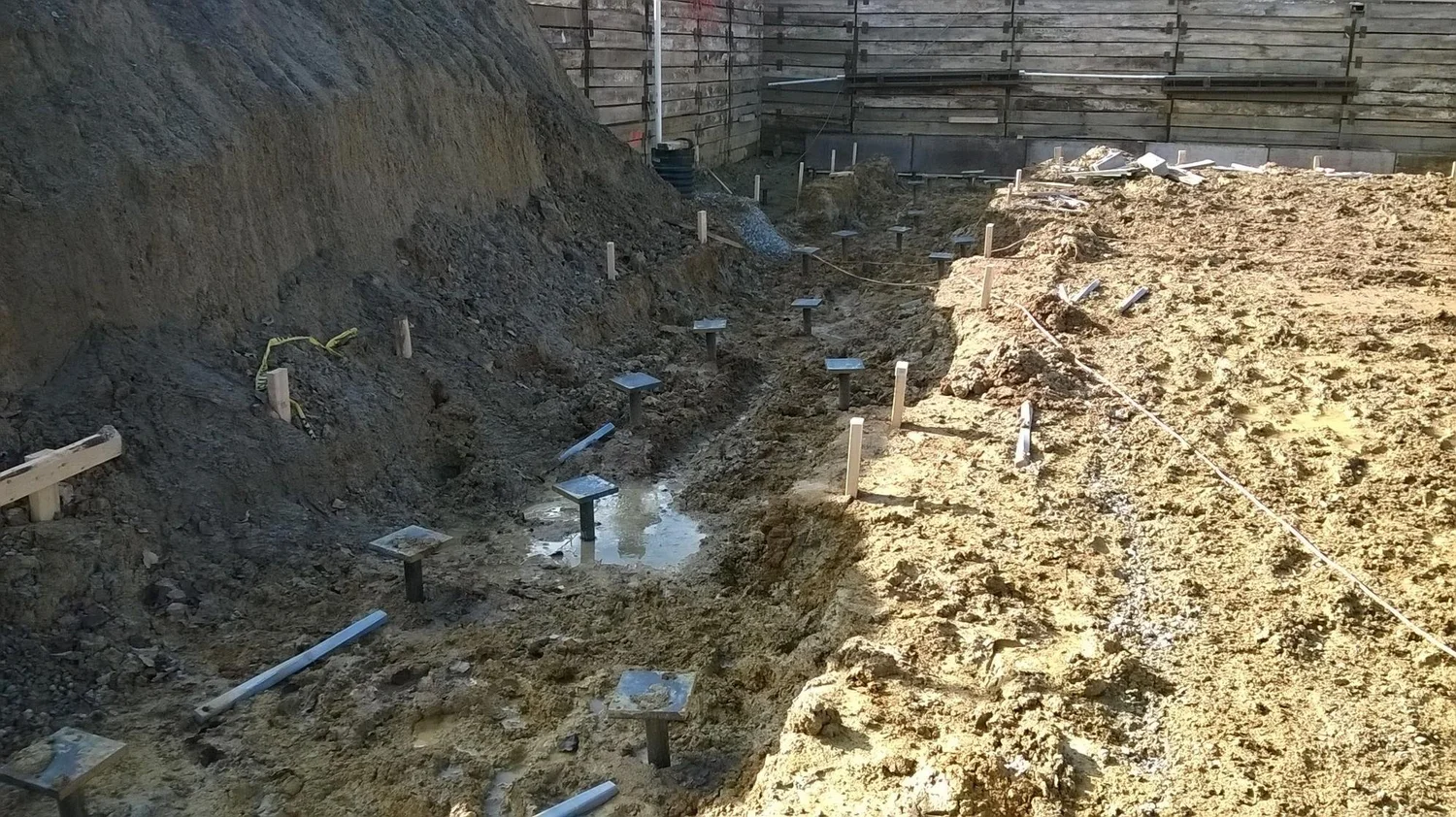
- For Helical Anchors: No large-scale excavation is required for the anchor itself, though the foundation footing must be exposed at each pier location. The helical pier is screwed into the earth using a hydraulic drive head.
Phase 4: Tensioning and Loading
Once the anchors are set, the interior wall plates are installed. For wall anchors, a technician uses a torque wrench to tighten the assembly to a specific foot-pound rating. If the goal is to straighten the wall over time, the anchors are tightened periodically during dry seasons when the soil pulls away from the foundation. For helical piers, hydraulic jacks are used to transfer the weight of the house onto the piers, sometimes lifting the structure back to its original elevation.
Technical Specifications and Comparative Analysis
Choosing the right system depends on the severity of the damage and the soil composition. Below is a comparison of the most common anchor-based solutions available in 2026.
| Feature | Plate Wall Anchors | Helical Anchors (Piers) | I-Beam Wall Braces |
|---|---|---|---|
| Primary Use | Bowing/Leaning Walls | Sinking/Settling Foundations | Severely Bowed Walls |
| Mechanical Action | Lateral Tension | Vertical Compression | Lateral Resistance |
| Installation Depth | 12–15 ft (Horizontal) | 15–50+ ft (Vertical) | Floor to Ceiling |
| Straightening Potential | High (over time) | High (immediate) | Low |
| Disturbance | Minimal Yard Digging | Moderate Footing Digging | Interior Only |
| 2026 Est. Cost | $900 – $1,400 per unit | $2,200 – $4,000 per unit | $800 – $1,200 per unit |
Practical Challenges and Troubleshooting
Despite the effectiveness of anchor systems, certain "in practice" variables can complicate the repair.
Soil Competency Issues
If the soil 15 feet away from the house is as unstable as the soil near the foundation (often the case in high-plasticity clay regions), the exterior plate anchor may "creep." This means the anchor itself moves toward the house under tension. In these instances, contractors must use longer rods or switch to a "deadman" anchor—a large concrete block poured around the anchor plate to increase its surface area and resistance.
Utility Obstructions
In urban environments, buried gas lines, fiber optic cables, and sewer mains often prevent the installation of plate anchors. If the "clear zone" of 12-15 feet is unavailable, engineers often pivot to helical tie-backs. These function like plate anchors but are screwed in at an angle, requiring no exterior excavation and avoiding most shallow utility lines.
Interior Obstacles
Basements that are already finished require the removal of drywall and framing to access the concrete or masonry wall. This adds significant cost to the project. Homeowners must weigh the cost of deconstructing a finished basement against the structural necessity of the repair.
Cost Considerations in 2026
The cost of foundation repair with anchors is influenced by the "depth to competence"—how deep or far the anchors must go to find stable soil.
- Material Costs: High-grade galvanized steel prices remain volatile. In 2026, expect materials to account for 30-40% of the total invoice.
- Labor and Equipment: Specialized hydraulic machinery and certified technicians are required. A typical residential project requiring 8 to 10 anchors often takes 2 to 3 days to complete.
- Permitting and Engineering: Most jurisdictions require a building permit and a post-installation letter from a professional engineer (PE) to certify that the repair meets local building codes. This typically adds $500 to $1,500 to the total project cost.
Long-term Maintenance and Performance
Once installed, anchors are largely "set it and forget it" systems, but they do require initial monitoring. For wall anchors intended to straighten a wall, the homeowner or contractor may need to tighten the tension nut by a quarter-turn every few months during dry weather.
Modern anchors are designed to last 75 to 100 years. The galvanization process protects the steel from the corrosive elements found in soil, such as high acidity or moisture. Most reputable contractors in 2026 offer transferable lifetime warranties, which is a critical factor for property resale value. A house with a repaired foundation and a warranty is often more attractive to buyers than a house with visible cracking and no remediation.
FAQs
Can foundation anchors be installed from the inside?
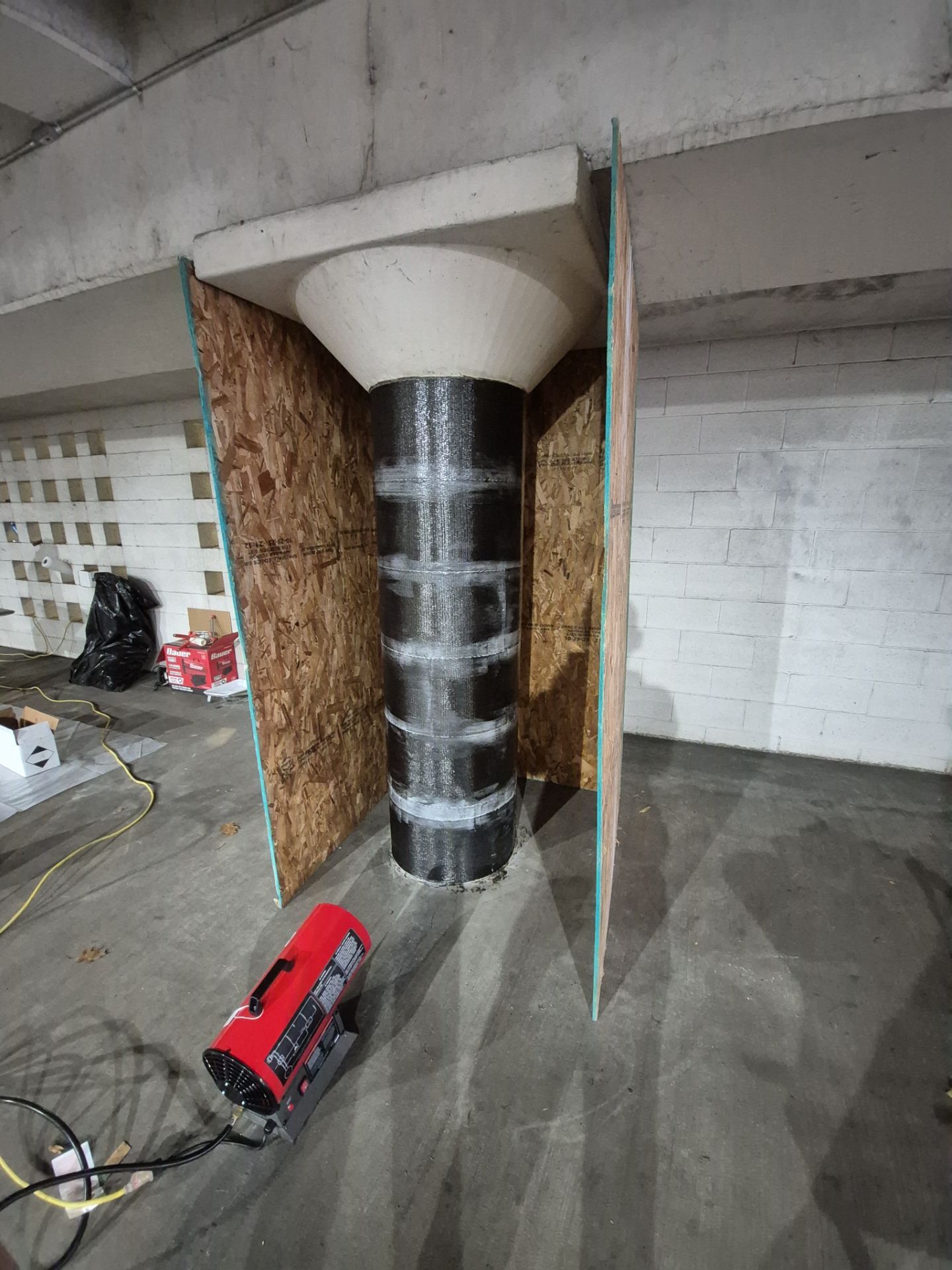
Yes, the rods for plate anchors are driven from the inside through a small hole in the wall. However, plate anchors still require a small excavation in the exterior yard to attach the earth plate. If exterior access is completely blocked, helical tie-backs or carbon fiber straps are used instead.
How do I know if I need anchors or just crack injection?
Crack injection is a cosmetic or waterproofing solution for non-structural "shrinkage" cracks. If the crack is wider than 1/4 inch, is horizontal, or if the wall is physically leaning inward, crack injection will fail. Anchors are necessary when the structural integrity of the wall is compromised.
Will anchors damage my landscaping?
Plate anchors require small holes (roughly the size of a large flower pot) in the yard. While this disrupts the grass or mulch temporarily, it is far less invasive than "exterior waterproofing," which requires digging a trench around the entire perimeter of the house.
Is the straightening of the wall guaranteed?
Stability is guaranteed; total straightening is not always possible. If a wall has been bowed for decades, the masonry may have "set" in that position. While anchors can often pull a wall back to plumb, the primary goal is to stop further movement and prevent collapse.
Do foundation anchors work in sandy soil?
In sandy soil, plate anchors have less "grip" because sand lacks the cohesive properties of clay. In these environments, helical anchors are preferred because they rely on the mechanical threads of the screw rather than the passive weight of a soil "clump."
Practical Recommendation
If you observe horizontal cracking or inward bowing in your basement, the first step is to hire an independent structural engineer who does not sell repair services. In 2026, an unbiased assessment is vital to ensure you are not over-sold on the number of anchors required. Once the engineer provides a remediation plan, solicit bids from contractors who specialize specifically in anchor-based systems and who provide ICC-ES (International Code Council Evaluation Service) certified products. Always ensure the contractor performs a utility "locate" before driving any rods or piers into your property.
Image Gallery