What Human Food Can Turtles Eat? Safe Foods, Risks, and Diet Guidelines
Turtles can eat a variety of fresh human foods as healthy supplemental treats, provided they match the specific dietary needs of the species. Safe options include dark leafy greens like collard and dandelion greens, vegetables such as...
Turtles can eat a variety of fresh human foods as healthy supplemental treats, provided they match the specific dietary needs of the species. Safe options include dark leafy greens like collard and dandelion greens, vegetables such as carrots and squash, and small portions of plain, cooked lean meats or fish for omnivorous aquatic species. Human food should never replace a balanced commercial reptile diet.
Contents
Veterinary Disclaimer: This guide provides general educational information regarding reptile nutrition. Dietary requirements vary significantly depending on whether your turtle is aquatic, semi-aquatic, or terrestrial, as well as its age and health status. Always consult a licensed exotic pet veterinarian before making major changes to your turtle's diet.
Understanding Species-Specific Turtle Diets
Before introducing any human food to your turtle's dish, you must identify your pet's exact species. Turtles, tortoises, and terrapins have vastly different nutritional requirements shaped by their natural habitats and digestive anatomy. Feeding the wrong food type—such as offering high-protein meat to a herbivorous tortoise—can lead to severe health complications, including kidney failure, pyramiding, and Metabolic Bone Disease (MBD).
- Turtle Dietary Types
- Aquatic Turtles (Sliders, Painted)
- Omnivorous (Shift to plants as adults)
- Box Turtles (Semi-Aquatic)
- Omnivorous (Balanced plants & proteins)
- Tortoises (Terrestrial)
- Strictly Herbivorous (High fiber)
- Aquatic Turtles (Sliders, Painted)
Aquatic and Semi-Aquatic Turtles
Popular pet species such as Red-Eared Sliders, Painted Turtles, Yellow-Bellied Sliders, and Mud Turtles are omnivorous. Hatchlings and juveniles require a diet rich in protein (often 50% to 70% of their intake) to support rapid shell and tissue growth. However, as these turtles mature into adults, their digestive systems shift. Adult aquatic turtles require a diet composed primarily of plant matter—roughly 70% to 80% dark leafy greens and vegetables—complemented by 20% to 30% commercial pellets and animal protein.
Terrestrial Box Turtles
North American Box Turtles and Asian Box Turtles are opportunistic omnivores throughout their lives. Their diet typically consists of a 50/50 split between plant material (leafy greens, vegetables, and occasional fruits) and protein sources. Unlike aquatic turtles, box turtles forage on land and digest a broader array of terrestrial vegetation and fruit.
Tortoises (Terrestrial Species)
Tortoises, such as Russian, Hermann's, Greek, and Sulcata tortoises, are strictly herbivorous. Their digestive systems are biological fermenters designed to process high-fiber, low-protein, and low-sugar grasses, hays, and leafy vegetation. Feeding animal protein, processed foods, or high-sugar human foods to a tortoise causes rapid shell deformities, liver damage, and fatal renal failure.
Safe Human Vegetables and Leafy Greens
Fresh vegetables and leafy greens from your local grocery store make excellent staples and supplements for omnivorous turtles and herbivorous tortoises alike. The key to choosing safe greens is evaluating their calcium-to-phosphorus (Ca:P) ratio. Turtles require a diet with a Ca:P ratio of at least 2:1 to support bone integrity and shell development.
- Recommended Leafy Greens
- Collard Greens (Optimal Ca:P)
- Dandelion Greens (Nutrient Rich)
- Turnip Greens (High Calcium)
High-Calcium Leafy Greens (Ideal Staples)
- Collard Greens: Highly recommended for all plant-eating reptiles due to an exceptional calcium-to-phosphorus ratio and low oxalate content.
- Dandelion Greens: Packed with calcium, Vitamin A, and beneficial fiber. Ensure they are sourced from pesticide-free areas if collected outdoors.
- Turnip Greens and Mustard Greens: Nutrient-dense greens that provide essential micronutrients and excellent texture.
- Escarole and Endive: Great options for daily rotation, offering good hydration and solid mineral balance.
Hydrating and Fiber-Rich Vegetables (Feed in Moderation)
- Romaine Lettuce and Red Leaf Lettuce: These greens provide hydration and moderate nutrition. They are far superior to iceberg lettuce, which consists almost entirely of water and lacks significant nutritional value.
- Carrots: Rich in beta-carotene, which the turtle's body converts into Vitamin A. Vitamin A is critical for preventing hypovitaminosis A, a common deficiency in pet turtles that causes swollen eyes, respiratory infections, and skin lesions. Serve raw carrots finely shredded or lightly steamed to prevent choking.
- Butternut Squash and Pumpkin: Excellent sources of fiber and Vitamin A. Peel and cook slightly to soften before feeding.
- Zucchini and Cucumber: High in water content, making them good choices for hydration during hot summer months, though they should be paired with more nutrient-dense greens.
Safe Human Protein Foods (Omnivorous Species Only)
When feeding animal protein from human kitchens to aquatic turtles or box turtles, food must always be plain, unseasoned, low-fat, and fully cooked. Never add oils, butter, salt, garlic, onion, or spices, as these ingredients are toxic to reptiles.
- Safe Animal Proteins (Aquatic & Semi-Aquatic Species Only)
- Boiled Chicken (Unseasoned)
- Cooked White Fish (Fresh)
- Hard-Boiled Eggs (Plain)
Safe Cooked Meats and Seafood
- Boiled Chicken or Turkey Breast: Skinless, unseasoned poultry provides lean protein. Serve cut into small, bite-sized pieces as an occasional treat (once or twice a month).
- Freshwater Fish Fillets: Plain cooked trout, tilapia, or salmon offer healthy fats and protein. Avoid raw store-bought fish, which can carry parasites, and avoid fish species that contain high levels of thiaminase. Thiaminase is an enzyme that destroys Vitamin B1 (thiamine) in the turtle's body, leading to neurological disorders.
- Shrimp: Plain, boiled, shelled shrimp can be offered to aquatic turtles sparingly. Remove all hard shell fragments if feeding smaller turtles to prevent internal blockage.
- Hard-Boiled Eggs: Boiled egg whites and yolks offer a protein boost. You can also finely crush the boiled eggshell and mix it into greens to provide a natural calcium supplement.
Fruits as Occasional Treats
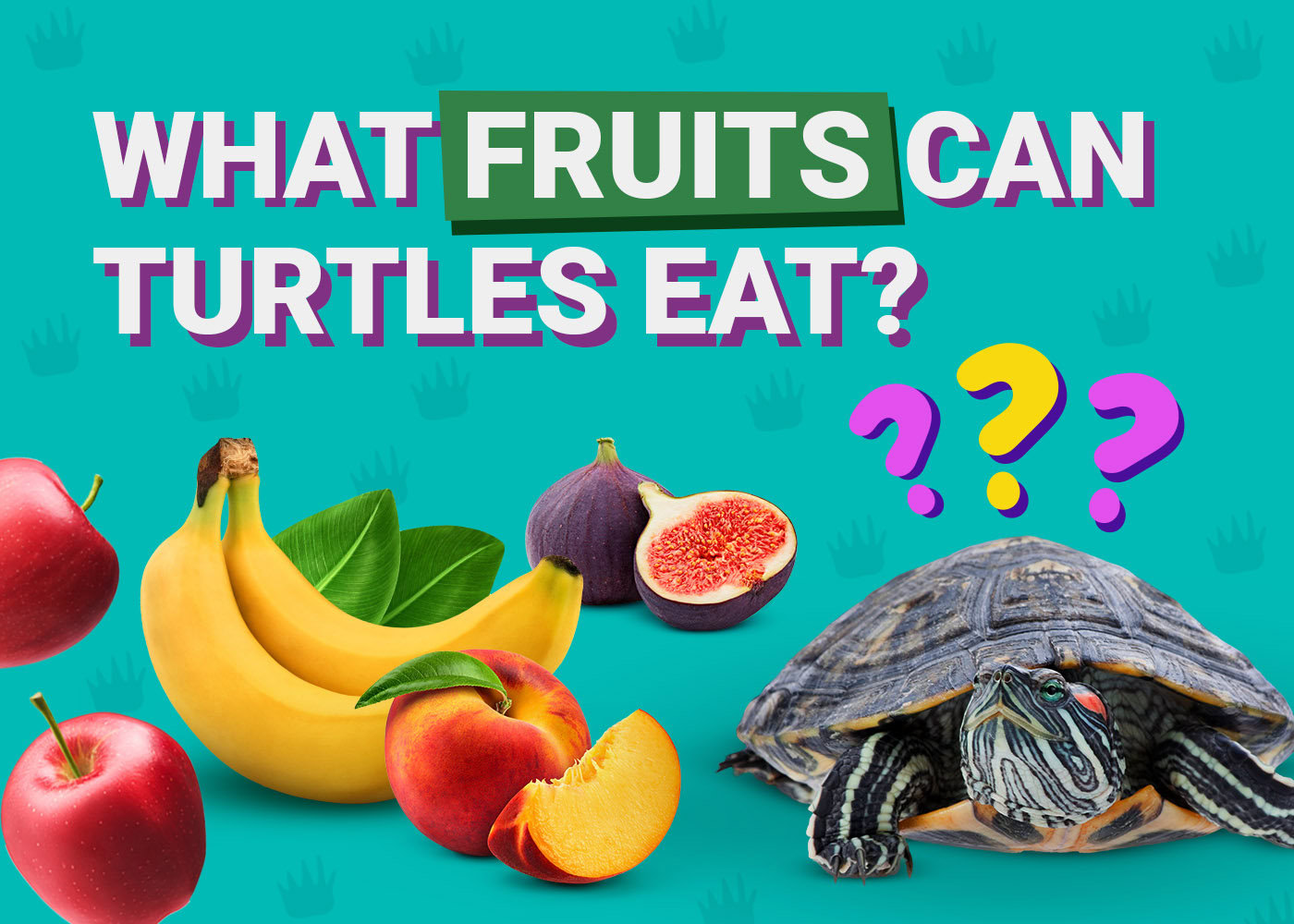
Fruit should be treated strictly as a rare indulgence for omnivorous turtles and certain box turtle species. Because fruit is high in simple sugars, excessive amounts can disrupt the natural gut flora in a turtle's digestive tract, leading to diarrhea, bloat, and systemic yeast overgrowth. For strictly herbivorous tortoises, fruit should generally be avoided entirely, with a few exceptions for fruit-eating species like Red-Footed tortoises.
- Safe Fruit Selections (Occasional Treats)
- Berries (Blue/Straw/Rasp)
- Seedless Apple Slices
- Melon / Papaya (Rich in Vit A)
Acceptable Fruits (Less than 5% to 10% of total diet)
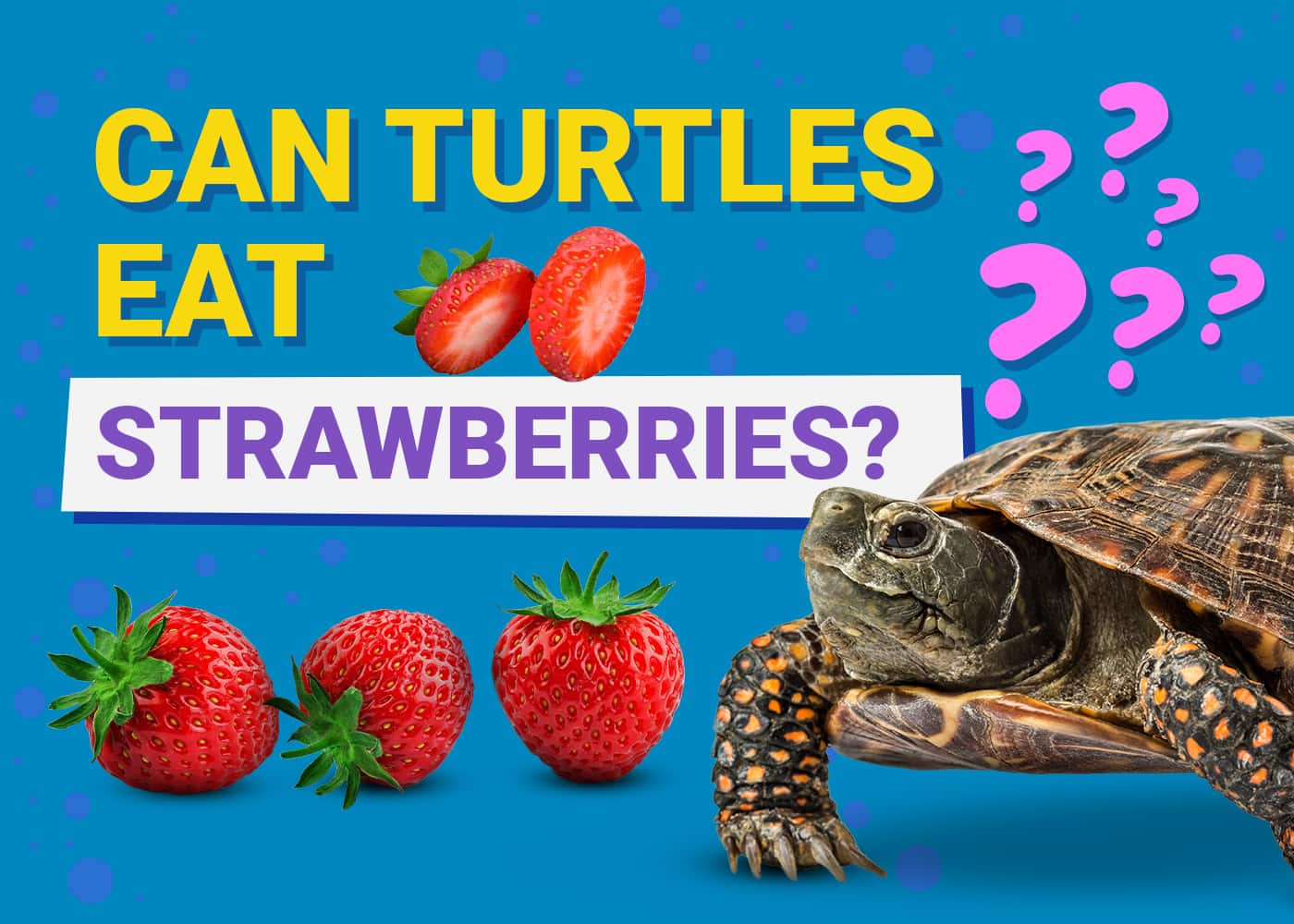
- Berries: Blueberries, raspberries, and strawberries are high in antioxidants and generally favored by box turtles and aquatic adults.
- Apples: Thinly sliced, seedless apple pieces offer texture and hydration. Always remove apple seeds, as they contain cyanogenic glycosides which release toxic cyanide when chewed or digested.
- Melons: Cantaloupe and watermelon provide excellent hydration during hot weather. Cantaloupe is particularly rich in Vitamin A.
- Papaya and Mango: Bright, beta-carotene-rich fruits that can stimulate the appetite of a picky or recovering turtle.
Dangerous and Toxic Human Foods to Avoid
Many standard kitchen items that are completely safe for humans can cause acute toxicity, severe intestinal blockage, or chronic metabolic failure in reptiles.
- Toxic Foods (Never Feed)
- Dairy Products
- High Oxalates
- Processed Meats
- Toxic Plants
- Raw Nightshades
1. Dairy Products (Milk, Cheese, Yogurt, Butter)
Reptiles do not possess the enzyme lactase, which is required to break down lactose found in dairy. Feeding dairy products to turtles causes severe intestinal fermentative distress, bloating, painful cramping, and extreme diarrhea.
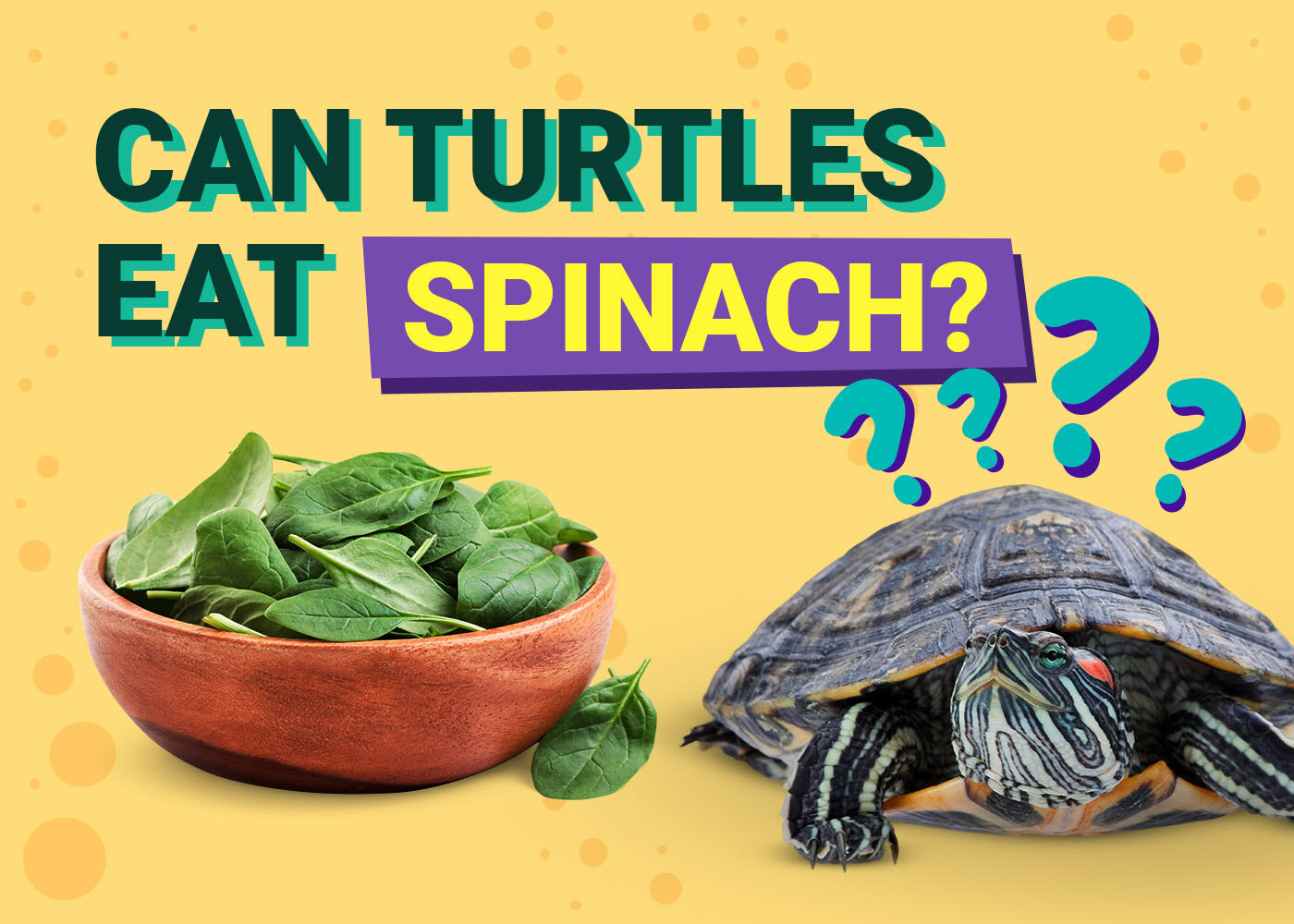
2. High-Oxalate Vegetables (Spinach, Swiss Chard, Beet Greens)
Oxalic acid (oxalates) binds directly to dietary calcium inside the turtle's digestive tract, forming insoluble calcium oxalate. This prevents the turtle's body from absorbing essential calcium, directly contributing to Metabolic Bone Disease (MBD), shell softening, and skeletal deformities. While small amounts of spinach are not immediately fatal, high-oxalate foods should be largely excluded from their diet.
3. Processed Meats and Junk Food
Bacon, sausages, hot dogs, deli meats, canned soups, bread, chips, and crackers must never be given to turtles. Processed meats contain dangerous levels of sodium, nitrates, nitrites, and saturated fats. Bread and baked goods swell in the turtle's stomach, causing impaction, and contain processed carbohydrates that disrupt digestive bacteria.
4. Toxic Fruits, Vegetables, and Plants
- Avocado: Contains persin, a fatty acid compound that acts as a cardiotoxin in many birds and reptiles, leading to heart failure and respiratory distress.
- Onions, Garlic, Chives, and Leeks: Members of the Allium family contain disulfides and thiosulfates that damage red blood cells, causing hemolytic anemia.
- Rhubarb: Extremely high in concentrated oxalic acid and anthraquinone glycosides, making it highly toxic to reptiles.
- Raw Solanaceae (Nightshades): Leaves, stems, and unripened fruit of tomatoes, potatoes, and eggplants contain solanine, a toxic glycoalkaloid. Fully ripe tomato flesh is non-toxic in tiny amounts, but the stems and raw potatoes are dangerous.
Human Food Compatibility Reference Table
The following table summarizes common human kitchen foods, detailing their suitability across different turtle species, proper preparation protocols, and nutritional notes.
| Food Item | Aquatic Turtles | Box Turtles | Tortoises | Recommended Frequency | Preparation & Safety Guidelines |
|---|---|---|---|---|---|
| Collard Greens | Safe | Safe | Safe | Daily / Regular Staple | Wash thoroughly; cut into manageable bite-sized strips. |
| Dandelion Greens | Safe | Safe | Safe | Daily / Regular Staple | Organic or pesticide-free only; offer stems and leaves raw. |
| Shredded Carrots | Safe | Safe | Moderate | 1–2 times per week | Shred finely or steam lightly to prevent choking hazards. |
| Boiled Chicken | Safe | Safe | Unsafe | Once every 2–4 weeks | Plain, fully cooked, unseasoned; cut into small pieces. |
| Fresh Blueberries | Rare Treat | Moderate | Unsafe | 1–2 times per month | Wash thoroughly; smash slightly for smaller turtles. |
| Spinach | Avoid | Avoid | Avoid | Not Recommended | High oxalates bind calcium; choose collard greens instead. |
| Plain White Fish | Safe | Safe | Unsafe | 1–2 times per month | Fully cooked, unseasoned; verify low thiaminase content. |
| Iceberg Lettuce | Avoid | Avoid | Avoid | Not Recommended | Low nutritional value; offers hydration without nutrients. |
| Hard-Boiled Egg | Safe | Safe | Unsafe | Once per month | Plain cooked; crush clean eggshell into greens for calcium. |
| Cheese / Milk | Toxic | Toxic | Toxic | NEVER | Reptiles cannot digest lactose; causes severe enteritis. |
| Avocado | Toxic | Toxic | Toxic | NEVER | Contains persin; potentially fatal cardiotoxin. |
How to Prepare and Serve Human Food Safely
Proper preparation is essential to prevent choking, bacterial contamination, and water fouling when feeding human food to turtles.
- Clean & Wash (Remove toxins & pesticides)
- Chop & Size (Prevent choke hazards)
- Cook Plain (No oils/salt or spices)
- Serve Safely (Prevent water fouling)
1. Washing and Decontaminating
Produce purchased from commercial markets often carries residual synthetic pesticides, herbicides, and waxes. Thoroughly rinse all greens and vegetables under cold running water. When possible, choose organic produce for your pets to minimize chemical exposure.
2. Sizing and Chopping
Turtles lack teeth; instead, they rely on a sharp keratin beak (ramphotheca) to tear food into pieces. Cut firm vegetables like carrots, squash, and sweet potatoes into thin ribbons using a vegetable peeler, or shred them finely. Cut leafy greens into strips sized appropriately for your turtle's head size to prevent accidental choking.
3. Cooking Guidelines
Vegetable matter should generally be served raw to preserve naturally occurring vitamins, although tough root vegetables can be lightly steamed to soften them. In contrast, all human meats, poultry, and fish must be cooked thoroughly to eliminate pathogens like Salmonella and E. coli. Never add cooking spray, olive oil, butter, salt, pepper, or seasonings.
4. Preventing Water Pollution (For Aquatic Turtles)
Feeding oily human foods or soft vegetables directly into an aquatic turtle's main aquarium can foul the water, clog filtration systems, and cause dangerous bacterial spikes.
To keep the main enclosure clean:
- Transfer your aquatic turtle into a separate, shallow plastic tub filled with warm water from their tank during feeding time.
- Allow the turtle 15 to 30 minutes to eat their food in the feeding tub.
- Remove the turtle and return them to the primary aquarium, discarding the dirty feeding water.
Supplementation: The Role of Calcium and Vitamin D3
Even a diet rich in healthy human foods can fall short of meeting a turtle's total calcium demands. In the wild, reptiles receive intense sunlight that allows them to synthesize Vitamin D3, enabling efficient calcium absorption. Indoors, pet turtles rely on high-quality UVB lighting and dietary supplementation.
Calcium Absorption Pathway
- Adequate Calcium Intake (Collard greens, crushed shell)
- UVB Exposure (Sunlight/Lamp)
- Synthesis of Active Vitamin D3
- Effective Bone/Shell Build
Calcium Dusting: Sprinkle a high-quality phosphorus-free calcium carbonate powder over fresh human greens 2 to 3 times per week for growing juveniles, and 1 to 2 times per week for adults.
Vitamin D3: If your turtle is housed indoors without direct access to natural sunlight, choose a calcium supplement that includes Vitamin D3, or ensure your UVB lamp is replaced according to manufacturer guidelines (typically every 6 to 12 months).
Cuttlebone: Placing a piece of natural cuttlebone (with the hard outer backing removed) in an aquatic turtle tank allows them to nibble on a continuous source of calcium at their own pace.
Frequently Asked Questions
Can turtles eat raw ground beef or steak?
No, turtles should not eat raw ground beef or steak. Red meat is extremely high in saturated fats and protein levels that far exceed a turtle's natural requirements. Furthermore, raw store-bought red meat carries a high risk of bacterial contamination like E. coli. High-fat diets lead to hepatic lipidosis (fatty liver disease) in captive reptiles.
Is iceberg lettuce safe for pet turtles?
Iceberg lettuce is not toxic, but it is highly discouraged. Iceberg lettuce consists almost entirely of water and lacks essential vitamins, minerals, and calcium. Feeding iceberg lettuce fills the turtle's stomach without providing meaningful nutrition, potentially leading to malnutrition over time. Opt for dark greens like collard, dandelion, or turnip greens instead.
Can turtles eat bread, rice, or pasta?
No. Turtles cannot digest processed grains, baked goods, or cooked starches like rice and pasta. These carbohydrates swell in the digestive tract, leading to painful bloating, potential intestinal impactions, and harmful fermentation by gut bacteria.
How often can I feed human food to my aquatic turtle?
Human foods should act as supplements rather than the core diet. Offer fresh leafy greens 4 to 5 times per week for adult aquatic turtles. Offer safe fruits or plain cooked meats only once or twice a month as a small treat. The base diet should remain a reputable, nutritionally complete commercial turtle pellet.
What should I do if my turtle accidentally eats a toxic food?
If your turtle ingests a toxic item like avocado, onion, chocolate, or food containing dairy, monitor them closely for signs of distress, such as lethargy, abnormal floating, vomiting, weakness, or swollen eyes. Contact an exotic veterinarian or a animal poison control center immediately for guidance.
Practical Next Steps for Turtle Owners
To safely integrate human food into your turtle's daily routine while preserving their long-term health, follow these steps:
- Verify Your Species: Identify whether your pet is an aquatic turtle, box turtle, or tortoise to ensure their protein vs. plant requirements are correctly met.
- Establish a Base Diet: Base your pet's routine around high-quality commercial pellets formulated specifically for their species and life stage.
- Build a Safe Veggie Rotation: Introduce high-calcium greens (collard greens, dandelion greens) into their primary diet. Wash all items thoroughly and slice them into manageable, head-sized portions.
- Schedule Supplemental Treats: Limit plain cooked meats (for omnivores) and safe fruits to rare monthly occurrences.
- Optimize UVB and Calcium: Ensure your enclosure features up-to-date UVB lighting and dust plant foods regularly with phosphorus-free calcium powder.
- Schedule an Annual Vet Visit: Have an exotic pet veterinarian perform an annual checkup to evaluate shell density, weight growth curves, and overall metabolic health.
Image Gallery