The Ike and Tina Turner Relationship: A History of Artistic Partnership and Personal Conflict
The relationship between Ike and Tina Turner stands as one of the most significant and complex chapters in 20th-century music history. Defined by a transformative professional collaboration that reshaped R&B and soul, the partnership w...
The relationship between Ike and Tina Turner stands as one of the most significant and complex chapters in 20th-century music history. Defined by a transformative professional collaboration that reshaped R&B and soul, the partnership was simultaneously marked by severe personal volatility, domestic abuse, and an eventual, historic separation that redefined Tina Turner’s life and career.
Contents
Professional Origins and the Rise of the Ike & Tina Turner Revue
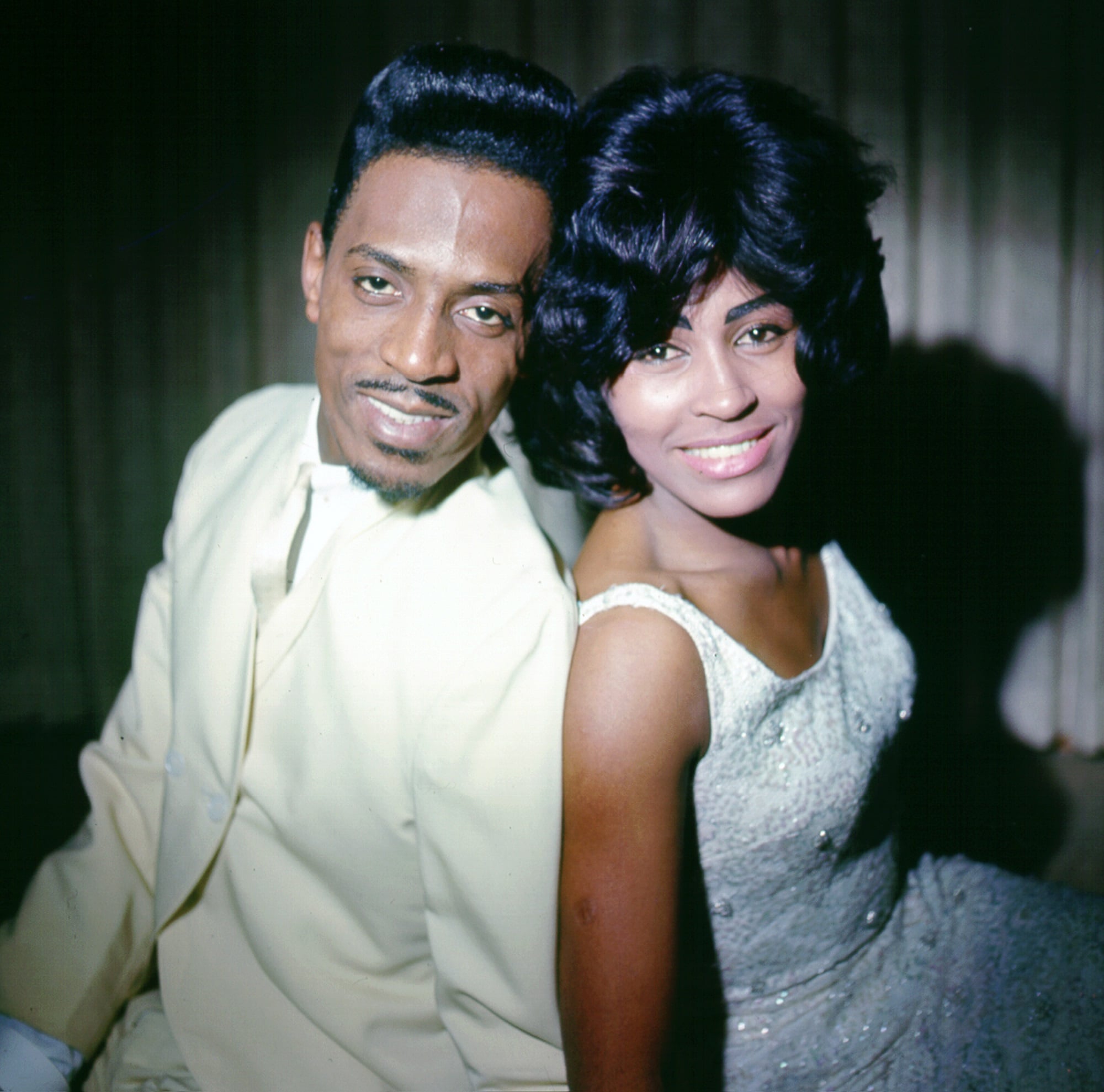
The professional partnership began in 1957 in St. Louis, Missouri. Anna Mae Bullock, then a teenager, met Ike Turner while watching his band, the Kings of Rhythm, perform. Upon realizing her vocal talent, Ike integrated her into his act. By 1960, the duo had released "A Fool in Love," which became a major R&B hit, signaling the birth of the Ike & Tina Turner Revue.
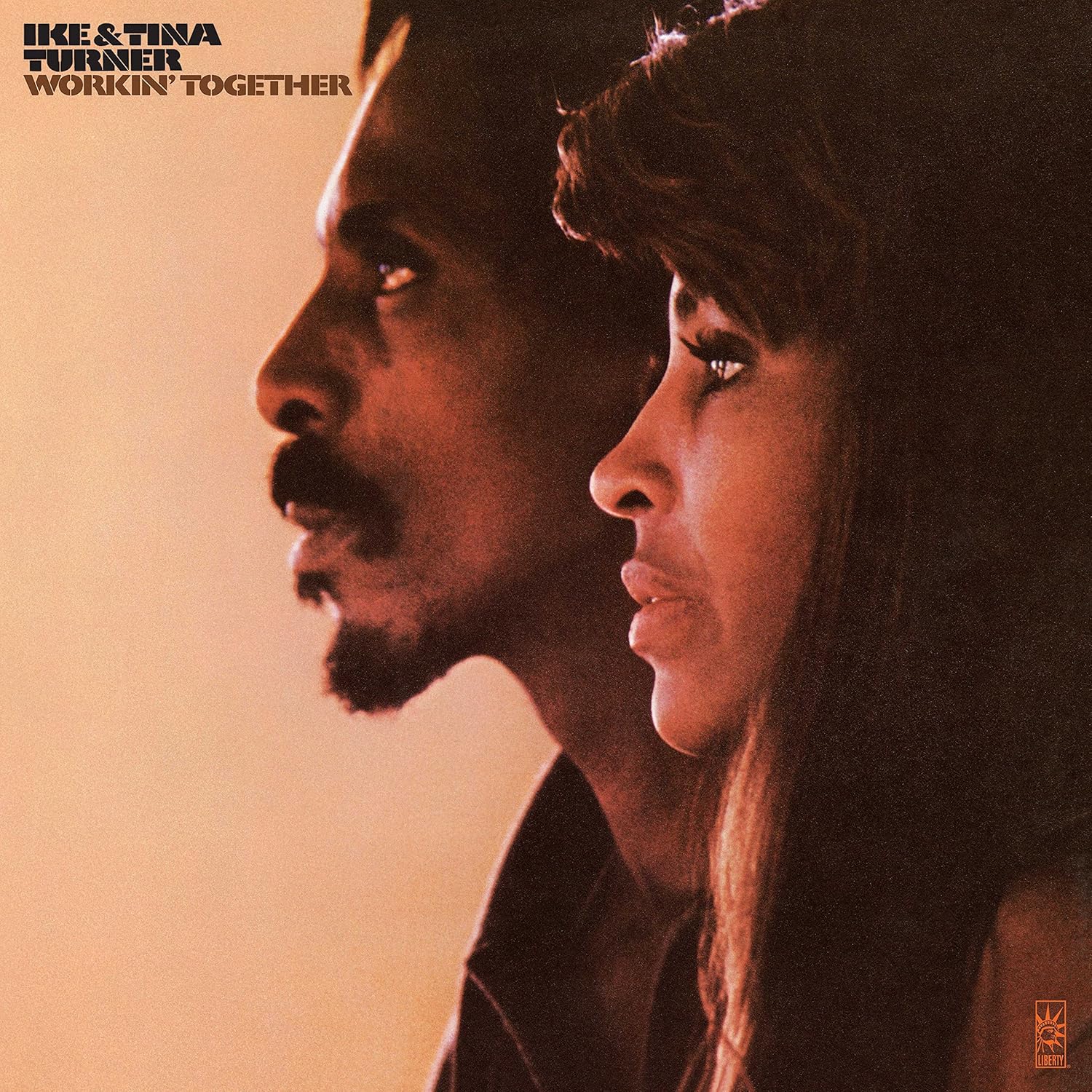
Ike Turner served as the architect of their sound, blending blues, rock and roll, and soul with a sophisticated, high-energy stage production. Tina Turner, possessing a unique, powerful vocal range and an explosive stage presence, became the face of the act. Throughout the 1960s, the duo toured extensively, creating a reputation for one of the most dynamic live performances in the industry. Their recording success, peaking with hits like "River Deep – Mountain High" (1966) and their rendition of "Proud Mary" (1971), cemented their status as music icons. However, the rigor of their constant touring schedule, coupled with Ike’s controlling management style, laid the groundwork for the personal disintegration of their partnership.
The Dynamics of Control and Domestic Abuse
While the public saw a cohesive and successful musical duo, the private reality was defined by a cycle of physical, emotional, and psychological abuse. In her memoirs and subsequent interviews, Tina Turner documented a persistent pattern of violence instigated by Ike. This control extended beyond physical altercations into the couple's professional life, where Tina had little to no autonomy over her financial or artistic decisions.
The environment within the Revue was strictly managed by Ike, who acted as both husband and bandleader. This duality meant that the workplace was never a refuge from the abuse occurring at home. The power imbalance was exacerbated by Ike’s struggle with substance use, which worsened throughout the 1970s and contributed to the instability of their home life. Tina’s eventual departure was not an impulsive decision but a calculated move to secure her physical safety and autonomy, culminating in her escape from the couple’s hotel in Dallas, Texas, in 1976.
Comparison of Career Eras and Partnership Phases
The timeline of their association can be categorized into distinct phases that reflect both their commercial trajectory and their personal deterioration.
| Period | Milestone | Key Development |
|---|---|---|
| 1957–1960 | Formation | Anna Mae Bullock joins the Kings of Rhythm; first hits emerge. |
| 1960–1966 | Growth | The Ike & Tina Turner Revue becomes a major touring act. |
| 1966–1972 | Peak Success | International fame with high-production recordings and hits. |
| 1973–1976 | Decline | Internal instability, substance issues, and increasing violence. |
| 1976 | Final Separation | Tina Turner flees the marriage; legal divorce finalized in 1978. |
The Legal and Personal Aftermath
The divorce, finalized in 1978, marked a definitive end to their personal and professional affiliation. Tina Turner chose to walk away from the marriage with virtually no financial assets, save for the rights to her professional name, which allowed her to continue her career as a solo artist. This decision was pivotal, as it required her to rebuild her life from a position of relative poverty while grappling with the public scrutiny that followed their high-profile split.
In the years following the separation, Tina Turner became an outspoken advocate regarding the realities of domestic abuse. By speaking openly about her experiences, she contributed to a broader cultural conversation about intimate partner violence. Ike Turner continued to perform throughout the subsequent decades but faced ongoing legal issues and personal struggles. Despite his influence on the development of rock music, his legacy remains permanently tied to the abuse he inflicted upon his former wife and partner.
Cultural Legacy and the Revision of History
The story of the Ike and Tina Turner relationship underwent significant public re-evaluation in the 1980s and 1990s, particularly following the publication of Tina's autobiography and the 1993 film What's Love Got to Do with It. These accounts provided a necessary corrective to the industry-manufactured image of the "happy musical couple," centering instead on the survivor’s perspective.
For historians and music critics, the relationship remains a study in the intersection of artistic genius and personal destructive behavior. It forces a critical examination of how the music industry operates, how it consumes performers, and how power imbalances within high-profile collaborations can mask systemic abuse. Today, the focus has largely shifted toward honoring Tina Turner's resilience and the landmark success she achieved independently of the constraints of her former partnership.
Frequently Asked Questions
When did the Ike and Tina Turner partnership officially end? The professional and personal partnership ended in July 1976. After a final physical confrontation while on tour in Dallas, Tina Turner left the marriage and the act. Their divorce was legally finalized in 1978.
Did Tina Turner retain rights to her music after the divorce? During the divorce proceedings, Tina Turner surrendered most of their joint assets to secure her freedom. She specifically insisted on keeping her stage name, which allowed her to restart her solo career. Ike Turner retained much of the interest in their previous recordings.
How did the media portray their relationship during the 1960s? During their peak years, the media often projected an image of a professional, hardworking duo. The private abuse was largely kept out of the public eye until later years, when Tina Turner began to speak about the reality of the domestic situation during her solo career resurgence.
What was the primary factor in Tina Turner's decision to leave? The decision was primarily driven by the need for personal safety. The violence had escalated to a level where she felt that remaining in the marriage posed a direct threat to her life.
How is the relationship viewed in the context of music history today? The relationship is now primarily analyzed through the lens of Tina Turner's survival and subsequent empowerment. While Ike Turner’s contribution to the early development of rock and R&B is acknowledged, the narrative of their partnership is defined by the domestic abuse Tina Turner endured.
Where can one find verified accounts of these events? The most direct accounts come from Tina Turner’s autobiographical works, such as I, Tina (1986), and the subsequent, more detailed My Love Story (2018). These documents serve as the primary sources for her perspective on the events of that era.
Next Steps for Further Research
For those interested in the historical and cultural impact of the duo, it is recommended to examine official biographies and contemporary interviews rather than speculative dramatizations. Engaging with the music catalog of the 1960s provides context for their technical impact, while reviewing the 1970s and 1980s solo work of Tina Turner illustrates the artistic evolution she achieved following her departure from the partnership.
Image Gallery