The Best Movies About Computer Hackers to Watch
Selecting the best movies about computer hackers requires balancing technical accuracy with narrative tension, as the portrayal of cybersecurity has evolved significantly alongside actual technological advancements. While Hollywood oft...
Selecting the best movies about computer hackers requires balancing technical accuracy with narrative tension, as the portrayal of cybersecurity has evolved significantly alongside actual technological advancements. While Hollywood often relies on visual tropes—such as rapid, rhythmic typing or neon-lit data streams—certain films stand out for their cultural impact, thematic focus on digital privacy, and realistic depictions of the social engineering and systemic vulnerabilities that define the hacking landscape.
Contents
Defining the Hacker Genre
The cinematic depiction of hacking is frequently divided between two distinct archetypes: the "Black Hat" figure, who exploits vulnerabilities for personal gain or malice, and the "White Hat" or "Gray Hat" protagonist, often driven by ideological goals or the pursuit of truth. When evaluating these films, it is useful to distinguish between movies that prioritize high-stakes thriller elements and those that focus on the sociological implications of a hyper-connected society.
The best films in this genre do more than show screens with scrolling code; they explore the power dynamics of information control. In the context of 2026, where digital infrastructure is integrated into nearly every aspect of daily life, these narratives resonate more than ever. They serve not only as entertainment but as historical markers for how public perception of cyberspace has shifted from a fringe subculture to a global, critical utility.
Essential Films in the Hacker Canon
The following selections represent the pinnacle of the genre, categorized by their narrative approach and thematic depth.
WarGames (1983)
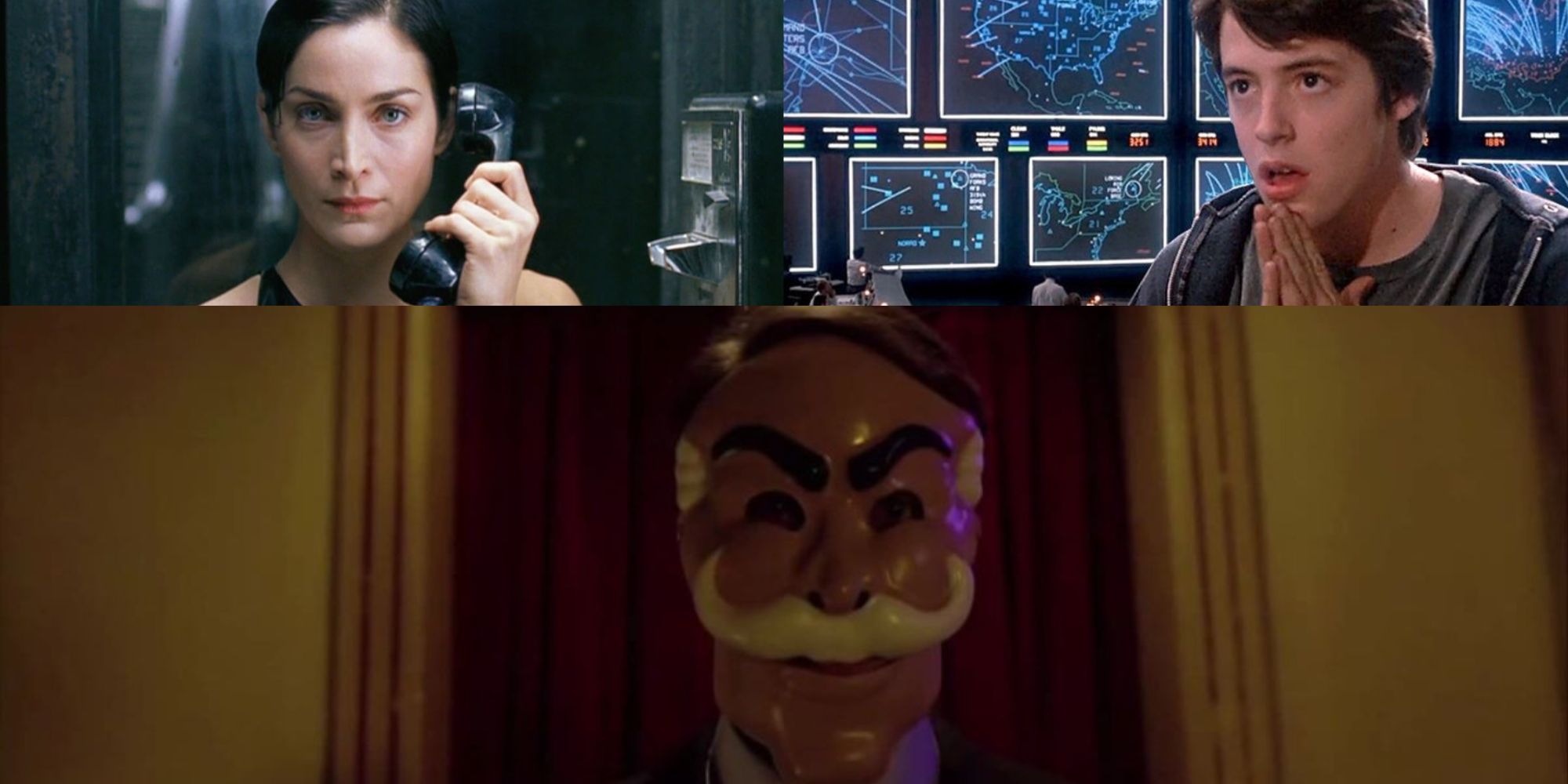
Arguably the most influential film in the history of the genre, WarGames introduced the general public to the concept of the computer worm and remote access. The story follows a young student who inadvertently accesses a United States military supercomputer, triggering a simulated nuclear conflict. Beyond its narrative, the film was instrumental in influencing federal policy, as it is often cited as a catalyst for the drafting of the Computer Fraud and Abuse Act.
Sneakers (1992)
Sneakers remains a gold standard for its relatively grounded depiction of penetration testing. The plot follows a team of security experts who are blackmailed into stealing a device capable of breaking any encryption. Its focus on the ethics of surveillance and the fragility of financial systems feels remarkably relevant in an era defined by mass data aggregation and cryptographic security.
The Matrix (1999)
While categorized as science fiction, The Matrix is fundamentally rooted in hacker culture. It posits that reality itself is a simulated interface, with the protagonist, Neo, functioning as a "hacker" who breaks the rules of the system. It captures the philosophy of "liberation through digital awareness" that permeated the late 1990s hacker ethos.
Mr. Robot (TV Series/Transmedia context)
While technically a series rather than a film, no discussion of modern hacking media is complete without mentioning the Mr. Robot narrative universe. It is widely considered the most technically accurate portrayal of hacking in history, utilizing real-world tools such as Kali Linux and explaining social engineering tactics like "USB drops" and phishing with granular precision.
Comparative Analysis of Hacking Representations
The following table provides a breakdown of how these films categorize the "hacker" identity and their primary technical focus.
| Movie Title | Hacker Archetype | Primary Technical Theme | Accuracy Level |
|---|---|---|---|
| WarGames | Hobbyist/Script Kiddie | Network infiltration | Moderate |
| Sneakers | Professional Consultant | Encryption/Social Engineering | High |
| The Matrix | Ideological/Revolutionary | Simulation Theory | Metaphorical |
| Blackhat | Cybercriminal/Consultant | Infrastructure/Industrial | High |
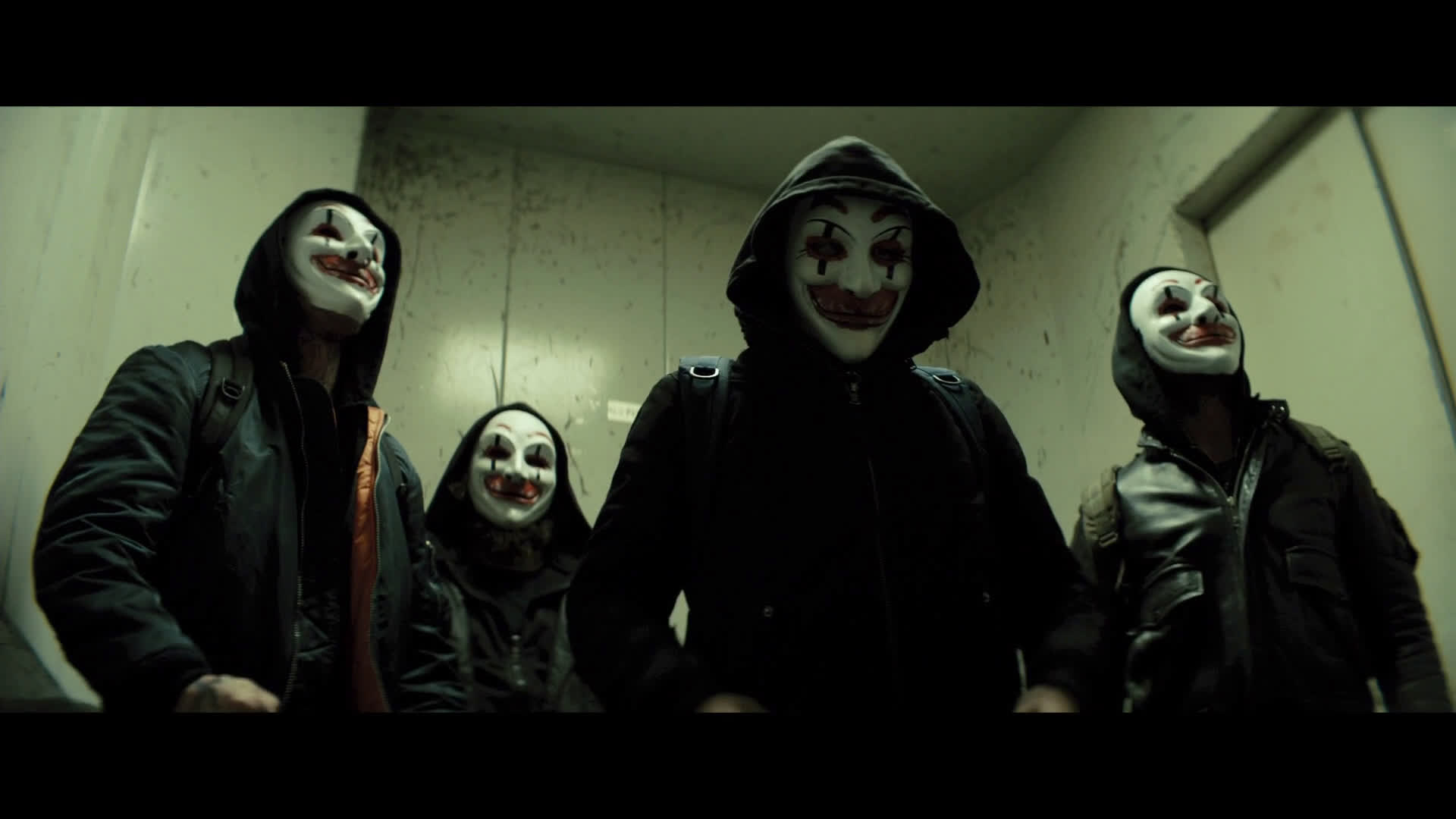
| Who Am I | Underground Collective | Social Engineering/Identity | High |
Understanding Technical Accuracy vs. Cinematic Tension
To understand why some films sacrifice realism for pace, one must consider the limitations of cinema as a medium. True hacking is largely a process of tedious reconnaissance, waiting for logs to propagate, and crafting precise scripts—activities that rarely translate to high-octane visual storytelling.
When a film like Blackhat (2015) attempts to depict real-world vulnerabilities in industrial control systems (ICS), it often meets with criticism for its plot execution, even while receiving praise for its technical research. Conversely, films that prioritize "cool" aesthetics often ignore the actual mechanics of network security. The most successful films are those that find a middle ground: using the language of hacking (e.g., man-in-the-middle attacks, root access) to advance the stakes of the plot without compromising the intellectual integrity of the subculture.
Social Engineering: The Human Element
A common thread among the best hacker movies is the emphasis on social engineering—the psychological manipulation of individuals into divulging confidential information. In both reality and film, technology is often a secondary concern to the "human vulnerability."
Sneakers exemplifies this by highlighting that the strongest lock is irrelevant if the person holding the key can be deceived. As technology moves toward biometric and multi-factor authentication, the cinematic focus has shifted accordingly. Modern films are increasingly exploring the danger of identity theft and the weaponization of personal data, reflecting the actual risks faced by digital citizens in 2026.
Frequently Asked Questions
Are these movies technically accurate regarding how hackers operate? Most Hollywood films prioritize visual storytelling over procedural accuracy. However, movies like Sneakers and shows like Mr. Robot use consultants to ensure the terminology and basic concepts, such as brute-forcing passwords or network mapping, are presented correctly.
What is the "Black Hat" vs "White Hat" distinction? "Black Hat" refers to hackers who operate with malicious intent, often for illegal gain or destruction. "White Hat" hackers are authorized security professionals—often called penetration testers—who identify vulnerabilities to help organizations improve their defenses.
Does "hacking" in movies always involve computers? Not always. In many thrillers, the concept of "hacking" is used metaphorically for unauthorized access to systems, whether physical or digital. However, in the context of the genre, the term specifically implies an interaction with electronic, networked, or computational systems.
Which movie is best for someone interested in cybersecurity? Sneakers provides the best foundation for understanding the professional side of information security, while WarGames is essential for understanding the historical context of how the public began to perceive cyber-threats.
Why is there so much focus on the 1990s in hacker cinema? The 1990s represented the "Wild West" era of the internet, where connectivity was expanding rapidly but security infrastructure was still in its infancy. This period provides an ideal backdrop for stories about discovery, vulnerability, and the birth of the digital underground.
Recommendations for the Viewer
If you are looking to start your journey into the hacker genre, begin with Sneakers. Its balance of humor, ensemble acting, and grounded technical concepts makes it the most accessible entry point. Once you have established that baseline, pivot to Mr. Robot for a deeper, more demanding dive into the intersection of corporate power, mental health, and modern digital insecurity. Always approach these films as cultural artifacts; while they are grounded in the realities of coding and networks, they are ultimately constructed to heighten the tension inherent in our increasing reliance on the machines we build.
Image Gallery