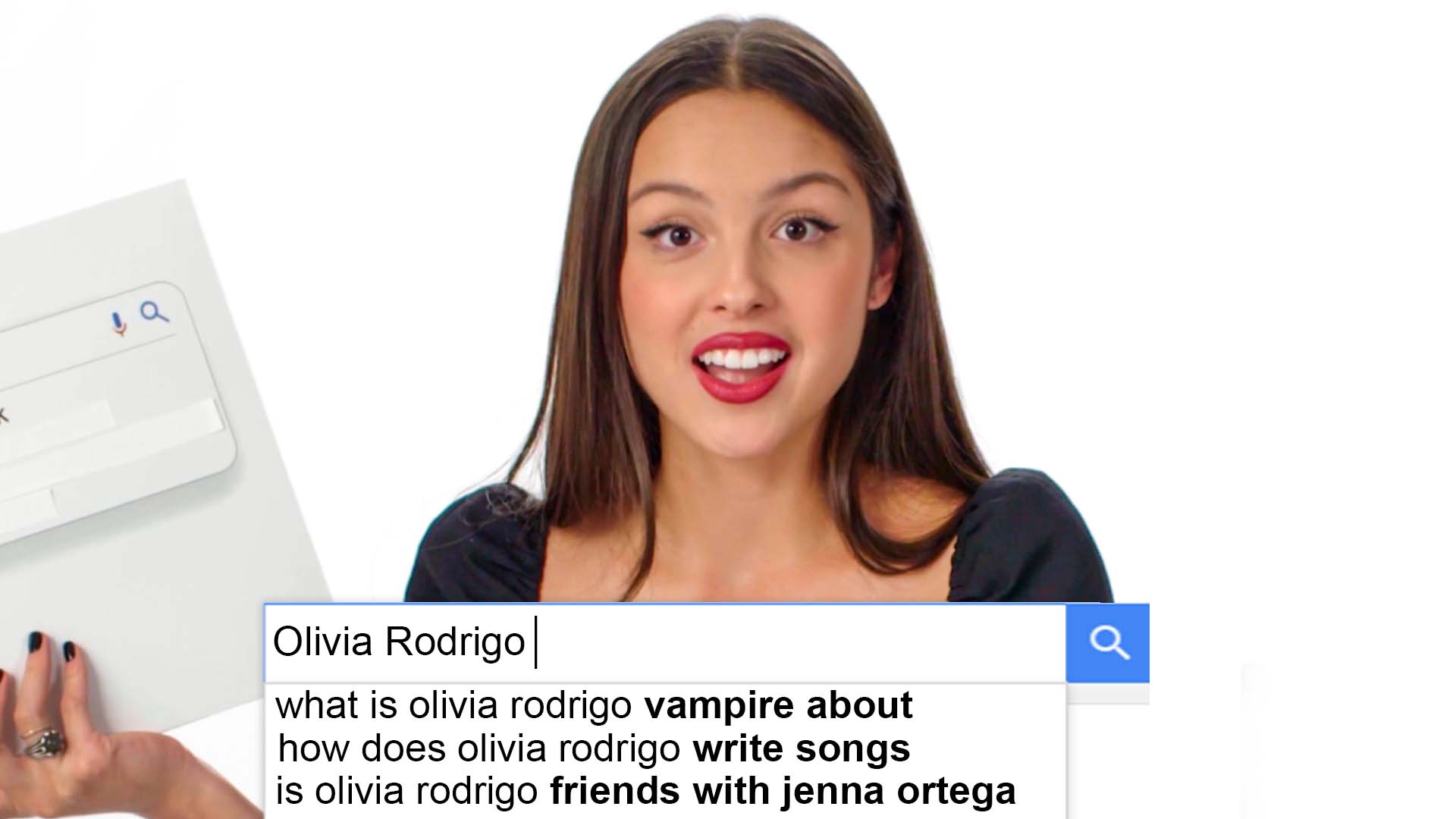
Olivia Rodrigo Candid Interview Highlights: Lessons on Fame, Artistry, and Resilience
Olivia Rodrigo’s candid interview highlights showcase a generational talent navigating the pressures of global stardom with rare vulnerability. From her 2023 GUTS release through her 2025 world tour reflections, Rodrigo has consistentl...
Olivia Rodrigo’s candid interview highlights showcase a generational talent navigating the pressures of global stardom with rare vulnerability. From her 2023 GUTS release through her 2025 world tour reflections, Rodrigo has consistently used media platforms to discuss the "comparison culture" of social media, the complexities of songwriting, and the transition from child star to respected musician.
Contents
Since her explosive debut in 2021, Olivia Rodrigo has balanced the line between a relatable teenager and a high-profile celebrity. Her interviews are often cited as masterclasses in modern pop star transparency. Rather than offering curated PR soundbites, Rodrigo frequently addresses the "uncomfortable" parts of her journey, including the anxiety of following up a massive debut and the nuances of female rage in her music. By 2026, these highlights serve as a blueprint for how young artists can maintain authenticity while operating within the massive machinery of the music industry.
The "Sophomore Slump" and Creative Pressure
One of the most recurring themes in Olivia Rodrigo’s candid interview highlights is the immense psychological pressure she felt following the success of SOUR. Speaking to The New York Times ahead of her second album's release, she admitted to a period of "creative paralysis." She noted that when your first project breaks world records, the baseline for "success" becomes skewed, making the process of writing new material feel like a high-stakes gamble rather than an artistic endeavor.
Rodrigo revealed that she struggled with the feeling that every line she wrote would be scrutinized not just by fans, but by critics waiting for her to fail. She overcame this by returning to the core of her craft: writing for herself. In several interviews, she emphasized that GUTS was an attempt to capture the "growing pains" of her late teens, rather than a calculated attempt to replicate the chart performance of "Drivers License." This shift in perspective—prioritizing personal expression over commercial metrics—became a defining narrative of her career.
Navigating the Expectations of "Gen Z's Voice"
In a 2023 cover story for Vogue, Rodrigo addressed the weight of being labeled the "voice of her generation." She expressed a healthy skepticism toward the title, noting that her experiences are uniquely hers and cannot possibly represent an entire demographic. However, she acknowledged that her willingness to be "messy" in her lyrics is what resonates. By admitting she doesn't have it all figured out, she paradoxically became the exact figurehead her audience needed—one who validates the confusion of early adulthood.
The Technical Art of Songwriting and Production
Beyond the emotional revelations, Rodrigo’s interviews offer significant depth into her technical process. She is often candid about her collaborative relationship with producer Dan Nigro. In technical discussions with Apple Music’s Zane Lowe, she highlighted how they build songs from "the gut up."
- Lyric-First Approach: Rodrigo maintains that her best work starts in a journal. She has shared highlights of her songwriting notebooks, showing how a single line of prose can eventually become a hook.
- Vocal Delivery as Performance: She often discusses the intentional "imperfections" in her vocals. For tracks like "All-American Bitch," she explained the need for dynamic shifts between a sweet, melodic verse and a screaming chorus to mirror the internal frustration of modern womanhood.
- Genre Blurring: In interviews with Rolling Stone, she frequently defends her love for pop-punk and alternative rock, citing influences like Jack White and St. Vincent. She views genre not as a box, but as a "palette of colors" to be used according to the song's emotional needs.
Mental Health and the Reality of Fame
Perhaps the most impactful "candid" moments in Rodrigo's interviews involve her discussions on mental health and therapy. In 2026, her advocacy remains a cornerstone of her public persona. She has been vocal about the "isolation" that comes with rapid-onset fame. Speaking to The Guardian, she mentioned that while she is grateful for her career, the loss of anonymity at age 18 was a "profound shock to the system."
Rodrigo has credited regular therapy with helping her separate her "artist self" from her "human self." This distinction is a recurring highlight in her interviews, as she warns other young creatives about the dangers of tying their self-worth to streaming numbers or social media engagement. She famously stated that "the internet isn't a real place," a sentiment she uses to protect her mental space when rumors or "cancel culture" narratives begin to circulate.
Managing Comparison Culture
In an era dominated by TikTok and Instagram, Rodrigo’s interview highlights often touch on the "trap of comparison." She admitted that even as a chart-topping artist, she finds herself scrolling through social media and feeling inadequate. By speaking openly about these insecurities, she humanizes the celebrity experience and provides a relatable touchpoint for her fans who struggle with the same digital pressures.
Industry Dynamics and Legal Lessons
A significant portion of Olivia Rodrigo’s candid interview history involves her navigating the business and legal side of the music industry. The "credits controversy" surrounding SOUR—where she eventually gave songwriting credits to members of Paramore and Taylor Swift—was addressed with grace in later interviews.
While she avoided naming names or engaging in "feuds," she was candid about the learning curve of music publishing. She described it as a "trial by fire" in understanding how the industry treats interpolation and influence. These highlights are essential for emerging artists, as they demonstrate how to handle professional setbacks and legal complexities without losing one's public composure or creative spark.
| Interview Source | Focus Area | Key Revelation |
|---|---|---|
| Rolling Stone (2023) | Creative Process | Admitted that "Vampire" was a venting session that she didn't think would be a lead single. |
| Vogue (2023) | Social Identity | Discussed the "pressure to be perfect" as a young woman in the public eye. |
| The New York Times (2023) | Career Longevity | Expressed a desire to move into film and writing long-form prose in the future. |
| Apple Music (Zane Lowe) | Technical Production | Detailed how she and Dan Nigro use "ugly" sounds to create emotional resonance. |
| The Guardian (2024) | Fame & Isolation | Shared the difficulty of maintaining "normal" friendships while touring the world. |
Touring and the GUTS World Tour Experience
As Rodrigo transitioned into a global touring force, her interviews shifted toward the physical and emotional toll of life on the road. Highlights from her 2024-2025 tour cycle reveal a more disciplined, athletic approach to her career. She spoke about the "stamina" required to perform high-energy sets night after night and the "loneliness of the hotel room" that contrasts with the roar of a stadium.
She also highlighted the importance of the Fund 4 Good, her global initiative supporting reproductive rights. In her interviews, she remains candid about her political beliefs, stating that as a woman with a platform, she feels a "moral obligation" to speak on issues that affect her and her audience. This transition from "breakup song girl" to "socially conscious advocate" is a major highlight of her 2026-era retrospective.
Frequently Asked Questions
What did Olivia Rodrigo say about the Taylor Swift "feud" rumors?
In her most candid interviews, such as those with Rolling Stone, Rodrigo has consistently taken the high road. She stated that she doesn't "beef with anyone" and expressed frustration that the media often tries to pit successful women against each other. She clarified that her business decisions regarding songwriting credits were handled by her team and that she continues to respect the artists who paved the way for her.
How does Olivia Rodrigo handle negative reviews?
Rodrigo has admitted that she used to be "obsessed" with reading what people said about her online. However, in more recent interviews, she revealed she has stopped reading reviews entirely—both good and bad. She explained that if you believe the good reviews, you have to believe the bad ones, so it is healthier to find validation internally and through her close circle of friends.
Why is Olivia Rodrigo so open about going to therapy?
She views therapy as a "preventative measure" rather than just a response to a crisis. Rodrigo has stated in multiple interviews that being a teenager is hard enough, but doing it in front of millions of people is "unnatural." She speaks about therapy to de-stigmatize the practice for her fans and to emphasize that seeking help is a sign of strength, not weakness.
What is her advice for young songwriters?
Her primary advice, often highlighted in her "Songwriter of the Year" acceptance speeches and interviews, is to "write the bad songs." She believes that you have to write through the clichéd and mediocre ideas to get to the ones that are truly authentic. She also encourages staying curious and reading as much as possible to expand one's vocabulary and perspective.
How does she choose which personal stories to share?
Rodrigo explains that she has a "vulnerability filter." While her songs feel like diary entries, she is careful in interviews to protect the privacy of the individuals involved. She maintains that the "feeling" of the song is what matters to the fans, not the specific names or dates, which allows her to remain candid about her emotions without oversharing her private life.
Practical Takeaway for Fans and Creators
The highlights of Olivia Rodrigo’s candid interviews provide more than just celebrity gossip; they offer a roadmap for emotional intelligence in the digital age. For creators, her emphasis on process over outcome is a vital lesson in avoiding burnout. For fans, her transparency regarding mental health and social media pressure serves as a reminder that even those at the pinnacle of success deal with the same fundamental insecurities. Moving forward into 2026 and beyond, the "Rodrigo Method"—radical honesty combined with professional boundaries—remains the gold standard for navigating a career in the public eye.
Image Gallery