Understanding the National Security Threat Level: Current Status and Advisory Systems in 2026
The national security threat level is a formalized assessment used by government agencies to communicate the prevailing risk of terrorism or significant security incidents to the public and private sectors. In the United States, this i...
The national security threat level is a formalized assessment used by government agencies to communicate the prevailing risk of terrorism or significant security incidents to the public and private sectors. In the United States, this is managed through the National Terrorism Advisory System (NTAS), which issues Bulletins, Elevated Alerts, or Imminent Alerts based on the credibility and proximity of potential threats.
Contents
Determining the "current" threat level requires looking beyond a single color or number. Unlike the legacy systems of the early 2000s, modern security frameworks utilize a modular approach that focuses on specific threat actors, geographic areas, and infrastructure sectors. As of 2026, the global security environment remains complex, characterized by a blend of traditional geopolitical tensions, sophisticated cyber-physical threats, and domestic extremism.
The Evolution of Threat Monitoring: From Colors to Clarity
To understand what the national security threat level is today, one must first understand its history. For nearly a decade following the September 11 attacks, the United States utilized the Homeland Security Advisory System (HSAS). This was the famous color-coded system—ranging from Green (Low) to Red (Severe)—that often drew criticism for being vague and failing to provide actionable information to the average citizen.
In 2011, the Department of Homeland Security (DHS) replaced the color-coded charts with the National Terrorism Advisory System (NTAS). The shift was designed to provide the public with more specific, evidence-based information. Instead of a permanent "yellow" or "orange" status, the NTAS operates on the principle that alerts should be issued only when there is a clear reason to do so, and they should include an expiration date.
In 2026, this system remains the primary vehicle for public safety communication. It has evolved to account for "hybrid" threats—those that combine digital attacks with physical consequences—and emphasizes the role of public-private partnerships in maintaining national resilience.
How the National Terrorism Advisory System (NTAS) Works
The NTAS is not a single "dial" that the government turns up or down. Instead, it is a tiered notification framework consisting of three distinct types of communications. Each level represents a different degree of urgency and requires different responses from law enforcement and the public.
1. NTAS Bulletins
Bulletins are the most common form of communication. They are issued when there is a general, though credible, concern regarding the security environment. A Bulletin does not necessarily mean there is a specific plot underway. Instead, it describes broader trends, such as increased extremist rhetoric online or a heightened global tension that might inspire "lone wolf" actors. Bulletins help the public stay vigilant and provide context for why they might see increased security at airports or government buildings.
2. Elevated Alerts
An Elevated Alert is issued when the DHS has credible intelligence about a specific, potential threat. This level indicates that while a plot may be in the works, it might not have a confirmed date or location yet. The purpose of an Elevated Alert is to put specific sectors—such as transit systems or energy grids—on high notice to implement protective measures. These alerts always include a specific expiration date, though they can be renewed if the threat persists.
3. Imminent Alerts
The highest level of notification is the Imminent Alert. This is reserved for situations where there is a "credible, specific, and impending" threat against the United States. In this scenario, the intelligence community likely knows the target, the method, and the approximate timing. Imminent Alerts are rare and are designed to trigger immediate protective actions by both the government and the populace to prevent an attack or mitigate its effects.
Comparing National Security Advisory Tiers
The following table summarizes the differences between the current NTAS components as they are applied in 2026.
| Feature | NTAS Bulletin | Elevated Alert | Imminent Alert |
|---|---|---|---|
| Threat Specificity | General trends / patterns | Credible, but timing may be unclear | Specific, credible, and impending |
| Action Required | Increased vigilance | Heightened security protocols | Emergency response / Immediate action |
| Typical Duration | 6 months to 1 year | Days to weeks | Hours to days |
| Primary Audience | General public & Law Enforcement | Targeted sectors & First responders | All citizens and critical infrastructure |
| Communication Goal | Situational awareness | Prevention and deterrence | Life safety and incident mitigation |
The 2026 Threat Landscape: Key Drivers and Concerns
As we navigate 2026, the national security threat level is influenced by several converging factors that differ from those of previous decades. Security agencies no longer focus solely on foreign terrorist organizations (FTOs); the scope has widened significantly.
Domestic Violent Extremism (DVE)
A primary driver of the national security posture in 2026 is domestic violent extremism. This includes individuals or groups radicalized by a variety of grievances, ranging from political animosity to racial and ethnic prejudice. Because these actors often operate independently (sometimes referred to as "self-radicalized"), they are difficult for intelligence agencies to track using traditional methods. Bulletins frequently highlight the risk of DVE during sensitive periods, such as elections or significant national anniversaries.
Cyber-Physical Threats and Infrastructure
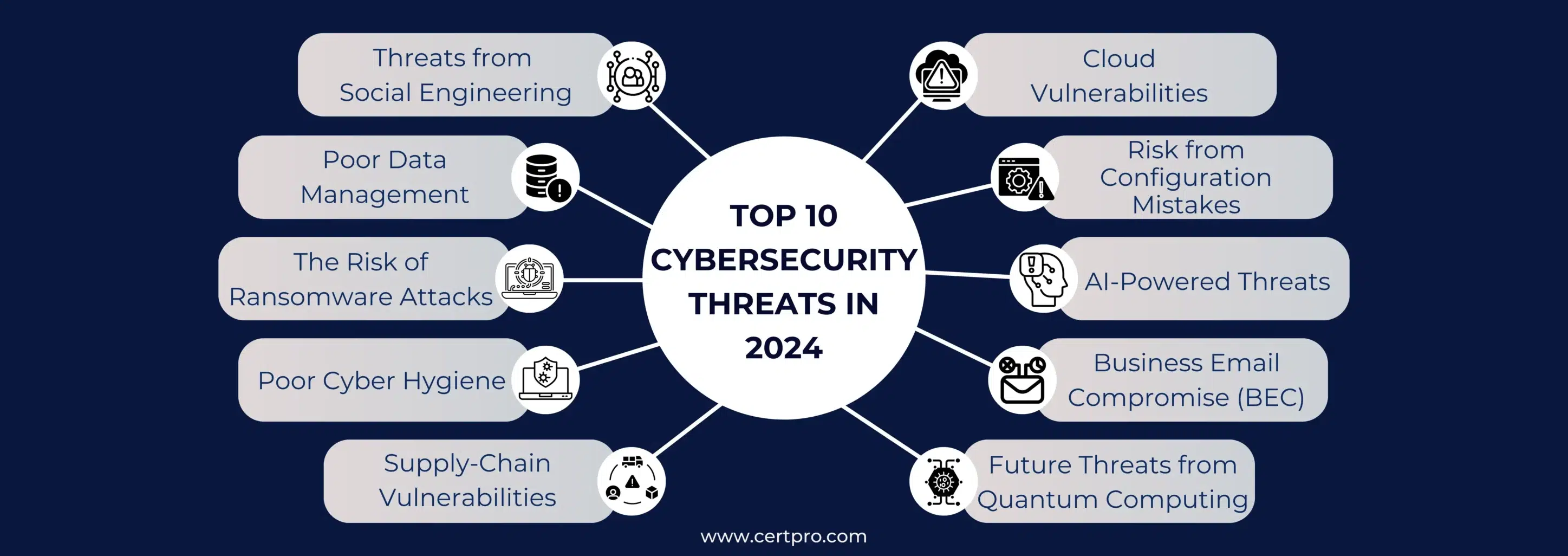
In the current year, the distinction between a "cyber attack" and a "national security threat" has largely vanished. The 2026 landscape is heavily defined by threats to critical infrastructure—power grids, water treatment facilities, and healthcare systems. A threat level may be raised specifically for the energy sector if intelligence suggests that foreign adversaries are deploying malware capable of causing physical destruction.
Geopolitical Instability
International conflicts continue to resonate within domestic borders. Fluctuations in the national security threat level are often tied to events in the Middle East, Eastern Europe, or the Indo-Pacific. These global tensions can manifest at home through state-sponsored espionage, disinformation campaigns designed to sow discord, or retaliatory cyber operations.
Global Comparisons: How Other Nations Measure Risk
While the United States uses the NTAS, other nations employ different systems that offer helpful context for how "threat levels" are perceived globally. Many of these systems remain more static than the US model, using a numerical or descriptive scale.
- United Kingdom: The UK uses a five-level system managed by the Joint Terrorism Analysis Centre (JTAC). The levels are: Low, Moderate, Substantial, Severe, and Critical. This system is more centralized than the US model and provides a single national rating.
- Canada: Canada utilizes a National Terrorism Threat Level with five levels, ranging from Very Low to Critical. Like the UK, it provides a baseline for the entire country, which is updated periodically by the Integrated Terrorism Assessment Centre (ITAC).
- Australia: The National Terrorism Threat Advisory System in Australia uses a five-tier scale. In 2026, Australia’s system places a heavy emphasis on the "Probable" level, indicating that while there is no specific plot, there are individuals with the intent and capability to carry out an attack.
Practical Steps for Citizens and Organizations
Understanding the national security threat level is only useful if it leads to appropriate action. When an advisory is issued, the DHS typically provides a list of recommended behaviors for different groups.
For Individuals and Families
- Stay Informed: Monitor official government channels such as the DHS website or local law enforcement social media. Avoid relying solely on unverified reports from third-party social media accounts.
- Report Suspicious Activity: The "See Something, Say Something" campaign remains a cornerstone of national security. Reporting unusual behavior to local authorities is often the first step in disrupting a potential plot.
- Emergency Preparedness: Maintain a basic emergency kit and a communication plan with family members. This is relevant not just for security threats, but for natural disasters which can occur during periods of heightened security.
For Businesses and Critical Infrastructure
- Review Security Protocols: Organizations should have pre-defined responses for each NTAS level. If an Elevated Alert is issued for the retail sector, for instance, businesses should increase floor security and monitor access points more strictly.
- Cyber Hygiene: Since many 2026 threats are digital, maintaining robust firewall protections and employee training against phishing is a direct contribution to national security.
- Coordinate with Information Sharing Centers: Participate in ISACs (Information Sharing and Analysis Centers) to receive industry-specific threat intelligence that may not be detailed in a general public Bulletin.
Frequently Asked Questions
What is the current national security threat level right now? The current level is generally communicated through the most recently active NTAS Bulletin. Unlike the old color-coded system, there isn't a permanent "level." You must check the official DHS NTAS page to see if a specific Bulletin or Alert is currently in effect for 2026.
Does an "Elevated Alert" mean I should stop traveling? Not necessarily. An Elevated Alert indicates a credible threat, but the DHS usually provides specific guidance on what actions to take. Unless the alert specifically advises against travel to a certain area or using a certain mode of transport, the general recommendation is to remain vigilant rather than to cease normal activities.
Who decides when to change the threat level? The Secretary of Homeland Security is responsible for issuing NTAS advisories. This decision is made in consultation with other members of the intelligence community, such as the FBI, the CIA, and the National Counterterrorism Center (NCTC), ensuring that the alert is based on a consensus of available intelligence.
Can local governments set their own threat levels? While the federal government sets the national standard, state and local authorities (such as the NYPD or the California Office of Emergency Services) may issue their own specific advisories based on local intelligence. These local alerts are designed to be complementary to the national system.
How does the 2026 system handle "fake news" or misinformation? Modern NTAS advisories often include a section on "misinformation and disinformation." Because adversaries use false narratives to increase panic during a security crisis, the DHS emphasizes the importance of verifying information through official sources before sharing it.
Moving Forward with Vigilance
The national security threat level in 2026 is a sophisticated, data-driven tool designed to protect the public without causing unnecessary alarm. By moving away from the static color codes of the past, the current system allows for a more nuanced and effective response to a wide array of threats, from domestic extremism to state-sponsored cyber warfare.
For the average citizen, the most effective "next action" is to integrate situational awareness into daily life. This does not mean living in a state of fear, but rather understanding the environment and knowing where to find reliable information when questions arise. Staying informed through official channels and maintaining a basic level of emergency preparedness ensures that the national security apparatus can function effectively with the support of an engaged and resilient public.
Image Gallery