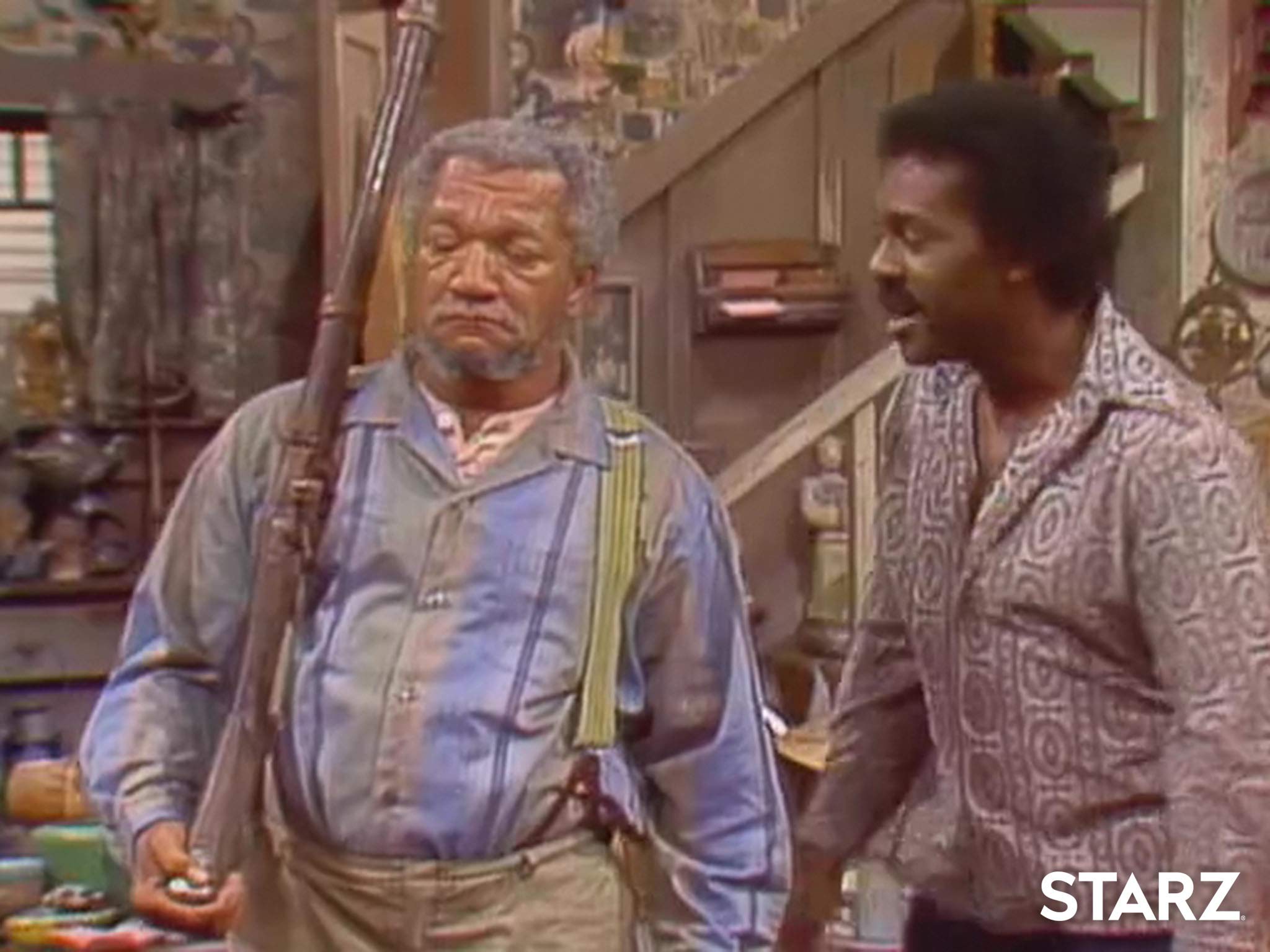
Understanding Marlene Clark’s Lasting Legacy on Sanford and Son
Marlene Clark’s portrayal of Janet Lawson on Sanford and Son provided a grounded, sophisticated balance to the show's high-energy comedy. As Lamont Sanford’s most significant romantic interest, Clark’s performance showcased a modern Bl...
Marlene Clark’s portrayal of Janet Lawson on Sanford and Son provided a grounded, sophisticated balance to the show's high-energy comedy. As Lamont Sanford’s most significant romantic interest, Clark’s performance showcased a modern Black womanhood that resonated with 1970s audiences and remains a vital part of the sitcom’s enduring cultural legacy today in 2026.
Contents
The Introduction of Janet Lawson: A Turning Point for Lamont
When Marlene Clark first appeared as Janet Lawson in the fifth season of Sanford and Son, the show’s dynamic shifted. Until her arrival, Lamont Sanford (played by Demond Wilson) was often depicted as a man caught between his father’s manipulative antics and his own desire for independence. His previous romantic encounters were often fleeting or served as the setup for a joke at Fred’s expense. Janet Lawson changed that trajectory.
Janet was introduced not just as a girlfriend, but as a divorcee with a young son, Roger. This inclusion brought a layer of maturity and "real-world" stakes to Lamont’s life. For the first time, viewers saw Lamont navigating the complexities of a serious relationship that involved potential step-parenting and long-term commitment. Clark played Janet with a quiet dignity and a "no-nonsense" attitude that forced Lamont to grow up. Her character represented the emerging professional Black woman of the 1970s—someone who was independent, had a life outside of the protagonist, and expected respect.
The legacy of this role lies in how it humanized Lamont. Through Janet, the audience saw a version of Lamont that was capable of tenderness and responsibility, moving him away from being just the "straight man" to Fred Sanford’s wild schemes. Clark’s performance was pivotal in grounding the series during its later years, ensuring that the comedy never drifted too far into caricature.
Marlene Clark’s Cinematic Range: From Art-House Horror to Sitcom Success
To truly understand Marlene Clark’s legacy on Sanford and Son, one must look at the breadth of her career prior to entering the junk shop. Clark was not a traditional "sitcom actress." She was a veteran of the revolutionary "Blaxploitation" era and experimental cinema, which allowed her to bring a unique gravitas to her television roles.
One of her most significant contributions to film was her starring role in the 1973 masterpiece Ganja & Hess, directed by Bill Gunn. This was not a standard vampire film; it was a deep, metaphorical exploration of addiction, assimilation, and Black identity. Clark’s performance as Hess Green’s widow was haunting and ethereal, earning her a permanent place in the annals of independent film history. The film was eventually selected for preservation by the Museum of Modern Art (MoMA), cementing Clark's status as a serious artist.
In addition to Ganja & Hess, Clark appeared in major productions such as:
- Night of the Blood Monster (1970): Starring alongside horror legend Christopher Lee.
- Slaughter (1972): A high-octane action film where she played opposite Jim Brown.
- Enter the Dragon (1973): Though her role was brief, being part of Bruce Lee’s seminal work connected her to the largest global trends in cinema at the time.
This background meant that when Clark joined the cast of Sanford and Son, she brought an effortless screen presence. She didn't need to compete with Redd Foxx’s loudness; she commanded the screen through poise and intelligence.
The Complex Dynamic: Janet, Lamont, and Fred Sanford
The "third wheel" in the Janet and Lamont relationship was invariably Fred G. Sanford. The interaction between Marlene Clark and Redd Foxx is a masterclass in comedic tension. Fred was notoriously protective of Lamont—or rather, protective of his own lifestyle, which relied on Lamont staying at the house to take care of him.
Janet Lawson was one of the few characters who could hold her own against Fred’s verbal barbs. Unlike other characters who were easily intimidated by Fred’s "big one" heart attack act, Janet often looked on with a mixture of amusement and skepticism. She represented a threat to the status quo of the Sanford household. Her presence suggested that Lamont might finally leave 9118 South Central Avenue to start a life of his own.
The tension between Janet and Fred was reflective of a common 1970s trope: the struggle between the older generation, rooted in traditional (often parochial) ways of living, and the younger, more upwardly mobile generation. Janet was the catalyst for this conflict, and Clark played the role with a subtle grace that never made her the "villain" for wanting to take Lamont away. Instead, she was the voice of progress.
Comparative Overview: Janet Lawson vs. Other Major Female Characters
In the male-dominated world of Sanford and Son, female characters had to be exceptionally strong to leave an impression. Marlene Clark’s Janet stood out for her stability and professional demeanor.
| Character | Actress | Role/Relationship to Lead | Key Character Trait |
|---|---|---|---|
| Janet Lawson | Marlene Clark | Lamont’s serious girlfriend | Sophisticated, independent, grounded |
| Aunt Esther | LaWanda Page | Fred’s sister-in-law | Religious, combative, Fred's primary foil |
| Donna Harris | Lynn Hamilton | Fred’s long-term girlfriend | Patient, nurturing, voice of reason for Fred |
| Grady's Wife (Dolly) | Mary Alice | Recurring guest | Traditional, homemaker, comedic foil to Grady |
As shown in the table, while Aunt Esther provided the fireworks and Donna provided the warmth for Fred, Janet Lawson provided the aspiration for Lamont. She was the only character who represented a viable future for Lamont that existed entirely outside the junk business.
The Cultural Significance of the "Single Mother" Narrative
In 1976 and 1977, when Marlene Clark’s character was most active, the depiction of a Black single mother on a prime-time sitcom was a significant cultural marker. Janet Lawson was not a "struggling" mother in the stereotypical sense often portrayed in media of that era. She was competent, well-dressed, and focused on her son’s upbringing.
Her relationship with Lamont was portrayed with a level of maturity that was rare for the genre. They had disagreements about parenting, about the future, and about how to handle Fred. These storylines allowed Sanford and Son to touch on social issues regarding the modern Black family without becoming a "message show." Clark’s ability to weave these serious elements into a sitcom format is a testament to her acting range and is a primary reason why fans still discuss her character decades later.
Final Years and the Enduring Memory of Marlene Clark
Following her time on Sanford and Son, Marlene Clark continued to work in television and film, appearing in series like Barnaby Jones and Highway to Heaven. However, for many, she remained the definitive Janet Lawson. Clark eventually stepped away from the spotlight, but the resurgence of interest in 1970s cinema—specifically the restoration of her film Ganja & Hess—brought her back into the public eye in her later years.
Marlene Clark passed away on May 18, 2023, at the age of 83. In the years following her death, retrospectives of her work have highlighted how she paved the way for future Black actresses in both the horror genre and the sitcom world. She refused to be pigeonholed, transitioning from the avant-garde world of experimental film to the mainstream success of a top-rated NBC sitcom with seamless ease.
In 2026, as we look back at the history of television, Marlene Clark’s legacy is defined by her versatility. She was an icon of the "Black is Beautiful" movement, a pioneer in independent cinema, and the woman who finally made Lamont Sanford think about a life beyond the junkyard.
Frequently Asked Questions
Why did Marlene Clark leave Sanford and Son?
Marlene Clark appeared in the later seasons of the show (Seasons 5 and 6). Her character was phased out as the series moved toward its conclusion and eventually transitioned into the spin-off Sanford, which did not feature the original supporting cast in the same capacity. Additionally, the chemistry between the leads and the shifting focus of the writers in the final season contributed to the character's departure.
Was Marlene Clark married to Billy Dee Williams?
Yes, Marlene Clark was married to actor Billy Dee Williams from 1968 to 1971. Their marriage took place during the height of their early careers in the New York acting scene. Though they eventually divorced, they remained notable figures in the close-knit community of Black actors during the 1970s.
What is Marlene Clark’s most famous movie role?
While many know her from Sanford and Son, film historians consider her role as Ganja Meda in Ganja & Hess (1973) to be her most significant work. The film is celebrated for its artistic depth and its subversion of the horror genre, and Clark’s performance is central to its cult status.
How many episodes of Sanford and Son was Marlene Clark in?
Marlene Clark appeared in 10 episodes of Sanford and Son between 1976 and 1977. Despite the relatively small number of episodes compared to the show’s total run, her impact was substantial because she played Lamont’s only long-term, serious love interest who had a multi-episode story arc involving her family.
What happened to the character Janet Lawson in the show?
The relationship between Janet and Lamont ended toward the end of the series. In the narrative, the pressures of dealing with Fred’s constant interference and Lamont’s inability to fully commit to a life away from his father led to their breakup. This was a bittersweet conclusion that reinforced the show’s central theme: the unbreakable (and often frustrating) bond between Fred and Lamont.
Practical Recommendation for Fans and Historians
To fully appreciate Marlene Clark’s legacy, viewers should seek out the remastered version of Ganja & Hess available through the Kino Lorber collection or the Criterion Channel. Comparing her performance in this avant-garde film to her work as Janet Lawson on Sanford and Son provides a complete picture of an actress who was capable of both high-concept drama and accessible, relatable comedy. For those revisiting Sanford and Son, pay close attention to Season 5, Episode 22, "Janet Finds Friend," which serves as an excellent introduction to her character's unique energy.
Image Gallery