Health and Wellness Coach Salary in 2026: Earning Potential and Market Analysis
The average health and wellness coach salary in 2026 ranges from $45,000 to $75,000 annually in the United States, heavily influenced by certification status, employment setting, and specialization. Independent practitioners and corpor...
The average health and wellness coach salary in 2026 ranges from $45,000 to $75,000 annually in the United States, heavily influenced by certification status, employment setting, and specialization. Independent practitioners and corporate wellness contractors frequently exceed $90,000 by combining group coaching, digital program sales, and specialized corporate contracts.
Contents
Navigating the financial landscape of the health and wellness coaching profession requires a firm understanding of credentialing, market demand, and business models. As preventative healthcare integration accelerates, compensation structures evolve beyond traditional hourly rates. This guide breaks down earnings data, factors influencing compensation, and strategic pathways to maximize income in the current market.
The Evolving Landscape of Health and Wellness Coaching Economics
The wellness industry has transitioned from an unregulated alternative market to an evidence-based component of modern healthcare and corporate human resources. Healthcare systems, insurance providers, and major corporations increasingly view certified health coaches as vital assets for chronic disease prevention, lifestyle modification, and healthcare cost containment.
This maturation directly impacts compensation. Facilities that once treated wellness coaching as an ancillary, low-wage perk now position coaches alongside clinical care coordinators, nutritionists, and physical therapists. Consequently, compensation metrics have grown more standardized, though significant variance persists between independent entrepreneurs and traditional W-2 employees.
National Salary Benchmarks and Employment Models
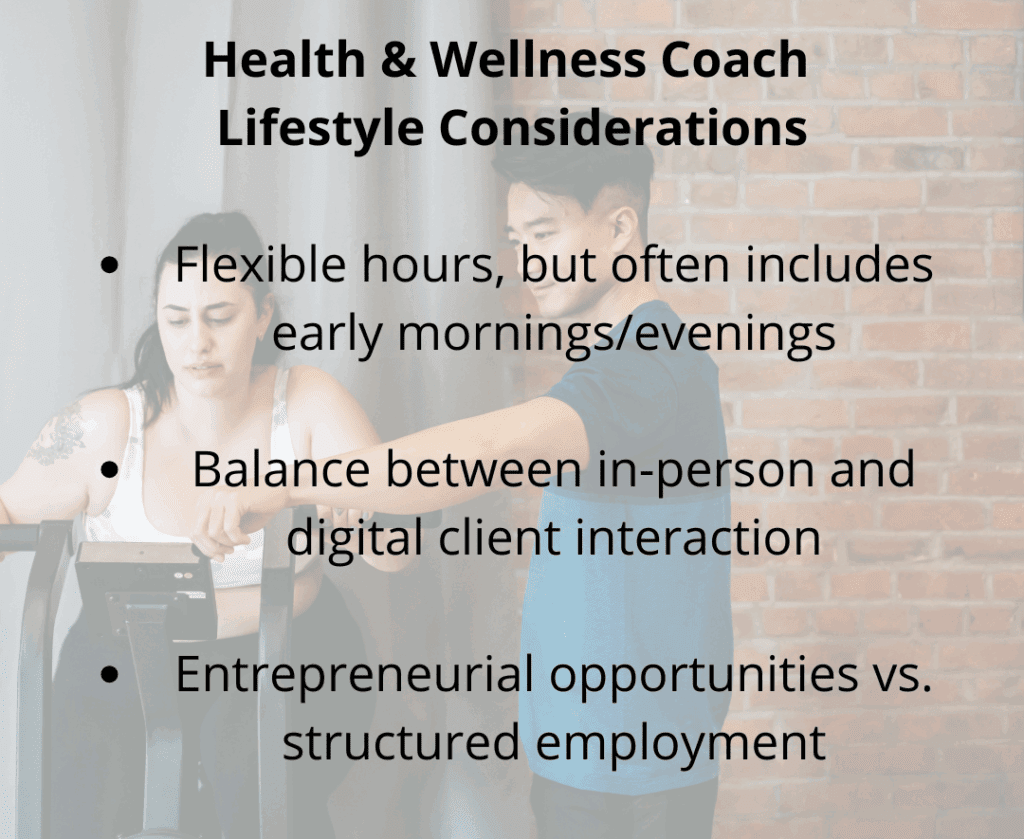
Compensation varies dramatically depending on how a coach chooses to practice. Understanding the distinct financial reality of each employment model allows professionals to target positions that align with their lifestyle and income goals.
Traditional W-2 Employment vs. Independent Practice
W-2 positions within hospital systems, insurance companies, or commercial fitness clubs offer stability, benefits, and built-in client acquisition, but lower earning ceilings. Conversely, independent coaching provides limitless upside potential coupled with the financial risks of business ownership, marketing expenses, and self-employment taxes.
| Employment Model | Average Annual Salary Range | Primary Benefits | Key Drawbacks |
|---|---|---|---|
| Hospital & Clinical Systems | $52,000 – $74,000 | Comprehensive benefits, steady client flow, clinical integration | Strict productivity quotas, lower hourly rates |
| Corporate Wellness Programs | $58,000 – $82,000 | Regular schedules, organizational perks, large employee pools | Corporate restructuring vulnerability, bureaucratic overhead |
| Commercial Fitness Facilities | $38,000 – $55,000 | Direct access to gym members, foundational experience | High turnover, lower base pay with commission dependencies |
| Independent Practice (Solo) | $45,000 – $110,000+ | Complete schedule control, scalable pricing, high margins | Zero paid time off, self-funded marketing, revenue volatility |
Core Factors Driving Health and Wellness Coach Earnings
Several distinct variables separate entry-level earners from top-tier professionals in the coaching space. Mastering these elements determines long-term financial viability.
1. Credentialing and Industry Standards
The gold standard for professional credibility remains the National Board for Health and Wellness Coaching (NBHWC) certification, achieved in collaboration with the National Board of Medical Examiners (NBME).
- Uncertified Practitioners: Typically restricted to basic gym settings, earning lower hourly rates ($20 to $35 per hour).
- General Certified Coaches: Possess standard NCCA-accredited coaching certifications, averaging $45,000 to $60,000 annually.
- NBHWC-Certified Coaches: Eligible to work alongside physicians in clinical integrated care models, commanding higher starting salaries and access to insurance-reimbursable programs.
2. Clinical Specializations and Niche Markets
Generalists often struggle to command premium pricing. Coaches who specialize in high-demand, complex lifestyle interventions charge significantly higher rates. Lucrative niches include:
- Pre-diabetic and metabolic health reversal
- Perimenopause and menopause lifestyle management
- Executive performance and stress optimization
- Autoimmune and chronic inflammatory condition support
- Corporate burnout recovery and resilience training
3. Geographic Location and Cost of Living
Urban centers with robust corporate headquarters and health-conscious populations—such as San Francisco, New York, Seattle, and Boston—feature higher average compensation packages, often scaling 15% to 30% above the national median. However, the rise of telehealth and virtual coaching platforms allows practitioners based in lower-cost-of-living areas to tap into affluent metropolitan client bases without local relocation.
Monetization Strategies for Independent Coaches
Independent coaches must diversify revenue streams to build resilient, high-earning businesses. Relying solely on one-on-one hourly sessions creates a hard ceiling on income dictated by available hours in a day.
Sustainable Revenue Architecture Tiered Service Offerings: Combine high-ticket 1-on-1 coaching packages with lower-cost group coaching cohorts to scale your audience reach. Digital Asset Integration: Develop asynchronous text-based coaching memberships, self-paced online courses, or recurring subscription libraries to generate predictable passive income. Corporate B2B Retainers: Pitch wellness workshops, lunch-and-learns, and stress-reduction seminars directly to local mid-sized businesses looking to improve employee retention and reduce healthcare claims.
Step-by-Step Guide to Maximizing Your Coaching Income
Transitioning from a modest income earner to a high-earning wellness professional requires strategic positioning and disciplined execution.
- Secure Recognized Credentials: Obtain an NBHWC-approved certification to unlock clinical environments and insurance-backed wellness initiatives.
- Define a Lucrative Niche: Identify a specific target audience experiencing a painful, costly problem (e.g., metabolic syndrome reversal for busy professionals over 40).
- Build Strategic Referral Networks: Establish relationships with local primary care physicians, physical therapists, chiropractors, and functional medicine doctors who can legally refer patients requiring lifestyle behavior modification.
- Transition to Package Pricing: Never sell single hourly sessions. Sell comprehensive 3-month, 6-month, or 12-month transformation packages that focus on accountability, sustained behavioral change, and outcome achievement.
- Optimize Digital Presence: Maintain an authoritative professional website, collect video client testimonials, and publish case studies demonstrating measurable client progress.
Frequently Asked Questions
Can health and wellness coaches bill insurance companies directly?
Most insurance companies do not directly reimburse independent health coaches unless they are operating under the direct supervision of a licensed medical provider using specific Category III CPT codes. However, industry advocacy continues to expand third-party reimbursement models for NBHWC-certified professionals integrated into clinical care teams.
What is the hourly rate for a freelance health and wellness coach?
Freelance and independent coaches typically charge between $75 and $200 per hour for individual sessions, or package them into monthly retainers ranging from $300 to $1,000+ per client depending on the intensity of support, digital check-ins, and inclusion of diagnostic testing reviews.
Is a background in nutrition or personal training required to be a wellness coach?
While fitness and nutrition credentials provide foundational knowledge, health and wellness coaching focuses primarily on behavior change psychology, motivational interviewing, and client-led goal setting rather than prescribing specific diets or workout routines.
How does the job outlook for health and wellness coaches look through 2026 and beyond?
Job growth for health and wellness coaches remains strong, outpacing the average for many other occupations. This expansion is driven by aging populations, escalating rates of preventable chronic illnesses, and a broader cultural shift toward proactive, holistic healthcare management.
Do hospital systems hire health and wellness coaches full-time?
Yes, integrated healthcare networks, cardiology departments, oncology support centers, and employee assistance programs increasingly employ full-time wellness coaches to manage patient lifestyle transitions post-diagnosis or discharge.
Strategic Outlook for Practicing Professionals
The health and wellness coaching profession offers substantial financial rewards for practitioners who treat their practice as a blend of behavioral science and professional business development. By securing rigorous board certifications, targeting high-value clinical or corporate niches, and diversifying away from trade-time-for-money pricing models, coaches can build thriving, lucrative careers well positioned for long-term growth.
Image Gallery