The Truth About Colonial Life Insurance for Medline Employees
For Medline employees, the Colonial Life insurance program represents a voluntary benefit designed to supplement core employer-paid coverage with portable, permanent, or term-based financial protection. While it offers the convenience...
For Medline employees, the Colonial Life insurance program represents a voluntary benefit designed to supplement core employer-paid coverage with portable, permanent, or term-based financial protection. While it offers the convenience of payroll deduction and simplified underwriting, the "truth" lies in balancing its higher-than-average premiums against the unique accessibility it provides to those who might otherwise be uninsurable.
Contents
Choosing the right life insurance as a Medline team member requires an understanding of how supplemental policies function alongside your standard benefits package. In 2026, voluntary benefits have become a cornerstone of total compensation, but they are not a one-size-fits-all solution. This guide breaks down the mechanics, costs, and strategic value of the Colonial Life offerings specifically for the Medline workforce.
Understanding the Medline and Colonial Life Partnership
Medline Industries, LP, provides a foundational level of life insurance to its employees, typically as a multiple of their annual salary. However, for many families, this "basic" coverage is insufficient to cover long-term debts like mortgages or future educational expenses. To bridge this gap, Medline partners with Colonial Life & Accident Insurance Company to offer voluntary, employee-paid supplemental policies.
Colonial Life specializes in "worksite benefits." These are products designed to be sold in an office or warehouse environment, featuring streamlined application processes. Because Medline is a massive organization with a diverse risk profile—ranging from administrative staff to warehouse logistics and manufacturing—Colonial Life provides a standardized platform that accommodates various health backgrounds and income levels.
The core relationship is administrative: Medline facilitates the enrollment and manages the payroll deductions, while Colonial Life assumes the financial risk and manages the claims. It is important to distinguish this from Medline’s primary health or 401(k) providers; Colonial Life is a separate entity under the Unum Group umbrella.
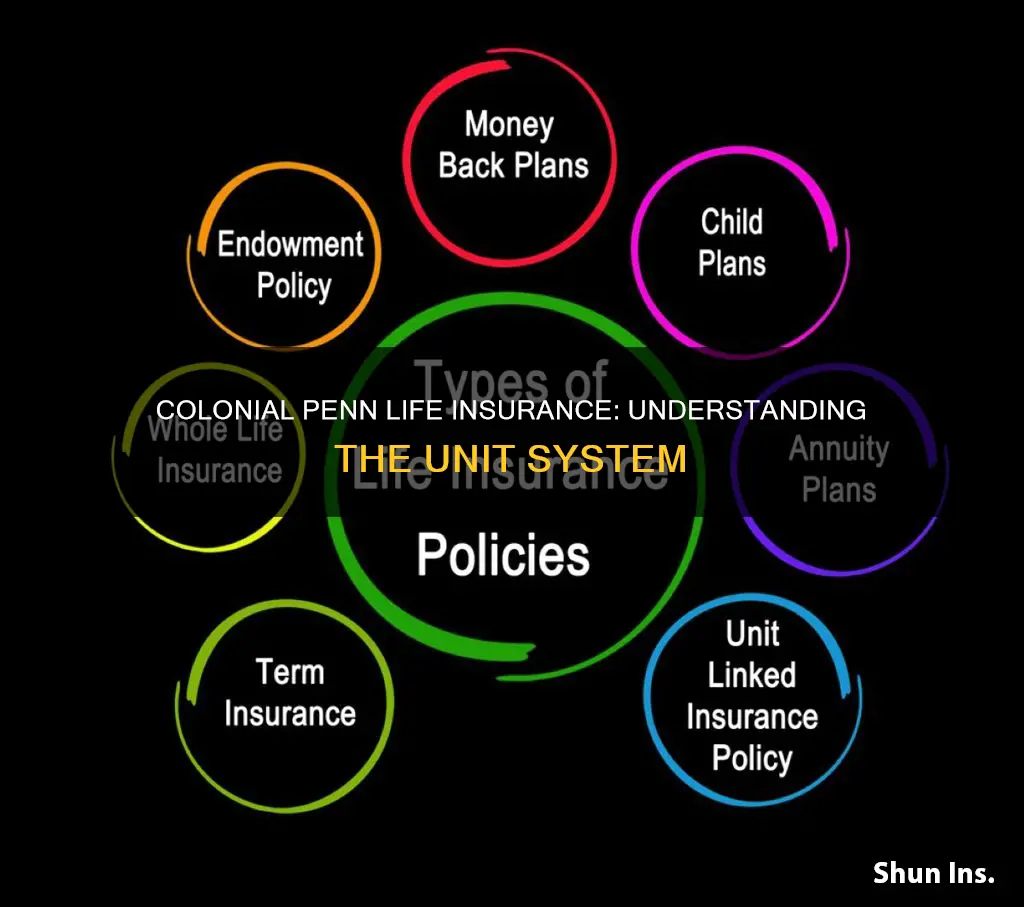
The Products: Whole Life vs. Term Life Insurance
At Medline, the "truth" about these policies starts with understanding exactly what you are buying. Colonial Life generally offers two primary paths for life insurance coverage.
Whole Life Insurance (Permanent Protection)
This is often the most discussed product in the Medline benefits suite. Unlike term insurance, whole life is designed to stay with you for your entire life, provided premiums are paid.
- Cash Value Accumulation: A portion of your premium goes into a savings-like account that grows at a guaranteed rate. In 2026, this remains a popular "forced savings" mechanism for employees.
- Fixed Premiums: The rate you lock in at age 25 or 45 remains the same, regardless of health changes or aging.
- Dividends: While not guaranteed, some policies may pay dividends that can be used to increase the death benefit or reduce premiums.
Term Life Insurance
This is pure protection for a specific "term" (e.g., 10, 20, or 30 years). It is significantly less expensive than whole life because it does not build cash value.
- High Coverage Limits: It allows Medline employees to secure large death benefits (e.g., $500,000+) for a fraction of the cost of a permanent policy.
- Laddering Strategy: Many employees use term insurance to cover the years when their financial obligations are highest, such as when children are young or a mortgage is active.
The Benefits: Why Medline Employees Choose Colonial Life
The primary advantage of opting into Colonial Life through Medline is accessibility. If you were to seek life insurance on the open market, you would likely undergo a paramedical exam involving blood draws, urine samples, and a deep dive into your medical history.
Guaranteed and Simplified Issue
Depending on the specific enrollment period at Medline, Colonial Life often offers "Guaranteed Issue" (GI) or "Simplified Issue" (SI) coverage.
- Guaranteed Issue: You are accepted regardless of your health status, up to a certain dollar limit. This is a lifeline for employees with chronic conditions like diabetes or heart disease.
- Simplified Issue: You answer a few health questions but skip the physical exam.
Portability: The "Exit" Strategy
One of the most critical truths about the Medline-Colonial Life arrangement is portability. If you leave Medline—whether for another job, retirement, or a career change—you can take your Colonial Life policy with you. You will transition from payroll deduction to direct billing (usually via bank draft), but the coverage does not terminate just because your employment does. This is a major advantage over the "basic" life insurance provided by Medline, which typically expires when you clock out for the last time.
The Limitations: What You Need to Know
While the convenience is high, there are trade-offs that every Medline employee should evaluate before signing the dotted line.
Higher Relative Costs
The "truth" that many benefit counselors gloss over is that voluntary worksite benefits are often more expensive than individual policies for healthy individuals. Because Colonial Life accepts more "risk" by not requiring medical exams for everyone, they must charge higher premiums to offset the likelihood of claims. If you are a non-smoker in excellent health, you might find that a private term policy from a high-rated carrier costs 20% to 40% less than the Colonial Life equivalent.
Lower Coverage Ceilings
Voluntary plans often have "caps." While you might need $1 million in coverage to fully protect your family, the guaranteed issue amount through Medline might be capped at $150,000 or $200,000. Anything above that usually triggers "Evidence of Insurability" (EOI), which involves the very medical scrutiny the plan was designed to avoid.
Complexity of Cash Value
Whole life insurance is often marketed as a "retirement tool" or "investment." However, the internal fees and the slow growth of cash value in the early years of a policy mean it is rarely as efficient as a 401(k) or an IRA. Medline employees should view the cash value as a secondary benefit to the death protection, not as a primary investment vehicle.
Cost and Premium Comparison for 2026
To help visualize the difference between these options, consider the following estimated comparison for a 35-year-old non-smoking employee. Note: These are illustrative figures based on standard 2026 actuarial trends for worksite benefits.
| Feature | Colonial Whole Life (Via Medline) | Individual Term Life (Market) | Medline Basic Life (Employer-Paid) |
|---|---|---|---|
| Monthly Premium | High ($50 - $100) | Low ($20 - $35) | $0 (Employer pays) |
| Cash Value | Yes (Builds over time) | No | No |
| Medical Exam | Usually No (up to limit) | Usually Yes | No |
| Portability | Yes (Keep if you leave) | Yes (Unrelated to job) | No (Ends at termination) |
| Benefit Amount | Typically $10k - $250k | $100k - $2M+ | Salary-based (e.g., 1x pay) |
| Approval Speed | Near-instant | 2 to 6 weeks | Automatic |
Navigating the Enrollment Process at Medline
Medline typically holds its Open Enrollment period annually. This is your window to add, drop, or change your Colonial Life coverage. However, new hires usually have a 30-to-90-day window to sign up for these benefits with the "Guaranteed Issue" status.
The Role of the Benefits Counselor
During enrollment, you may have the opportunity to speak with a Colonial Life representative. It is important to remember that while these individuals are helpful, they are often paid on a commission or performance basis.
- Actionable Step: Ask for a "Full Illustration" of the whole life policy. This document shows exactly how much of your premium goes toward the death benefit versus the cash value over a 20-year period.
- Verification: Ensure you understand the "suicide clause" and the "two-year contestability period." These are standard legal protections for insurers that allow them to deny claims if the policyholder dies under specific circumstances or if fraud was committed on the application within the first two years.
Managing Your Policy: Claims and Beneficiaries
A common point of confusion for Medline employees is how to handle a claim. If a tragedy occurs, the family does not contact Medline HR to trigger the Colonial Life payout; they must contact Colonial Life directly.
- Online Portal: Colonial Life provides a dedicated policyholder portal (often integrated with Medline's benefits dashboard) where you can update beneficiaries.
- Beneficiary Designations: One of the most frequent mistakes is failing to update beneficiaries after a divorce, marriage, or birth. The "truth" is that Colonial Life is legally obligated to pay the person named on the form, regardless of what a will might say.
- Claims Documentation: Processing usually requires a certified death certificate and a completed claim form. In 2026, most of this is handled via secure mobile upload, significantly shortening the payout timeline to 7–10 business days.
Frequently Asked Questions
Can I keep my Colonial Life insurance if I am laid off from Medline?
Yes. Colonial Life policies are individual contracts, even though they are sold through your employer. If your employment ends, you simply need to contact Colonial Life within 31 days to set up a direct payment method. This process is called "porting" the policy.
Is the cash value in my policy taxable?
The death benefit paid to your beneficiaries is generally income-tax-free. The cash value grows on a tax-deferred basis. You only pay taxes on the growth if you "surrender" (cancel) the policy and the cash you receive exceeds the total amount of premiums you paid into it.
How does Colonial Life verify my health if I don't take a medical exam?
Even without a physical, Colonial Life may use your Social Security number to check the MIB (Medical Information Bureau) and your prescription drug history. If these records show significant health issues that contradict your application answers, coverage could be denied or a future claim could be contested.
Can I cover my spouse and children through Medline?
Yes, Colonial Life typically offers "riders" or separate policies for dependents. This is often a cost-effective way to get small amounts of "final expense" coverage for family members without needing individual policies for each person.
What happens if Medline switches insurance providers?
If Medline decides to stop offering Colonial Life and moves to a different provider (like MetLife or Prudential), your existing Colonial Life policy remains yours. You would simply transition to paying Colonial Life directly, while your new supplemental coverage would start fresh with the new provider.
Final Recommendation for Medline Employees
The truth about Colonial Life at Medline is that it is a safety net of convenience. If you have a history of health issues, or if you simply find the process of buying insurance on your own to be overwhelming, the Colonial Life platform is an excellent way to ensure your family is protected.
However, if you are young, healthy, and looking for the most "bang for your buck," you should use the Medline Open Enrollment period as a reminder to shop for a private term life policy first. Use Colonial Life to fill the gaps—such as a small whole life policy that acts as a permanent final expense fund—while relying on low-cost term insurance for your primary protection.
Always review your Benefits Summary on the Medline internal portal before making a final decision, and ensure your total life insurance coverage (Basic + Supplemental) equals at least 7 to 10 times your annual income.
Image Gallery