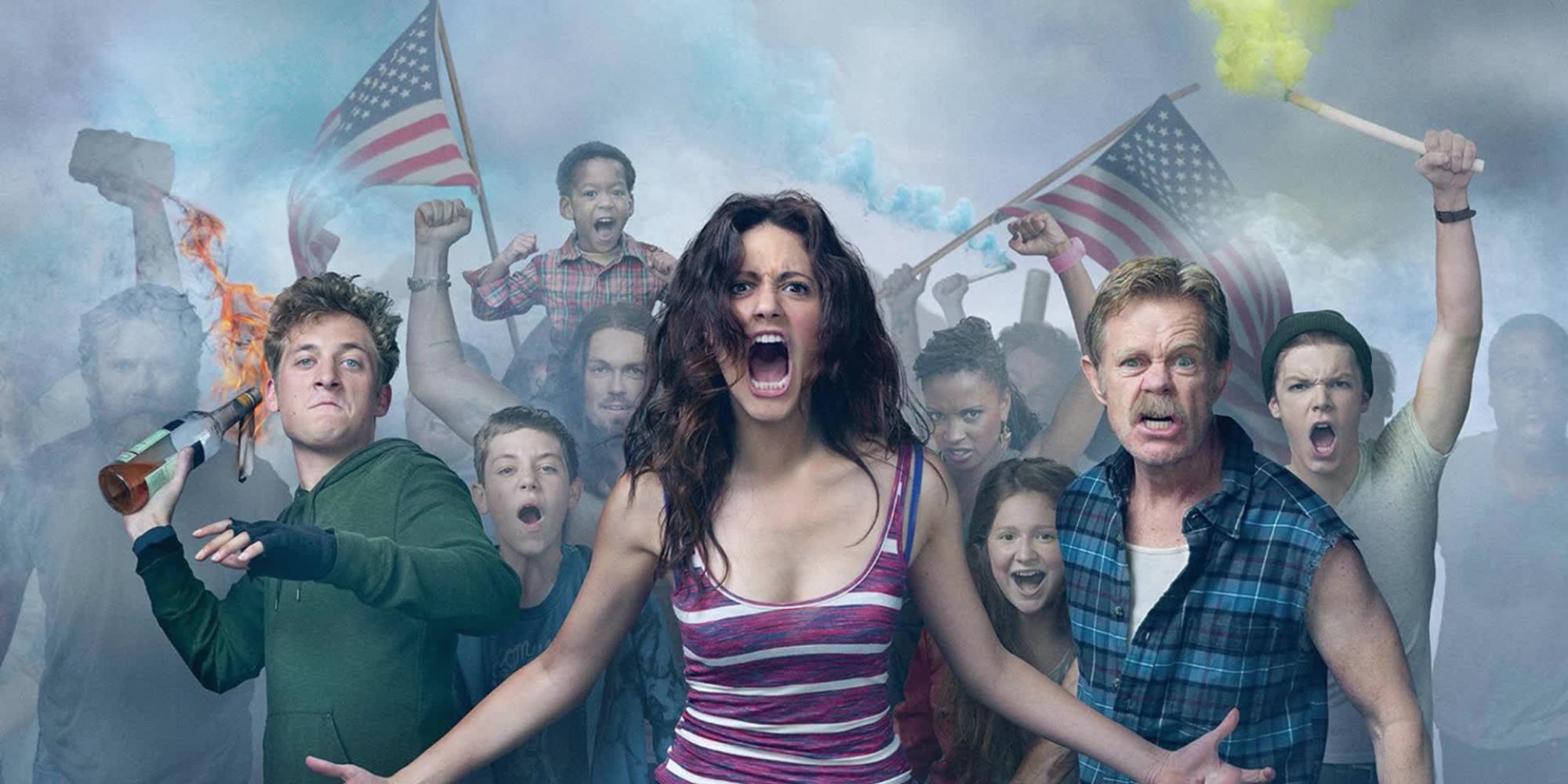
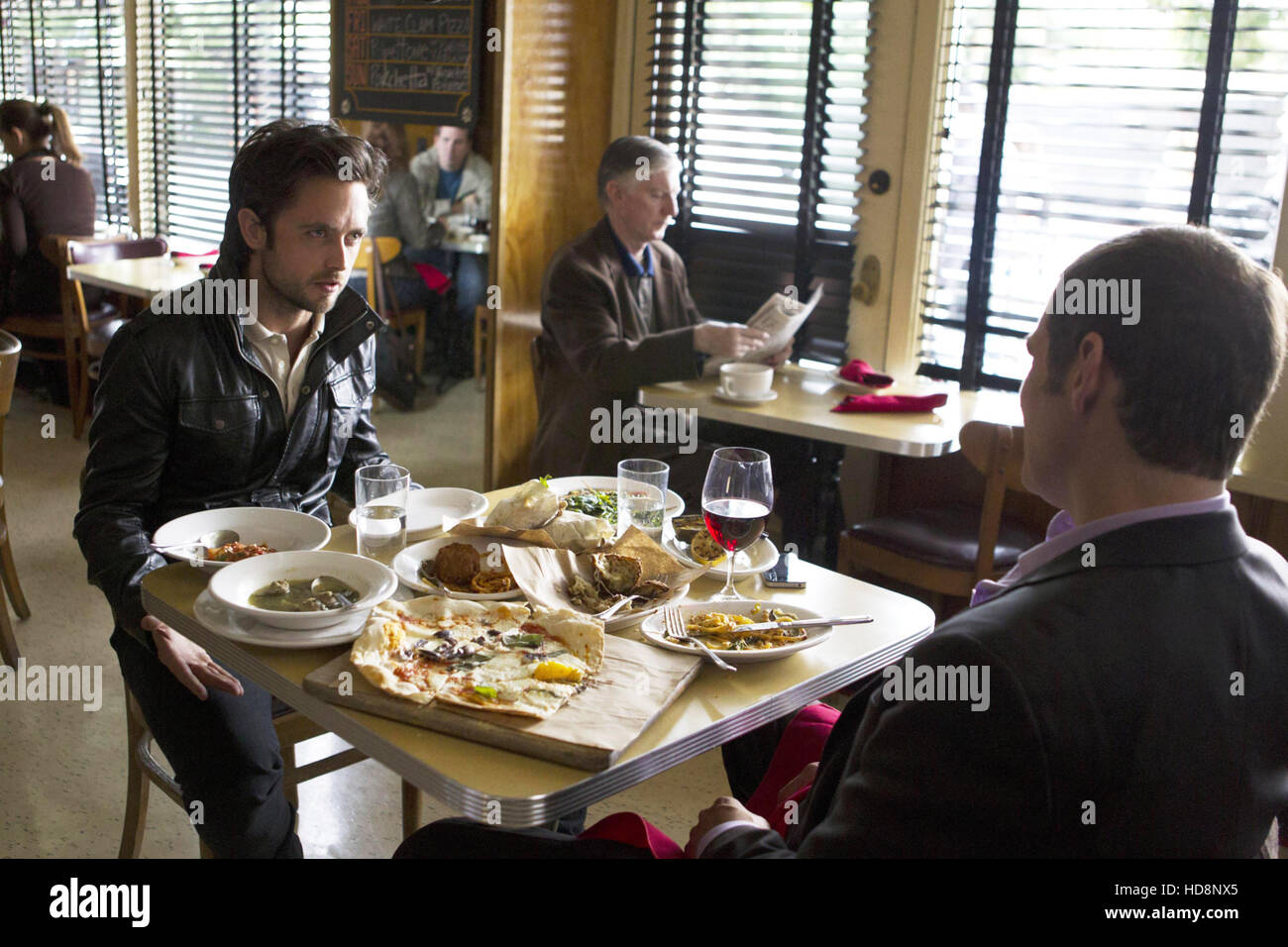
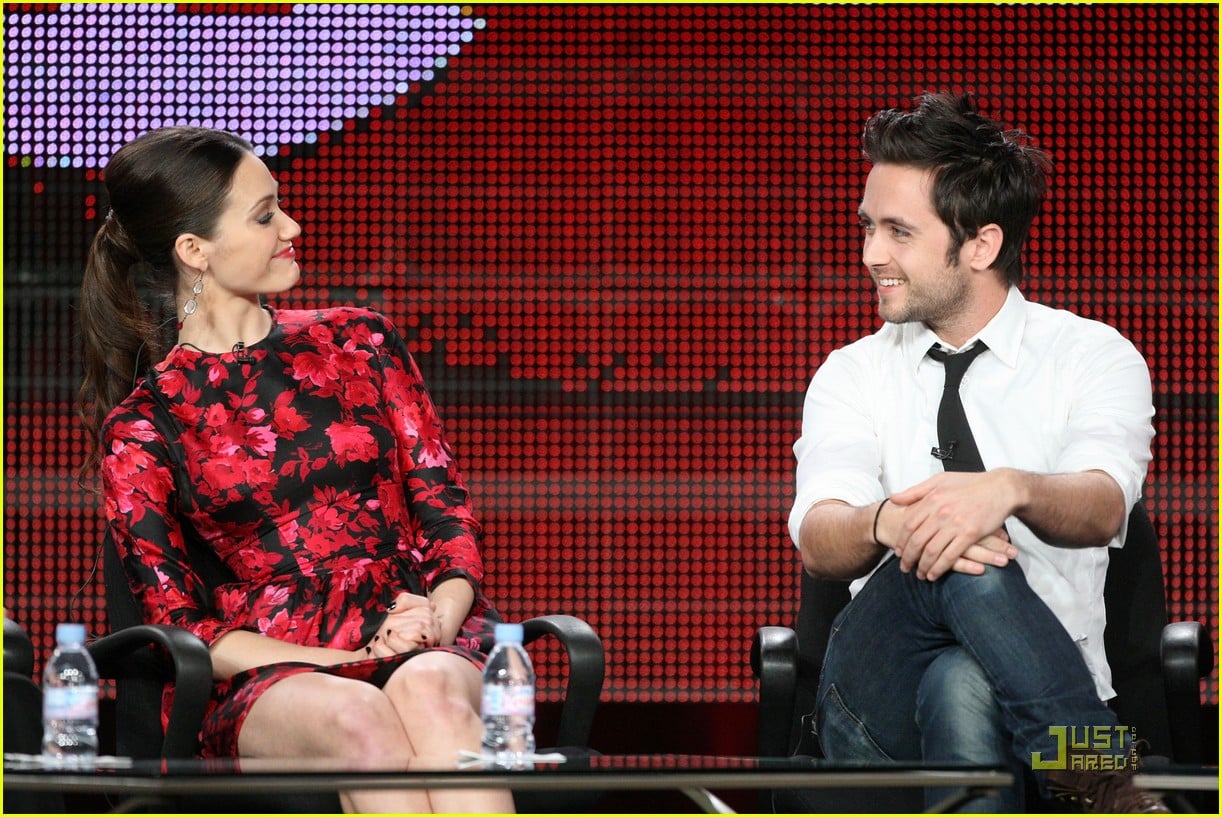
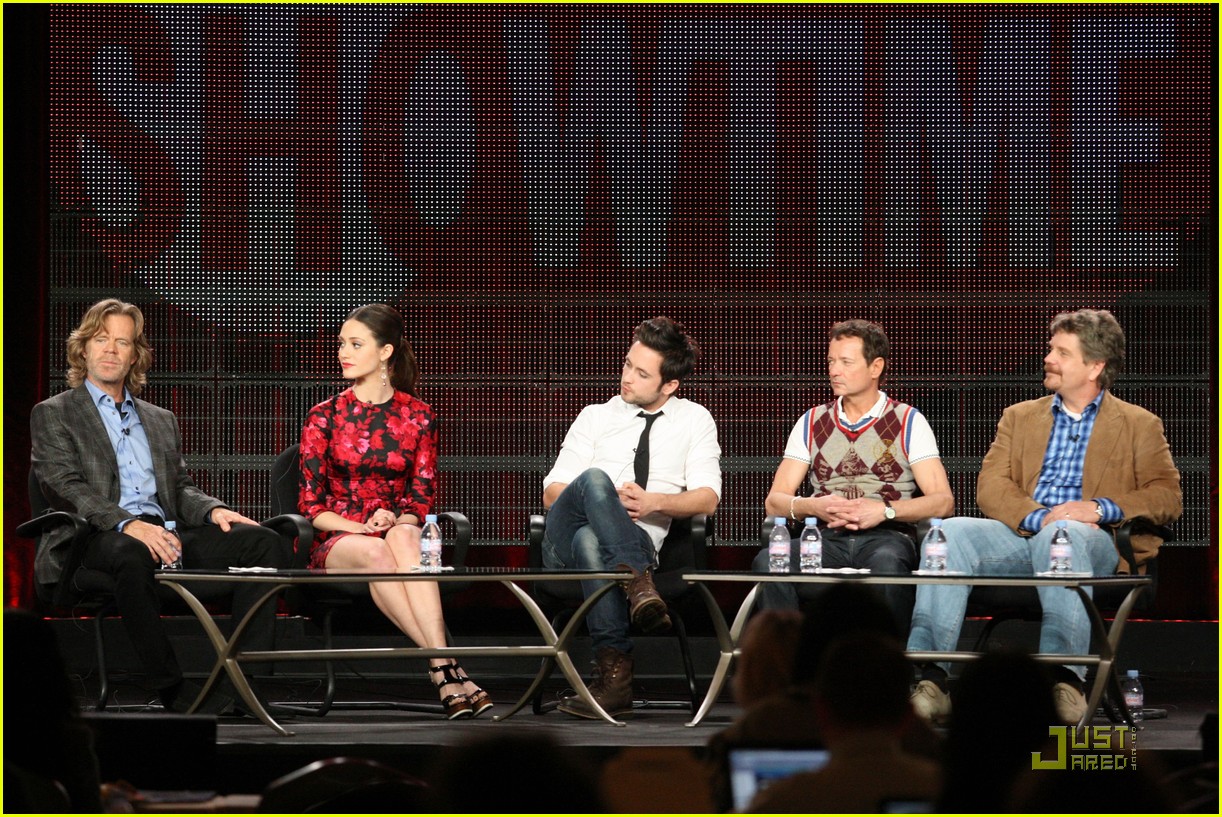
Why Did Justin Chatwin Leave Shameless: The Actor’s Departure Explained
Justin Chatwin’s departure from the hit Showtime series Shameless was primarily driven by the creative evolution of his character, Steve Wilton—also known as Jimmy Lishman—and the actor's desire to pursue diverse professional opportuni...
Justin Chatwin’s departure from the hit Showtime series Shameless was primarily driven by the creative evolution of his character, Steve Wilton—also known as Jimmy Lishman—and the actor's desire to pursue diverse professional opportunities. His exit was a mutual decision between the production team and the performer, marking the end of a pivotal arc in the show’s early seasons.
Contents
The Narrative Trajectory of Jimmy Lishman
To understand why Justin Chatwin exited the series, one must first analyze the role of Jimmy Lishman within the Gallagher household. As the romantic interest for Fiona Gallagher (Emmy Rossum), Chatwin served as the primary foil to the show’s gritty, South Side Chicago realism. Jimmy was the "outsider" who attempted to bridge the gap between his privileged, wealthy upbringing and the chaotic, survivalist nature of the Gallagher family.
Throughout the first three seasons, the character underwent significant volatility. His involvement with the Estefania criminal syndicate created a series of high-stakes, life-threatening complications that forced the character into constant hiding. By the conclusion of Season 3, the writers reached a narrative crossroads: either keep the character in a perpetual cycle of danger or evolve the plot to allow Fiona space for individual development.
Creative Evolution and Character Limits
From a screenwriting and production standpoint, the character of Jimmy Lishman served his primary purpose by the end of the show's initial run. Production executives and showrunners noted that the intensity of the Gallagher family dynamics often relied on the external pressure provided by Jimmy; however, keeping him tied to Fiona indefinitely risked stagnating the protagonist’s growth.
The decision to write out Chatwin allowed the show to pivot toward a broader ensemble focus. By removing the primary romantic anchor, the writers could explore Fiona’s professional struggles, her legal issues, and her role as the de facto head of the household without the narrative crutch of her relationship with Jimmy.
Professional Ambitions and Post-Shameless Career
Justin Chatwin, an actor with an interest in varied genres—ranging from science fiction to independent drama—sought to expand his portfolio beyond the long-term commitment of a premium cable series. The filming schedule for a series like Shameless is notoriously demanding, often requiring actors to remain in the same location for a significant portion of the year, which limits availability for feature film projects or limited series roles.
His departure was not characterized by acrimony or scandal. In several interviews conducted following his exit, Chatwin expressed deep appreciation for his time on the set and the relationships formed with his co-stars. His move allowed him to transition into projects such as Orphan Black and American Gothic, demonstrating his intent to test his range in character-driven narratives outside of the Gallagher-verse.
Key Differences Between Early Seasons and Later Development
The following table outlines the structural differences in the series before and after the departure of the character Jimmy Lishman, illustrating why the shift was necessary for the show's long-term sustainability.
| Feature | Seasons 1–3 (With Jimmy) | Seasons 4–11 (Post-Exit) |
|---|---|---|
| Primary Focus | Relationship dynamics and external pressure | Individual character growth and ensemble arcs |
| Narrative Tone | Romantic struggle vs. South Side reality | Systemic socio-economic challenges |
| Cast Dynamics | Heavily centered on the Fiona-Jimmy bond | Expansive growth for Lip, Ian, Debbie, and Carl |
| Plot Driver | Danger-based intrigue (Estefania/Mafia) | Real-world consequences and domestic drama |
The Reality of Casting and Production Cycles
In the television industry, especially within long-running series on networks like Showtime, actors frequently reach a point where their contractual obligations may conflict with their creative trajectory. The production cycle for a show spanning eleven seasons requires an immense level of dedication. When an actor expresses a desire to exit, showrunners must balance the emotional weight of a fan-favorite character against the necessity of fresh storytelling.
For Chatwin, the departure was a calculated career move. Maintaining a role that was rapidly losing its narrative justification—due to the character's repeated disappearances and returns—would have been counterproductive for both the actor and the series. His exit provided a "clean slate" for Fiona, which was essential for the character's arc in the later, more cynical seasons of the show.
Addressing Viewer Inquiries
Below are the most common questions regarding Justin Chatwin’s exit and the status of his character in the overall framework of the series.
Did Justin Chatwin leave on bad terms with the production?
There is no evidence to suggest that Chatwin left due to conflicts with the cast or crew. His departure was a professional decision aligned with the creative vision of the writers, and he maintained a positive relationship with the team, even returning for a brief cameo in the final season to provide fans with closure.
Was the character of Jimmy Lishman killed off?
No, the character was not killed off. Instead, the writers chose to keep his fate somewhat ambiguous, which allowed for his return in later seasons. This narrative choice kept the door open for his reappearance as a guest star, ensuring that the character's legacy within the show remained intact without disrupting the established post-Jimmy storylines.
How did the fans react to his departure?
Fan reaction was polarized. While many viewers were attached to the romantic chemistry between Jimmy and Fiona, others appreciated the decision to focus on the grit of the Gallagher household. The show’s ability to move past his departure and sustain its popularity for another eight seasons serves as a testament to the strength of the ensemble cast.
Why did he return for the final season?
His return in the final season was a nod to the fans and a narrative necessity to provide a sense of finality to Fiona’s story. Since he was such a monumental part of the series' origin, his brief reappearance served to acknowledge the show's history before the series finale in 2021.
Final Perspective on Series Longevity
The departure of a lead actor is often a critical test for any long-running television series. The writers of Shameless managed this transition by leaning into the inherent chaos of the Gallagher family, proving that the series was never truly about any one individual, but rather the collective struggle of a family living on the fringes of society. Justin Chatwin’s decision to move on allowed the show to mature, shifting from a romantic drama centered on a "savior" figure to a raw exploration of family loyalty and personal survival.
If you are a student of television history or a fan of the series, understanding the mechanics behind casting changes provides a deeper appreciation for the collaborative nature of scripted television. The transition from the earlier, more focused seasons to the sprawling, multi-perspective later years remains a primary example of how a series can evolve to maintain relevance in a competitive streaming environment.
Image Gallery