Ultimate Allis-Chalmers Forum & Community Guide: Navigating Vintage Tractor Maintenance, Parts Sourcing, and Restoration
An Allis-Chalmers forum serves as a dedicated digital hub where vintage tractor enthusiasts, mechanics, and collectors exchange technical manuals, troubleshoot mechanical issues, source rare parts, and share restoration projects. Key p...
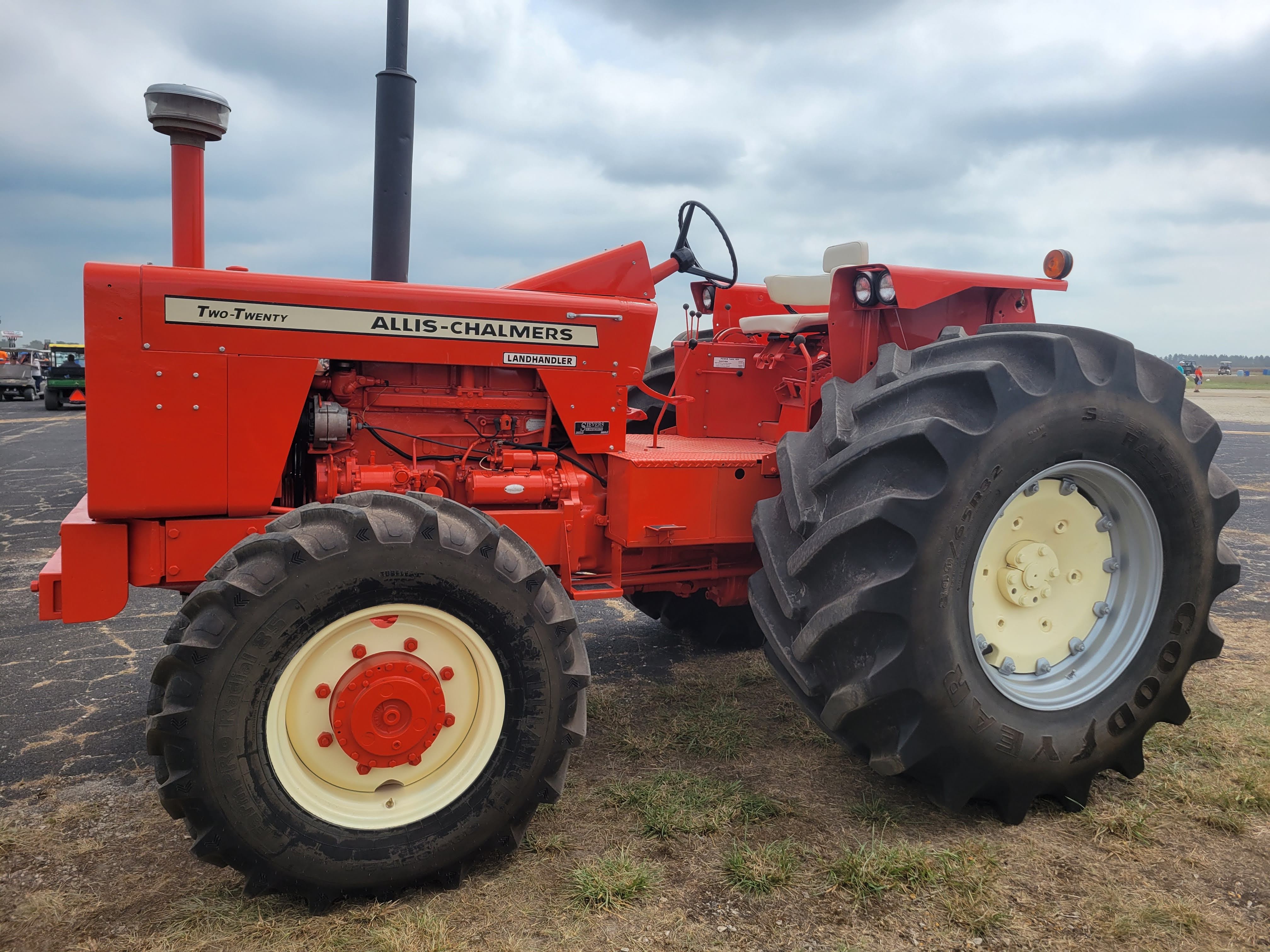
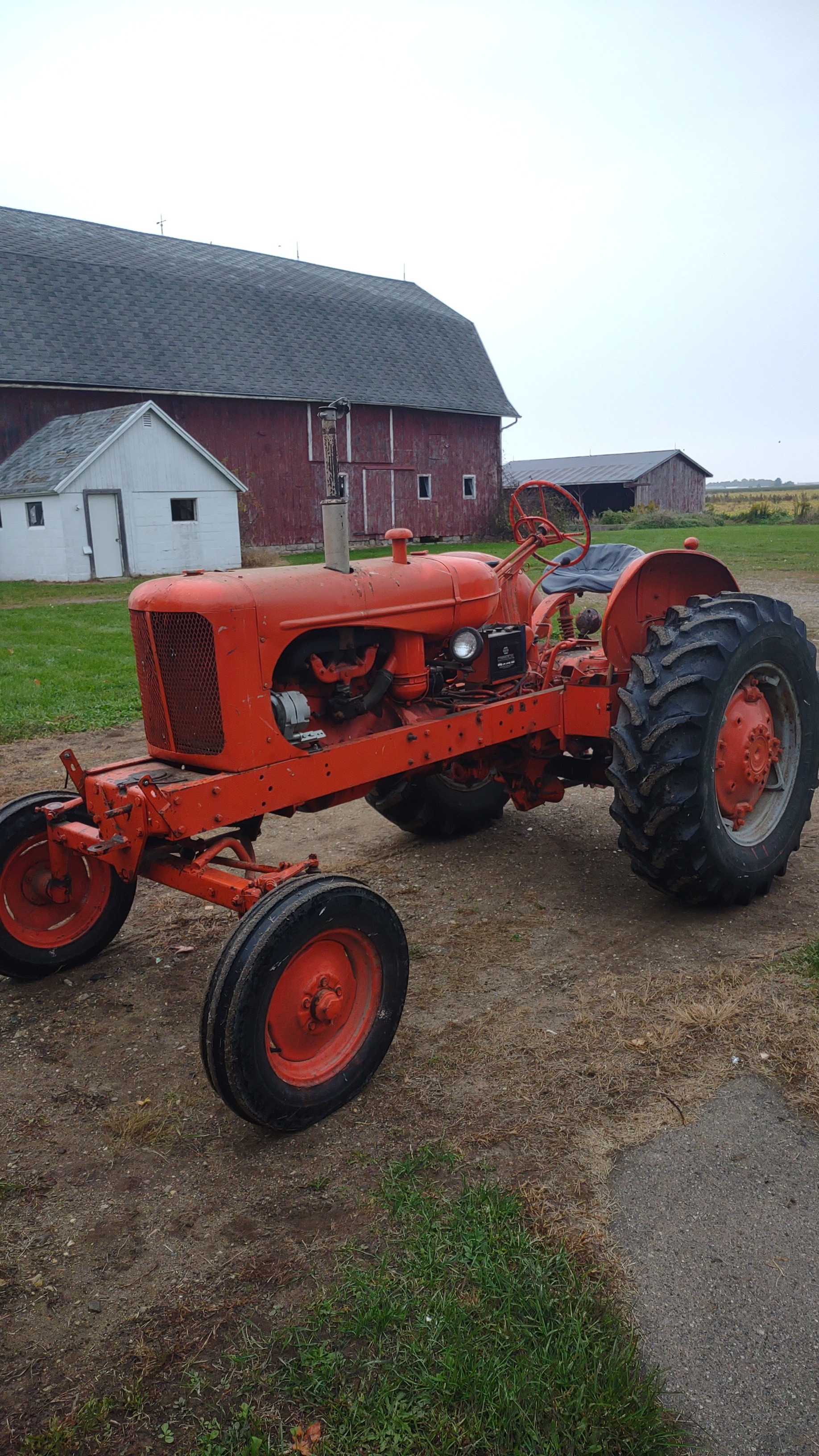
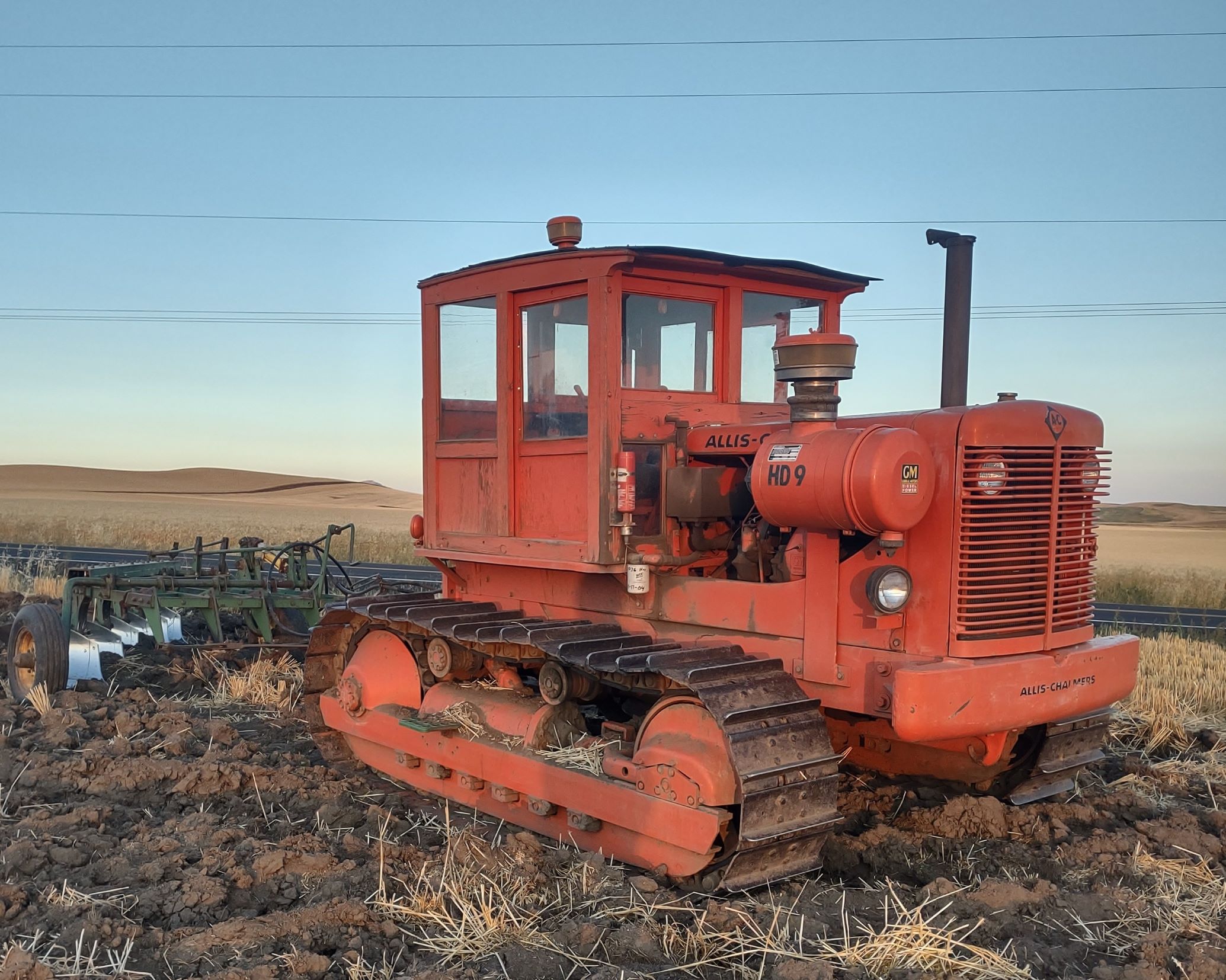
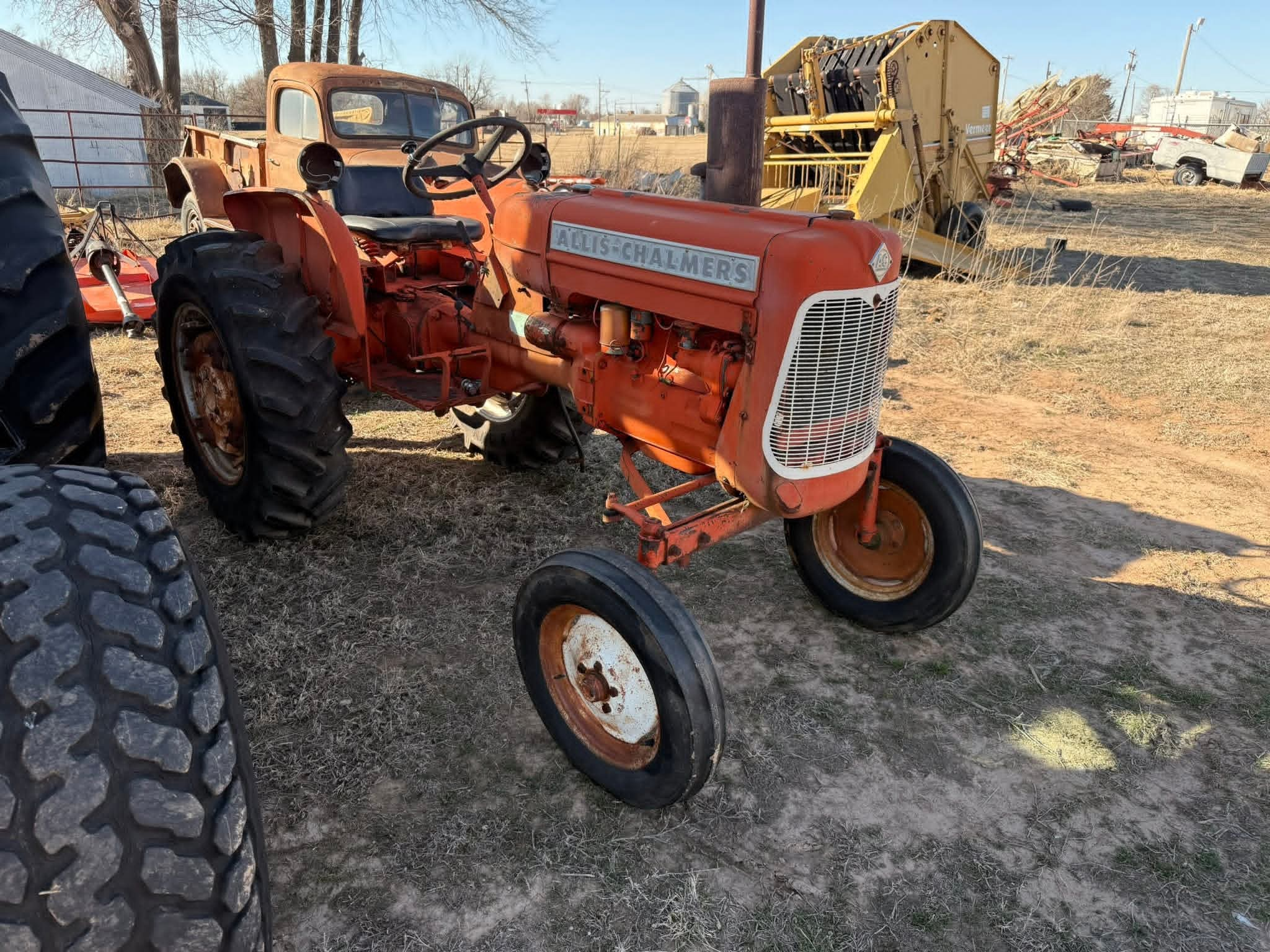
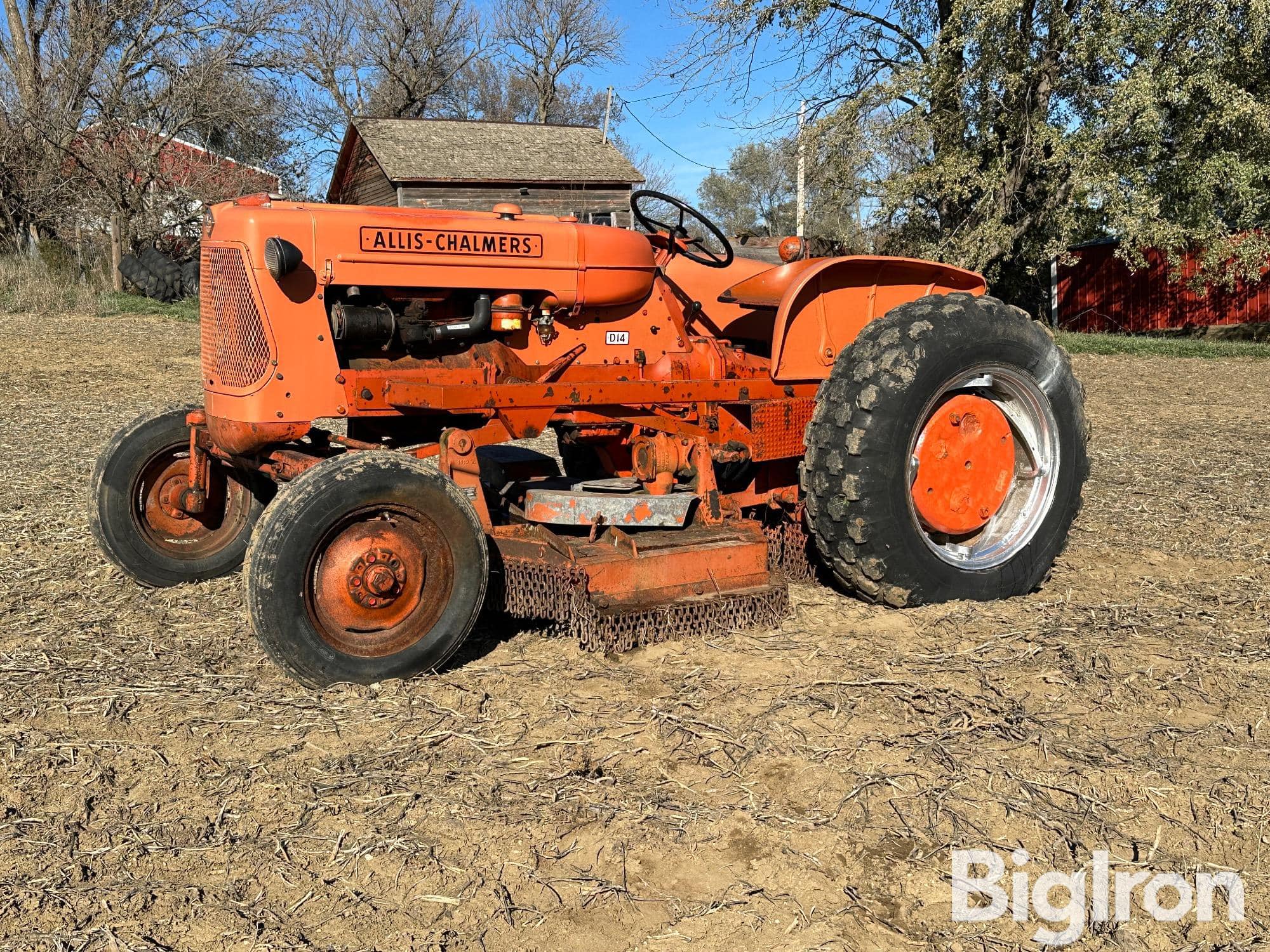
An Allis-Chalmers forum serves as a dedicated digital hub where vintage tractor enthusiasts, mechanics, and collectors exchange technical manuals, troubleshoot mechanical issues, source rare parts, and share restoration projects. Key platforms like the Unofficial Allis Home (AllisChalmers.com), Yesterday's Tractors, SmokStak, and specialized discussion boards offer decades of archived knowledge for iconic orange machinery ranging from the Model B and WD45 to the late D-Series and 7000 Series tractors.
Contents
Understanding the Allis-Chalmers Online Community Landscape
The legacy of Allis-Chalmers—spanning over a century of agricultural innovation, industrial manufacturing, and iconic Persian Orange tractors—continues to thrive through vibrant online communities. For owners, restorers, and operational farmers maintaining heritage equipment, participating in an Allis-Chalmers forum is often the difference between a stuck restoration and a fully operational tractor.
Online forums dedicated to Allis-Chalmers differ significantly in their target focus, technical depth, and community dynamics. While social media channels provide quick photo sharing and high-level conversational feedback, traditional web-based forums preserve structured, searchable technical threads stretching back over twenty years. These text-and-image archives preserve crucial historical insights, field modifications, and factory service workaround solutions that are no longer printed in modern service books.
Key Types of Vintage Tractor Forums
- Dedicated Brand Repositories: Platforms focused exclusively on Allis-Chalmers equipment, featuring dedicated boards for garden tractors, antique row-crop units, industrial crawlers, and heavy implements.
- General Antique Machinery Boards: Broader platforms covering historical farm equipment across multiple manufacturers, ideal for cross-referencing third-party components like Zenith carburetors, Delco-Remy electrical parts, or Hercules engines.
- Regional & Implement-Specific Communities: Niche boards centered around specialized implements (such as Snap-Coupler equipment, gleaner combines, or round balers) and regional tractor clubs.
Accessing these historical archives allows tractor owners to bypass trial-and-error repairs. Whether adjusting a sticky governor spring on an Allis-Chalmers Model G or rebuilding the hydraulic pump on a D17, forum archives provide step-by-step guidance vetted by veteran mechanics.
Core Technical Topics and Mechanical Solutions Available in Forum Archives
The technical depth available within Allis-Chalmers forum threads covers virtually every subsystem of vintage machinery. Understanding how to navigate these technical topics enables owners to solve complex mechanical issues using factory-accurate specifications.
1. Engine Rebuilding, Tolerances, and Tuning
Engine overhauls represent one of the most discussed topics on vintage machinery boards. Discussions frequently center around sleeve assemblies, main bearing clearances, torque specifications, and valve adjustments for popular engine families like the 201 cu. in. four-cylinder (WD45) or the 226 cu. in. engine (D17).
Forum participants regularly reference primary specifications, such as those cataloged on historical registries like TractorData, while providing field-tested advice on sleeve height protrusion, head gasket sealing techniques, and conversion options for modern fuels.
2. Electrical System Conversions: 6-Volt to 12-Volt Upgrades
Original Allis-Chalmers tractors manufactured prior to the mid-1950s utilized 6-volt positive-ground electrical systems powered by Delco-Remy generators. Over decades of operation, worn wiring harnesses, corroded grounds, and weak generators often lead owners to perform 12-volt negative-ground conversions using 1-wire or 3-wire alternators.
Electrical conversion threads detail the exact resistor values required to preserve original 6V ignition coils, proper ammeter wiring adjustments to reflect negative-ground charging, and bracket modification steps necessary to mount modern alternators without cutting original sheet metal.
3. Hydraulic Systems and Power-Director Clutches
Allis-Chalmers introduced several proprietary mechanical and hydraulic innovations that require specialized maintenance techniques:
- Snap-Coupler Systems: Troubleshooting latch mechanisms, lift arm linkages, and draft control spring adjustments.
- Power-Director "Hand Clutch" Assemblies: Diagnosing slippage, adjusting wet multi-disc clutch packs, and setting lever neutral points on D-Series models.
- Traction Booster Hydraulics: Overhauling high-pressure low-volume hydraulic pumps, replacing internal O-rings, and setting relief valves.
4. Serial Number Identification and Production History
Determining the precise manufacture date of an Allis-Chalmers tractor is essential for ordering accurate replacement parts, as mid-year running changes were common. Forum community members maintain extensive serial number reference tables cross-referenced with engine block casting numbers, steering box stamps, and transmission housing codes.
Comparison of Popular Allis-Chalmers Forums and Knowledge Hubs
Selecting the appropriate forum platform depends on whether you require immediate quick-answer troubleshooting, access to decades of searchable tech archives, or localized classified listings for hard-to-find original parts.
| Forum Platform | Primary Focus & Specialization | Search Quality & Archive Depth | Best For | Technical Depth Level |
|---|---|---|---|---|
| AllisChalmers.com (Unofficial Allis Home) | 100% Allis-Chalmers tractors, industrial kit, and implements | High; extensive threads spanning over two decades | Model-specific restoration, original factory specs, classifieds | Expert / Master Mechanic |
| Yesterday's Tractors (Allis-Chalmers Board) | Broad vintage farm machinery, general repair advice | Excellent; highly structured Q&A format | Electrical, carburetors, general operational troubleshooting | Beginner to Advanced |
| SmokStak Antique Engine Forum | Stationary engines, early steel-wheel tractors, crawlers | Very High; deep focus on early industrial history | Pre-1940 models, rare industrial engines, casting repairs | Advanced / Historical Restorer |
| TractorByNet (Allis-Chalmers Section) | Compact tractors, modern utility, home owner maintenance | Moderate; modern forum layout with active threads | Routine fluid maintenance, light utility usage, implement attachment | Beginner to Intermediate |
| MyTractorForum (Allis-Chalmers Subforum) | Lawn & garden tractors (B-Series, 700/900 Series), sub-compacts | Good; organized sub-boards for outdoor power equipment | Simplicity-built AC garden tractors, mower decks, repowering | Intermediate |
Step-by-Step Guide: Troubleshooting Mechanical Issues via Forum Archives
When diagnosing a non-running or poorly performing vintage Allis-Chalmers tractor, utilizing forum search archives systematically speeds up troubleshooting. Follow this strategic workflow to find verified solutions.
Step 1: Document Model Identification and Serial Numbers
Before searching forum threads, locate and record all identifying data from your tractor:
- Locate the serial number stamped on the rear axle housing, torque housing, or brake cover (location varies by model, such as rear flange on Model B or torque housing on WD45).
- Note engine casting numbers on the right or left side of the engine block.
- Identify carburetor brand and model (e.g., Marvel-Schebler TSX series or Zenith).
Step 2: Perform targeted Archive Searches
Utilize precise search terms inside forum search bars or standard search engines combined with domain operators. Instead of searching broadly for "WD45 starting issue," use targeted diagnostic queries such as:
WD45 Zenith carburetor overflow float adjustmentD17 Power Director clutch slippage adjustment procedureAllis Chalmers B oil pressure drop when warm standard specs
Step 3: Diagnose Fuel and Ignition Systems First
A common diagnostic flow supported across all major technical forums isolates issues methodically:
- Fuel Flow Test: Verify steady fuel flow by removing the drain plug at the bottom of the carburetor bowl into a clear container. If flow dribbles or stops, check the sediment bowl screen, fuel tank outlet screen, and tank cap vent hole.
- Ignition Spark Check: Verify a bright blue spark across a 1/4-inch gap from the main coil wire and individual plug wires. Weak yellow spark indicates worn breaker points, a failing condenser, or voltage drops across a corroded ignition switch.
Step 4: Validate Mechanical and Hydraulic Tolerances
When forum threads suggest mechanical adjustments, always cross-reference recommendations against original service manual tolerances.
Standard Valve Clearance (Cold): Model B / C / CA: 0.012" Intake / 0.012" Exhaust WD / WD45 (Gasoline): 0.014" Intake / 0.014" Exhaust D17 (Gasoline Series I-IV): 0.012" Intake / 0.014" Exhaust
Best Practices for Participating in Vintage Tractor Forums
Joining an online forum community offers access to decades of collective mechanical experience. Adhering to established community standards ensures you receive fast, accurate, and helpful responses from senior members and retired technicians.
Formulating High-Detail Technical Queries
To get actionable advice when posting a new troubleshooting thread, structure your post with complete technical background:
- Clear Subject Line: Include model, year, component, and specific symptom (e.g., "1954 Allis-Chalmers WD45 - Hydraulic Lift Arms Drop Under Load Under Warm Conditions").
- Current Setup Details: State whether the tractor is original 6-volt positive ground or converted to 12-volt negative ground, and specify exact engine type (Gas, Kerosene/Distillate, LP Gas, or Diesel).
- Diagnostic Steps Already Taken: Clearly list parts replaced, compression test values (in PSI across all cylinders), and battery voltage measurements under load.
- Clear Photographs: Upload well-lit, close-up photos of electrical wiring, casting stamps, damaged gears, or worn linkage parts.
Safety Protocols for Vintage Equipment Restoration
Forum veterans frequently emphasize safety protocols that must be observed when working on antique machinery. Unlike modern agricultural tractors, vintage Allis-Chalmers equipment lacks safety features like roll-over protective structures (ROPS), neutral safety switches, and fully shielded power take-off (PTO) shafts.
Always block front and rear wheels securely before working under a tractor. Never start a tractor while standing beside it on the ground—always mount the operator platform and ensure transmission levers and hand clutches are in neutral.
Sourcing Rare Parts and Classified Etiquette
Finding original replacement components for orphan agricultural brands requires leveraging community classified boards, regional swap meets, and specialized vintage parts yards.
Navigating Classified Ads and Swaps
- Use Specific Part Numbers: Reference original Allis-Chalmers parts manuals to obtain exact part numbers (e.g., 7020000-series numbers for later tractors or classic 200000-series numbers).
- Verify Component Compatibility: Many parts appear visually identical across different models but feature distinct internal ratios or shaft splines. For example, Snap-Coupler traction control linkage components for a WD differ from those designed for a D17.
- Exercise Buyer Caution: When purchasing hard-to-find components (such as intact uncracked manifold castings, narrow front pedestals, or pristine sheet metal) from forum classifieds, utilize verified payment methods that offer buyer protection and request high-resolution photos of mating surfaces.
Technical Maintenance Overview for Classic Allis-Chalmers Models
Keeping an Allis-Chalmers tractor operating efficiently requires regular maintenance schedules tailored to older mechanical designs.
Daily / 10-Hour Inspection: - Check engine oil level using dipstick or petcocks. - Inspect air cleaner oil cup; clean and refill with fresh engine oil. - Check coolant level in radiator (allow space for thermal expansion on non-pressurized systems). 50-Hour Maintenance: - Grease steering linkages, clutch pedal pivot, and Snap-Coupler pivot points. - Check transmission and final drive fluid levels. - Clean sediment bowl and inspect fuel lines for leaks. 200-Hour / Annual Service: - Change engine oil and oil filter element. - Clean battery terminals and verify charging voltage. - Inspect fan belt tension and hose integrity. - Check valve lash adjustment and adjust ignition timing.
Frequently Asked Questions
What is the most active online forum for Allis-Chalmers tractor owners?
The Unofficial Allis Home (AllisChalmers.com) is widely considered the most comprehensive and active forum dedicated strictly to Allis-Chalmers machinery. It features active discussion boards for farm tractors, industrial machinery, garden tractors, and implements alongside dedicated classified advertisement sections.
How do I find the exact manufacturing year of my Allis-Chalmers tractor?
You can determine the manufacturing year by locating the tractor's serial number stamped into the metal housing—typically near the rear axle, torque housing, or transmission case—and matching it against production tables available on vintage machinery forums or TractorData.
Where can I find original Allis-Chalmers wiring diagrams and service manuals?
Digital reproductions and scanned PDF copies of original Allis-Chalmers operator manuals, I&T shop manuals, and wiring schematics are routinely shared within resource sections of online forums. Additionally, original hardcopy service books can be purchased through active forum members and dedicated antique tractor manual publishers.
What is the standard procedure for converting a 6V Allis-Chalmers system to 12V?
Converting to a 12-volt system typically involves mounting a Delco Remy 10SI alternator, switching the battery to 12 volts with negative ground, installing a ballast resistor prior to the 6-volt ignition coil (or replacing it with a internal-resistor 12V coil), and swapping original bulbs to 12V equivalents. Complete step-by-step wiring diagrams for specific models like the B, C, WC, and WD are archived extensively across vintage tractor forums.
How do I fix slippage in an Allis-Chalmers Power-Director hand clutch?
Power-Director hand clutch slippage on D-Series tractors is generally resolved by adjusting the mechanical shims or adjusting collar within the wet clutch assembly inside the torque housing. Forum threads provide detailed walkthroughs on accessing the clutch compartment, measuring plate stack clearances, and selecting correct heavy-duty oil types (such as Universal Tractor Fluid meeting Allis-Chalmers Power Fluid specifications).
Joining the Preservation Movement
Preserving agricultural history relies on open technical exchange, community support, and accurate maintenance standards. Whether you are conducting a factory-correct museum restoration on an Allis-Chalmers Model U or keeping a working D19 operational for seasonal chores, participating in an Allis-Chalmers forum connects you directly with experienced mechanics, rare parts vendors, and fellow preservationists dedicated to keeping Persian Orange machinery running for generations to come.
Image Gallery