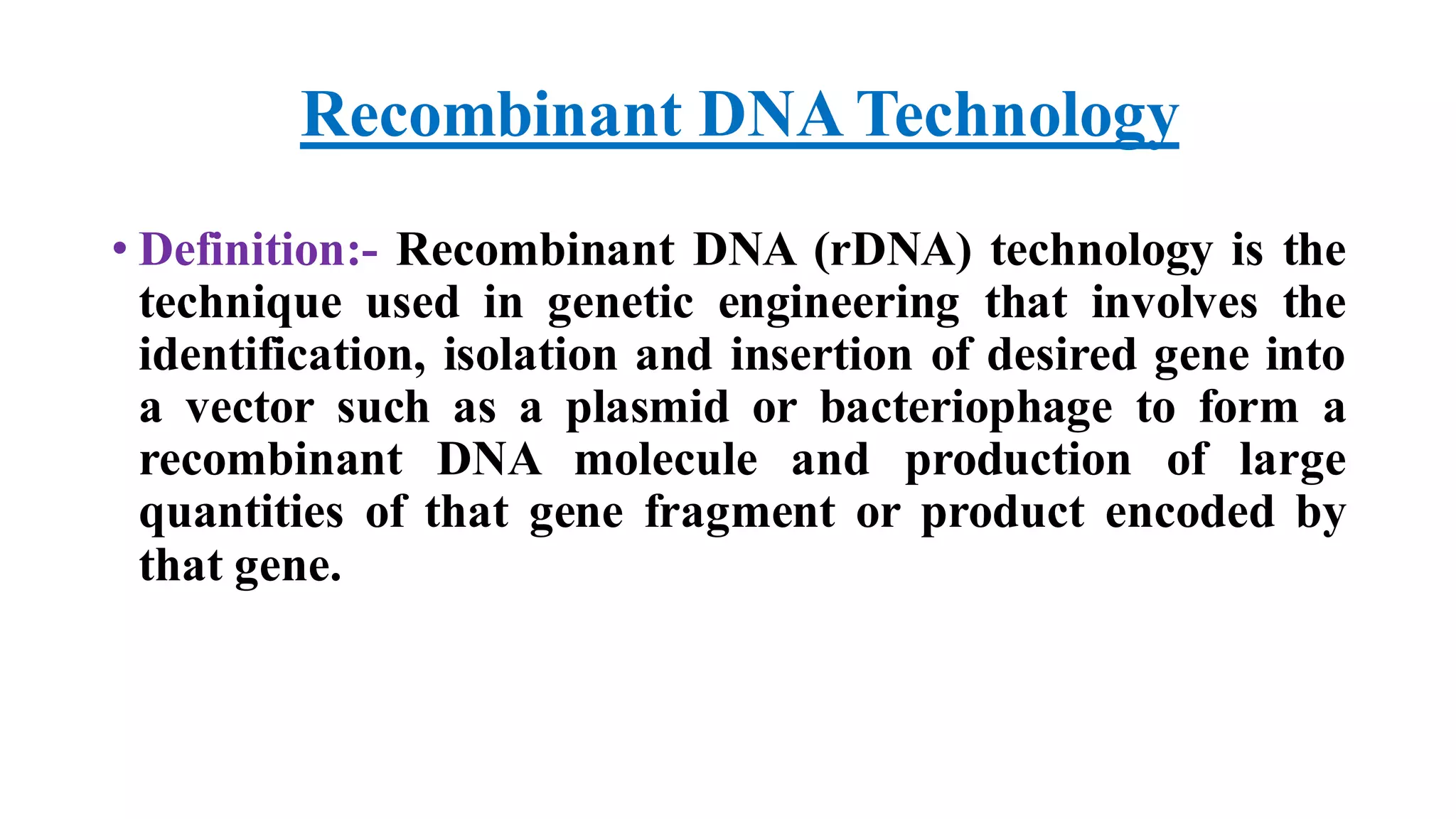
Understanding the Purpose of Recombinant DNA Technology
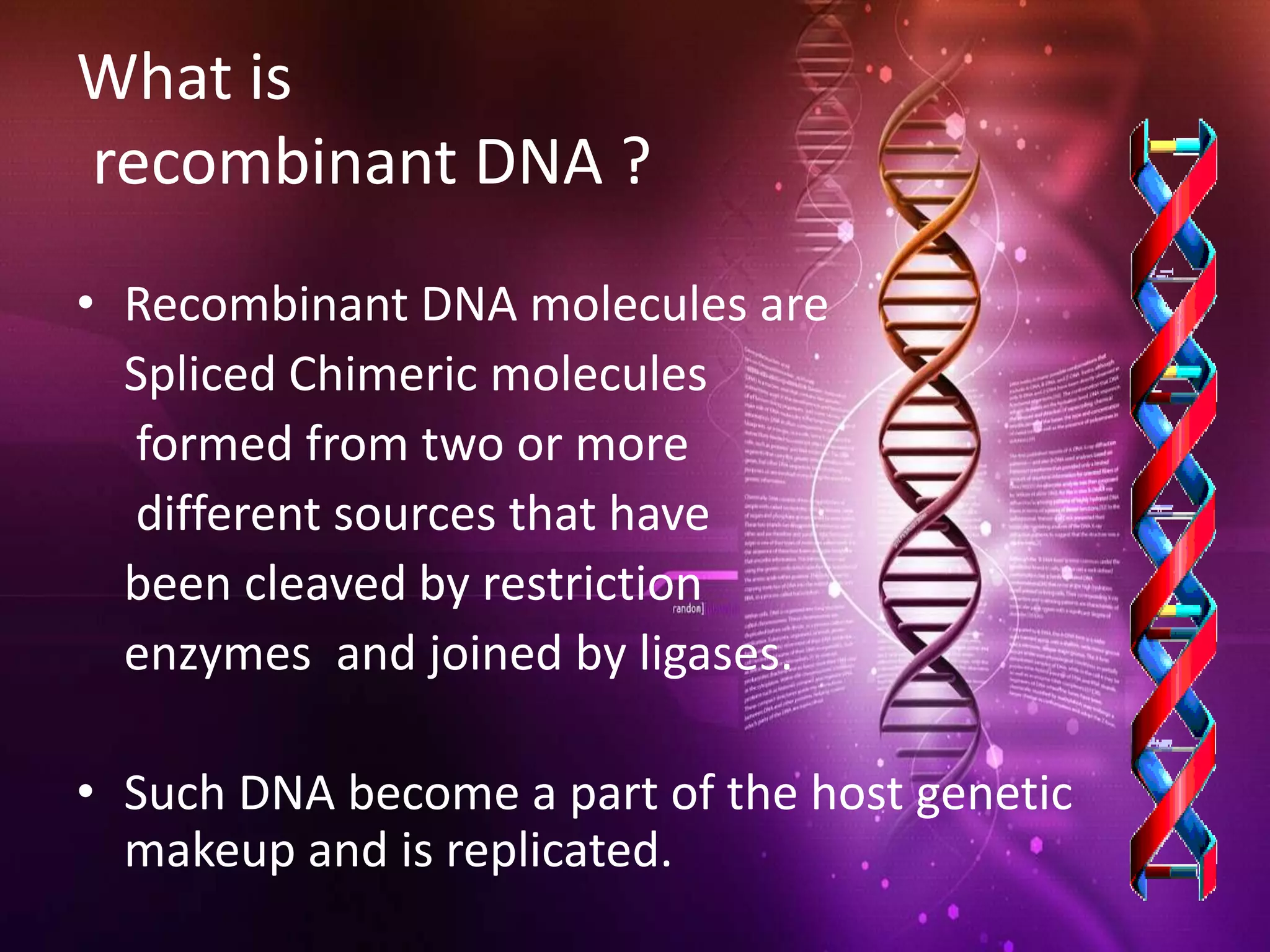
Recombinant DNA technology allows scientists to combine genetic material from different sources into a single DNA molecule, creating novel sequences that do not occur naturally. Its primary purpose is to study gene function, manufactur...
Recombinant DNA technology allows scientists to combine genetic material from different sources into a single DNA molecule, creating novel sequences that do not occur naturally. Its primary purpose is to study gene function, manufacture therapeutic proteins at scale, and engineer organisms with specialized traits for medicine, agriculture, and industry.
Contents
Introduction to Recombinant DNA Technology
Recombinant DNA (rDNA) technology sits at the foundation of modern molecular biology and genetic engineering. Before the development of this methodology in the 1970s, studying individual genes in detail was exceedingly difficult because genomes are massive and complex. By isolating specific segments of DNA, combining them with vector molecules, and introducing them into host cells, researchers gained the ability to replicate, manipulate, and express foreign genes in controlled environments.
At its core, understanding the purpose of recombinant DNA technology requires looking beyond basic laboratory curiosity. The technique enables practical applications that touch nearly every sector of modern science and commerce. Whether producing life-saving pharmaceuticals, engineering crops to resist pests, or generating enzymes for industrial manufacturing, rDNA technology provides a precise toolset to bypass the limitations of natural breeding and cellular machinery.
Core Mechanisms: How Recombinant DNA Works
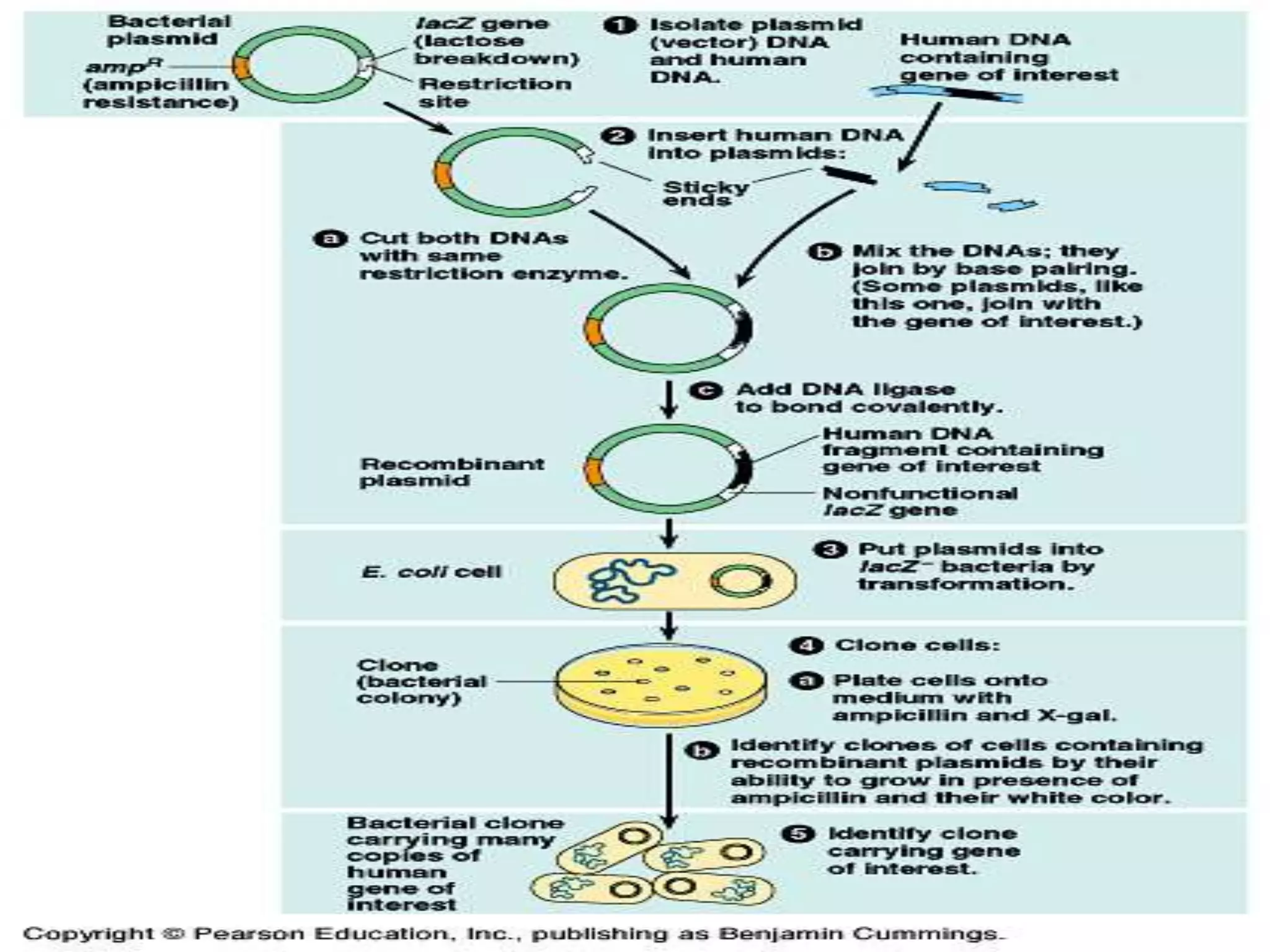
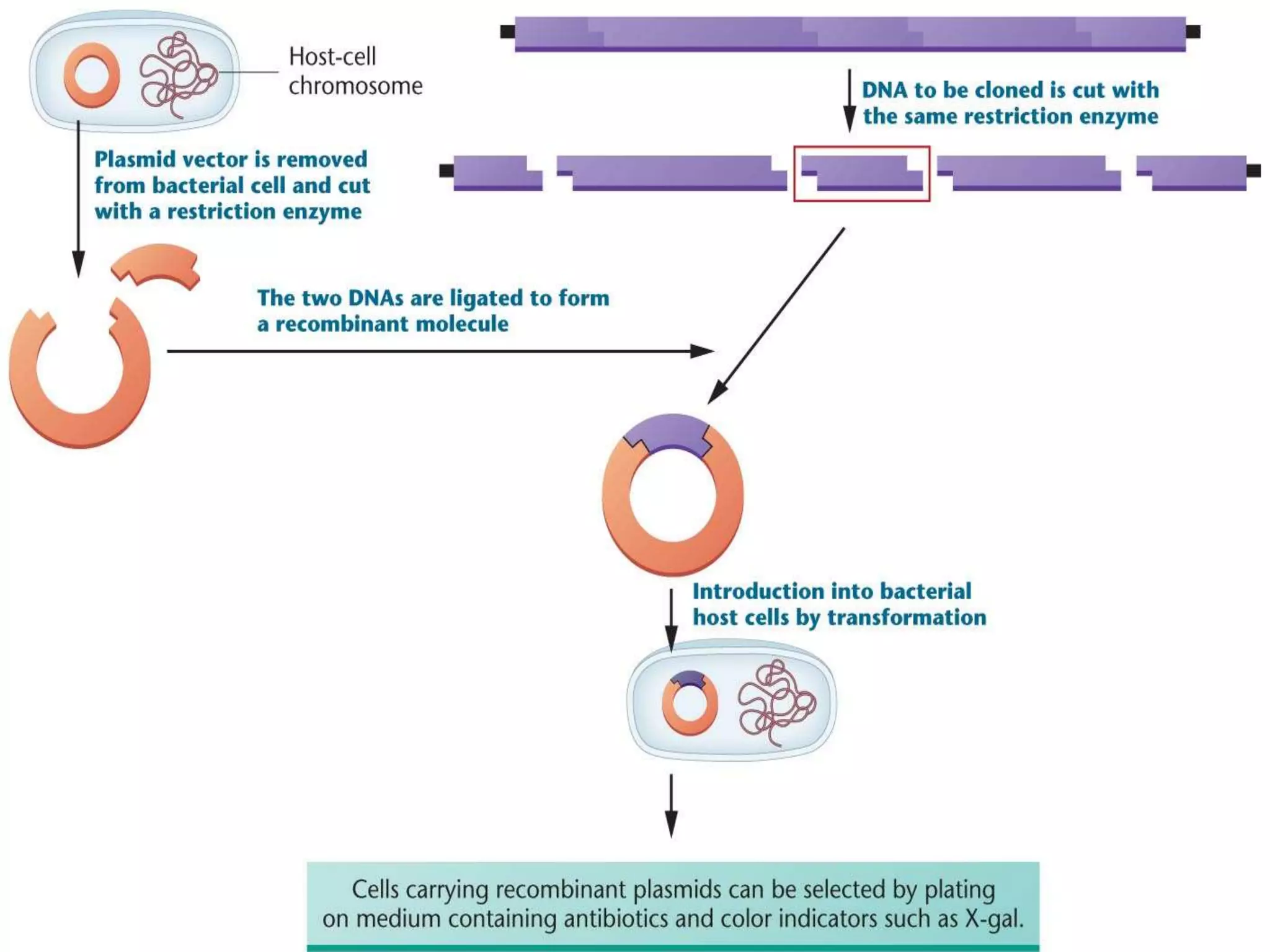
To understand why recombinant DNA technology is so powerful, it helps to examine the underlying procedural framework. The process relies on several biological tools, most notably restriction enzymes (molecular scissors) and DNA ligase (molecular glue).
- Isolate Source DNA & Vector
- Cleave with Restriction Enzymes
- Join Fragments via DNA Ligase
- Introduce rDNA into Host Cell
- Clone & Express Target Product
The workflow generally follows a standardized sequence of steps:
- Isolation: The target gene of interest (from a plant, animal, or microorganism) and a suitable vector (such as a plasmid or viral chromosome) are isolated and purified.
- Cleavage: Restriction endonucleases cut both the target DNA and the vector at specific recognition sites, often leaving complementary "sticky ends."
- Ligation: DNA ligase permanently seals the DNA fragments together, integrating the target gene into the vector backbone to form a single recombinant molecule.
- Transformation: The recombinant vector is introduced into a host organism—frequently bacteria like Escherichia coli or yeast cells—via methods such as electroporation or chemical competence.
- Selection and Screening: Host cells that successfully took up the vector are cultured on selective media (often using antibiotic resistance markers) to isolate the engineered clones.
Through these steps, researchers generate stable biological factories capable of replicating the inserted gene millions of times or translating it into a functional protein.
Primary Applications in Medicine and Pharmaceuticals
One of the most profound impacts of recombinant DNA technology is found in modern medicine. Before rDNA, biological therapeutics relied entirely on extraction from human or animal tissues, which carried significant risks of contamination, immune reactions, and severe supply limitations.
Recombinant Protein Therapeutics
The classic example of medical rDNA application is the production of human insulin. Historically, diabetics relied on insulin extracted from the pancreases of slaughtered pigs and cows, which frequently caused allergic reactions. By inserting the human gene for insulin into bacteria or yeast, manufacturers can brew massive quantities of identical, pure human insulin.
Similar recombinant methods are used to produce:
- Human Growth Hormone (HGH): Used to treat growth deficiencies in children, replacing extracts harvested from human cadavers.
- Erythropoietin (EPO): Stimulates red blood cell production for patients with severe anemia caused by chronic kidney disease.
- Monoclonal Antibodies: Engineered proteins designed to target specific antigens, widely used in oncology and autoimmune disease therapies.
Gene Therapy and Vaccines
Beyond manufacturing proteins outside the body, recombinant DNA forms the basis of advanced genetic interventions. Recombinant viral vectors are designed to deliver functional genes directly into patient cells to correct single-gene hereditary disorders. Furthermore, recombinant subunit and nucleic acid vaccines use engineered genetic codes to stimulate immune responses without introducing live, virulent pathogens.
Agricultural Biotechnology and Crop Improvement
In agriculture, the purpose of recombinant DNA technology is to enhance crop yield, resilience, and nutritional quality while reducing reliance on chemical pesticides and environmental tilling.
Crop plants are frequently engineered to express specific traits derived from naturally occurring soil bacteria. For instance, the introduction of genes from Bacillus thuringiensis (Bt) enables certain crops to produce proteins toxic to specific agricultural pests, drastically cutting down the need for synthetic insecticides. Similarly, herbicide-tolerant crops allow farmers to manage weeds effectively without damaging the primary harvest.
| Application Sector | Primary Goal | Representative Product |
|---|---|---|
| Pharmaceuticals | Scalable production of safe therapeutic proteins | Human Insulin, Recombinant Vaccines |
| Agriculture | Enhanced pest resistance and environmental tolerance | Bt Corn, Herbicide-Resistant Soybeans |
| Industrial Biotech | Efficient biological catalysis for manufacturing | Cellulases, Recombinant Amylases |
| Research & Diagnostics | Functional gene analysis and targeted assay production | Taq Polymerase, Monoclonal Antibodies |
Nutritional enhancement represents another vital agricultural objective. Biofortified crops, such as Golden Rice, are engineered to biosynthesize provitamin A in the edible portions of the grain, directly addressing widespread micronutrient deficiencies in developing regions.
Industrial and Environmental Applications
Beyond medicine and agriculture, recombinant DNA technology drives innovations in industrial biotechnology, often referred to as white biotechnology. Microorganisms are engineered to act as microscopic chemical factories that operate under mild environmental conditions.
Enzymes used in everyday products—such as laundry detergents, textile processing, and food manufacturing—are routinely produced using recombinant expression systems. For example, rennet used in cheese production was traditionally harvested from calf stomachs; today, the vast majority of cheese is produced using chymosin generated by genetically engineered microorganisms.
In environmental protection, researchers use recombinant bacteria designed to degrade specific pollutants, such as hydrocarbons in oil spills or toxic chemical byproducts in industrial wastewater. These engineered strains possess enhanced metabolic pathways that accelerate bioremediation processes far beyond what native microbial populations can achieve alone.
Operational Limitations and Regulatory Oversight
Despite its vast utility, recombinant DNA technology operates within strict biological and regulatory boundaries. Understanding these limitations is essential for realistic project planning and risk assessment.
- Expression Hurdles: Simply inserting a human gene into a bacterium does not guarantee successful protein production. Prokaryotic hosts often lack the cellular machinery required to perform complex post-translational modifications, such as glycosylation, which are necessary for proper human protein function.
- Metabolic Burden: Forcing a host cell to replicate foreign DNA and synthesize non-native proteins places a significant metabolic load on the organism, potentially reducing growth rates and plasmid stability during large-scale fermentation.
- Regulatory Compliance: Commercial applications of recombinant organisms—particularly in agriculture and clinical therapeutics—are subject to rigorous oversight by regulatory bodies such as the U.S. Food and Drug Administration (FDA), the Environmental Protection Agency (EPA), and the U.S. Department of Agriculture (USDA), requiring extensive safety, efficacy, and environmental impact data before market release.
Frequently Asked Questions
What is the fundamental difference between traditional breeding and recombinant DNA technology?
Traditional breeding relies on sexual reproduction and natural recombination over many generations, transferring entire suites of genes simultaneously and often introducing undesirable traits alongside favorable ones. Recombinant DNA technology allows scientists to isolate, modify, and transfer precise individual genes across species barriers with exact control, saving time and eliminating unwanted genetic background.
Can any gene be successfully expressed in any host organism?
No. While the genetic code is universal, differences in codon usage preferences, transcription promoters, and post-translational modification machinery mean that a foreign gene often requires significant optimization before a chosen host cell can successfully transcribe and translate it into a functional protein.
How do restriction enzymes find and cut specific DNA sequences?
Restriction enzymes are proteins naturally produced by bacteria as a defense against viral infection. Each enzyme recognizes a specific, short nucleotide sequence—usually a palindromic sequence of four to eight base pairs—and cleaves the phosphodiester backbone of the DNA molecule at that exact location.
What safety measures are implemented in recombinant DNA laboratories?
Research facilities handling recombinant DNA adhere to established biosafety levels (BSL-1 through BSL-4) defined by institutional and governmental guidelines. These protocols mandate specific engineering controls, such as negative air pressure and HEPA filtration, containment equipment, and specialized training to prevent the accidental release of engineered agents.
Is recombinant DNA technology the same as gene editing?
They are related but distinct. Recombinant DNA technology typically involves adding, combining, or inserting exogenous DNA sequences into a host genome using vectors and ligases. Modern gene editing tools, such as CRISPR-Cas9, allow for targeted, site-specific mutagenesis, deletion, or correction within an organism's existing native genome without necessarily introducing foreign DNA fragments.
Conclusion and Next Steps
Recombinant DNA technology remains a cornerstone of modern biological science, bridging basic molecular research with practical solutions in healthcare, agriculture, and industry. Successfully working with or evaluating rDNA applications requires a firm grasp of underlying enzymatic mechanisms, appropriate host selection, and adherence to rigorous biosafety and regulatory standards. For professionals entering the field, reviewing current regulatory guidelines from appropriate national agencies and studying molecular cloning protocols serve as essential next steps.
Image Gallery