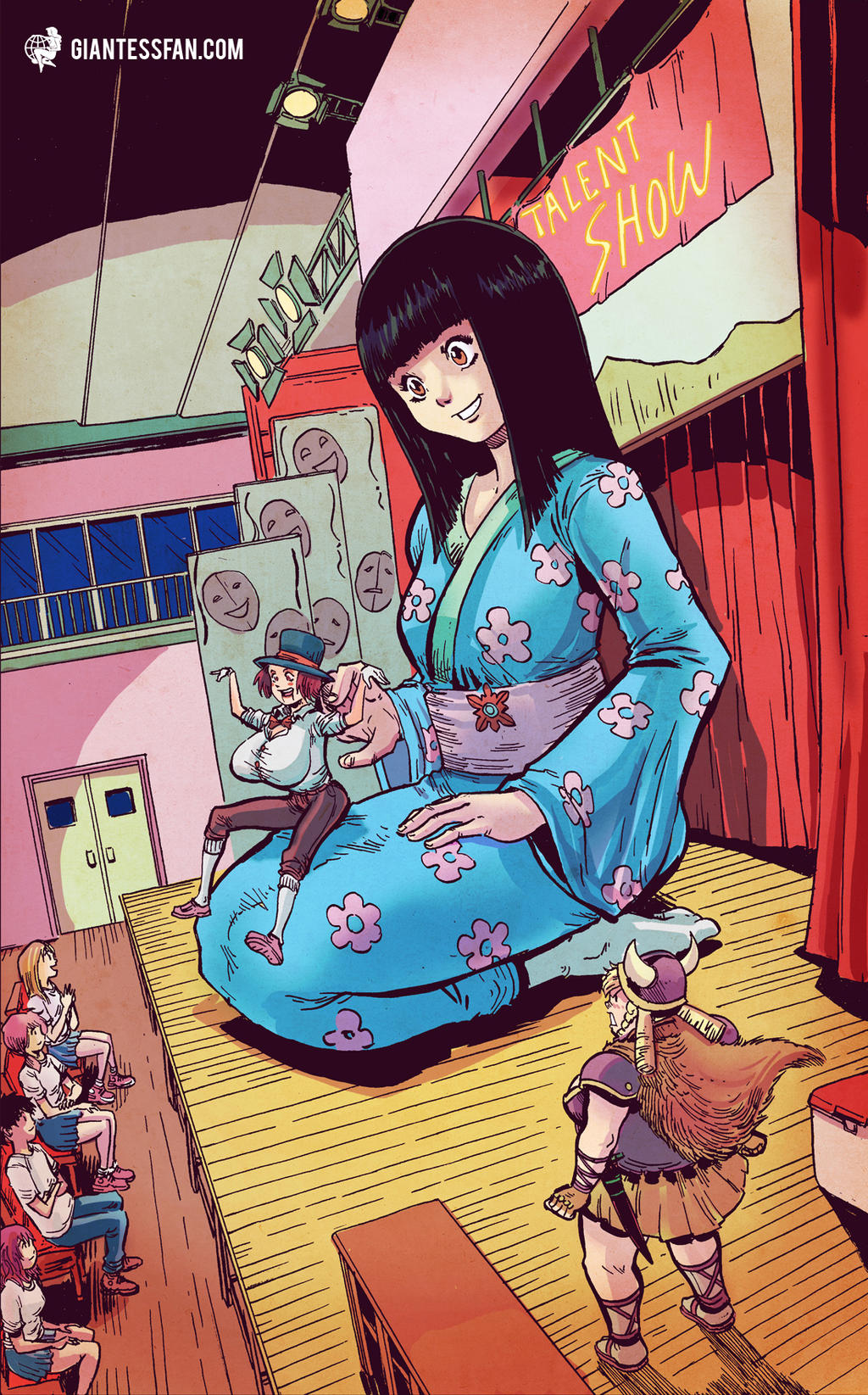
Giantess Fan Guide: Digital Art, Scaling Workflows, and Community Ecosystem
A giantess fan is an enthusiast, creator, or collector of media centered on macrophilia—a subculture and niche creative genre featuring oversized female characters interacting with miniature environments or people. This fan community e...
A giantess fan is an enthusiast, creator, or collector of media centered on macrophilia—a subculture and niche creative genre featuring oversized female characters interacting with miniature environments or people. This fan community engages through digital 3D modeling, forced-perspective photography, literature, and visual effects, utilizing advanced rendering tools like Blender and Unreal Engine to produce visual content.
Contents
Defining the Giantess Fan Community: Visual Tropes and Cultural Context
The giantess subculture encompasses a wide spectrum of creative expression, ranging from classic retro cinema homage to cutting-edge 3D animation and interactive fiction. At its core, the appeal revolves around scale contrast, architectural destruction, forced perspective, and spatial dynamic play.
Understanding the creative landscape requires categorizing the primary artistic mediums favored by creators and appreciated by fans:
- Digital 3D Rendering & Animation: Utilizing software to construct hyper-detailed cityscapes where character scale can be adjusted dynamically relative to real-world assets.
- Photomanipulation & Composite Art: Blending real-world landscape photography with isolated subject photography using advanced masking, light matching, and shadow projection.
- Speculative Fiction & Interactive Storytelling: Text-based narratives focusing on perspective shifts, acoustic reverberation of immense movement, and environmental scale mechanics.
- Game Development & Modding: Custom engine modifications, virtual reality (VR) environments, and character scale sliders inside existing physics engines.
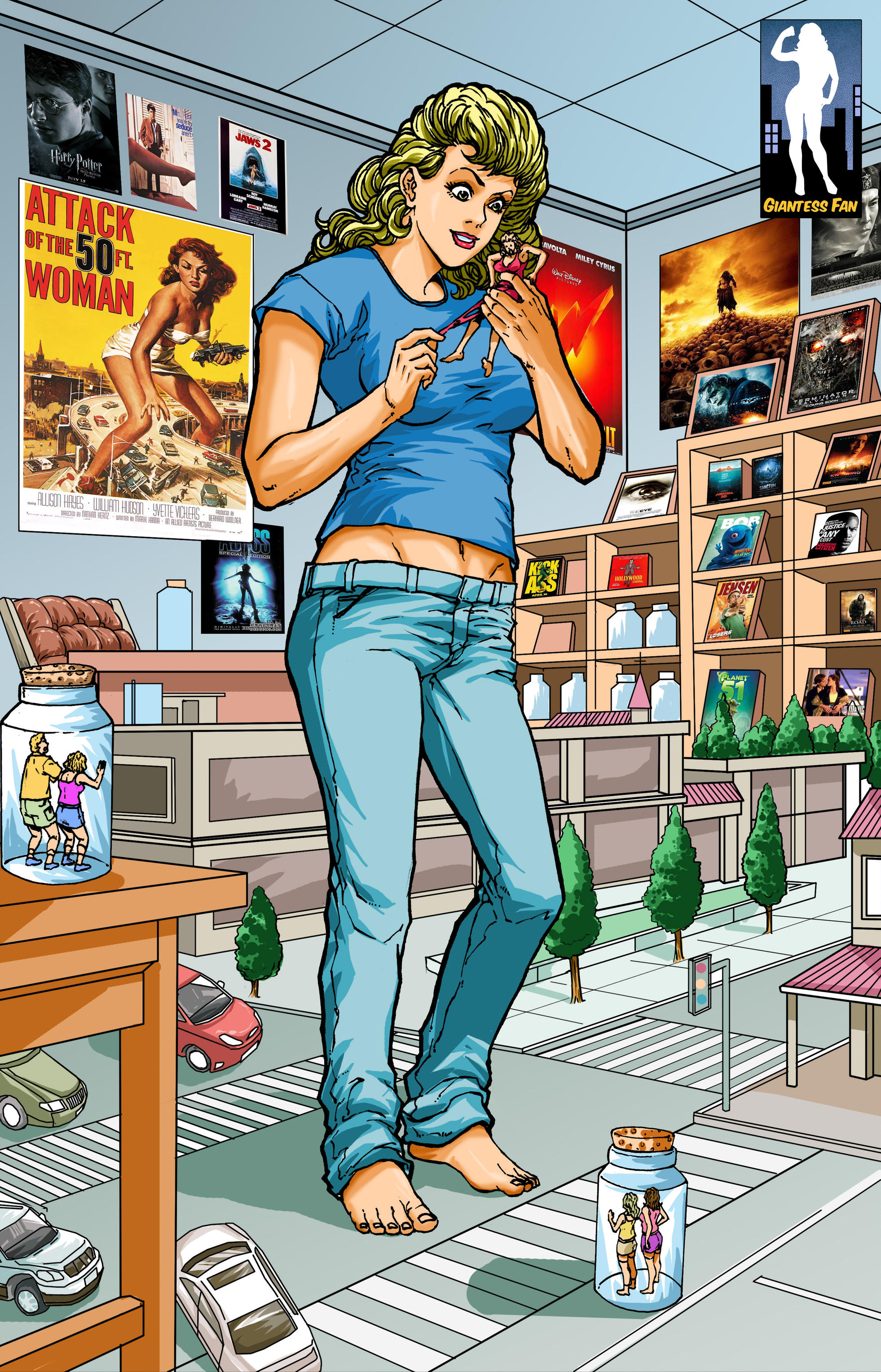
While historical media roots trace back to mid-20th-century cinema—such as The 50 Foot Woman—the modern giantess fan engages primarily through digital ecosystems, commission platforms, and dedicated community forums centered on visual art technology.
Technical Workflows in Giantess Art and Animation
Producing believable scale contrast requires precise digital asset manipulation, camera optics calibration, and physical simulation adjustments. Modern creators rely on specific techniques to ensure high visual fidelity and convincing physical dynamics.
1. Camera Optics and Forced Perspective
Achieving a sense of massive scale requires deliberate camera lens selection and positioning:
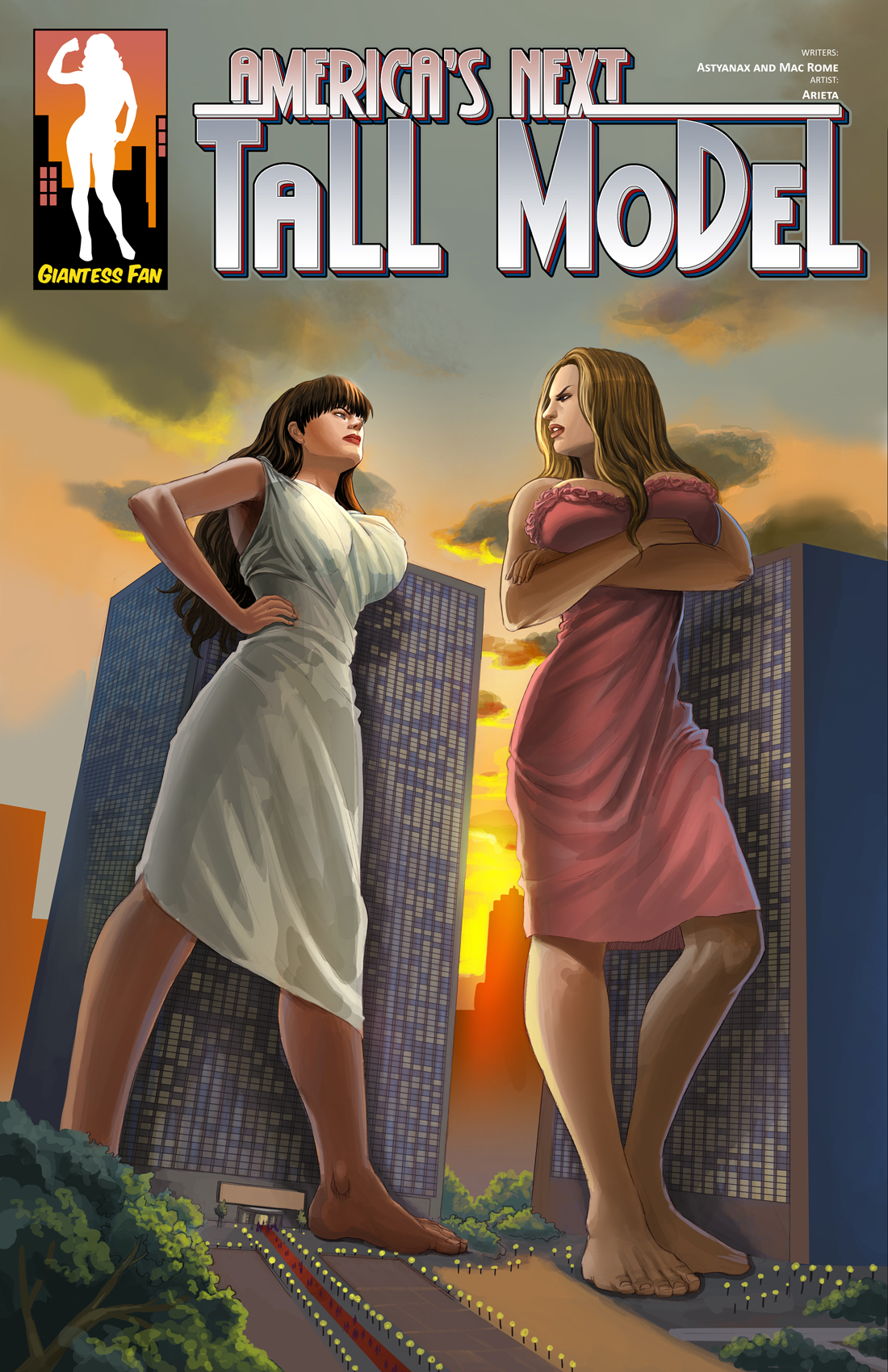
- Low-Angle Focal Length Placement: Positioning virtual cameras near ground level using wide-angle lenses (18mm to 24mm) accentuates vertical divergence, making the subject appear towering relative to the horizon.
- Atmospheric Haze and Volumetric Depth: Incorporating Rayleigh scattering and volumetric fog models simulates physical atmospheric distance, bluing and softening distant limbs to signal immense scale.
- Tilt-Shift Simulation: Utilizing shallow depth-of-field settings strategically to mimic real-world macro photography or macro-scale observation.
2. Physics Simulation and Mass Scaling
Standard physics engines often fall short when scaling character models. When a character's height is multiplied by ten, their mass increases by a factor of one thousand according to the square-cube law.
Key Rule of Scale PhysicsSimple linear scale multiplication disrupts physical realism. To convey true scale, fluid simulations, hair dynamics, and collision interactions must be tuned with artificial drag, gravity dampening, and custom impulse force vectors to simulate massive inertia.
Creators adjust the following variables in modern engines:
- Gravity Multipliers: Slowing down movement frames and adjusting sub-frame stepping prevents massive characters from moving with miniature agility.
- Particle & Debris Density: Generating micro-debris, dust plumes, and structural fracturing upon contact with terrain or buildings to emphasize kinetic energy transfer.
- Sound Design Frequency Shifting: Pitch-shifting impact sounds down to sub-bass frequencies (20 Hz - 60 Hz) to deliver visceral tactile feedback.
Technical Toolset Comparison for Giantess Media Creation
Choosing the right software stack depends on whether the creator focuses on static visual art, cinematic animation, or real-time interactive experiences. The table below outlines leading software platforms used within the community today.
| Software Platform | Primary Use Case | Scale Management Capability | Rendering Engine | Learning Curve | Real-Time Physics Support |
|---|---|---|---|---|---|
| Blender 4.x / 5.x | Open-source 3D render & animation | High (Custom unit scaling & camera rigs) | Cycles / EEVEE Next | Moderate to High | Integrated Mantaflow / Rigid Body |
| Unreal Engine 5 | Real-time cinematic & interactive VR | High (World Partition & Nanite geometric detail) | Lumen & Nanite | High | Chaos Physics Engine |
| DAZ Studio | Character modeling & posed rendering | Moderate (Built-in scale parameters) | NVIDIA Iray | Low to Moderate | Basic dForce Dynamics |
| Source Filmmaker (SFM) | Legacy 3D animation & scene building | Moderate (Bone manipulation scaling) | Source Engine native | Moderate | Legacy Source Physics |
| Adobe Photoshop | 2D Photomanipulation & compositing | High (Manual layer masking & brush work) | N/A (2D Raster) | Low to Moderate | None (Static Art) |
Community Hubs, Distribution, and Creator Monetization
The creator economy surrounding macrophilia art operates across specialized digital storefronts, subscription networks, and community repositories. Independent artists and animators monetize custom content through tailored commission models and tier-based memberships.
Key Content Distribution Channels
- Custom Commission Work: Artists build bespoke models or scenes based on specific fan prompts, governing parameters such as setting, character height ratio, and environmental destruction level.
- Tiered Subscription Platforms: Creators host exclusive high-resolution renders, animation passes, raw project files, and interactive builds for monthly subscribers.
- Specialized Art Archives: Dedicated community image boards and repositories act as central discussion hubs where creators share tutorials, technical plugins, and asset libraries.
Operational Safety and Ethical Standards
Navigating digital content platforms requires strict adherence to community guidelines, trademark safety, and copyright regulations:
- Original Asset Rights: Utilizing original character designs or properly licensed assets to avoid intellectual property infringement when monetizing content.
- Content Tagging & Content Warnings: Maintaining accurate metadata tagging across public galleries to ensure users can filter content according to personal preferences and platform terms of service.
- Platform Terms Compliance: Adhering strictly to digital host policies regarding content rating, age verification standards, and payment processor restrictions.
Frequently Asked Questions
What does "giantess fan" mean in online culture?
A giantess fan is an individual interested in media, art, literature, or 3D animations featuring giant women, a sub-genre of creative fantasy related to macrophilia.
What software do 3D giantess artists use most frequently?
Most 3D creators use Blender, DAZ Studio, and Unreal Engine 5 due to their powerful character manipulation, lighting capabilities, and physics simulation tools.
How do artists create realistic physical scale in giantess renders?
Artists achieve realistic scale using low camera angles, wide-angle lenses, volumetric haze (atmospheric depth), micro-debris particle effects, and adjusted physics speeds to reflect physical mass.
What is the difference between forced perspective and actual scale adjustment?
Forced perspective is an optical illusion created by camera placement to make an object appear larger or smaller than it is, whereas scale adjustment alters the actual digital dimension coordinates of a 3D asset in modeling software.
How do creators monetize giantess art safely?
Creators monetize through independent commission workflows, digital asset storefronts, and subscription support channels while adhering strictly to platform copyright policies and age-verification guidelines.
Navigating the Creative Ecosystem
Whether developing real-time VR simulations in Unreal Engine or crafting static digital paintings in 2D software, succeeding as a creator within the giantess fan community requires a firm grasp of visual optics, scale physics, and target audience engagement. By utilizing dedicated render software, respecting content hosting guidelines, and mastering dynamic perspective workflows, digital artists can build sustainable creative portfolios in this specialized niche.
Image Gallery