What Is the Mesothelioma Cancer Ribbon Color? Symbolism, Significance, and Awareness
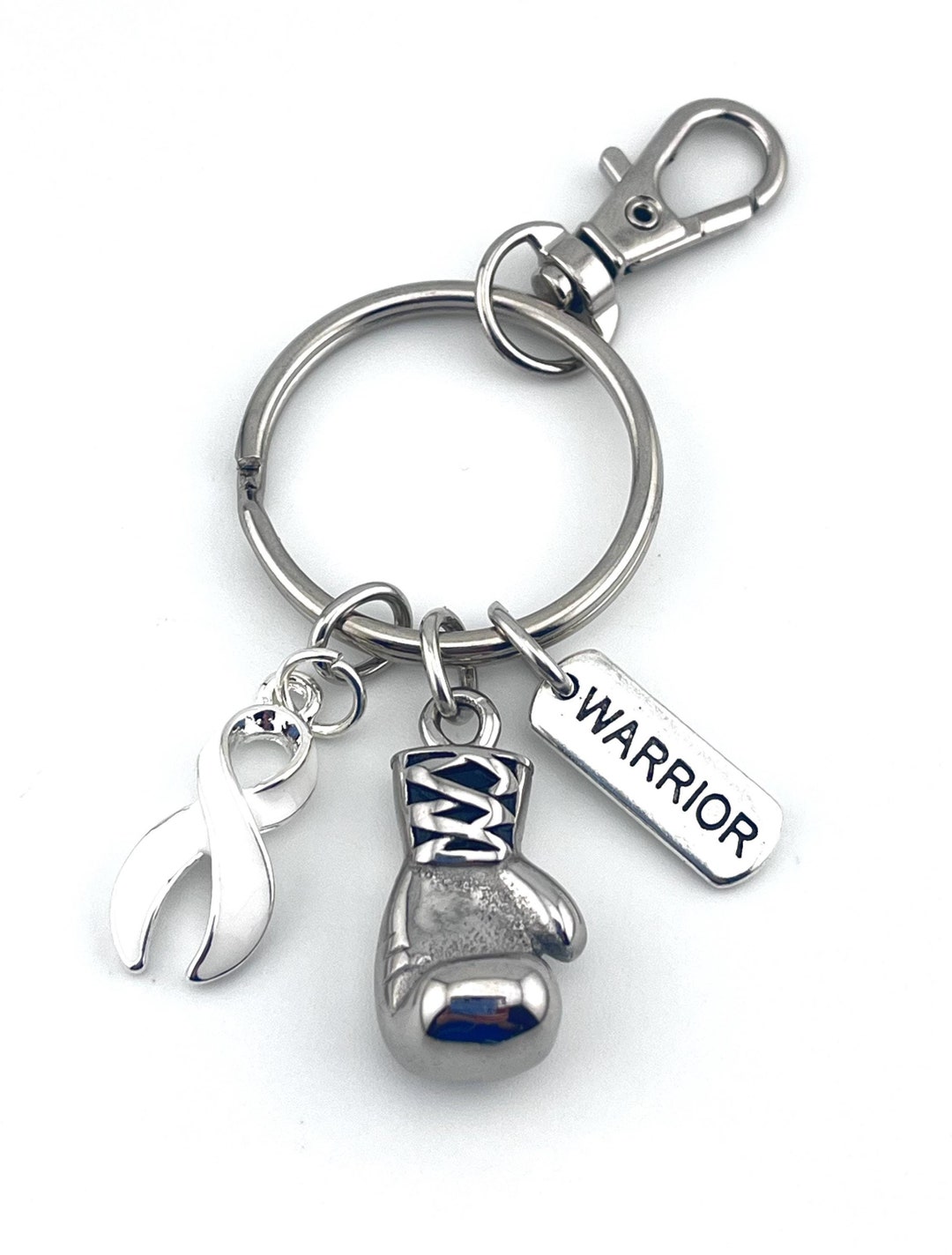
The official awareness ribbon color for mesothelioma cancer is pearl (often referred to as pearl white). This distinct, iridescent shade symbolizes those diagnosed with mesothelioma—a rare, aggressive cancer caused almost exclusively b...
The official awareness ribbon color for mesothelioma cancer is pearl (often referred to as pearl white). This distinct, iridescent shade symbolizes those diagnosed with mesothelioma—a rare, aggressive cancer caused almost exclusively by asbestos exposure—as well as their caregivers, healthcare professionals, and legal advocates fighting for global asbestos bans and improved treatments.
Contents
Understanding the Pearl Ribbon for Mesothelioma
Awareness ribbons serve as universal symbols of solidarity, education, and advocacy. For mesothelioma, the pearl ribbon represents hope, remembrance, and the collective drive to end asbestos-related diseases.
Unlike more widely recognized symbols such as the pink ribbon for breast cancer or the yellow ribbon for military support, the pearl ribbon specifically highlights a cancer that remains underfunded in research despite its devastating diagnosis.
Symbolism of the Pearl Color
- Resilience and Hope: The subtle shine of pearl represents the strength and courage of patients facing a complex prognosis.
- Purity and Remembrance: Pearl white honors the memory of individuals who lost their lives to preventable occupational and environmental asbestos exposure.
- Call to Action: It serves as a visual prompt to educate the public about ongoing asbestos hazards in vintage building materials, industrial sites, and consumer products.
Although pearl is the primary color designated for mesothelioma, it shares close historical links to broader lung cancer awareness initiatives. However, leading advocacy groups—including the Mesothelioma Applied Research Foundation and the Asbestos Disease Awareness Organization—specifically promote the pearl ribbon to ensure mesothelioma receives distinct national and international recognition.
Comparing Mesothelioma Ribbons to Related Causes
Because mesothelioma primarily affects the mesothelium (most commonly the pleura surrounding the lungs, but also the peritoneum in the abdomen, pericardium around the heart, and tunica vaginalis), its symbol overlaps with related health and environmental movements.
Understanding these differences ensures that advocacy campaigns and memorial efforts use the correct visual representations.
| Awareness Cause | Primary Ribbon Color | Key Observance Date | Primary Objective |
|---|---|---|---|
| Mesothelioma | Pearl / Pearl White | September 26 (National Mesothelioma Awareness Day) | Funding mesothelioma clinical trials, supporting patient care, advocating for asbestos bans |
| Lung Cancer (General) | Clear or White | November (Lung Cancer Awareness Month) | Reducing lung cancer stigma, supporting early screening (CT scans), funding research |
| Asbestos Awareness | Navy Blue & Pearl (or Blue/Silver) | April 1–7 (Global Asbestos Awareness Week) | Raising awareness of asbestos risks, pushing for legislative import bans, occupational safety |
| Occupational Cancer / Safety | Royal Blue or Yellow/Black Striped | April 28 (Workers' Memorial Day) | Honoring workplace injury victims, promoting workplace safety enforcement |
Pearl vs. Clear White vs. Silver
- Pearl White (Mesothelioma): Features a distinct pearlescent sheen. It is used to separate mesothelioma advocacy from general lung conditions, highlighting the unique cause (asbestos) and specialized treatment needs.
- Clear or Opaque White (General Lung Cancer): Represents broader lung health issues, including non-small cell lung cancer (NSCLC) and small cell lung cancer (SCLC) linked to smoking, radon, or genetic factors.
- Silver or Gray (Brain Cancer & Environmental Illness): Often associated with brain tumors or general disability awareness, though sometimes mistaken for industrial metal/asbestos symbols.
Key Awareness Observances and Events
Wearing or displaying the pearl ribbon is most prominent during key national and international awareness events throughout the year.
Key Awareness Timeline
- April 1–7: Global Asbestos Awareness Week
- Focus: Prevention, legal protections, and workplace safety
- September 26: National Mesothelioma Awareness Day
- Focus: Pearl ribbon campaigns, patient support, and medical research funding
1. National Mesothelioma Awareness Day (September 26)
Established in 2004 by the Mesothelioma Applied Research Foundation community and officially recognized by the U.S. Congress, September 26 is dedicated to turning landmark buildings, bridges, and online communities pearl. Advocates wear pearl ribbons, host local fundraisers, and share patient stories on social media using hashtags like #PaintTheTownPearl and #MesoAwareness.
2. Global Asbestos Awareness Week (April 1–7)
Organized annually by the Asbestos Disease Awareness Organization (ADAO), this week emphasizes international education regarding the dangers of asbestos. While the pearl ribbon is featured, dual-colored ribbons (such as blue and pearl) are also utilized to connect environmental health protection with clinical disease awareness.
The Medical and Legal Reality Behind the Symbol
The pearl ribbon represents more than solidarity; it calls attention to critical medical challenges and ongoing legal rights for affected individuals.
Medical Context: A Rare and Complex Malignancy
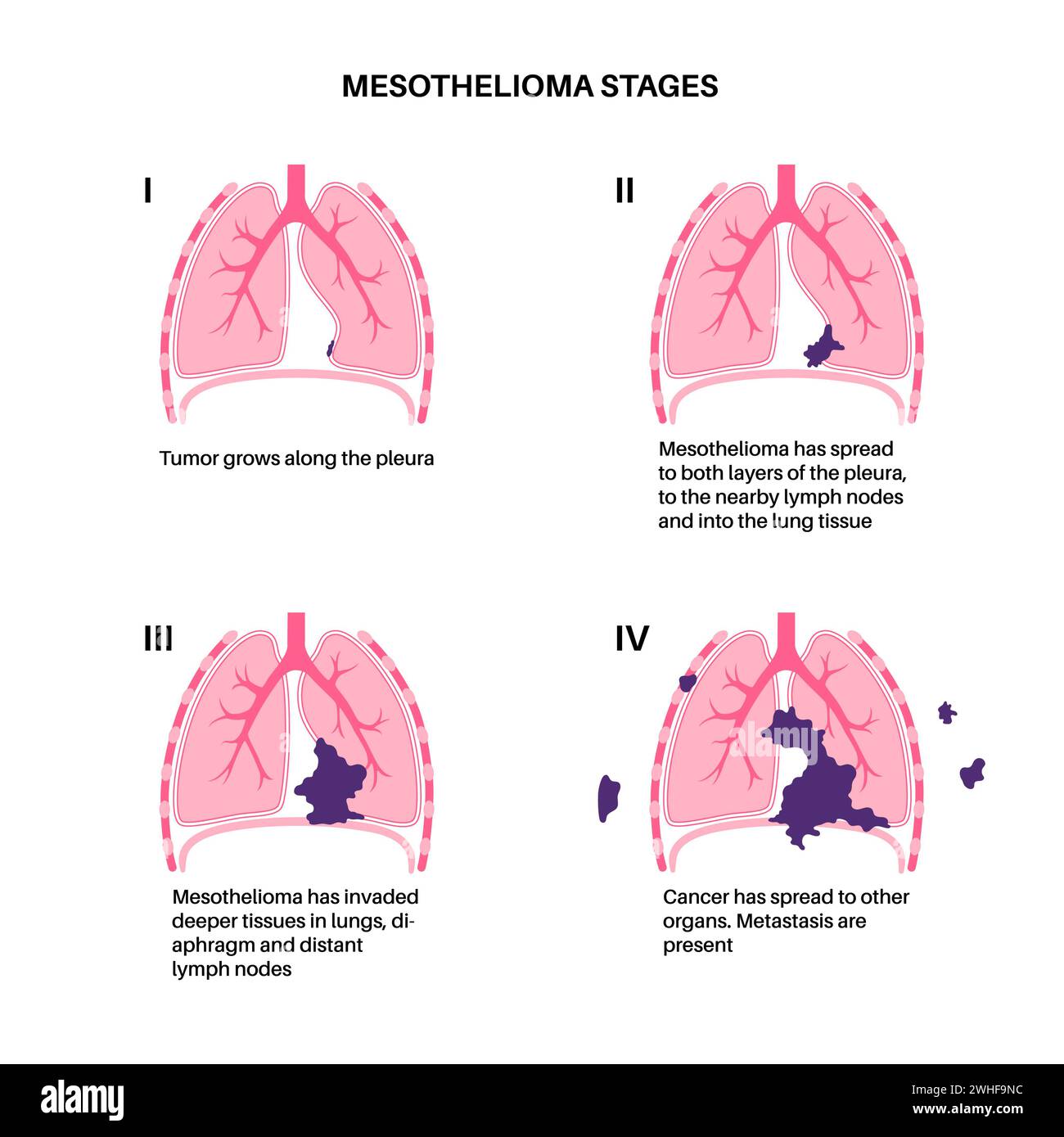
Mesothelioma develops in the thin layer of tissue covering internal organs. Because symptoms often mimic less severe respiratory or abdominal illnesses, diagnosis frequently occurs at an advanced stage.
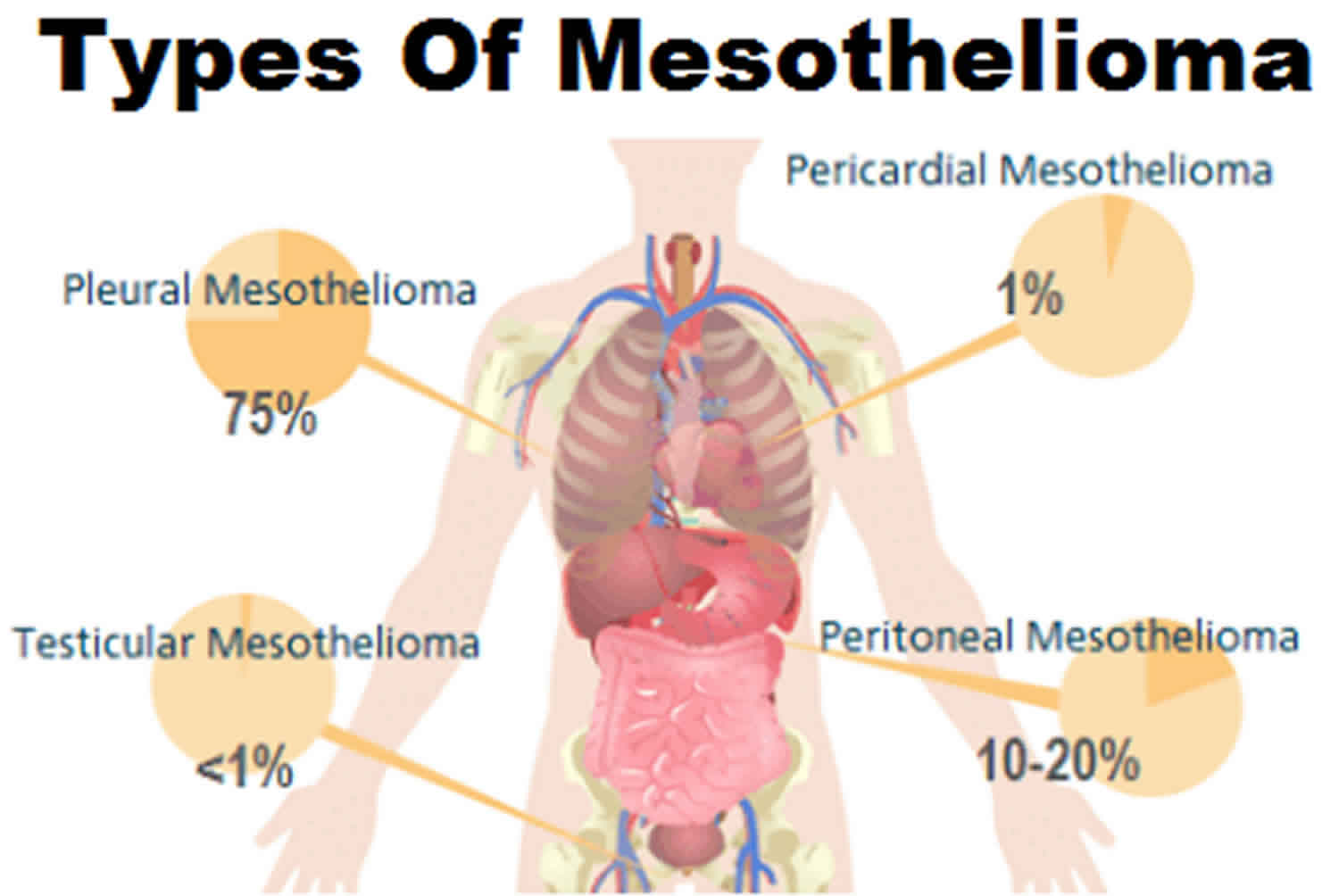
- Pleural Mesothelioma: Accounts for roughly 70% to 80% of cases, affecting the lining of the lungs.
- Peritoneal Mesothelioma: Accounts for 15% to 20% of cases, developing in the abdominal lining.
- Pericardial & Testicular Mesothelioma: Rare forms representing less than 2% to 5% of diagnoses.
The latency period between initial asbestos exposure and symptom onset ranges from 20 to 50 years. Because of this extended timeline, individuals exposed during industrial work, military service, or home renovations decades ago may only present symptoms later in life.
Legal and Environmental Context
Unlike many cancers caused by complex combinations of genetics and lifestyle, mesothelioma is overwhelmingly traceable to toxic environmental or workplace exposure to asbestos fibers.
When inhaled or ingested, microscopic asbestos fibers lodge permanently in tissue linings, causing chronic inflammation, cell damage, and eventually tumor growth.
Because manufacturers and employers historically knew the dangers of asbestos yet continued using it, legal protections exist to help victims cover medical costs:
- Asbestos Bankruptcy Trust Funds: Established by court mandates to compensate individuals exposed by insolvent companies.
- Personal Injury & Wrongful Death Lawsuits: Allow victims and surviving family members to seek financial recovery from responsible manufacturers and distributors.
- Veterans Affairs (VA) Benefits: Provide disability compensation and specialized medical care to military veterans, who represent a significant portion of mesothelioma cases due to historical asbestos use in Navy ships and military bases.
Disclaimer: Information regarding legal rights and medical conditions is provided for educational purposes only. Individuals seeking medical diagnosis or legal counsel should consult qualified healthcare providers or licensed attorneys specializing in asbestos litigation.
Practical Ways to Wear and Display the Pearl Ribbon
Showing support with the pearl ribbon helps break the isolation many patients feel and drives critical attention toward research funding.
- Wear Lapel Pins During September: Pin a pearl ribbon lapel pin to your attire during National Mesothelioma Awareness Day and throughout September.
- Utilize Digital Symbols: Update profile pictures, email signatures, and video conference backgrounds with pearl ribbon graphics during awareness periods.
- Organize Community Fundraisers: Host pearl-themed walks, virtual runs, or workplace wear-pearl days to raise funds for nonprofit organizations funding clinical trials.
- Distribute Educational Materials: Pair pearl ribbons with educational flyers detailing asbestos safety in homes built prior to 1980.
Frequently Asked Questions
Is the mesothelioma ribbon color pearl or blue?
The official ribbon color specifically for mesothelioma is pearl (or pearl white). However, blue—often paired with pearl or silver—is widely used for broader asbestos awareness campaigns and Workers' Memorial Day events.
Why is pearl white used for both lung cancer and mesothelioma?
Pearl white is closely related to the white ribbon used for general lung cancer awareness because pleural mesothelioma affects the chest cavity and pleural lining around the lungs. However, advocates emphasize the pearlescent finish to differentiate mesothelioma as a distinct asbestos-related malignancy requiring tailored clinical treatments.
When is National Mesothelioma Awareness Day?
National Mesothelioma Awareness Day takes place every year on September 26. On this day, supporters wear pearl ribbons, light up national monuments in blue and pearl, and participate in advocacy events worldwide.
Where can I obtain pearl awareness ribbons?
Official pearl awareness ribbons, lapel pins, and educational toolkits can be obtained directly from non-profit organizations such as the Mesothelioma Applied Research Foundation or through health advocacy supply outlets.
What steps should be taken following a mesothelioma diagnosis?
Following a diagnosis, patients should seek out a specialized mesothelioma multidisciplinary team (surgical oncologists, medical oncologists, and pulmonologists experienced in asbestos diseases). Additionally, consulting an experienced asbestos attorney can help explore options for asbestos trust fund claims and compensation to alleviate treatment expenses.
Recommended Next Steps
If you or a family member is navigating a mesothelioma diagnosis, wearing the pearl ribbon is just one step in joining a global community of support. Take these practical actions:
- Connect with a Specialist: Consult the National Cancer Institute or leading regional cancer centers to locate oncologists specializing in pleural or peritoneal mesothelioma.
- Explore Financial Relief: Contact an accredited legal advisory firm or asbestos trust claims manager to determine eligibility for financial compensation without delay, as statutes of limitations apply.
- Get Involved in Advocacy: Visit advocacy portals such as the Mesothelioma Applied Research Foundation to request pearl ribbon awareness kits and join local support groups.
Image Gallery