Find the Best Snapfish Alternatives for Your Photo Projects
Choosing the best Snapfish alternative depends on whether you prioritize professional-grade print quality, intuitive design software, or budget-friendly bulk pricing. While Snapfish offers convenience and frequent discounts, competitor...
Choosing the best Snapfish alternative depends on whether you prioritize professional-grade print quality, intuitive design software, or budget-friendly bulk pricing. While Snapfish offers convenience and frequent discounts, competitors like Mpix, Mixbook, and Printique often provide superior color accuracy, high-end paper stocks, and more modern design templates for specialized photo projects.
Contents
Why Seek an Alternative to Snapfish?
Snapfish has long been a staple in the photo printing industry, primarily known for its aggressive couponing and integration with retail pickup locations like Walgreens and CVS. However, as digital photography has evolved, many users find that their specific project needs outpace what Snapfish offers.
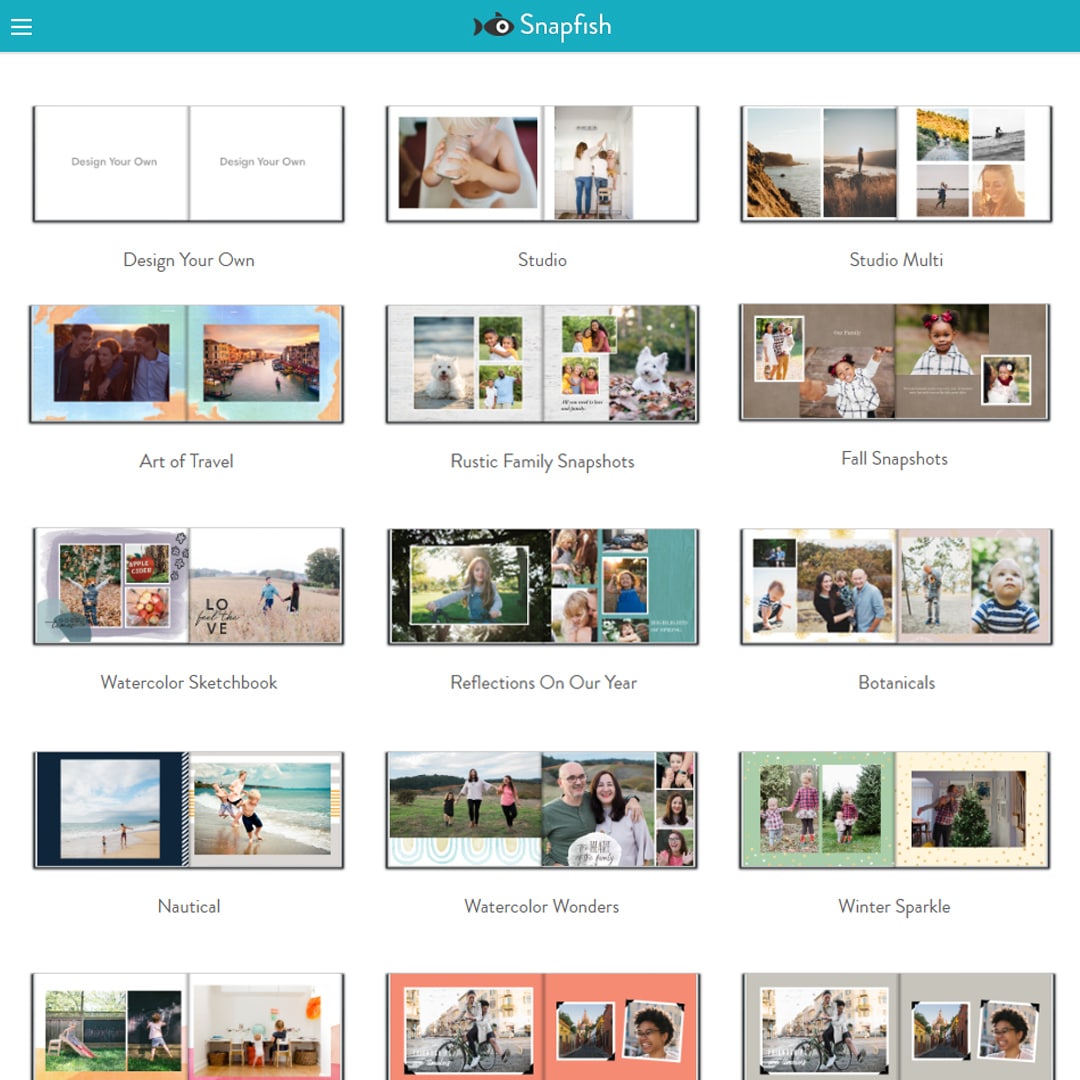
One primary driver for seeking alternatives is print consistency. Snapfish utilizes a high-volume, automated printing process that can occasionally lead to variations in color saturation or cropping. For a casual 4x6 print, this might be negligible, but for a wedding album or a professional portfolio, precision is paramount. Furthermore, the design interface on Snapfish, while functional, can feel restrictive for users who want "total creative control"—the ability to move elements pixel-by-pixel or access a wider array of modern, minimalist typography.
Lastly, the total cost of ownership is a factor. Snapfish frequently advertises "100 free prints," but the shipping costs associated with these offers can sometimes exceed the flat-rate pricing of competitors who offer higher-quality paper. By 2026, savvy consumers are looking beyond the initial discount to find services that provide better long-term value through durability and aesthetic appeal.
Mpix: The Top Choice for Professional Quality
If your primary concern is the physical quality of the photograph, Mpix is widely considered the industry leader for consumer-level professional printing. Based in the United States, Mpix serves as the hobbyist arm of Miller’s Professional Imaging, a lab used by professional wedding and portrait photographers.
Superior Paper Stocks
Mpix distinguishes itself through its use of high-quality papers, specifically their E-Surface paper. This paper is standard for many of their prints and offers a subtle texture that resists fingerprints while providing vibrant, true-to-life colors. For those seeking a more high-end feel, their "Fine Art" papers and "Deep Matte" finishes provide a level of sophistication that mass-market printers struggle to replicate.
Human Color Correction
One of the standout features of Mpix is the option for human color correction. Unlike many automated services that use basic algorithms to "auto-enhance" photos—often resulting in unnatural skin tones—Mpix technicians can manually review and adjust images to ensure the final print matches the intended mood and lighting of the original shot.
Mixbook: Best for Design and Customization
For users who find the Snapfish design tool clunky or outdated, Mixbook offers the most robust and user-friendly creative platform available in 2026. Mixbook excels in the "photo book" category, where layout and storytelling are just as important as the photos themselves.
The Editor Experience
Mixbook’s editor is entirely browser-based but functions with the speed and flexibility of desktop publishing software. It allows for complete layout flexibility, meaning you aren't stuck inside a pre-defined box. You can rotate elements, overlap photos, and add stickers or backgrounds without the software forcing a specific grid. This makes it the preferred choice for scrapbooking enthusiasts who want a digital workflow that mimics the freedom of physical crafting.
Collaborative Projects
A unique advantage of Mixbook is its collaboration tool. If you are working on a family reunion book or a group travel album, you can invite multiple contributors to upload photos and edit specific pages simultaneously. This eliminates the "bottleneck" effect where one person is responsible for organizing hundreds of photos from different sources.
Printique: The Specialist for High-End Photo Books
Formerly known as AdoramaPix, Printique has built a reputation for excellence in archival-quality photo books. If you are looking for an alternative to Snapfish for a milestone event—such as a 50th anniversary or a child’s first year—Printique is a formidable contender.
Silver Halide Printing
Unlike many services that use digital offset printing (which uses tiny dots of ink), Printique specializes in Silver Halide printing. This is a chemical process where the image is actually infused into the paper. The result is a print with no visible "dot" pattern, smoother gradients, and a life expectancy of over 100 years.
Layflat Technology
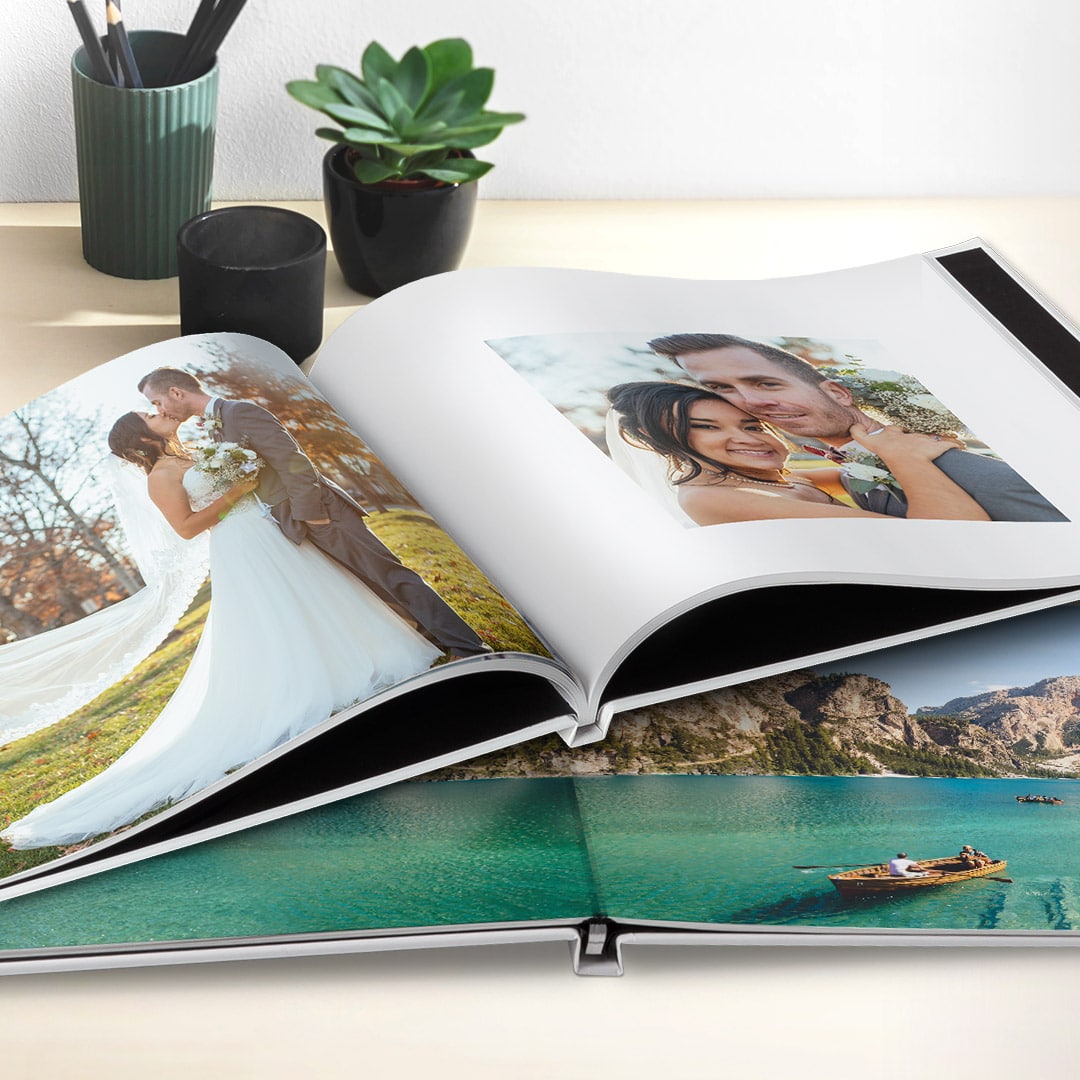
Printique is a pioneer in "layflat" books. In a standard Snapfish book, the pages curve into the center binding (the gutter), which can cut off parts of a panoramic photo. Printique’s layflat design uses a single continuous sheet of paper for each spread, allowing the book to stay perfectly flat when open. This is essential for breathtaking landscape shots or wide-angle group photos that span two pages.
Artifact Uprising: The Aesthetic and Eco-Friendly Choice
Artifact Uprising targets a specific niche: the minimalist, "Instagram-ready" aesthetic. Their products are characterized by muted tones, high-quality fabric covers, and an emphasis on tactile beauty.
- Premium Materials: Instead of glossy plastic-feeling covers, Artifact Uprising uses reclaimed wood for their photo blocks and high-end linens for their albums.
- Recycled Paper: They are one of the few major printers that offer significant options for 100% recycled interior pages without sacrificing the clarity of the image.
- Design Philosophy: Their templates are intentionally sparse. They prioritize white space and clean typography, making them the best choice for users who want their photos to look like an art gallery exhibit rather than a traditional family album.
Comparison of Top Snapfish Alternatives
The following table compares the key metrics for the most popular alternatives as of 2026.
| Service | Best For | Printing Process | Design Flexibility | Pricing Tier |
|---|---|---|---|---|
| Mpix | Professional Quality | Silver Halide / Inkjet | Moderate | Mid-Range |
| Mixbook | Creative Design | Digital Offset | High | Mid-Range |
| Printique | Archival Albums | Silver Halide | High | Premium |
| Artifact Uprising | Minimalist Aesthetic | Digital Offset (Matte) | Low (Template-driven) | Premium |
| Nations Photo Lab | Color Accuracy | Silver Halide | Moderate | Competitive |
| Amazon Photos | Budget / Convenience | Digital Offset | Low | Budget |
Nations Photo Lab: The Balance of Cost and Quality
For those who feel Snapfish is too "low-end" but find Artifact Uprising too expensive, Nations Photo Lab (NPL) represents the perfect middle ground. They offer a professional-grade product at prices that are often lower than Shutterfly or Snapfish when sales are factored in.
Nations Photo Lab is particularly noted for its shipping protection. Photo prints are fragile and prone to bending during transit. NPL uses reinforced, rigid packaging that is significantly more robust than the standard envelopes used by many budget services. Additionally, their "ROES" (Remote Order Entry System) software—while having a steeper learning curve—allows pro-sumers to manage large batches of prints with specific metadata and color profiles.
Technical Considerations: Choosing the Right Finish
When moving away from Snapfish, you will likely encounter technical terms that describe the paper finish. Understanding these is crucial for the success of your project:
- Lustre: The "goldilocks" of finishes. It has the color saturation of glossy paper but the fingerprint resistance of matte. Most professional portraits are printed on Lustre.
- Glossy: Highly reflective. It makes colors "pop" and is great for high-contrast images, but it shows every fingerprint and can be difficult to view under direct light.
- Matte: Non-reflective and smooth. This is excellent for black-and-white photography or images with a lot of detail in the shadows, as it doesn't suffer from glare.
- Metallic: A specialty finish offered by Mpix and Printique. It gives the photo a 3D, pearlescent quality. It is stunning for cityscapes or photos with water and glass, but it can look strange for traditional portraits.
Common Mistakes When Switching Services
When users move from a familiar platform like Snapfish to a new one, they often encounter a few common pitfalls. First is ignoring the bleed line. Higher-end services like Printique have very specific "safe zones" in their design software. If you place a face too close to the edge, the trimming process might cut it off. Always use the "Preview" mode to check for these margins.
Second is over-editing. Snapfish’s automated "enhancement" often boosts brightness significantly. If you switch to a professional lab like Mpix and you have already manually brightened your photos, the final print may come out looking "blown out" or overexposed. It is often better to upload the raw, unedited file (or one with minimal adjustments) and let the professional lab's color science do the heavy lifting.
Frequently Asked Questions
Which Snapfish alternative has the fastest shipping?
In 2026, Mpix and Amazon Photos generally lead in shipping speeds. Mpix is centrally located in the United States, allowing for 1-3 day ground shipping to most of the country. Amazon Photos leverages its existing Prime infrastructure for rapid delivery, though the print quality is notably lower than Mpix.
Can I import my Snapfish photos to another service?
Direct transfers between services are rarely supported due to proprietary storage formats. You will generally need to download your high-resolution images from your computer or cloud storage (like Google Photos or iCloud) and re-upload them to the new service.
Is the print quality of Shutterfly better than Snapfish?
Shutterfly and Snapfish are often viewed as direct competitors in the same market tier. While Shutterfly offers a slightly more modern interface and a wider range of "free" promotional items, their core print quality is very similar to Snapfish. For a noticeable jump in quality, you should look toward Mpix or Printique.
Which service is best for printing directly from a smartphone?
Mixbook and Mpix both offer highly-rated mobile apps that allow you to sync directly with your phone's camera roll. Mixbook is particularly effective for creating complex photo books entirely on a mobile device without feeling cramped by the interface.
Do these alternatives offer the same "free prints" deals?
Most high-end alternatives like Artifact Uprising and Printique do not offer "100 free prints" because their business model focuses on quality over volume. However, they frequently offer 15-25% off for first-time customers or seasonal sales during holidays.
Final Recommendation: Which One Should You Choose?
The "best" alternative is defined by your project's end goal. If you are printing standard 4x6 snapshots from a family vacation and want to keep costs low, Nations Photo Lab provides a significant quality upgrade over Snapfish for a similar price.
For wedding albums, portfolios, or heirloom gifts, choose Printique or Mpix. Their archival-grade papers and silver halide processes ensure the photos will not fade over decades. Finally, if you want a modern, designer-look book that you can customize down to the smallest detail, Mixbook is the clear winner for its superior editing software.
Image Gallery