Parsons Brinckerhoff Foundation Repair and Structural Remediation Services: Engineering Excellence
Parsons Brinckerhoff, now operating under the global WSP brand, provides specialized foundation repair and structural remediation services for complex civil infrastructure. These services focus on restoring structural integrity, mitiga...
Parsons Brinckerhoff, now operating under the global WSP brand, provides specialized foundation repair and structural remediation services for complex civil infrastructure. These services focus on restoring structural integrity, mitigating geotechnical instability, and extending the operational lifespan of bridges, tunnels, high-rise buildings, and transit systems through advanced engineering and non-destructive interventions.
Contents
The Evolution of Parsons Brinckerhoff into Modern Structural Remediation
For over a century, the name Parsons Brinckerhoff (PB) was synonymous with some of the world's most significant engineering feats, including the New York City Subway and the original English Channel Tunnel designs. Following its acquisition by WSP Global in 2014 and the subsequent rebranding, the legacy of PB’s technical expertise continues in 2026 through WSP’s Structural Remediation and Forensic Engineering departments.
When professionals search for "Parsons Brinckerhoff foundation repair," they are typically looking for heavy-civil engineering solutions rather than residential services. These projects involve the stabilization of large-scale assets where traditional repair methods are insufficient. Structural remediation in this context is the process of identifying, analyzing, and correcting deficiencies in a structure’s load-bearing components, often necessitated by environmental degradation, seismic events, or increased load requirements.
In 2026, the methodology has shifted toward Predictive Maintenance and Digital Twin integration. Engineers no longer just react to a visible crack; they utilize sensor data and historical PB design archives to simulate how a foundation will behave over the next fifty years, allowing for proactive structural strengthening before failure occurs.
Comprehensive Structural Assessment and Forensic Analysis
The first step in any remediation project is a rigorous forensic assessment. This stage is critical because foundation issues are often symptoms of larger subterranean or environmental problems.
Non-Destructive Testing (NDT)
Modern remediation relies heavily on NDT to assess the internal state of concrete and steel without compromising the structure's current capacity.
- Ground Penetrating Radar (GPR): Used to locate voids beneath slabs or within bridge abutments.
- Ultrasonic Pulse Velocity (UPV): Measures the speed of ultrasonic waves through concrete to detect internal flaws, honeycombing, or depth of cracks.
- Impact Echo Testing: Utilizes sound waves to identify delamination in large concrete structures, particularly in tunnel linings and bridge decks.
Finite Element Analysis (FEA)
Before a physical repair is implemented, engineers develop complex 3D models using FEA. This allows them to simulate various load scenarios—such as seismic activity or extreme weather—to ensure that the proposed remediation will not inadvertently shift stress to another vulnerable part of the structure. In 2026, these models are increasingly powered by cloud computing, allowing for real-time adjustments as field data is gathered during the initial excavation phases.
Advanced Geotechnical and Foundation Repair Technologies
When the foundation of a major structure settles or fails, the remediation must account for the anisotropic nature of the soil (varying properties in different directions) and the weight of the existing structure.
Micropiling and Minipiling
For structures with limited access or those sensitive to vibration, micropiles are the gold standard. These are small-diameter (typically less than 300mm) drilled and grouted piles that are reinforced with steel. They are particularly effective in the dense urban environments where Parsons Brinckerhoff originally built much of the infrastructure. Micropiles transfer the load of the building or bridge through the unstable soil layers into more competent strata or bedrock.
Jet Grouting and Soil Stabilization
In scenarios where the soil itself has lost its bearing capacity—often due to changes in the water table or chemical leaching—jet grouting is employed. This process involves injecting a cement-based grout at ultra-high pressures (up to 6,000 psi) into the ground. The grout mixes with the soil to create a "soil-crete" column. This method is highly effective for underpinning existing foundations without the need for extensive excavation.
Chemical and Polyurethane Injection
For minor settlement or void filling, high-density polyurethane injection is used. This material expands upon contact with the soil, providing both lifting force and soil compaction. While less permanent than piling, it is an essential tool for stabilizing slabs-on-grade in transit hubs and warehouse facilities.
Structural Remediation for Concrete and Steel
Foundation repair is often coupled with the remediation of the superstructure to address damage caused by differential settlement or material aging.
Carbon Fiber Reinforced Polymer (CFRP) Strengthening
One of the most significant advancements in structural remediation is the use of CFRP. These lightweight, high-strength wraps are bonded to the exterior of concrete columns, beams, or slabs. They provide significant increases in shear and flexural strength with minimal impact on the structure's dimensions or weight. This is particularly useful for seismic retrofitting of older Parsons Brinckerhoff-designed bridges.
Cathodic Protection and Corrosion Mitigation
In coastal environments, the primary enemy of structural integrity is the corrosion of reinforcing steel within concrete. Structural remediation services include the installation of impressed current cathodic protection (ICCP) systems. These systems use a small electrical current to neutralize the electrochemical process of rusting, effectively stopping corrosion in its tracks and preventing the "concrete cancer" that leads to spalling and structural failure.
Comparison of Foundation Remediation Methods
The choice of remediation method depends on the soil type, the magnitude of the settlement, and the accessibility of the site.
| Method | Best Use Case | Primary Advantage | Limitations |
|---|---|---|---|
| Micropiles | Heavy structures, limited access | High load capacity; low vibration | Higher cost; requires drilling |
| Jet Grouting | Loose or sandy soils; underpinning | Stabilizes soil in-situ; versatile | Difficult to control in high-flow groundwater |
| Compaction Grouting | Sinkhole mitigation; void filling | Rapid implementation; cost-effective | Does not reach deep bedrock |
| CFRP Wrapping | Seismic retrofits; beam strengthening | Adds strength without bulk | Requires specific surface preparation |
| Slab-Jacking | Leveling transit platforms/slabs | Immediate use after repair | Not suitable for structural foundations |
Procurement and Service Requirements in 2026
Engaging a firm for major structural remediation requires a detailed procurement process. Because these services are high-risk and technically demanding, the following prerequisites are standard:
- Phase I: Preliminary Engineering Report (PER): A feasibility study that outlines the cause of the failure and suggests potential remediation strategies.
- Geotechnical Investigation: New soil borings are typically required, as historical data (even from the original PB design) may be outdated due to environmental changes over the decades.
- Regulatory Compliance: In 2026, remediation projects must adhere to updated sustainability standards, often requiring the use of low-carbon cements and recycled materials.
- Insurance and Indemnity: Given the nature of structural repair, firms must provide significant professional liability insurance, often specifically tailored to forensic engineering.
Managing Environmental and Seismic Risks
A core component of the Parsons Brinckerhoff legacy is the focus on resilience. In the current era, remediation is not just about fixing what is broken; it is about preparing the structure for future climate realities.
- Seismic Dampening: For structures in active zones, remediation often includes the installation of base isolators or dampers that allow the structure to move independently of the foundation during an earthquake.
- Hydrostatic Pressure Mitigation: Rising sea levels and increased flash flooding have led to higher hydrostatic pressure on subterranean foundations. Remediation services now frequently include the installation of advanced drainage systems and crystalline waterproofing membranes that "self-heal" when they come into contact with water.
Frequently Asked Questions
What is the difference between foundation repair and structural remediation?
Foundation repair specifically addresses the stabilization and leveling of the base upon which a structure sits. Structural remediation is a broader term that encompasses the repair of the entire load-bearing system, including columns, beams, and slabs that may have been damaged due to foundation issues or material degradation.
How do I know if a bridge or building requires professional remediation?
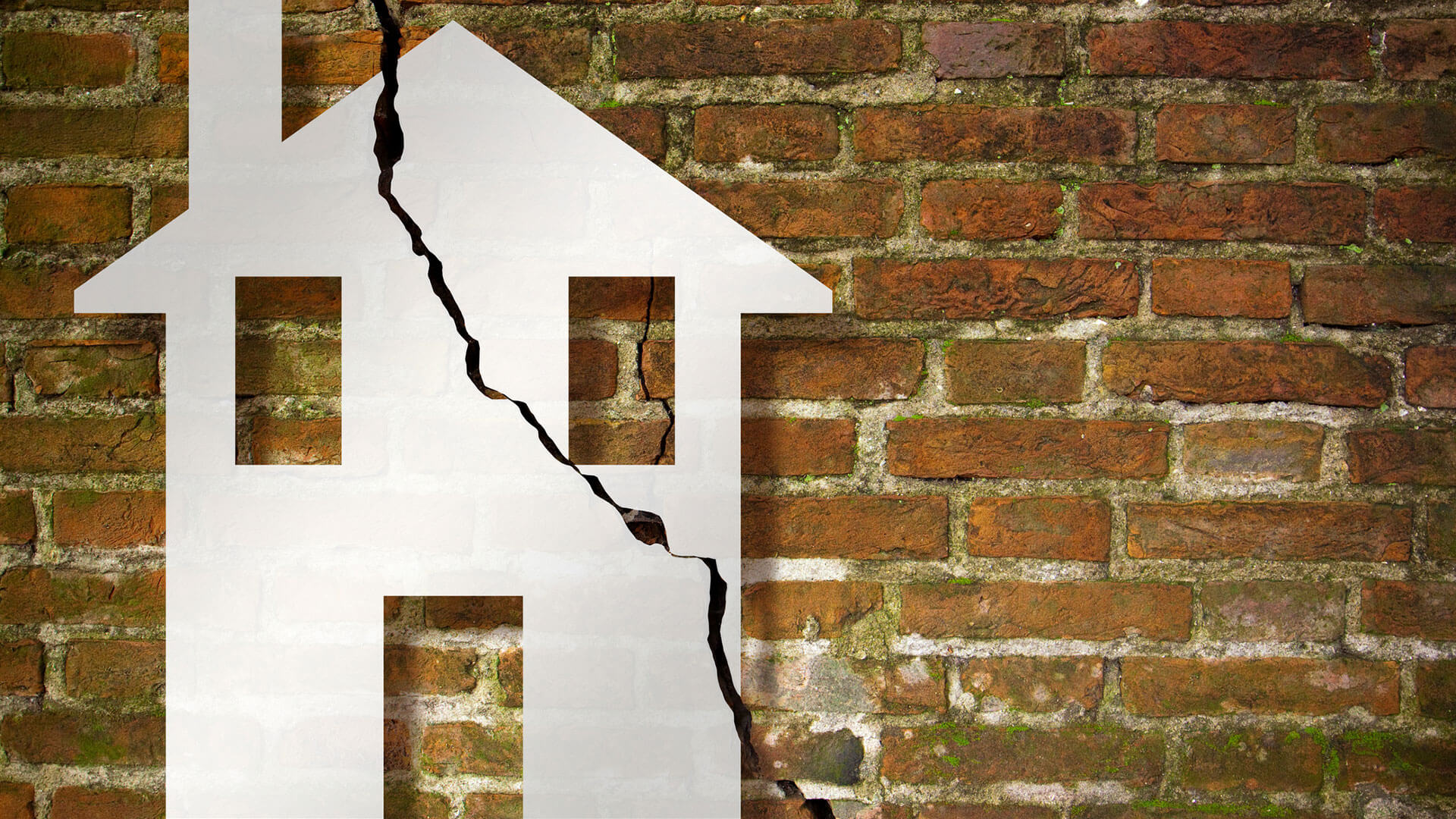
Signs include visible cracks in primary load-bearing members, differential settlement (one side of the structure sinking faster than the other), exposed or rusting rebar (spalling), and significant water infiltration in basement or sub-grade levels. Professional assessment via NDT is required to confirm the extent of the damage.
Does WSP still use the Parsons Brinckerhoff name for these services?
As of 2026, the Parsons Brinckerhoff brand has been fully integrated into WSP. However, many technical specifications and historical records for existing infrastructure still refer to PB standards. When requesting these services, you are engaging WSP’s global team of structural and geotechnical engineers who carry forward the PB technical lineage.
Is CFRP as strong as traditional steel reinforcement?
CFRP has a much higher strength-to-weight ratio than steel. While it cannot completely replace steel in all applications (such as compression members), it is exceptionally effective for tension and shear strengthening in existing structures where adding more steel would be logistically impossible or too heavy.
What is the typical lifespan of a remediated foundation?
With modern techniques like micropiling and ICCP, a remediated foundation can be expected to last an additional 30 to 50 years, depending on the environment and maintenance schedule. The use of digital twin monitoring in 2026 allows for continuous tracking of the repair's performance.
Practical Recommendations for Asset Managers
For those managing aging infrastructure originally designed or maintained by Parsons Brinckerhoff, the priority should be on continuous monitoring. Rather than waiting for structural distress to become visible, implementing a Structural Health Monitoring (SHM) system using fiber-optic sensors or accelerometers can provide early warning signs of settlement or fatigue.
When a problem is identified, ensure that the forensic engineering team has access to original design documents. These archives are often the key to understanding the specific load-paths intended by the original engineers, which is vital for designing a remediation strategy that works with the structure rather than against it. Finally, always prioritize solutions that address the root cause—such as groundwater movement or soil erosion—rather than simply "patching" the visible structural symptoms.
Image Gallery