Understanding the Enchirito: History, Ingredients, and Legacy
The Enchirito is a trademarked menu item from the fast-food chain Taco Bell that combines the structural elements of a burrito with the preparation style of an enchilada. It typically consists of a soft flour tortilla filled with seaso...
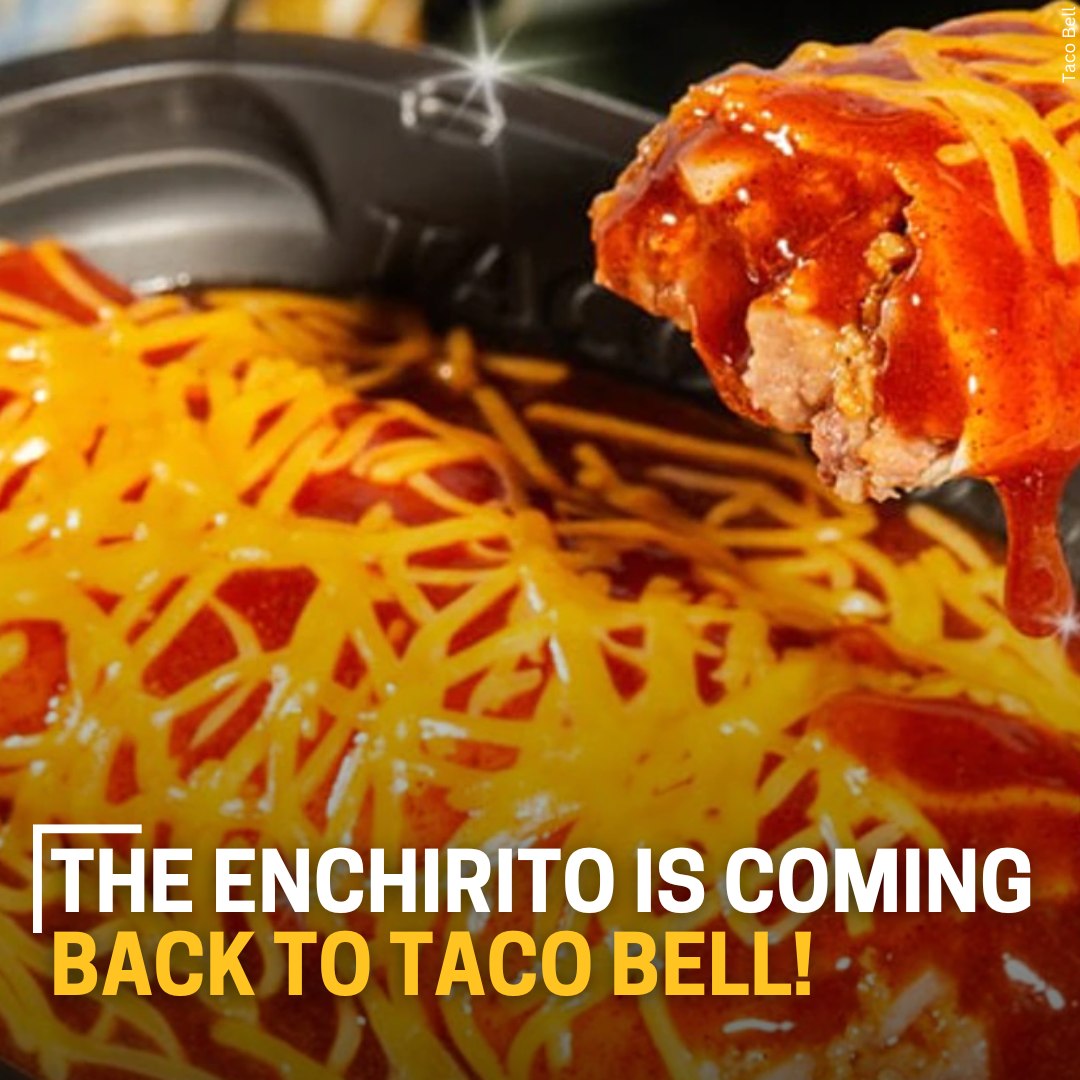
The Enchirito is a trademarked menu item from the fast-food chain Taco Bell that combines the structural elements of a burrito with the preparation style of an enchilada. It typically consists of a soft flour tortilla filled with seasoned beef, refried beans, and onions, topped with a mild red sauce and melted cheddar cheese.
Contents
For decades, the Enchirito has occupied a unique space in the American fast-food landscape. It is neither a traditional Mexican dish nor a standard burrito; rather, it is a quintessential example of "Tex-Mex" innovation designed for mass-market appeal. As of 2026, it remains one of the most discussed "vaulted" items in fast-food history, known for its frequent disappearances and high-profile, fan-driven returns.
The Anatomy of an Enchirito: Ingredients and Construction
To understand what the Enchirito is, one must look closely at its specific components. Unlike a standard burrito, which is designed to be held in the hand, the Enchirito is a "wet" dish, requiring a container and utensils.
The Foundation: Tortilla and Fillings
The base of the Enchirito is a standard 10-inch flour tortilla. Historically, the filling has been a consistent blend of Taco Bell’s signature seasoned beef and their proprietary refried beans. The inclusion of beans is a critical distinction from many other premium burritos; the beans provide a structural creaminess that complements the savory beef. Diced white onions are added to provide a sharp, crisp contrast to the soft textures of the protein and starch.
The Signature Toppings
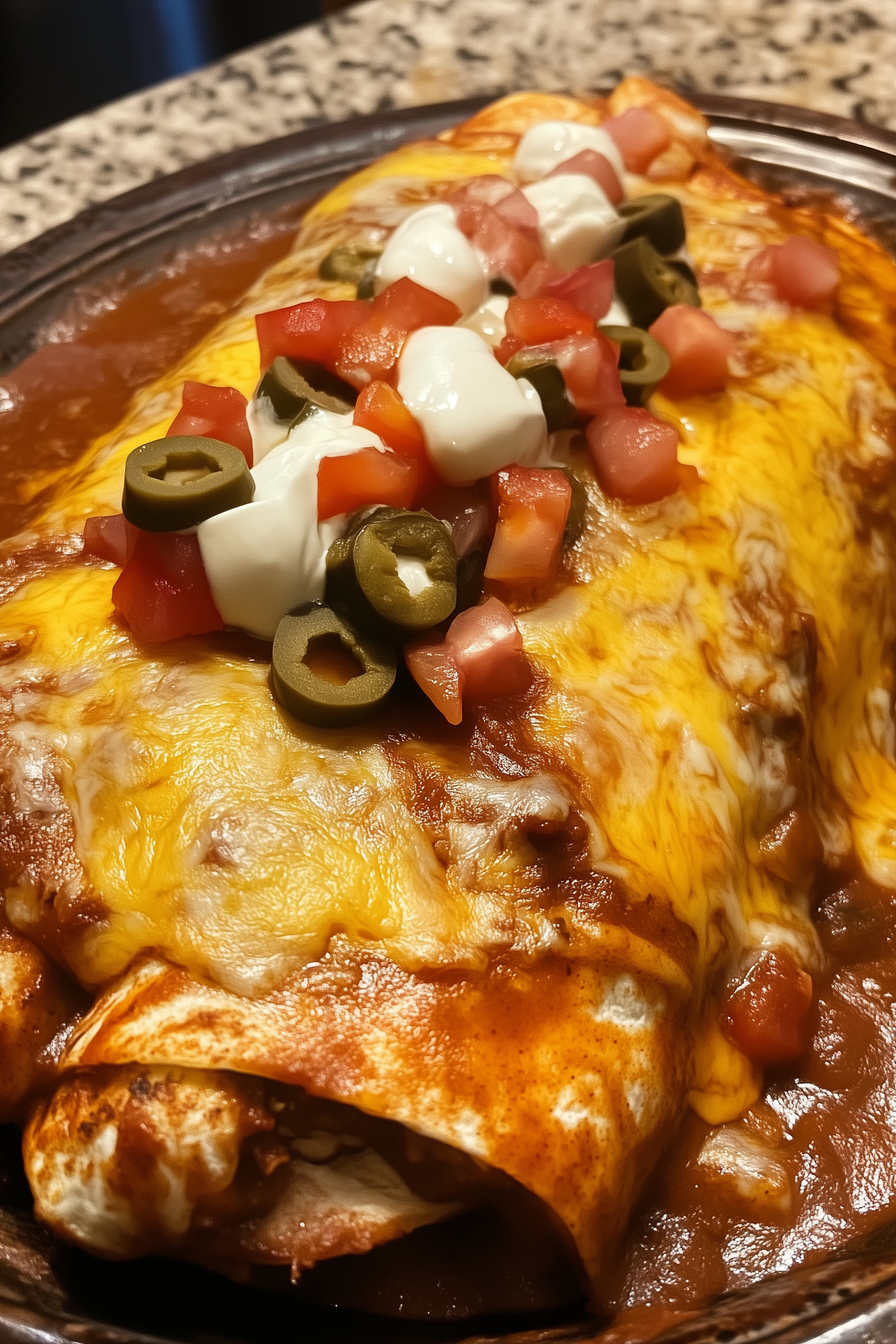
What truly defines the Enchirito is its exterior. The assembled tortilla is placed in a shallow tray and smothered in Taco Bell's "Red Sauce." This sauce is a mild, tomato-based chili sauce infused with various spices, designed to mimic the flavor profile of a traditional enchilada sauce without significant heat.
Once the sauce is applied, a generous portion of shredded cheddar cheese is sprinkled over the top. The entire dish is then steamed or passed through a high-heat melter to ensure the cheese is fully liquidated, bonding the sauce to the tortilla.
The Missing Piece: The Black Olive
For many long-term fans, the "authentic" Enchirito is incomplete without sliced black olives. From its inception in the late 1960s until its first major discontinuation in the 1990s, the Enchirito was topped with exactly three sliced black olives. When the item was reintroduced in the late 1990s, the olives were omitted—a change that remains a point of contention among fast-food historians and enthusiasts.
Historical Evolution: From 1967 to 2026
The Enchirito’s history is a timeline of culinary experimentation and marketing strategy. Its lifecycle reflects the changing tastes of American consumers and the operational shifts within the fast-food industry.
The Early Years (1967–1993)
The Enchirito was officially introduced to the Taco Bell menu in 1967. During this era, Glen Bell, the founder of the chain, was focused on expanding the menu beyond basic tacos. The Enchirito was positioned as a premium, "knife-and-fork" meal that felt more substantial than a standard snack. It was even granted a US patent (though patents for food items are notoriously difficult to enforce), which highlighted its unique assembly process.
For 26 years, it remained a staple of the menu. However, in 1993, Taco Bell embarked on a massive menu simplification project. The Enchirito, which required unique packaging and a more labor-intensive preparation process than hand-held items, was removed to make room for newer innovations like the 7-Layer Burrito.
The Revival and Second Discontinuation (1999–2013)
After a six-year hiatus, fan demand led to the Enchirito's return in 1999. This version was slightly different from the original; the iconic black olives were gone, and the packaging had been updated for more efficient kitchen flow. Despite these changes, it regained its status as a fan favorite for over a decade. In 2013, the item was once again removed from the permanent menu, replaced by the "Smothered Burrito," which many purists viewed as a pale imitation of the original Enchirito.
The Digital Era and the 2022 "Great Vote"
One of the most significant moments in the Enchirito’s history occurred in 2022. Taco Bell leveraged its mobile app to host a "Fan Favorite" contest. Users were asked to vote between the return of the Double Decker Taco or the Enchirito. After a massive social media campaign, the Enchirito won with 62% of the vote. This resulted in a limited-time return that demonstrated the power of nostalgia in brand loyalty.
Since that event, the Enchirito has transitioned into a "Legacy Item." As of 2026, it is not always a permanent fixture on the physical menu boards, but it frequently appears as a seasonal promotion or a special offering for rewards members via digital ordering platforms.
How the Enchirito Compares to Similar Items
To clarify its place on the menu, it is helpful to compare the Enchirito to other "wet" or premium burrito options. The following table highlights the key differences in ingredients and presentation.
| Feature | Enchirito | Burrito Supreme | Smothered Burrito (Legacy) |
|---|---|---|---|
| Primary Method | Fork and Tray | Hand-held (Wrapped) | Fork and Tray |
| Internal Fillings | Beef, Beans, Onions | Beef, Beans, Sour Cream, Lettuce | Beef, Rice, Beans, Creamy Chipotle |
| External Sauce | Red Sauce (Mild) | None | Red Sauce or Salsa Verde |
| Toppings | Melted Cheddar | None (Inside only) | Melted Cheese, Sour Cream |
| Texture | Soft and Saturated | Crisp and Layered | Heavy and Rich |
The "Secret Menu" and Customization
Because the Enchirito consists of ingredients that are almost always present in a standard Taco Bell kitchen (flour tortillas, seasoned beef, beans, onions, red sauce, and cheese), many fans attempt to order it even when it is not officially on the menu. This has cemented its status as a "Secret Menu" legend.
Ordering a Custom Enchirito
To recreate an Enchirito when it is not listed as a menu item, customers often use the following customization strategy:
- Order a Bean Burrito.
- Add Seasoned Beef (and remove the red sauce/cheese from the inside if you want the classic ratio).
- Request "Side of Red Sauce" and extra cheese.
- Assembly: The customer then places the burrito in a bowl, pours the sauce and cheese over the top, and asks the staff to "steam" the item.
Note that as of 2026, many Taco Bell locations have automated their kitchen displays to prevent "off-menu" assembly for safety and speed reasons, making the digital app the most reliable way to find the item when it is officially sanctioned for sale.
Technical Considerations: Packaging and Preparation
The Enchirito presents a unique operational challenge for fast-food environments. Because it is smothered in sauce and melted cheese, it cannot be wrapped in standard foil or paper.
Packaging Requirements
The item requires a specialized plastic or coated-paper tray with a clear lid. This packaging must be heat-resistant to withstand the steaming process. In the early days, these were served in signature aluminum tins, which helped retain heat but were eventually phased out for more sustainable and cost-effective materials.
The Steaming Process
A critical step in the "What is an Enchirito" definition is the melt. A standard Taco Bell burrito is rolled and served. The Enchirito, however, must pass through a steamer or a cheesemelter. This step ensures that the cheese is not just sprinkled on top but is thermally bonded to the sauce and tortilla, creating a unified texture. Without this step, the dish is simply a "burrito with sauce," not a true Enchirito.
Frequently Asked Questions
Is the Enchirito currently on the Taco Bell menu in 2026?
As of 2026, the Enchirito’s availability is primarily cyclical. It is often available for limited-time offers (LTOs) or through the "Rewards" section of the Taco Bell app. It is best to check the local digital menu, as availability varies by franchise.
Why did Taco Bell remove the black olives from the Enchirito?
The removal of black olives in the late 1990s was largely an operational decision. Olives were not used in any other Taco Bell menu items at the time. Maintaining a supply chain for a single garnish that only went on one item was deemed inefficient and costly.
How many calories are in a standard Enchirito?
A standard seasoned beef Enchirito typically contains between 350 and 380 calories. The calorie count can increase significantly if you swap the beef for steak or add extra toppings like sour cream or guacamole.
Can I order a vegetarian Enchirito?
Yes. The Enchirito is easily made vegetarian by substituting the seasoned beef with extra beans or black beans. This remains a popular option for those seeking a "wet" vegetarian entree at a fast-food price point.
What is the difference between an Enchirito and a Wet Burrito?
In a traditional Mexican restaurant, a "Wet Burrito" is often much larger and may contain rice, grilled meats, and various types of salsa. The Enchirito is a specific, smaller, trademarked version that uses a mild, uniform red sauce and a specific blend of Taco Bell's proprietary ingredients.
Final Recommendation for Enthusiasts
If you are looking to experience the Enchirito, the most consistent method in 2026 is to monitor the Taco Bell mobile app. Because the item is frequently used as a digital-only exclusive to drive app engagement, it may not appear on the drive-thru menu board even when it is available for purchase. For the best experience, request that it be "extra steamed" to ensure the cheese is perfectly melted, and consider adding a side of sour cream to balance the savory red sauce.
Image Gallery