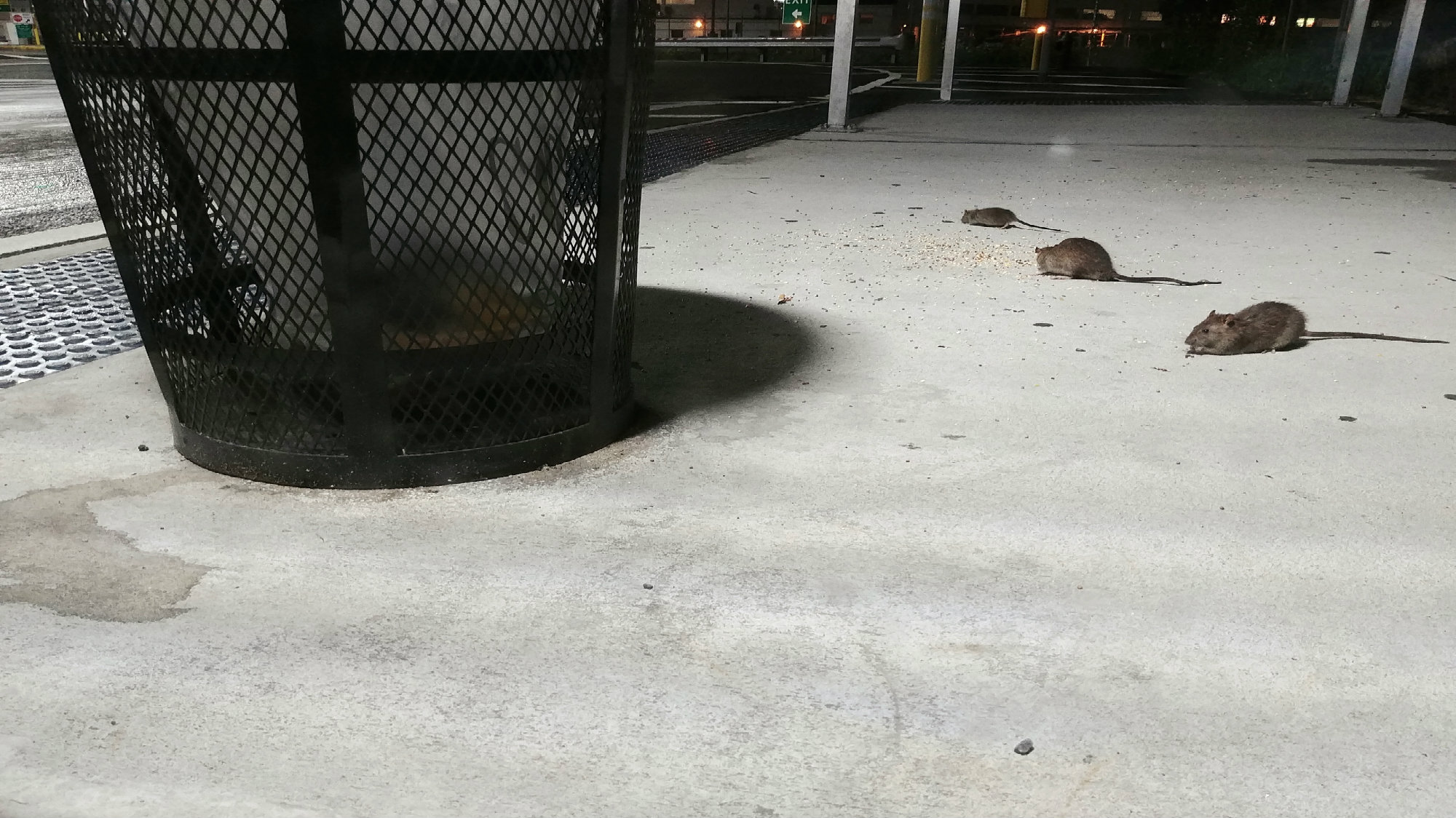
The Mother of Rats in Urban Ecosystems: Understanding Reproductive Dominance and Population Control
In urban ecosystems, the "mother of rats" refers primarily to the Norway rat (Rattus norvegicus), specifically the high-fecundity breeding female that serves as the reproductive engine of a colony. Her biological capacity to produce up...
In urban ecosystems, the "mother of rats" refers primarily to the Norway rat (Rattus norvegicus), specifically the high-fecundity breeding female that serves as the reproductive engine of a colony. Her biological capacity to produce upwards of 100 offspring annually, combined with a gestation period of only 21 to 23 days, establishes her as the central challenge in modern municipal pest management and urban health strategies.
Contents
The Biological Profile of the Urban Progenitor
The Norway rat, often called the brown rat or sewer rat, is the undisputed "mother" of urban rodent issues. While the black rat (Rattus rattus) occupies some coastal or tropical cities, the Norway rat’s physical robustness and aggressive reproductive strategy have allowed it to dominate temperate urban landscapes. As of 2026, genomic studies have confirmed that urban rat populations are not merely transient visitors but are highly adapted residents with genetic markers specific to high-density human environments.
The "mother" in this context is defined by her extraordinary reproductive throughput. A single female reaches sexual maturity as early as five weeks of age. This rapid onset of fertility means that a single individual born in January can potentially become a great-grandmother by the end of the same calendar year. Her physiology is fine-tuned for the urban "heat island" effect, which provides the warmth necessary for year-round breeding, uncoupled from the seasonal cycles that limit rural populations.
The Reproductive Cycle and Fecundity
The primary reason urban rat populations are so resilient is the female’s "postpartum estrus." Within 24 hours of giving birth to a litter, a female Norway rat can go back into heat and conceive again. This means she can be simultaneously nursing one litter while gestating another.
In a typical urban environment with consistent access to food waste, a female will produce an average of 8 to 12 pups per litter. If environmental conditions—such as those found in aging sewage systems or poorly managed commercial corridors—remain stable, she can successfully raise six to eight of these litters to maturity in a single year. This biological imperative ensures that even if 90% of a colony is eradicated by traditional pest control, the surviving "mothers" can restore the population to its original density within months.
Habitat Selection: Creating the Urban Nursery
The "mother of rats" does not choose her nesting site at random. In 2026, urban ecologists categorize these sites as "high-resource nurseries." These are locations where three specific variables intersect: proximity to high-calorie food, structural stability, and protection from predators.
Subsurface Infrastructure
The primary nursery for the urban rat is the subterranean network. Deteriorating brick sewers, abandoned transit tunnels, and utility conduits provide a stable microclimate. These areas protect the young from temperature fluctuations and larger predators like hawks or stray cats. In many aging metropolitan centers, the "mother" utilizes the soil voids created by leaking water mains to excavate complex burrow systems. These burrows feature multiple "bolt holes" for escape and separate chambers for nesting and food storage, demonstrating a high level of maternal engineering.
Waste Management Intersections
The most prolific breeding occurs in the "last mile" of waste management—the space between a consumer’s trash bin and the collection truck. Females nesting near high-output food sources, such as restaurant alleys or open-air markets, exhibit higher weaning success rates. The nutrition available in modern urban waste, which is increasingly high in fats and sugars, has been linked to larger litter sizes and faster developmental milestones in juvenile rats.
The Social Structure of Reproductive Dominance
Urban rat colonies are not chaotic masses; they are structured hierarchies. At the center of this hierarchy is the dominant breeding female. Research into rodent social dynamics shows that alpha females often have first access to the safest nesting sites and the most nutritious food. This social advantage translates directly into higher survival rates for her offspring compared to those of subordinate females.
Pheromonal Influence and Colony Suppression
There is evidence that dominant females may influence the reproductive success of others in the colony through pheromones and behavioral suppression. In high-density environments, this "reproductive skew" ensures that the strongest genetic lines are preserved. For city managers, this means that removing the "wrong" rats—the visible, subordinate males—often does nothing to slow population growth. True suppression requires targeting the breeding females and the resource nodes that support them.
Urban Impact: Health, Structure, and Economics
The presence of a thriving "mother" rat population is more than a nuisance; it is a significant public health and economic burden. As of 2026, the cost of rodent-related infrastructure damage in major global cities is estimated in the billions.
- Zoonotic Disease Reservoirs: Rats are primary vectors for Leptospirosis, Salmonellosis, and various hantaviruses. The "mother" passes these pathogens to her offspring in the nest, creating a self-sustaining reservoir of disease within the city's hidden infrastructure.
- Structural Compromise: The nesting behavior of female rats involves gnawing through high-density polyethylene (HDPE) pipes, electrical insulation, and even soft concrete. This is driven by the biological need to keep their incisors sharp and to create expanded nesting voids for growing litters.
- Food Security: In urban food deserts, the presence of breeding colonies in small grocery stores can lead to massive food spoilage, exacerbating local food insecurity and driving up insurance premiums for small business owners.
Comparison of Urban Rodent Reproductive Capacity
The following table compares the reproductive metrics of the three most common urban rodent pests as identified in 2026 ecological surveys.
| Characteristic | Norway Rat (R. norvegicus) | Black Rat (R. rattus) | House Mouse (Mus musculus) |
|---|---|---|---|
| Sexual Maturity | 5–8 weeks | 8–12 weeks | 4–6 weeks |
| Gestation Period | 21–23 days | 21–25 days | 19–21 days |
| Average Litter Size | 8–12 pups | 6–8 pups | 5–6 pups |
| Litters Per Year | 7–12 | 4–6 | 8–10 |
| Primary Urban Niche | Basements, Sewers, Burrows | Attics, Trees, Roofs | Interior Walls, Cupboards |
| Behavioral Strategy | Aggressive, Burrowing | Agile, Climbing | Exploratory, High Activity |
Modern Control Strategies: Shifting Focus to the Source
Historically, rat control relied on broad-spectrum toxicants (rodenticides). However, by 2026, the focus has shifted toward Integrated Pest Management (IPM) and "Fertility Disruption."
Environmental Modification
The most effective way to neutralize the "mother of rats" is to remove the "nursery" conditions. This involves "rat-proofing" buildings by sealing entries larger than half an inch and transitioning from plastic trash bags to rodent-proof, hard-sided bins. Municipalities that have implemented mandatory containerization of waste have seen a measurable decrease in the body mass and litter frequency of female rats.
Fertility Control
Newer technologies, including non-toxic liquid baits that induce infertility in both male and female rats, are being deployed in sensitive areas like parks and schools. Unlike traditional poisons, which can trigger "rebound breeding" (where surviving rats breed faster to fill the vacuum), fertility control targets the reproductive engine directly, causing the colony to collapse naturally over time as the aging population is not replaced by new litters.
Genomic Monitoring
Cities are increasingly using "Environmental DNA" (eDNA) from sewer runoff to map the presence of high-activity breeding sites. This allows pest control professionals to intervene at the source—the mother's nest—rather than chasing individual rats across the surface.
FAQs
How long does an urban "mother rat" live?
In the wild urban environment, a female Norway rat rarely lives longer than 12 to 15 months. However, due to her rapid reproductive cycle, she can produce over 100 descendants in that short lifespan. Her life is often cut short by predation, disease, or successful pest control interventions, but her biological legacy is maintained through her high-fecundity offspring.
Can a single rat cause an infestation?
Yes, a single pregnant female can initiate a full-scale infestation. Because she can carry a dozen pups and is capable of mating immediately after giving birth, she can establish a localized colony within just a few months. This is why "exclusion"—blocking entry points—is the most critical step in preventing home or business infestations.
Why are urban rats getting larger in 2026?
The perception that rats are getting larger is partially supported by urban ecology studies. Increased access to high-protein and high-fat human waste allows rats to reach their maximum genetic size potential more consistently. However, "giant rats" are usually just well-fed adult Norway rats, which can weigh up to 500 grams (about 1.1 pounds).
Are rats becoming resistant to common poisons?
Genomic resistance to first-generation anticoagulants (like warfarin) is well-documented. By 2026, many urban populations have also shown behavioral resistance, known as "neophobia," where they avoid new objects or baits in their environment. This has forced the industry to move toward mechanical traps and biological fertility inhibitors.
What is the most effective way to stop rats from breeding in a garden?
Eliminating the three essentials—food, water, and cover—is the only permanent solution. This includes removing bird feeders (a major food source), fixing leaky outdoor faucets, and clearing dense vegetation or woodpiles where a female might establish a burrow.
Practical Recommendation for Urban Residents
If you suspect the presence of a breeding colony on your property, prioritize structural exclusion over immediate poisoning. Inspect your foundation, utility entries, and basement windows for any gap wider than a thumb. Seal these with steel wool and mortar or specialized rodent-proof sealants. By removing the "nursery" potential of your home, you force the "mother of rats" to seek less hospitable environments, effectively breaking the reproductive cycle in your immediate vicinity.
Image Gallery