Patient-Derived Xenografts: Bridging Lab Models and Clinical Reality in Oncology
Patient-derived xenografts (PDX) represent a landmark advancement in cancer research, directly bridging preclinical laboratory models and clinical patient care. By transplanting fresh human tumor tissue into immunodeficient mice, PDX m...
Patient-derived xenografts (PDX) represent a landmark advancement in cancer research, directly bridging preclinical laboratory models and clinical patient care. By transplanting fresh human tumor tissue into immunodeficient mice, PDX models retain the histology, genomic architecture, and microenvironmental complexity of original patient tumors, offering unprecedented predictive accuracy for drug discovery and personalized oncology strategies.
Contents
- Patient Tumor Biopsy
- Fresh Tissue Implantation (P0)
- Subcutaneous or Orthotopic Site
- Immunodeficient Host Mouse
- (NSG, NOG, Athymic Nude)
- Engraftment & Expansion (P1-P3)
- Preserves Histology & Heterogeneity
- Translational Applications
- High-Throughput Biomarker Discovery
- Targeted Drug Efficacy Screening
- Personalized Avatar Co-Clinical
The Translational Gap in Oncology: Why Traditional Cell Lines Fall Short
For decades, cancer research relied heavily on two-dimensional (2D) immortalized cell lines cultivated on plastic dishes. While cell lines such as HeLa, MCF-7, or A549 yielded fundamental insights into cellular biology, their predictive value for clinical drug response remains notoriously poor. Traditional cell lines undergo significant selection pressure during decades of standard in vitro passaging. This process strip-mines the tumor of its native architecture, clonal heterogeneity, extracellular matrix, and non-cancerous stromal elements.
Consequently, drug candidates demonstrating high efficacy in 2D cell cultures frequently fail in Phase I–III clinical trials. Oncology historically suffers from one of the highest attrition rates in pharmaceutical development, with less than 10% of molecules entering clinical trials achieving regulatory approval.
Cell line-derived xenografts (CDX)—wherein 2D cell lines are injected into immunocompromised mice—improved upon cell culture by providing a mammalian physiological context. However, CDX models still fail to mirror clinical reality because the starting cellular input is biologically homogenous and genetically adapted to artificial culture conditions. PDX models resolve this translational mismatch by eliminating intermediate in vitro culture steps, establishing tumors directly from surgically resected tissue or core biopsies.
How Patient-Derived Xenografts (PDX) Function
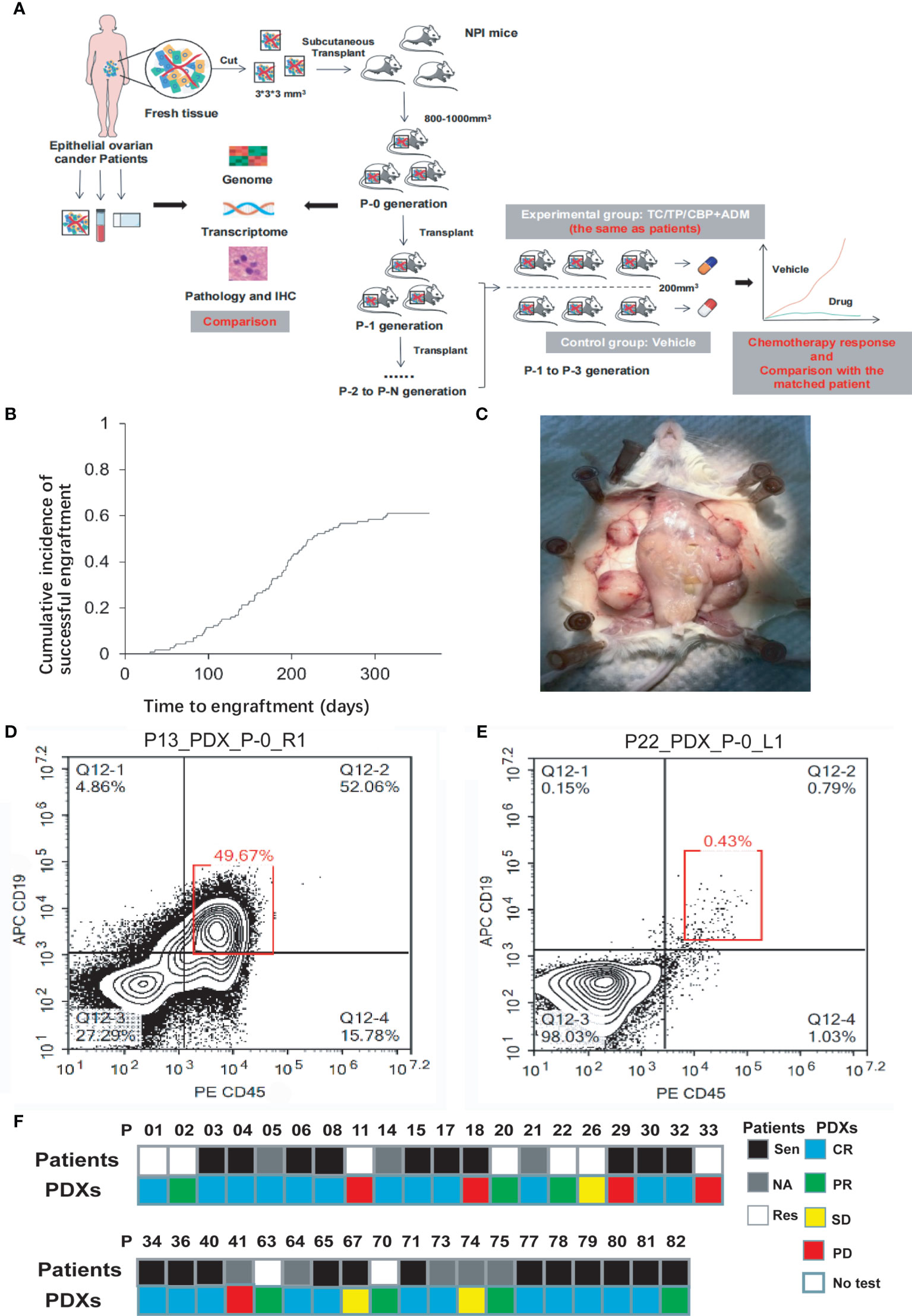
Establishing a PDX model begins immediately after surgical resection or biopsy of a patient’s tumor. The fresh tissue fragment is preserved in transport media, sectioned into small fragments (typically 1–3 mm³), and implanted into an immunodeficient rodent host.
Implantation Routes
- Subcutaneous Implantation: Tumor fragments are placed under the skin (usually in the flank) of the mouse host. Subcutaneous grafting is technically straightforward, allows rapid visual and quantitative measurement of tumor growth via calipers, and accommodates high-throughput screening. However, it lacks the tissue-specific microenvironment of the primary site.
- Orthotopic Implantation: Tumor tissue is surgically implanted directly into the organ of origin (e.g., mammary fat pad for breast cancer, intracranial space for glioblastoma, or liver for hepatocellular carcinoma). Orthotopic models reproduce organ-specific biomechanics, vascularization, metastatic dissemination patterns, and organ-specific drug penetration characteristics, though monitoring tumor burden requires advanced bioimaging (such as MRI, PET, or bioluminescence).
Immunodeficient Mouse Host Strains
To prevent xenogeneic rejection of human tissue, recipient mice must lack active immune responses:
Athymic Nude Mice: Lack T cells; suitable for aggressive, highly malignant human tumors, though retained B cells and NK cells cause low engraftment rates for less aggressive malignancies.
SCID (Severe Combined Immunodeficiency) Mice: Lack functional T and B lymphocytes.
NOD-SCID Mice: Combine the SCID mutation with the Non-Obese Diabetic background, reducing natural killer (NK) cell functionality alongside T- and B-cell deficits.
NSG (NOD.Cg-Prkdc^scid Il2rg^tm1Wjl/SzJ) and NOG Mice: Modern standard host strains. Deficient in T cells, B cells, and NK cells due to complete deletion of the interleukin-2 receptor gamma chain ($IL2R\gamma$). These strains yield significantly higher engraftment success across diverse tumor types.
Patient Resection / Biopsy
- Subcutaneous Implantation (Flank): High-throughput monitoring
- Orthotopic Implantation (Native Site): Replicates organ microenvironment & metastasis
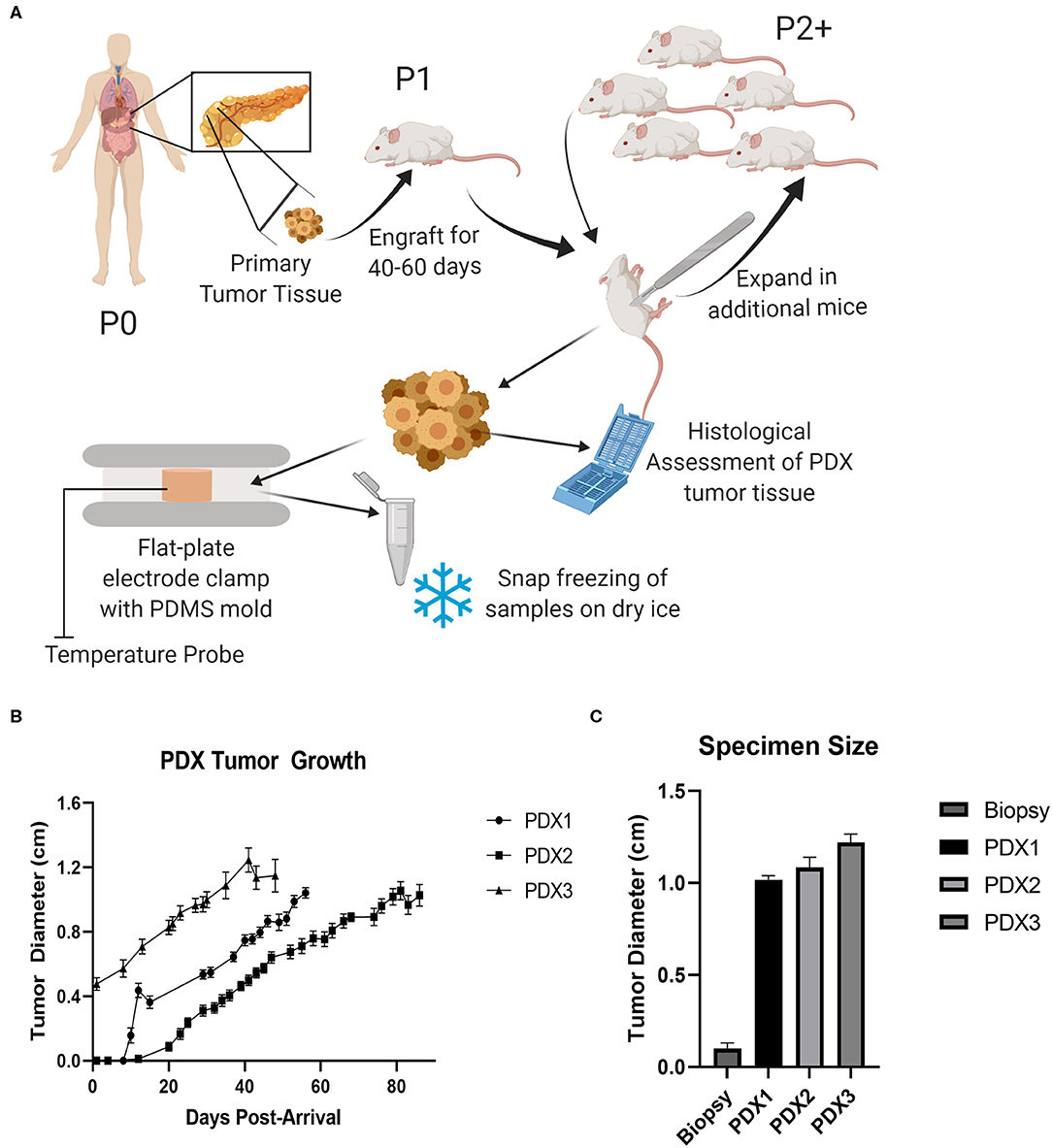
Following primary implantation (designated as passage zero or P0), tumors are allowed to expand. Once grown, the tissue is harvested and re-implanted into secondary recipient mice (P1, P2, P3) to build working cohorts for experimental drug testing or cryopreservation within biobanks.
Key Advantages of PDX Models in Translational Research
PDX platforms serve as a vital translational bridge because they maintain essential biological hallmarks that cell cultures lose:
- Preservation of Tumor Histology and Architecture: PDX tumors retain the cellular composition, glandular formations, stromal structure, and microvascular networks seen in original patient biopsies.
- Maintenance of Clonal Diversity: Primary malignancies consist of subclonal populations with varying resistance mechanisms. PDX models maintain this intratumoral heterogeneity through early passages, permitting studies on how targeted therapies alter subclonal architecture.
- Genomic and Epigenetic Fidelity: High-throughput DNA and RNA sequencing confirms that early-passage (P1–P3) PDX models maintain steady copy number alterations, single-nucleotide variants, gene expression profiles, and DNA methylation patterns consistent with donor patient tumors.
- Predictive Accuracy for Clinical Outcomes: Retrospective and prospective studies show strong correlation between drug responses observed in a patient's PDX "avatar" and the patient's real-world response to chemotherapy or targeted regimens.
Preclinical Oncology Models Comparison
Selecting the correct preclinical model requires balancing biological fidelity against cost, throughput capacity, and technical complexity.
| Model Type | Biological Fidelity | Immune System Interaction | Tumor Architecture | Turnaround Time | Relative Cost | Clinical Predictivity |
|---|---|---|---|---|---|---|
| 2D Cell Lines | Very Low | None | Absent (Monolayer) | Days | Very Low | Minimal |
| 3D Organoids (PDO) | Moderate–High | None (Unless co-cultured) | Partial | Weeks | Low–Moderate | Moderate |
| Cell Line Xenograft (CDX) | Low–Moderate | Deficient | Disrupted | 2–4 Weeks | Moderate | Low–Moderate |
| Standard PDX | High | Deficient | Retained | 2–8 Months | High | High |
| Humanized PDX (Hu-PDX) | Exceptional | Reconstituted Human System | Retained | 3–9 Months | Extremely High | Exceptional |
Major Limitations and Operational Challenges
Despite their utility, standard PDX platforms present clear technical limitations and operational constraints.
- PDX Limitations Overview
- Engraftment Efficiency Variances (10% to 80% based on tumor type)
- Murine Stroma Replacement (Human stroma gradually replaced by mouse matrix)
- Lack of Functional Immunity (Standard hosts cannot evaluate immunotherapies)
- Operational Costs ($2,000 - $5,000+ per validated model)
- Time Lag (2 to 8 months prevents immediate acute clinical decisions)
1. Engraftment Rate Variances
Engraftment efficiency varies widely depending on tumor origin. Aggressive malignancies, such as melanoma, colorectal cancer, and non-small cell lung cancer (NSCLC), frequently exhibit engraftment rates exceeding 60% to 80%. Conversely, estrogen-receptor-positive ($ER^+$) breast cancers, prostate cancers, and renal cell carcinomas often demonstrate low engraftment rates, sometimes under 15% to 20%.
2. Murine Stroma Replacement
While human tumor cells proliferate, the human stromal microenvironment (fibroblasts, vascular endothelial cells, extracellular matrix) is gradually replaced by mouse-derived stroma over 2 to 3 passages. This alters paracrine signaling pathways, structural mechanics, and xenobiotic response characteristics over time.
3. Immunological Isolation
Standard PDX host mice lack mature functional immune systems. Consequently, conventional PDX models cannot evaluate major immunotherapeutic modalities, including immune checkpoint inhibitors (anti-PD-1, anti-PD-L1, anti-CTLA-4), bispecific T-cell engagers (BiTEs), or cellular therapies like CAR-T cells.
4. Turnaround Time and Cost
Establishing and expanding a PDX cohort takes 2 to 8 months. For patients with aggressive or late-stage cancers, this timeline often exceeds the window for making real-time clinical decisions. Financial overhead—including animal housing, specialized immunodeficient strains, surgical procedures, and genomic characterization—makes PDX platforms significantly more expensive than in vitro screening methods.
5. Clonal Drift and High-Passage Divergence
While early passage (P1–P3) models maintain original tumor genetics, repeated serial passaging (P5+) introduces mouse-specific selective pressure, leading to clonal selection, accumulation of new mutations, and divergence from the patient's original tumor phenotype.
Advanced Innovations: Humanized Mice and Next-Generation Platforms
To resolve the immunocompromisation barrier, researchers developed Humanized Patient-Derived Xenograft (Hu-PDX) platforms.
- Humanized PDX (Hu-PDX) Pipeline
- CD34+ Hematopoiesis Model
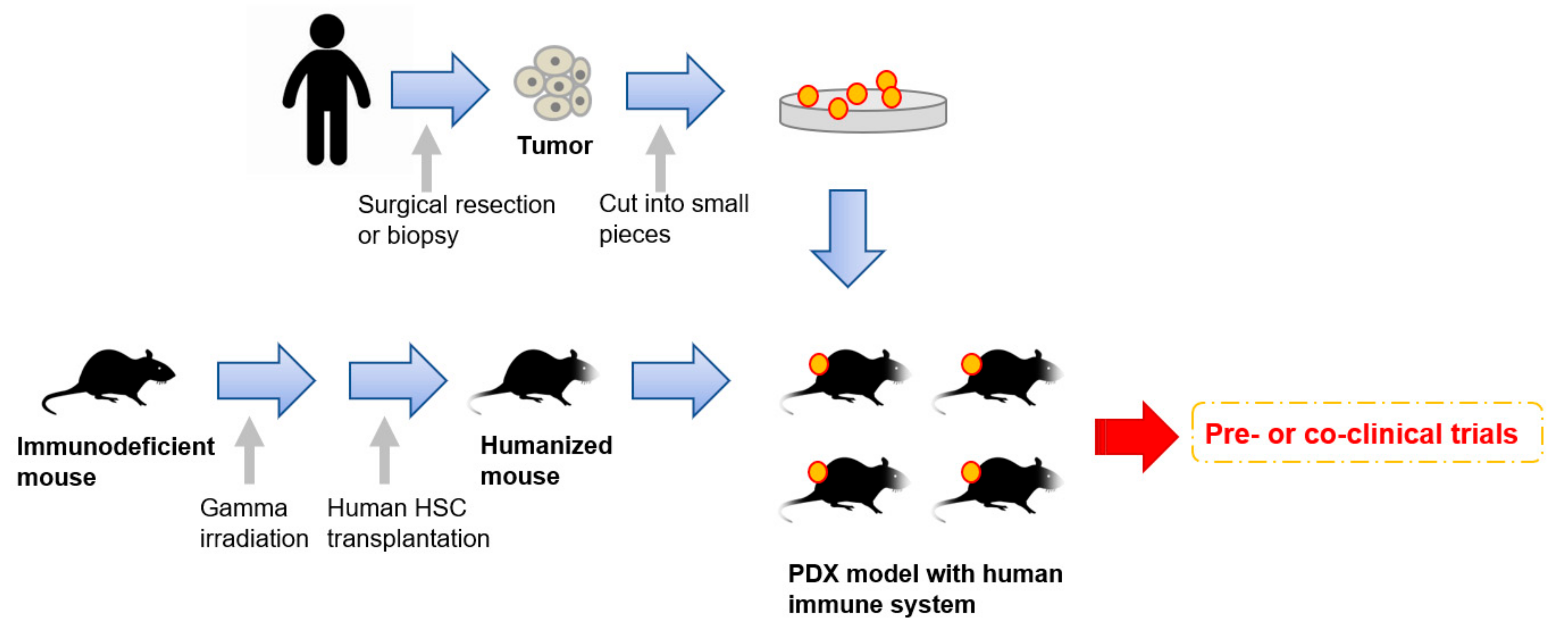
- Engraft human CD34+ Hematopoietic Stem Cells into irradiated NSG/NOG mice
- Full lineage immune development (T, B, NK, myeloid cells)
- PBMC Model
- Engraft human Peripheral Blood Mononuclear Cells (PBMCs)
- Rapid mature immune system response
- Short window before Graft-vs-Host Disease
- Co-Implantation of Patient Tumor (PDX)
- Evaluates Checkpoint Inhibitors, CAR-T, & Immunotherapies
- CD34+ Hematopoiesis Model
Humanized PDX (Hu-PDX) Engineering
Humanized mouse models are engineered by transplanting human immune elements into ultra-immunodeficient hosts (such as NSG or NOG strains) prior to tumor engraftment:
- CD34+ Stem Cell Model: Irradiated neonatal or adult NSG mice receive intravenous injections of human CD34+ hematopoietic stem cells (HSCs) isolated from umbilical cord blood. Over 10 to 12 weeks, the mice develop multilineage human immune systems, including human T cells, B cells, functional dendritic cells, and macrophages.
- PBMC Model: Mature human peripheral blood mononuclear cells (PBMCs) are injected into adult host mice. This model provides rapid T-cell reconstitution within days, though its experimental window is constrained to 2 to 4 weeks before lethal graft-versus-host disease (GvHD) develops.
Hu-PDX platforms allow researchers to test checkpoint inhibitors and novel immunotherapies against patient-derived tumor architectures while preserving tumor-immune interactions.
Mini-PDX and Microfluidic Hybrids
To cut turnaround times from months to days, scientists developed Mini-PDX assays. Patient-derived tumor cells are encapsulated within specialized, biocompatible micro-capsules and implanted into immunodeficient mice for 7 days. Drug therapies are administered immediately, allowing rapid assessment of cellular viability in vivo within a week.
Clinical and Pharmaceutical Applications
| Co-Clinical Trials | Biobanking Repositories |
|---|---|
| Mirror human patient trials in real time to identify response markers and resistance pathways | Large-scale libraries matching clinical data |
Co-Clinical Trials
In co-clinical trial designs, preclinical testing in PDX platforms occurs in parallel with human clinical trials. As patients enroll in a clinical trial for a novel drug, their tumor tissue is simultaneously engrafted into PDX cohorts. Response variations, resistance mechanisms, and biomarker correlates observed in the PDX avatar can quickly inform or adjust the ongoing clinical trial, helping identify patient stratifications that benefit most from treatment.
Global Biobanking Repositories
Large international consortia have developed extensive biobanks of molecularly annotated PDX models linked to patient clinical histories, treatment records, and multi-omic data. Repositories managed by organizations like the National Cancer Institute (NCI) Patient-Derived Models Repository and the EurOPDX Consortium provide academic and pharmaceutical researchers access to thousands of characterized models across rare and common cancer types.
Note: While PDX avatar models provide valuable predictive data in research settings, therapeutic clinical decisions must follow approved oncology treatment protocols and regulatory guidelines.
Frequently Asked Questions
What is the difference between CDX and PDX models?
Cell Line-Derived Xenografts (CDX) use immortalized 2D cell lines grown on plastic plates and injected into immunocompromised mice. Patient-Derived Xenografts (PDX) use fresh patient tissue directly implanted into mice without intermediate 2D cell culture steps. PDX models preserve the tumor's histological structure, genomic variation, and natural cell heterogeneity, whereas CDX models lose these characteristics over years of laboratory culture.
How long does it take to establish a functional PDX model?
Primary engraftment (P0) typically requires 2 to 5 months depending on the aggressiveness and tissue type of the tumor. Expanding the tissue into cohort sizes sufficient for multi-arm therapeutic testing (P1–P3) requires an additional 2 to 3 months. Consequently, total setup time ranges from 4 to 8 months.
Why are humanized PDX models necessary for immunotherapy testing?
Standard immunodeficient host mice (like NSG or Athymic Nude) lack functional T cells, B cells, or natural killer (NK) cells to prevent rejection of human tissue. However, immune checkpoint inhibitors (e.g., anti-PD-1/PD-L1) work by reactivating human immune cells. Humanized PDX models reconstitute a human immune system via hematopoietic stem cells or PBMCs, enabling researchers to test immunotherapies in humanized conditions.
What is the engraftment success rate for PDX models across different cancer types?
Engraftment efficiency varies by tumor histology and aggressiveness. High-grade tumors such as melanoma, colorectal carcinoma, and non-small cell lung cancer achieve success rates of 60% to 80%. Conversely, hormone-driven cancers such as estrogen receptor-positive ($ER^+$) breast cancer and prostate adenocarcinoma often show engraftment rates below 20%.
How do PDX models support personalized medicine avatar approaches?
In avatar approaches, a tumor biopsy from an individual patient is engrafted into a cohort of mice. These "avatar" mice are treated with various single-agent or combination chemotherapies to identify which regimen causes tumor regression in vivo. The findings provide data that can help guide personalized therapy choices for the patient.
Strategic Recommendations for Researchers and Drug Developers
To maximize the translational value of PDX models while managing costs and operational timelines, consider the following strategic guidelines:
- Use Low-Passage Models (P1–P3): Restrict experimental drug testing to low-passage xenografts to prevent mouse-specific clonal selection and genomic drift from altering trial outcomes.
- Combine Organoids and PDX Platforms: Implement a tiered screening protocol. Use 3D Patient-Derived Organoids (PDOs) for high-throughput initial drug candidate screening, then validate top hits using low-passage PDX models to confirm in vivo activity and pharmacokinetics.
- Match the Host Strain to the Mechanism of Action: Use traditional immunodeficient hosts (NSG/NOG) for standard chemotherapies or small-molecule kinase inhibitors. Switch to humanized host platforms (CD34+ HSC-reconstituted mice) when evaluating immunotherapies, bispecific antibodies, or complex immune-modulating agents.
- Leverage Established Biobanks: Prioritize sourcing validated, deep-sequenced models from centralized repositories (such as the NCI Patient-Derived Models Repository or EurOPDX) before spending resources to establish custom PDX lines in-house.
Image Gallery