Why Do My Armpits Smell Like Weed? Causes, Chemistry, and Solutions in 2026
Your armpits smell like weed because of the breakdown of apocrine sweat by skin bacteria, which produces sulfur-containing compounds called thiols. Specifically, the molecule 3-methyl-3-sulfanylhexan-1-ol closely mimics the aromatic pr...
Your armpits smell like weed because of the breakdown of apocrine sweat by skin bacteria, which produces sulfur-containing compounds called thiols. Specifically, the molecule 3-methyl-3-sulfanylhexan-1-ol closely mimics the aromatic profile of cannabis. This scent is often influenced by genetics, stress levels, dietary intake of terpenes, and the metabolic excretion of tetrahydrocannabinol (THC) if cannabis is consumed.
Contents
The Biological Foundation of Armpit Odor
To understand why body odor can take on the distinct, skunky aroma of cannabis, one must first understand the dual nature of human perspiration. Humans possess two primary types of sweat glands: eccrine and apocrine. While eccrine glands are distributed across the entire body and produce a watery, odorless substance for thermoregulation, apocrine glands are concentrated in areas with high hair follicle density, such as the axilla (armpits).
Apocrine sweat is inherently different. It is a thicker, milky fluid rich in proteins, lipids, and pheromones. On its own, this fluid is odorless. However, the armpit serves as a complex ecosystem for various microbial colonies. When bacteria—primarily species of Staphylococcus and Corynebacterium—consume these proteins and lipids, they secrete metabolic byproducts. In many individuals, these byproducts include volatile organic compounds (VOCs) that belong to the thiol family. Thiols are sulfur-based molecules that are notorious for their pungent, "skunky" smell, which is the exact olfactory characteristic shared by many strains of cannabis.
The Chemistry of Thiols and Terpenes
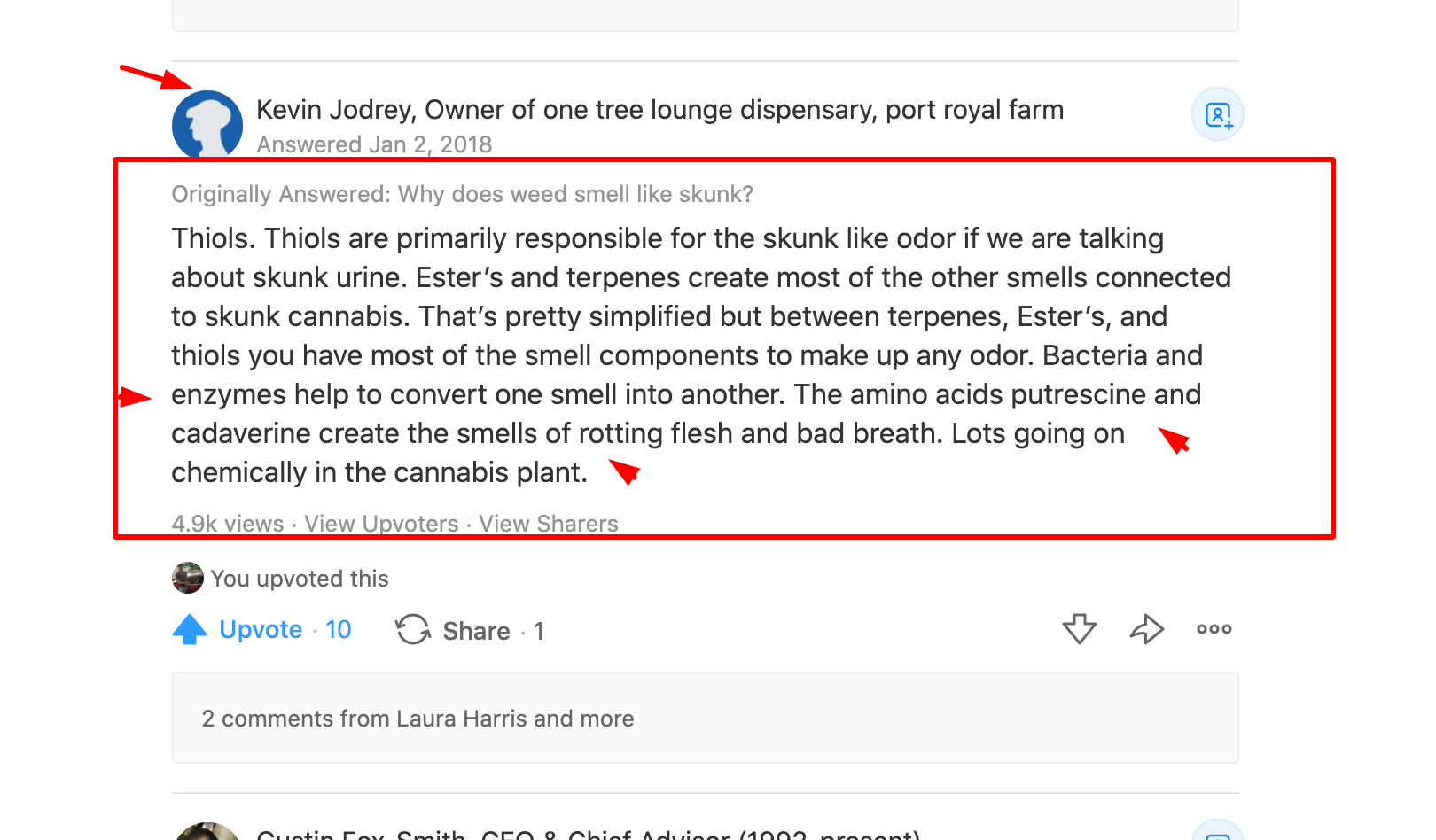
The primary culprit behind the "weed smell" is a specific thiol known as 3-methyl-3-sulfanylhexan-1-ol (3M3SH). This compound is produced when the enzyme carbon-sulfur lyase, found in certain skin bacteria, breaks down a precursor molecule in apocrine sweat.
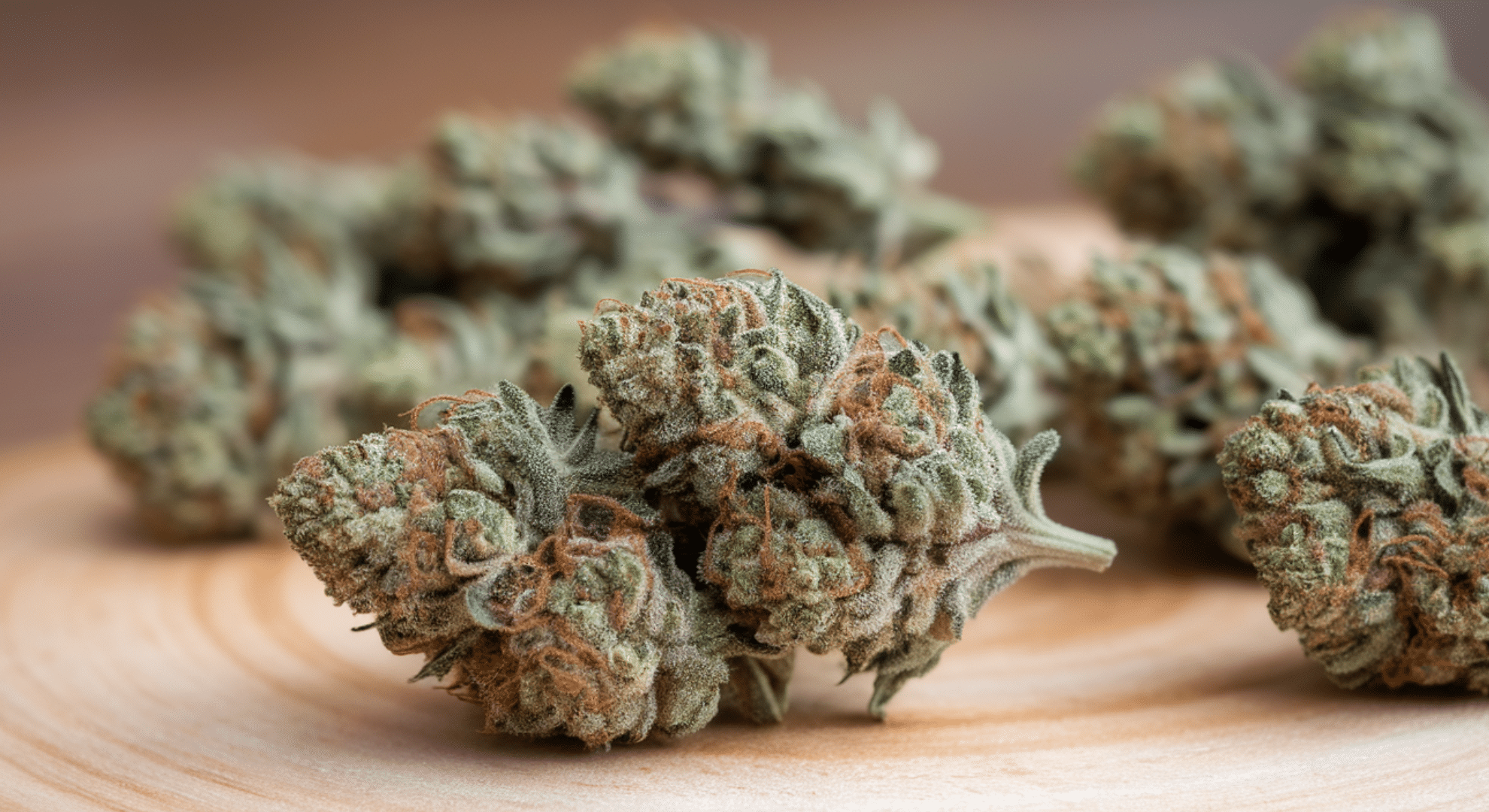
In the world of botany, the scent of cannabis is dictated by terpenes—aromatic compounds like myrcene, limonene, and pinene. Some cannabis strains also produce volatile sulfur compounds (VSCs) that are chemically similar to the thiols produced in the human armpit. This chemical overlap is why the human brain perceives the two scents as nearly identical.
Chemical Synergy in 2026 Research
Recent dermatological studies in 2026 have highlighted that individual variations in the microbiome significantly dictate the intensity of thiol production. Specifically, individuals with a higher concentration of Corynebacterium species tend to exhibit more pungent, sulfurous odors compared to those with a Staphylococcus-dominant microbiome. This variation explains why two people can eat the same food and exercise with the same intensity, yet only one will produce a scent reminiscent of cannabis.
Common Reasons for Cannabis-Like Body Odor
While the biological mechanism remains consistent, several external and internal factors can trigger or exacerbate the production of these specific thiol compounds.
1. Dietary Influence and Terpene Consumption
The food you consume plays a critical role in the composition of your sweat. Many common ingredients contain high levels of terpenes or sulfur, which can be excreted through the skin.
- Cruciferous Vegetables: Broccoli, cabbage, and cauliflower are high in sulfur, providing the "fuel" for bacteria to create pungent thiols.
- Garlic and Onions: These contain allicin, which breaks down into various sulfur compounds that permeate the bloodstream and are released through pores.
- Herbs and Spices: Certain aromatic herbs contain terpenes that mirror those found in cannabis. If consumed in large quantities, these can alter the "bouquet" of your body odor.
2. Stress and the Apocrine Response
Stress sweat is chemically distinct from heat-induced sweat. When the body enters a "fight or flight" state, the sympathetic nervous system triggers the apocrine glands immediately. Because stress sweat is higher in nutrient content (proteins and fats) than regular sweat, it provides a sudden, concentrated feast for skin bacteria, leading to a rapid spike in thiol production. This is why "nervous sweat" often smells significantly more pungent than sweat produced during a workout.
3. Cannabis Use and Metabolite Excretion
It is a common misconception that only the smoke of cannabis causes the smell to linger. If you consume cannabis—whether through inhalation, ingestion, or topical application—the compounds are processed by your body. THC and its metabolites are fat-soluble and can be stored in the body’s adipose tissue. During exercise or periods of high metabolic activity, these metabolites are released and can be excreted through sweat and sebum, contributing directly to the cannabis-like aroma.
4. Genetics and Bromhidrosis
Genetics determine the density of your sweat glands and the specific composition of your sweat. Some individuals are genetically predisposed to produce more of the precursors required for thiol synthesis. When this odor becomes excessive or distressing, it is medically classified as Bromhidrosis. In 2026, genetic testing and microbiome mapping have become more accessible for individuals looking to understand their specific aromatic profile.
Comparing Scent Profiles and Causes
The following table outlines the common aromatic variations in the axillary region and their most likely underlying causes based on 2026 clinical observations.
| Scent Profile | Primary Chemical Compound | Common Triggering Factors | Clinical Classification |
|---|---|---|---|
| Skunky / Weed | 3-methyl-3-sulfanylhexan-1-ol (Thiols) | Stress, genetic predisposition, cruciferous diet | Eccrine/Apocrine Bromhidrosis |
| Vinegar / Sour | Acetic Acid / Propionic Acid | Breakdown of sweat by Propionibacteria | Normal Metabolic Function |
| Sweet / Fruity | Ketones / Acetone | Ketosis, low-carb diet, or undiagnosed Diabetes | Metabolic Dysregulation |
| Bleach / Ammonia | Nitrogen-rich Urea | High protein intake, dehydration, or renal stress | Hyperammonemia (Mild) |
| Musty / Stale | 2-Nonenal | Age-related lipid oxidation, poor hygiene | Normal Aging (Omega-7 oxidation) |
Management and Treatment Options in 2026
If your armpits frequently smell like cannabis and you find it disruptive, several management strategies can mitigate the odor.
Topical Microbiome Management
In 2026, the focus has shifted from simply "killing all bacteria" to "balancing the microbiome." Traditional deodorants often use alcohol or harsh antibacterials that kill both good and bad bacteria, potentially allowing odor-causing strains to return even stronger.
- Microbiome-Friendly Deodorants: Look for products containing prebiotics that support "neutral" bacteria like Staphylococcus epidermidis, which can crowd out the thiol-producing Corynebacterium.
- AHA/BHA Washes: Using an alpha-hydroxy acid (like mandelic acid) wash in the armpits lowers the pH, making the environment less hospitable for odor-causing bacteria.
- Clinical-Grade Antiperspirants: For those with hyperhidrosis (excessive sweating), blocking the moisture at the source prevents the bacteria from having a medium to break down.
Dietary and Lifestyle Adjustments
- Hydration: Increasing water intake dilutes the concentration of sulfur precursors in apocrine sweat.
- Chlorophyll Supplementation: Some clinical evidence suggests that internal deodorants, like chlorophyllin, can reduce the excretion of sulfurous compounds.
- Fiber Intake: Ensuring a high-fiber diet helps the body process and excrete toxins through the digestive tract rather than the skin.
Professional Medical Interventions
For persistent cases, professional treatments may be necessary:
- Botox Injections: Botulinum toxin can be injected into the axilla to temporarily paralyze the nerves that trigger sweat glands, providing 6-12 months of dryness.
- miraDry: A non-invasive FDA-cleared treatment that uses microwave energy to permanently eliminate sweat and odor glands in the armpit.
- Prescription Topicals: Dermatologists in 2026 often prescribe glycopyrronium cloths to reduce sweat production on a daily basis.
When to Consult a Healthcare Provider
While smelling like weed is usually a benign biological quirk, certain changes in body odor can indicate underlying health issues. You should seek a medical consultation if:
- The odor is accompanied by a sudden change in sweat volume (Hyperhidrosis).
- The scent is "fruity" or "sweet," which may indicate issues with blood sugar regulation or Type 1/Type 2 Diabetes.
- You experience localized redness, itching, or pain, which could suggest an underlying fungal or bacterial infection (Erythrasma).
- The odor persists despite rigorous hygiene and the use of clinical-grade products.
FAQ
Does smoking weed make your sweat smell like it? Yes, the metabolites of cannabis are fat-soluble and can be excreted through your sweat glands after consumption. This is particularly noticeable during physical activity when fat cells are metabolized, releasing stored THC byproducts into the bloodstream and eventually the sweat glands.
Can anxiety make my armpits smell like skunk? Absolutely. Anxiety triggers the apocrine glands, which produce a thicker, protein-rich sweat. Bacteria break this sweat down much faster than regular heat-induced sweat, leading to a rapid and pungent production of thiols that smell like cannabis or skunk.
Is it normal for a child's sweat to smell like weed? Generally, children do not produce significant apocrine sweat until they reach adrenarche (the precursor to puberty). If a young child has a strong body odor, it is advisable to consult a pediatrician to rule out premature puberty or metabolic disorders.
Why does the smell persist even after showering? The scent-causing thiols can be trapped in the stratum corneum (the top layer of skin) or within the hair follicles. Additionally, if the bacteria responsible for the odor are not thoroughly neutralized, they will begin breaking down new sweat immediately after you dry off. Using an acidified body wash can help resolve this.
Can certain vitamins cause a cannabis-like odor? B-complex vitamins, particularly B6 (pyridoxine), can sometimes alter the scent of urine and sweat. While they don't usually produce a "weed" smell directly, their metabolic byproducts can interact with your skin's unique microbiome to create unusual aromas.
Summary of Best Practices for 2026
Managing a cannabis-like body odor requires a multi-faceted approach targeting both the sweat production and the bacterial breakdown. By maintaining a slightly acidic skin pH, managing stress-induced apocrine activation, and monitoring dietary triggers like high-sulfur vegetables, most individuals can successfully regulate their personal scent profile. If internal factors like cannabis use are involved, the scent may persist as long as the metabolites remain in the system.
Image Gallery