The Ultimate Guide to Kayak Paddle Board Hybrids in 2026: Versatility on the Water
A kayak paddle board hybrid is a multi-functional watercraft engineered to provide the stability of a stand-up paddleboard (SUP) and the seated efficiency of a traditional kayak. These vessels typically feature a wide, flat deck for st...
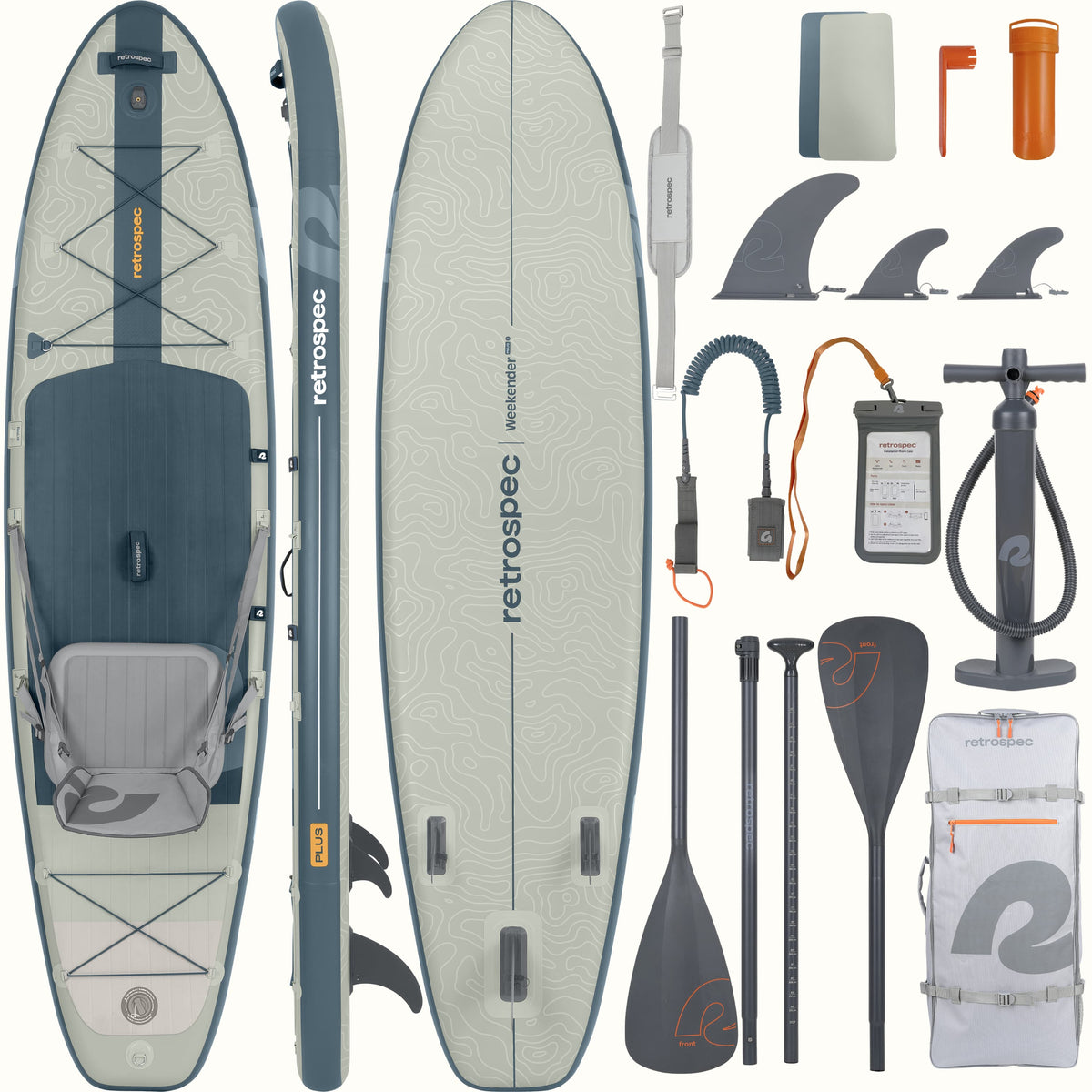
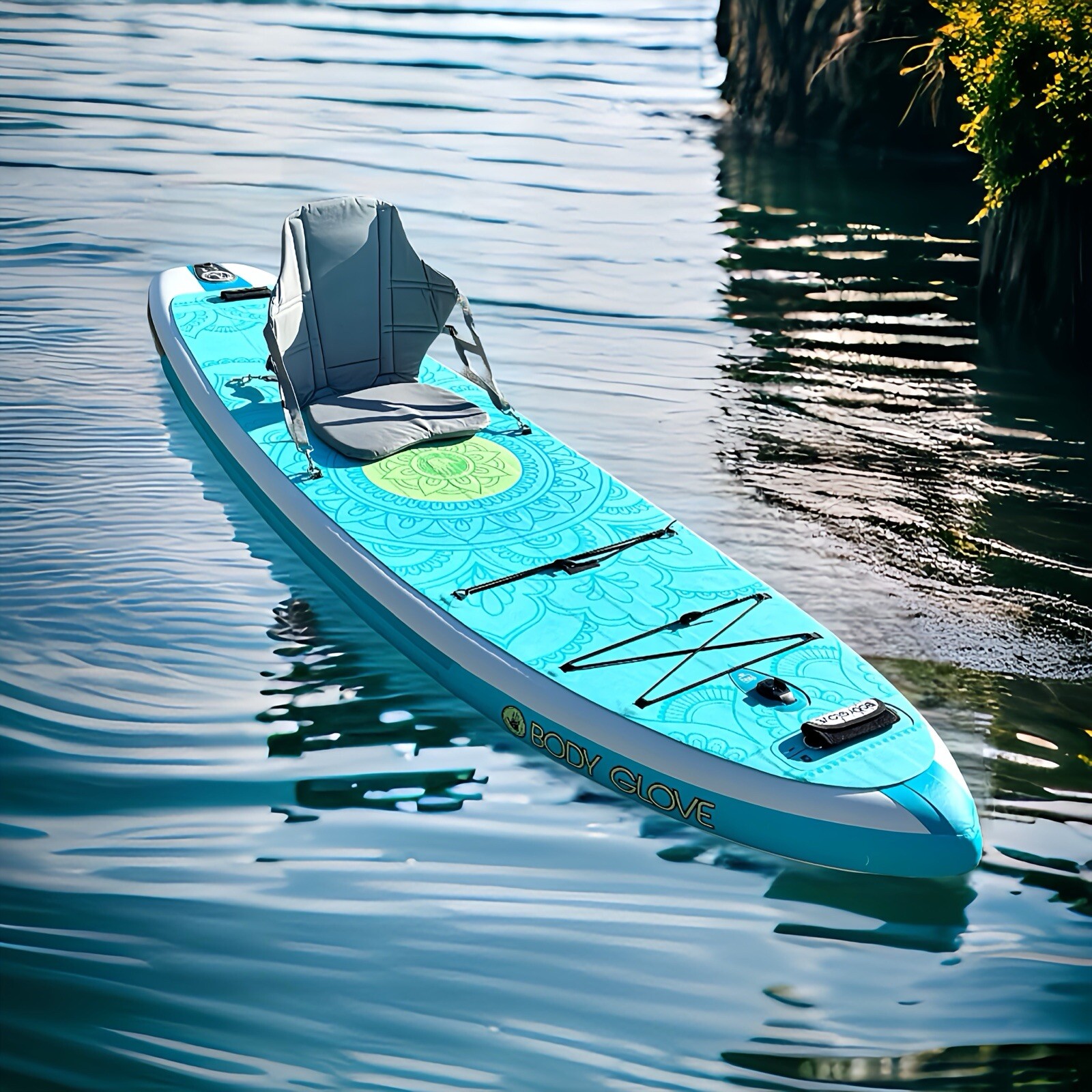
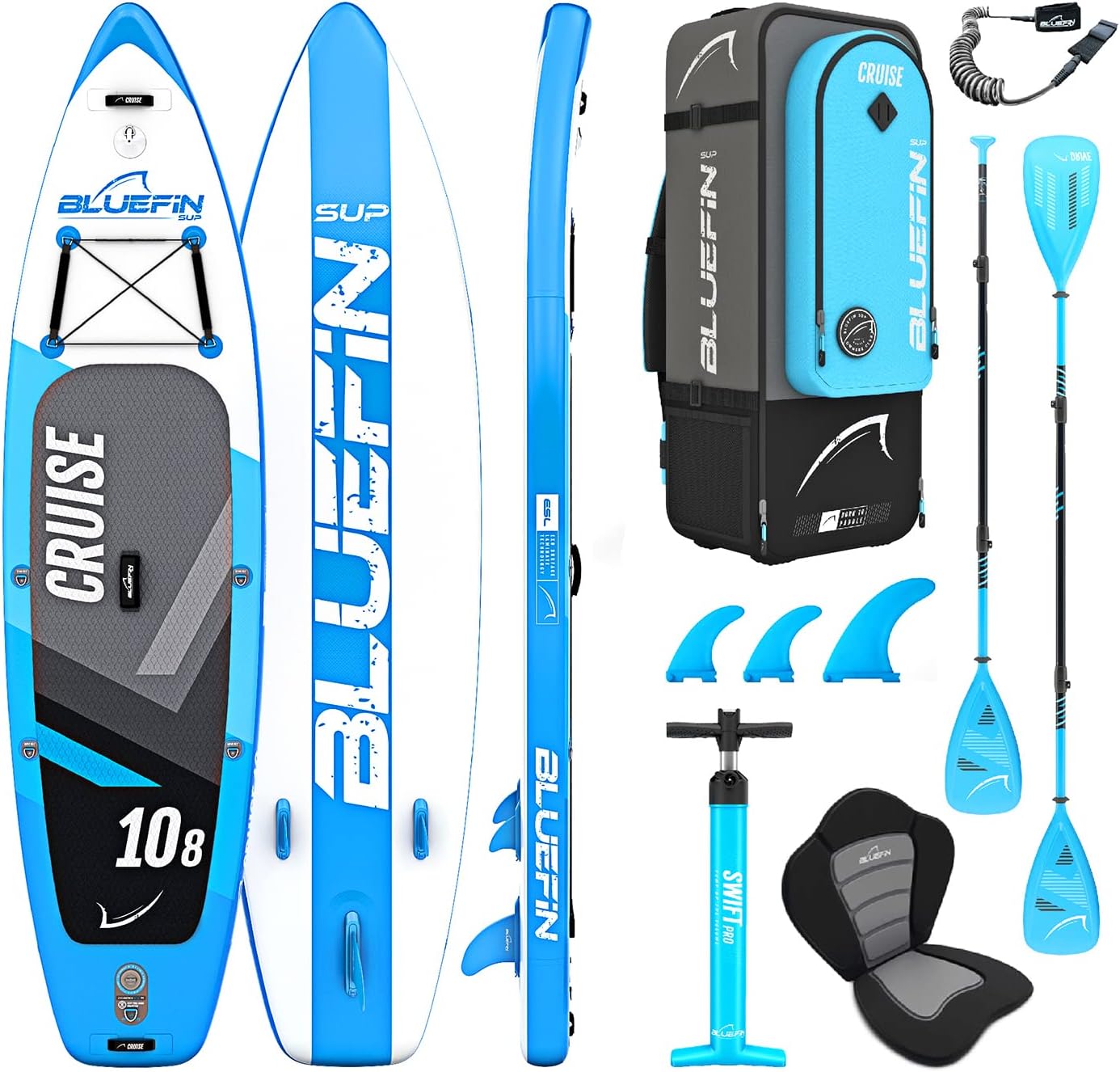
A kayak paddle board hybrid is a multi-functional watercraft engineered to provide the stability of a stand-up paddleboard (SUP) and the seated efficiency of a traditional kayak. These vessels typically feature a wide, flat deck for standing and a removable or integrated seating system, allowing paddlers to transition between disciplines seamlessly without switching boats. This dual-purpose design is the premier choice for 2026 outdoor enthusiasts seeking to maximize their time on the water through a single, versatile platform.
Contents
Whether you are a recreational paddler, a fitness enthusiast, or a dedicated angler, the hybrid category has evolved significantly. In 2026, the market has moved beyond simple "SUPs with seats" to sophisticated, purpose-built hulls that do not compromise on either performance or comfort. Understanding the technical nuances of these hybrids—from hull geometry to material composition—is essential for making an informed investment.
The Architecture of Versatility: What Defines a 2026 Hybrid?
The modern hybrid watercraft is defined by its ability to balance conflicting hydrodynamics. A traditional kayak requires a hull that tracks straight and cuts through chop, while a paddleboard requires high primary stability and a flat surface for the rider’s center of gravity.
Hull Geometry and Stability Profiles
In the 2026 landscape, hybrid hulls generally fall into two categories: the "Catamaran-Style" (Twin-Arched) hull and the "Modified Pontoon" hull.
Technical Insight on Stability Primary stability refers to how steady the craft feels when you are sitting or standing still on flat water. Secondary stability refers to the craft's ability to remain upright when tilted on its edge or during wave transitions. Hybrids prioritize exceptional primary stability to accommodate standing, which often results in a wider beam (32 to 36 inches) compared to touring kayaks.
The evolution of the "W-shaped" hull allows for a central displacement area that aids in tracking, while the outer "pontoons" provide the leverage needed to prevent tipping during a stand-up cast or a yoga pose. This geometry ensures that even in 2026, beginners can feel confident standing up within their first few minutes on the water.
Material Science in 2026
Weight has historically been the biggest drawback of hybrid vessels. However, current manufacturing standards have introduced:
- Thermoformed ABS: A lightweight, UV-resistant plastic that offers the durability of polyethylene but with significantly less weight.
- Drop-Stitch Inflatables: High-pressure inflatable hybrids that can be pumped to 20 PSI, offering a rigidity that rivals hard-shell boards while being transportable in a trunk.
- Graphene-Reinforced Composites: Used in high-end 2026 models to reduce hull flex, ensuring that the energy from every paddle stroke is transferred directly into forward motion.
2026 Performance Comparison: Leading Hybrid Models
To help you navigate the current market, the following table compares the industry standards for hybrid watercraft available in 2026. These metrics represent the balance between weight, capacity, and intended use.
| Model Category | Primary Material | Average Weight | Weight Capacity | Best Use Case | 2026 Price Range |
|---|---|---|---|---|---|
| Ultralight Inflatable | Fusion Drop-Stitch | 22 - 28 lbs | 320 lbs | Travel & Calm Lakes | $850 - $1,200 |
| All-Day Adventurer | Thermoformed ABS | 45 - 55 lbs | 400 lbs | Rivers & Estuaries | $1,300 - $1,800 |
| Pro Fishing Hybrid | Rotomolded HDPE | 75 - 95 lbs | 550 lbs | Coastal & Open Water | $2,000 - $3,200 |
| Fitness/Yoga Hybrid | EPS Foam/Epoxy | 30 - 35 lbs | 280 lbs | Harbor & Flat Water | $1,100 - $1,500 |
Essential Features for the Modern Hybrid Paddler
When evaluating a kayak paddle board hybrid, the "conversion" mechanism is the most critical component. In 2026, manufacturers have moved away from cheap clip-on straps toward integrated rail systems.
The Seating System
A high-quality hybrid must offer a "stadium-style" seat. These seats are elevated off the deck, which is crucial for two reasons:
- Ergonomics: An elevated seat keeps your hips above your knees, preventing lower back fatigue during long sessions.
- Dryness: It ensures that any water that splashes onto the deck (since most hybrids are sit-on-top style) flows underneath the seat and out through the scupper holes.
Many 2026 models now feature seats that double as camp chairs or fold flat to become a casting platform for sight fishing.
Convertible Propulsion
You cannot efficiently use a standard kayak paddle while standing, nor can you effectively use a SUP paddle while sitting. The industry solution in 2026 is the 4-piece convertible paddle. These kits allow you to swap a handle for a second blade in seconds. Technical experts recommend looking for carbon fiber shafts to minimize swing weight, which reduces shoulder strain over the course of a day.
Tracking and Maneuverability: The Role of the Skeg
Because hybrids are wider than traditional kayaks, they can "wander" or "crab" (move sideways) in the wind.
- Removable Center Fin: Essential for SUP mode to keep the board straight.
- Retractable Skeg: Found in higher-end 2026 hybrids, a skeg can be deployed from the cockpit to improve tracking in crosswinds and retracted when entering shallow water.
Pros and Cons of the Hybrid Design
Investing in a hybrid requires an understanding of the trade-offs involved. While they offer unmatched versatility, they are not the "perfect" tool for every single scenario.
Performance Trade-offs and Considerations
Advantages of the Hybrid Platform The most significant benefit is the reduction in gear fatigue. Instead of owning and maintaining two separate vessels, you have one. This is ideal for paddlers who enjoy changing their perspective mid-trip—standing up to scout for fish or scenery, then sitting down to power through a headwind. Furthermore, the open-deck design of hybrids makes them significantly easier to re-enter from the water than a sit-in kayak, a major safety advantage for solo paddlers.
Limitations to Acknowledge Speed is the primary sacrifice. A 34-inch wide hybrid will never match the glide of a 28-inch wide touring kayak. Additionally, because the deck is open, you are more exposed to the elements. In colder 2026 climates, this necessitates higher-quality dry gear, as you do not have a cockpit to trap body heat. Finally, the increased surface area of the hull makes these boats more susceptible to "windage," meaning they can be pushed off course more easily in high winds than low-profile kayaks.
Step-by-Step: How to Choose Your Hybrid in 2026
Choosing the right hybrid depends on your physical profile and where you plan to paddle. Follow this decision-making framework to narrow down your options.
Define Your Primary Water Type: If you spend 80% of your time on protected lakes, a lighter inflatable or epoxy hybrid is sufficient. If you are navigating rocky rivers or saltwater flats, the durability of rotomolded polyethylene (HDPE) is non-negotiable.
Calculate Your Total Load: Do not just look at your body weight. Add the weight of your cooler, fishing tackle, safety gear, and water. For 2026 safety standards, your total load should not exceed 70% of the manufacturer’s rated capacity to maintain optimal performance.
Test the Transition: If possible, demo the board to see how easy it is to remove the seat. Some "hybrids" require tools or complex bolt systems; the best 2026 designs use quick-release cams or friction-fit rails.
Evaluate Portability: A 90-lb fishing hybrid requires a dedicated trailer or a high-quality roof rack with a load-assist arm. If you live in an apartment or drive a compact vehicle, a high-pressure inflatable hybrid is the most logical 2026 choice.
Maintenance and Longevity in 2026
To ensure your hybrid lasts well beyond the current 2026 season, follow these technical maintenance protocols:
- UV Protection: Even "UV-stabilized" plastics will degrade over time. Apply a 303 Aerospace Protectant spray twice a season to prevent the hull from becoming brittle.
- Deck Pad Care: The EVA foam traction pads used for standing are prone to trapping salt and sand. Rinse with fresh water after every session to prevent the adhesive from delaminating.
- Hardware Inspection: Check the seat attachment points and fin boxes for signs of stress or loosening. In 2026, many manufacturers use stainless steel or brass inserts; ensure these are free of corrosion, especially after saltwater use.
Frequently Asked Questions
Is a hybrid better than a dedicated fishing kayak? It depends on your fishing style. If you prefer sight fishing (looking for fish from a height), a hybrid is superior because it is designed specifically for standing stability. However, if you need massive amounts of storage for multi-day camping trips, a dedicated large-format fishing kayak may offer more internal hull space.
Can I use a hybrid in the ocean? Yes, but with limitations. Hybrids are excellent for coastal bays, estuaries, and calm surf. Because they sit high on the water and have an open deck, they are not recommended for offshore use in heavy swells where a traditional sea kayak’s secondary stability and spray skirt are required for safety.
How much should I expect to spend on a quality hybrid in 2026? While entry-level models start around $600, a high-quality, durable hybrid with a professional-grade seating system and carbon-reinforced materials typically ranges between $1,200 and $2,200. Pro-level fishing hybrids with integrated electronics and pedal drives can exceed $3,500.
Are inflatable hybrids actually rigid enough to stand on? In 2026, the answer is a definitive yes. Modern "woven" drop-stitch technology allows these boards to be inflated to 18-22 PSI. At these pressures, the board exhibits less than a 0.5-inch deflection under a 250-lb load, making them nearly indistinguishable from hard boards in terms of standing feel.
What is the best paddle length for a hybrid? Since you are switching between sitting and standing, a variable-length paddle is required. For the kayak portion, a 230cm to 240cm length is standard. For the SUP portion, the paddle should be roughly 6 to 8 inches taller than your height. A convertible 2026 paddle will typically adjust to cover both ranges.
The Future of Hybrid Paddling
As we move through 2026, the convergence of kayaking and paddleboarding continues to blur. The "kayak paddle board hybrid" is no longer a niche product; it is a sophisticated solution for the modern adventurer who values flexibility over specialized limitations. By selecting a craft that fits your specific weight requirements and primary environment, you unlock a dual-threat capability that ensures no water is off-limits.
Take the time to assess your storage capabilities and transportation methods before purchasing. With the right hybrid, the transition from a relaxing morning paddle to an afternoon of aggressive fishing is just a seat-adjustment away.
Image Gallery