Pope Francis Wealth Explained: Ownership, Salaries, and Vatican Finances
Pope Francis does not possess a personal net worth, a private salary, or direct ownership of Vatican properties, operating instead under vows of poverty and administrative oversight managed by the Holy See and the Administration of the...
Pope Francis does not possess a personal net worth, a private salary, or direct ownership of Vatican properties, operating instead under vows of poverty and administrative oversight managed by the Holy See and the Administration of the Patrimony of the Apostolic See.
Contents
The financial reality surrounding the Bishop of Rome is frequently misunderstood by the public and media outlets alike. Because the Pope sits at the apex of the global Catholic Church, observers often conflate the immense historical, artistic, and real estate wealth of the institution with personal fortune. Understanding how papal finances actually operate requires looking at canon law, centuries-old property trusts, international banking standards, and the explicit personal lifestyle choices of Jorge Mario Bergoglio.
The Myth of Papal Net Worth and Personal Fortune
Internet rumors and viral social media posts frequently claim that the Pope is one of the wealthiest individuals in the world, often citing figures in the billions of dollars. These claims fundamentally misrepresent the nature of ecclesiastical assets.
Under the Code of Canon Law and the historical traditions of the Catholic Church, the Pope does not own the physical properties, investments, or liquid assets of the Holy See. While the reigning pontiff exercises supreme administrative authority over these assets, he holds them in a fiduciary capacity for the global Church rather than as private property. Upon the death or resignation of a pope, these assets remain entirely with the Vatican state and the Holy See; they cannot be inherited by family members, nor can they be willed to private beneficiaries.
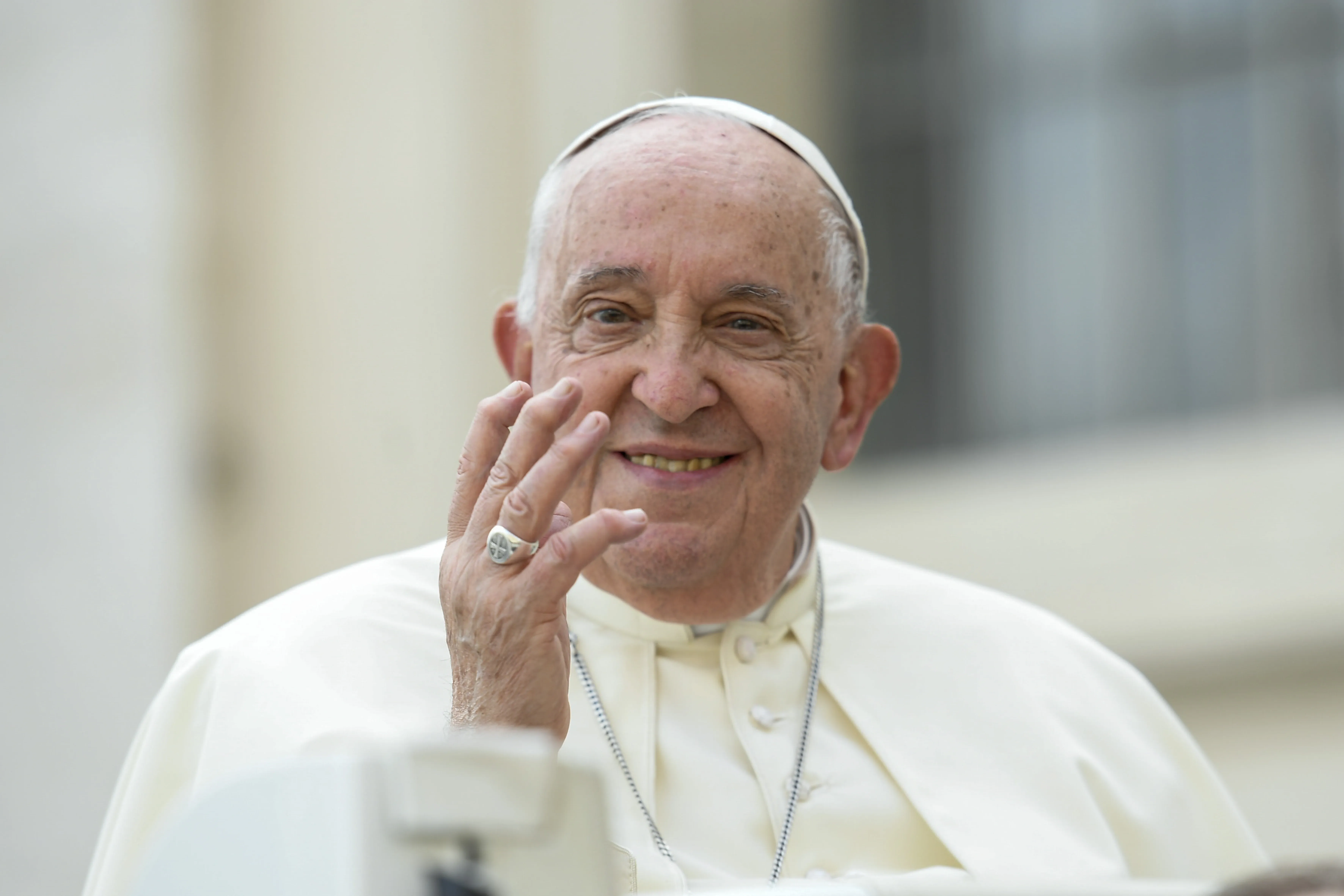
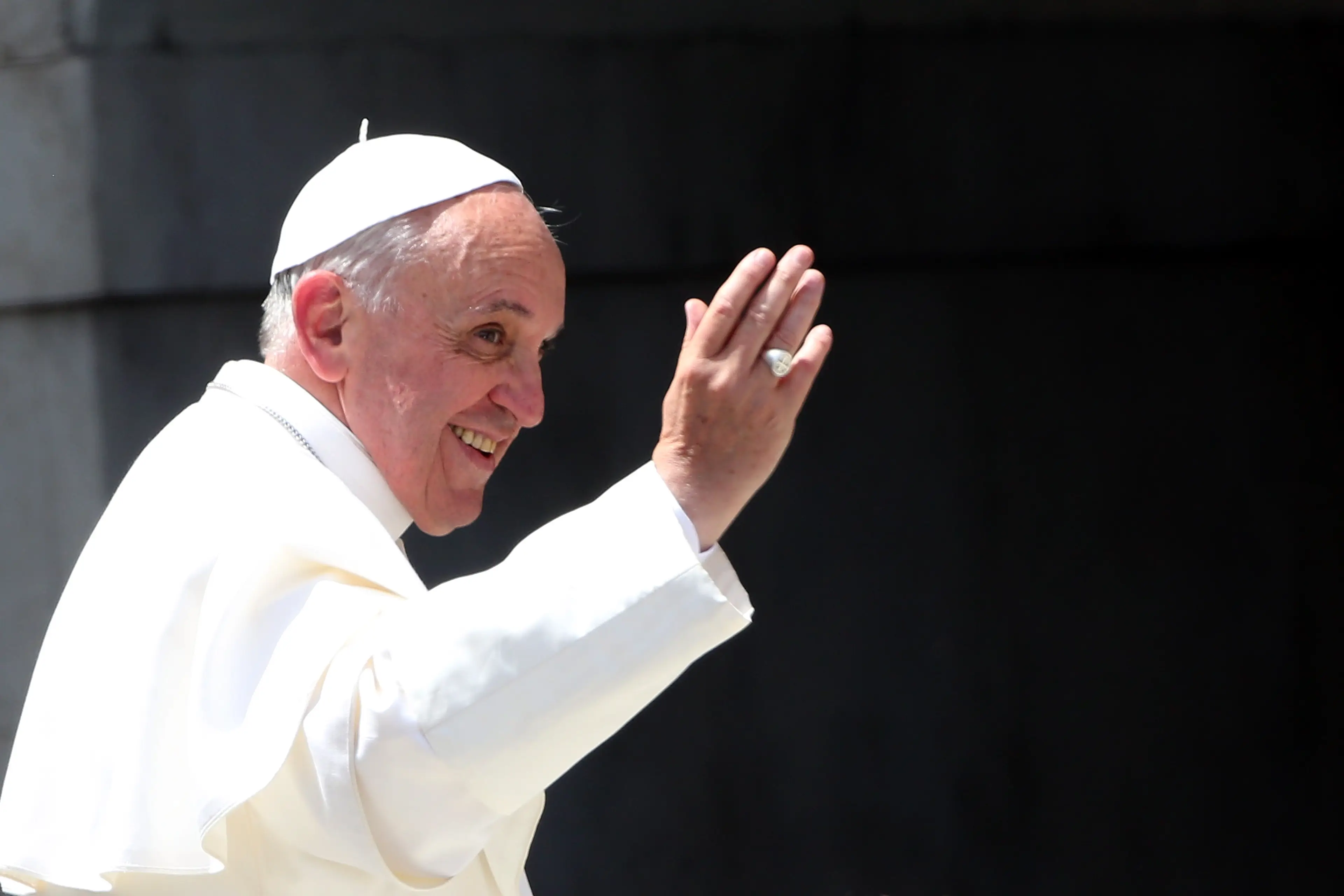
Pope Francis himself has reinforced this distinction through his lifestyle. Upon his election in 2013, he chose to reside in the Domus Sanctae Marthae (St. Martha's House), a Vatican guesthouse, rather than the opulent Apostolic Palace utilized by his predecessors. He continues to wear a simple iron pectoral cross, travels in modest vehicles, and does not draw a personal salary.
Vatican Financial Structure: Who Owns What?
To understand why the Pope possesses no personal wealth, it is necessary to examine how the assets of Vatican City and the Holy See are structured, managed, and separated. The financial apparatus of the Catholic Church is divided into several distinct entities, each with its own legal standing and administrative boards.
The Holy See and Vatican City State
The Holy See refers to the supreme governing body of the worldwide Catholic Church, centered in Rome. Vatican City State is the sovereign, independent territory established by the Lateran Treaty of 1929. While the Pope is the absolute monarch of Vatican City State, daily administrative operations are delegated to specialized departments known as dicasteries.
APSA (Administration of the Patrimony of the Apostolic See)
APSA functions much like the central bank and treasury of the Vatican. It manages the real estate holdings, Italian and international investments, and liquid funds belonging to the Holy See. APSA oversees thousands of residential and commercial properties in Rome and other European cities, the revenues of which contribute to the funding of the Roman Curia—the central governing bureaucracy of the Church.
The Institute for the Works of Religion (IOR)
Frequently referred to as the Vatican Bank, the IOR is a private financial institution located within Vatican City that handles assets for religious orders, dioceses, Vatican employees, and clergy members. Following significant transparency reforms initiated under Pope Benedict XVI and accelerated by Pope Francis, the IOR operates under strict anti-money laundering regulations supervised by international bodies like MONEYVAL (the Council of Europe's committee evaluating anti-money laundering measures).
| Entity | Primary Function | Ownership / Beneficiary |
|---|---|---|
| APSA | Manages real estate and financial investments of the Holy See | Held in trust for the global Church |
| IOR (Vatican Bank) | Provides financial services for clergy, dioceses, and religious orders | Holy See / Account holders |
| Peter’s Pence | Collects global charitable donations for papal relief efforts | Distributed directly to humanitarian causes and Curia |
| Governorate | Administers physical infrastructure of Vatican City (museums, post office) | Vatican City State |
Income, Expenses, and Financial Support
Does the Pope receive a salary? The short answer is no. Popes traditionally take vows of poverty, particularly those belonging to religious orders such as the Jesuits, to which Jorge Mario Bergoglio belongs.
Because his food, housing, security, medical care, and transportation are fully provided by the Vatican state as part of his office, the Pope has no personal living expenses. When he travels internationally, travel costs are covered by the Holy See or subsidized by the host governments and local dioceses, often in coordination with airline providers.
Peter’s Pence and Papal Charities
Rather than accumulating personal wealth, the Pope directs substantial funds toward charitable initiatives. A primary vehicle for this is Peter’s Pence, an annual global collection taken up in parishes worldwide. These funds are placed at the direct disposal of the pontiff to provide emergency relief for victims of natural disasters, refugees, armed conflicts, and impoverished dioceses in developing nations.
In recent years, Pope Francis has reformed the management of Peter’s Pence to ensure greater transparency and accountability, separating these charitable funds from general Vatican operating budgets.
Financial Reforms Under Pope Francis
Since taking office, Pope Francis has instituted sweeping structural reforms aimed at modernizing Vatican finances, eliminating waste, and increasing transparency to comply with international financial standards.
- Centralization of Investments: In 2020, Pope Francis mandated that all Holy See departments must transfer their liquid funds and financial investments to APSA, ending an era where individual dicasteries managed distinct investment portfolios independently.
- Tightening Procurement Rules: The pontiff introduced strict anti-corruption and anti-bribery regulations for all Vatican contracting, requiring competitive bidding processes and rigorous vendor vetting.
- Real Estate Rationalization: Under the Secretariat for the Economy, the Vatican has implemented centralized asset management to ensure properties are rented at market rates rather than heavily discounted or mismanaged rates.
- Voluntary Salary Cuts: Facing structural budget deficits exacerbated by the COVID-19 pandemic, Pope Francis enacted salary cuts ranging from 3 percent to 10 percent for cardinals and high-ranking Vatican executives to protect the jobs of lower-paid lay employees.
Frequently Asked Questions
Does the Pope own the Vatican art collection?
No. The extensive art collections housed within the Vatican Museums—including works by Michelangelo, Raphael, and Caravaggio—are inalienable cultural assets belonging to the Holy See and humanity. They cannot be sold, mortgaged, or used as collateral for loans, as they are protected by both Italian law and international treaties.
How does the Vatican fund its daily operations?
The Holy See funds its operations through returns on investments managed by APSA, revenue generated by the Vatican Museums and commercial entities within Vatican City, contributions from dioceses worldwide (such as the Obolo di San Pietro), and donations from the faithful.
Does Pope Francis pay taxes?
As the sovereign head of Vatican City State, the Pope enjoys sovereign immunity and is not subject to personal income tax. However, the Vatican pays taxes to the Italian government on commercial properties it owns outside the extraterritorial zones specified in the Lateran Treaty.
Can the Pope personally access Vatican bank accounts?
No. The Institute for the Works of Religion (IOR) operates under strict regulatory oversight. While the Pope holds ultimate executive authority over the Vatican, he does not have a personal bank account from which he can draw funds for private use.
Conclusion and Next Actions
The widespread misconception that Pope Francis possesses vast personal wealth stems from a failure to distinguish between institutional ownership and personal fortune. In practice, the Pope lives a austere, modest lifestyle with zero personal assets, serving primarily as a spiritual leader and administrative trustee of the Holy See's historical holdings. For those interested in deeper research into Vatican finances, reviewing the annual financial reports published by the Secretariat for the Economy provides verified, transparent data regarding the Holy See’s balance sheets, revenues, and expenditures.
Image Gallery