The Main Industries in England: An Economic Overview
England possesses a highly developed, service-oriented economy that ranks among the largest in the world, characterized by a sophisticated financial sector, advanced manufacturing, and a growing emphasis on digital and green technology...
England possesses a highly developed, service-oriented economy that ranks among the largest in the world, characterized by a sophisticated financial sector, advanced manufacturing, and a growing emphasis on digital and green technology. Understanding the primary industries that drive the English economy requires an analysis of sectoral contributions, regional specialization, and the shifting landscape of global trade and domestic innovation.
Contents
The Service Sector: The Engine of Growth
The service sector is the primary driver of England’s economy, accounting for approximately 80% of the country’s total economic output. Within this broad category, financial and professional services represent a cornerstone, particularly centered in London. This industry encompasses banking, insurance, asset management, and legal services, which together maintain the United Kingdom’s status as a global financial hub. Beyond traditional banking, professional services such as management consultancy, accounting, and architecture provide essential infrastructure for international corporate operations.
The strength of this sector lies in its high degree of specialization and integration with global markets. London functions as a primary clearinghouse for international transactions, fostering an ecosystem where legal, financial, and regulatory expertise converge. This concentration of talent and capital facilitates significant cross-border investment and positions England as a critical nexus for multinational corporations.
Manufacturing and Engineering
While the relative contribution of manufacturing to England’s gross domestic product has declined compared to the 20th century, it remains a vital component of the economy, particularly in terms of exports and high-skill employment. The modern manufacturing landscape in England is characterized by high-value-added production rather than volume-based industrial output.
Key areas within this industry include:
- Aerospace: England maintains a global competitive advantage in the design and production of aerospace components, engines, and wings, with significant hubs in the Midlands and the South West.
- Automotive: The automotive industry remains a major employer, focusing heavily on premium vehicle production and the transition to electric vehicle (EV) manufacturing.
- Pharmaceuticals and Life Sciences: Centered around the "Golden Triangle" of London, Oxford, and Cambridge, this sector leverages world-leading academic research to drive pharmaceutical innovation, biotechnology, and medical device development.
Digital and Creative Industries
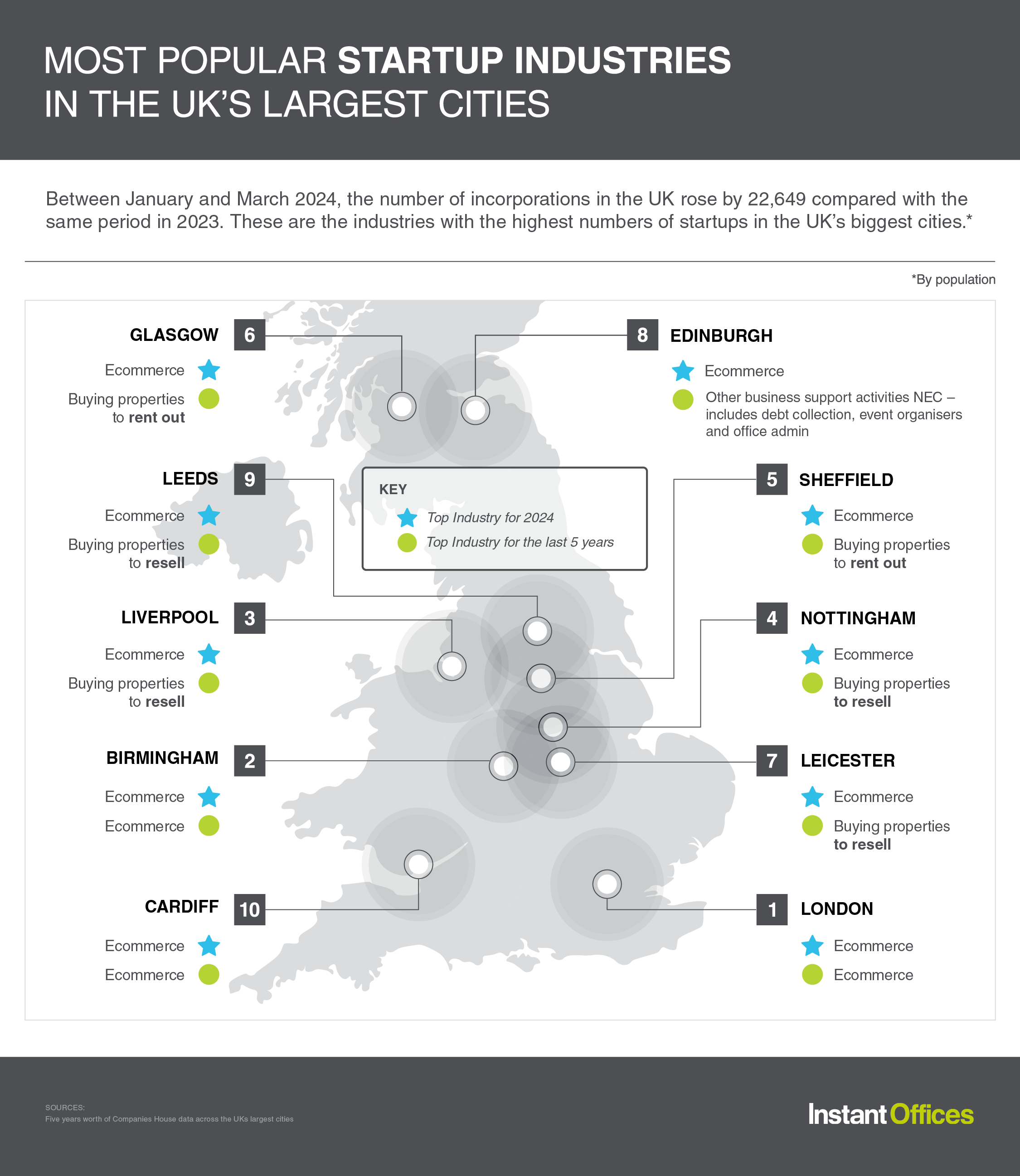
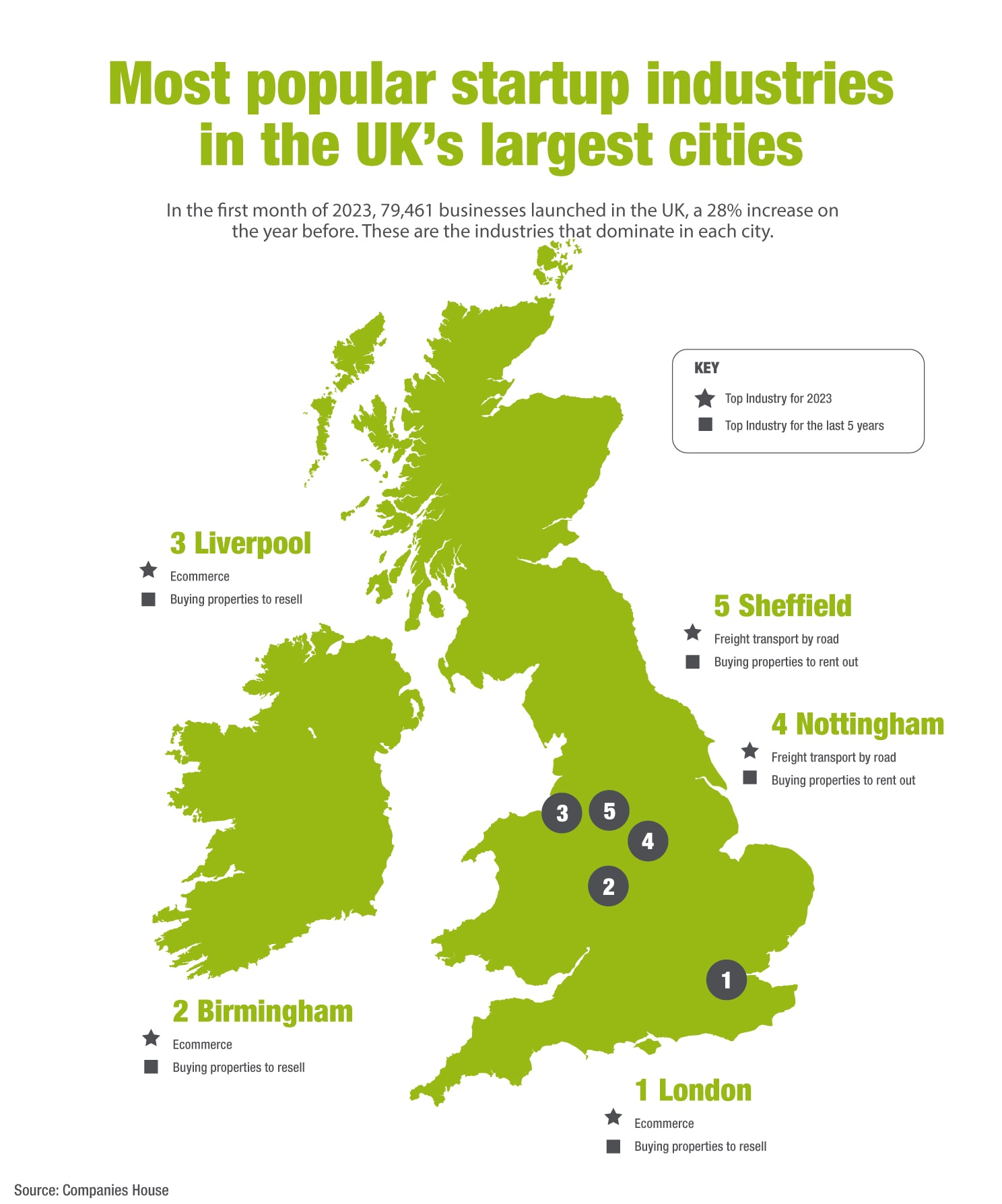
The digital economy has seen exponential growth, transforming England into a premier destination for technology startups and scale-ups. The "Tech Nation" ecosystem, as it is often termed, includes significant investment in artificial intelligence, cybersecurity, and fintech—the latter being a natural evolution of the country’s existing financial service strengths.
Complementing the technology sector are the creative industries, which include film production, advertising, design, and digital media. The United Kingdom’s creative sector, with a vast majority of its activity concentrated in England, serves as a significant contributor to the "soft power" of the nation, fostering a massive export market for intellectual property, gaming, and entertainment content.
Energy and Sustainability
England is currently undergoing a significant transition within its energy industry. Historically dependent on North Sea oil and gas, the nation has shifted focus toward renewable energy sources, specifically offshore wind and nuclear power. The government has prioritized the "Green Industrial Revolution" to meet long-term net-zero targets. This initiative encourages investment in battery storage, hydrogen fuel cell technology, and grid infrastructure. This sector is not merely about power generation but involves a complex supply chain of engineering, project management, and environmental monitoring services.
Comparative Economic Contributions
The following table summarizes the primary industries in England, highlighting their general role in the current economic landscape.
| Industry | Primary Focus | Economic Impact |
|---|---|---|
| Financial Services | Banking, insurance, and investment | High export value/Global hub |
| Life Sciences | Pharma, R&D, and biotechnology | High R&D investment |
| Advanced Manufacturing | Aerospace and automotive | High export volume |
| Digital Tech | Fintech, AI, and software | Rapid growth/Startup innovation |
| Energy | Renewables and nuclear | Critical infrastructure transition |
Prerequisites and Barriers to Entry
Entering these industries as a business or professional requires adherence to specific regulatory environments. England operates under a clear legal framework managed by bodies such as the Financial Conduct Authority (FCA) for financial services, and the Department for Business and Trade, which oversees industrial policy.
For businesses looking to operate within these sectors, the primary requirements include:
- Regulatory Compliance: Adherence to the Companies Act 2006 and ongoing oversight by relevant sectoral regulators.
- Skilled Workforce: Access to the talent pool facilitated by England's university system, particularly in STEM (Science, Technology, Engineering, and Mathematics) fields.
- Intellectual Property Protection: Navigating the UK’s robust legal protections for design, patents, and trademarks.
Challenges and Future Outlook
Despite the robust nature of these industries, the English economy faces ongoing challenges. Global supply chain volatility, the need to upskill the labor force to match rapid technological advancements, and the administrative complexities of post-Brexit trade relations remain central concerns. Furthermore, the regional disparity in economic prosperity—often referred to as the "North-South divide"—is a focal point of government policy, with initiatives like "Levelling Up" intended to distribute industrial investment more equitably across the country.
Frequently Asked Questions
What is the largest industry in England by contribution to GDP? The service sector is the largest contributor to England’s GDP. This includes financial services, professional services, tourism, and education, which collectively dominate the economic landscape compared to manufacturing or agriculture.
Why is London considered a global center for financial services? London’s status is built on a concentration of international banks, the presence of the London Stock Exchange, a sophisticated legal system based on English common law, and a deep pool of professional talent in accountancy and consultancy.
What is the role of the "Golden Triangle" in the UK economy? The "Golden Triangle" refers to the geographical region encompassing London, Oxford, and Cambridge. It is the primary engine for the UK's life sciences and technology sectors, leveraging world-class university research to drive industrial innovation and commercial investment.
How is the energy sector in England changing? England is transitioning from fossil-fuel reliance toward renewable energy sources. This shift is characterized by heavy investment in offshore wind farms, nuclear power plant construction, and the development of low-carbon technologies like hydrogen and advanced battery storage.
What are the primary hurdles for new businesses in the English manufacturing sector? New entrants face high capital expenditure requirements, the need to navigate complex post-Brexit import/export regulations, and intense competition for highly skilled engineering talent.
Recommendation
For professionals or organizations seeking to engage with England's primary industries, the most effective approach is to align strategy with current government industrial priorities. Whether investing in green technology or establishing a presence in the fintech sector, success requires understanding the specific regulatory mandates overseen by bodies like the FCA and leveraging the unique academic-industrial partnerships found in regional hubs. Review the latest Department for Business and Trade reports to identify current incentives, such as tax reliefs for research and development, which remain a primary tool for encouraging growth in the most competitive sectors.
Image Gallery