Navigating Culinary Boot Camps: Intensive Training for Aspiring Professionals and Serious Enthusiasts
Culinary boot camps serve as immersive, short-term educational programs designed to provide intensive, hands-on experience in professional kitchen environments. Ranging from weekend intensives to multi-week certificate courses, these p...
Culinary boot camps serve as immersive, short-term educational programs designed to provide intensive, hands-on experience in professional kitchen environments. Ranging from weekend intensives to multi-week certificate courses, these programs focus on essential technical skills, knife mastery, flavor profiling, and station management, offering a bridge between home cooking and professional-grade culinary proficiency.
Contents
The Purpose and Structure of Culinary Boot Camps
Unlike traditional two-year or four-year culinary arts degrees, which prioritize academic theory, institutional history, and long-term management strategies, culinary boot camps are built for speed, utility, and immediate application. They are designed for individuals who have limited time to dedicate to formal schooling but require rigorous, supervised training to elevate their cooking standards.
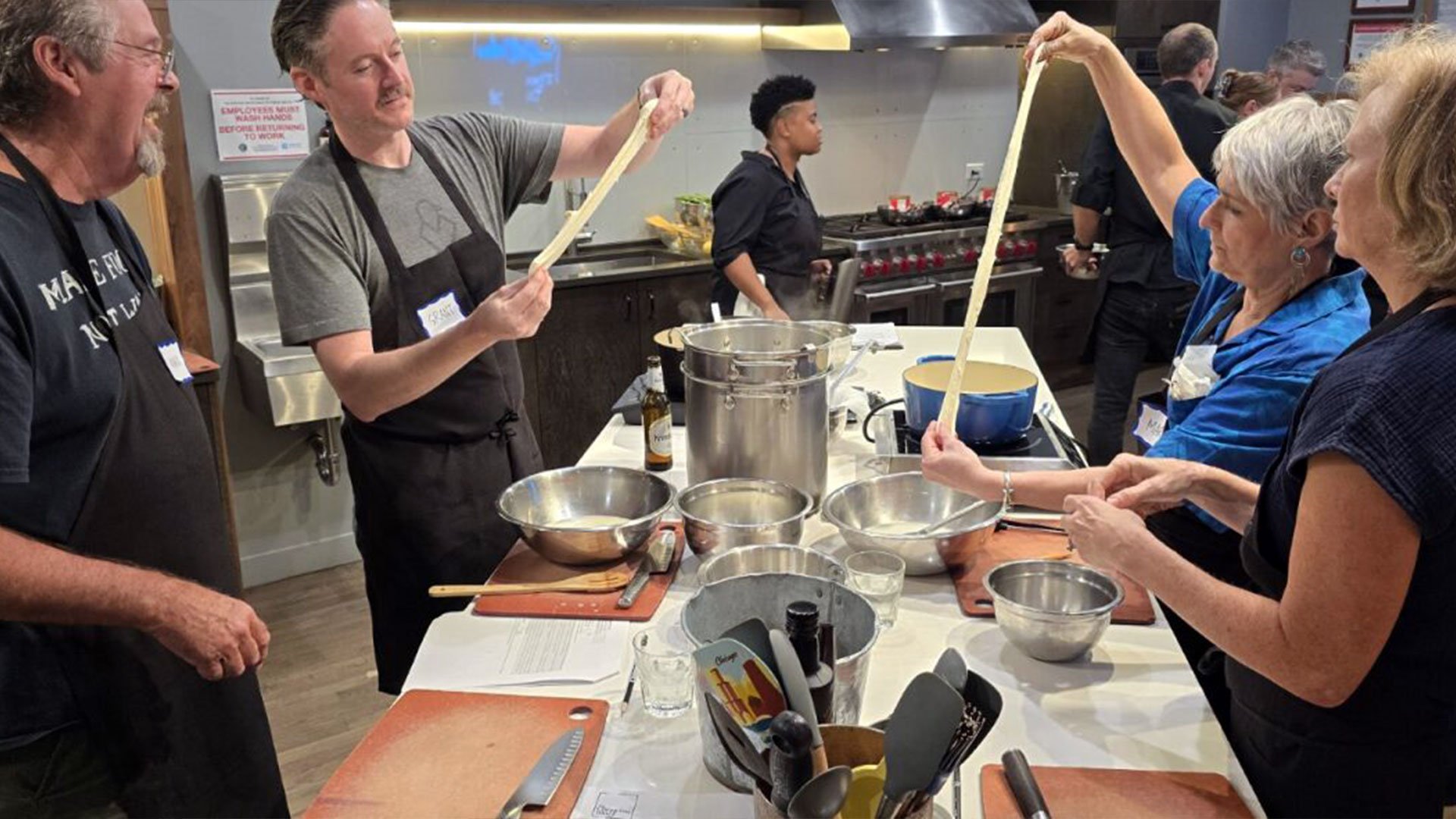
Most boot camps operate in a "mise en place" environment, mirroring the high-pressure, organized workflows found in commercial restaurants. Participants typically spend six to eight hours a day in active preparation, working alongside chef-instructors who provide real-time critique. The structure usually follows a linear progression: safety and sanitation, basic knife skills, heat control, fundamental mother sauces, and protein fabrication.
Determining Your Objectives: Professional vs. Recreational
Before committing to a program, it is essential to distinguish between a career-track boot camp and a recreational workshop. While both offer valuable skills, the curriculum and environment will differ significantly based on the intended outcome.
Professional-Track Programs
These programs are often designed for career changers looking to enter the foodservice industry, or for individuals wanting to test their aptitude for professional life before committing to a full degree. The environment is rigid, stressing consistency, speed, and standard operating procedures (SOPs). You will be expected to master professional-grade equipment, understand volume production, and adhere strictly to food safety regulations established by organizations such as the ServSafe program.
Recreational and Enthusiast Programs
If your goal is to master French pastry techniques, improve home dinner party hosting, or explore specific global cuisines, recreational boot camps offer a more relaxed atmosphere. While these programs still provide professional-grade instruction, the focus is typically on enjoyment, flavor development, and creative expression rather than the repetitive, high-volume consistency required in a professional kitchen.
Core Skill Sets Covered in Intensive Training
Regardless of the specific school or location, most reputable culinary boot camps cover a foundational "canon" of skills. Mastering these is critical for anyone aiming to move beyond recipe-following.
- Knife Proficiency: Beyond simple cutting, this involves understanding the geometry of different blades, maintaining sharp edges via whetstones or honing steels, and executing precise cuts (brunoise, julienne, chiffonade) with speed and ergonomic safety.
- Heat Application: Students learn to manipulate temperature through various methods—sautéing, braising, poaching, roasting, and grilling—and understand how different materials, such as copper, stainless steel, and cast iron, influence heat retention and transfer.
- Emulsions and Sauces: The mastery of the five mother sauces (Béchamel, Velouté, Espagnole, Sauce Tomate, and Hollandaise) remains the hallmark of classical training, teaching students how to build complex flavors from basic stocks.
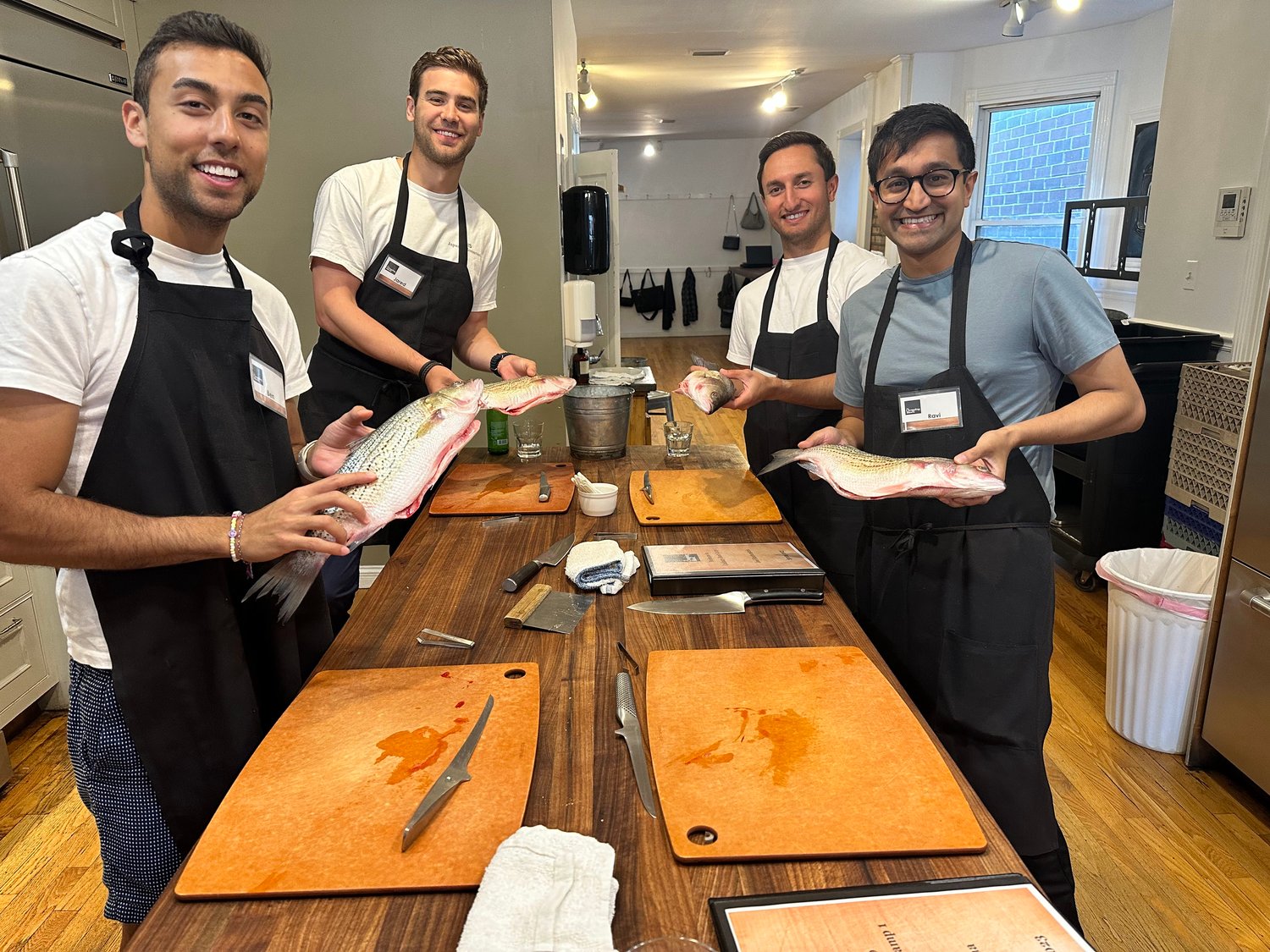
- Protein and Vegetable Fabrication: This includes breaking down whole chickens, filleting fish, and preparing difficult vegetables like artichokes or celery root, with a focus on minimizing food waste and maximizing yield.
Cost Considerations and Logistics
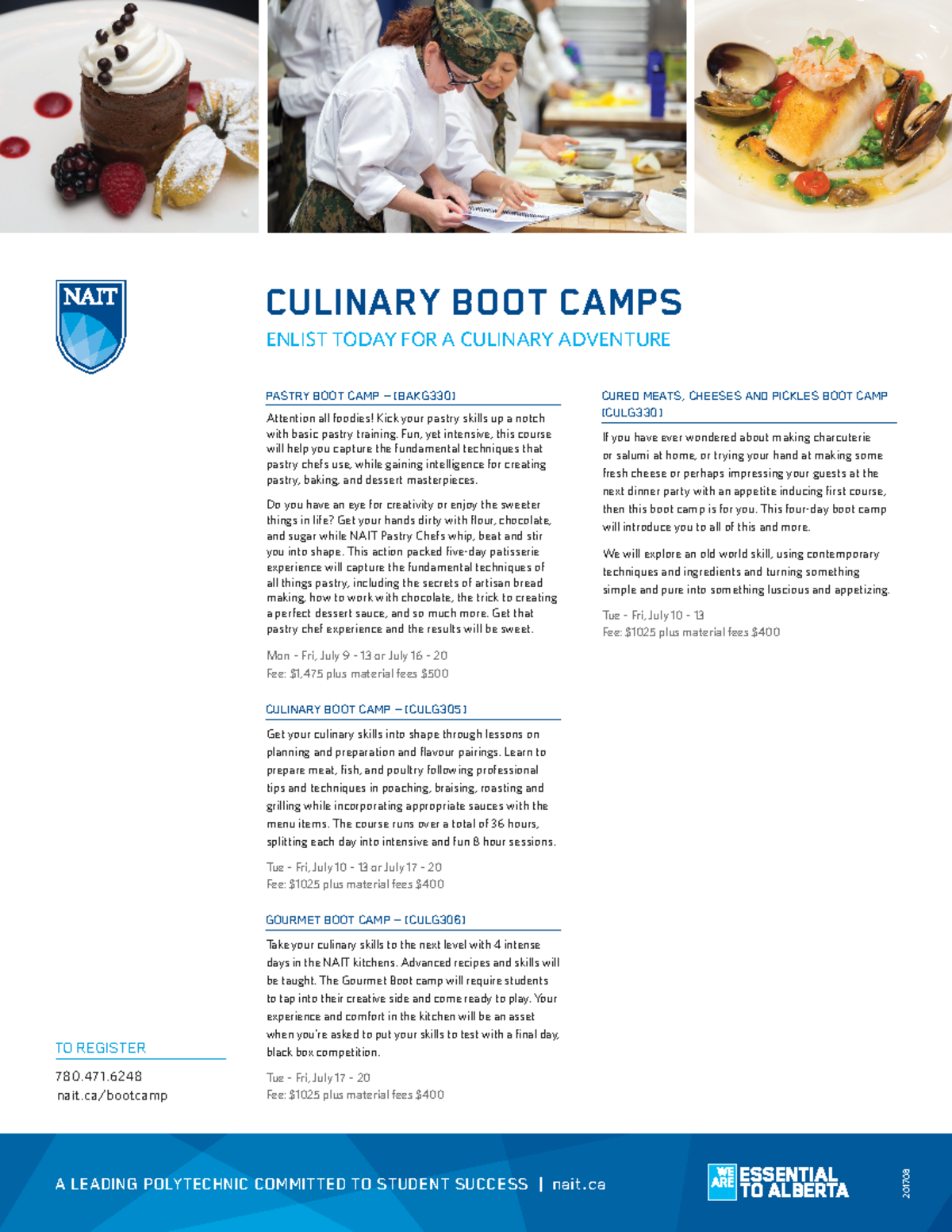
The financial investment for culinary boot camps varies significantly based on the duration, the prestige of the institution, and whether the program includes lodging or ingredients. As of 2026, potential students should evaluate total costs beyond the advertised tuition.
| Category | Typical Duration | Cost Range (USD) | Focus Area |
|---|---|---|---|
| Weekend Intensive | 2–3 Days | $500 – $1,500 | Skill-specific (e.g., Bread, Sushi) |
| Week-Long Professional | 5–7 Days | $2,000 – $5,000 | Core professional foundations |
| Career Transition Boot Camp | 4–12 Weeks | $8,000 – $25,000 | Full-scale professional certification |
Hidden Costs and Prerequisites
- Equipment: Some programs require you to purchase a professional knife roll and specific uniforms (chef coat, non-slip shoes). Check if these are included in the tuition or if they are separate expenses.
- Health Requirements: Many professional-level camps require a proof of physical fitness, as the work is demanding, involving long hours of standing, heavy lifting, and exposure to high temperatures.
- Prerequisites: While many boot camps accept beginners, some higher-level programs require a basic understanding of culinary math or previous completion of a "level one" course.
How to Select a Reputable Program
Choosing the right institution is a high-stakes decision. The culinary industry is apprenticeship-based, and the name or methodology of the school you attend can influence your early exposure to the field.
- Faculty Background: Research the lead instructors. Are they former executive chefs or industry professionals? A program that is led by working or retired professional chefs usually provides better mentorship than one led by academic theorists.
- Student-to-Teacher Ratio: High-quality culinary instruction requires individualized attention. Aim for a ratio no higher than 10 students per instructor. Anything higher will likely result in insufficient feedback during hands-on portions.
- Accreditation and Industry Standing: Check if the school is recognized by local culinary guilds or industry organizations. While boot camps are rarely "regionally accredited" in the same way as universities, their reputation among local restaurateurs is a valuable indicator of quality.
- Facility Standards: Ensure the facilities are commercial-grade. Practicing on residential equipment will not prepare you for the efficiency needed in an industry kitchen.
Frequently Asked Questions
Can a boot camp replace a culinary degree?
No. A culinary degree provides long-term education in business management, nutrition, food science, and history. A boot camp is a specialized tool for learning techniques, not a comprehensive substitute for an academic culinary education.
What should I wear to a culinary boot camp?
Expect to wear a standard uniform: a double-breasted chef’s coat, heavy-duty pants, and non-slip, closed-toe professional shoes. Safety is paramount; open-toed shoes or loose clothing are usually strictly prohibited in commercial kitchens.
Do I get a job placement after the course?
Some professional-track boot camps offer career services, including resume workshops and introductions to local restaurant groups. However, most short-term boot camps do not guarantee employment, as placement is ultimately dependent on the individual’s skill and work ethic.
What happens if I am not physically able to stand for 8 hours?
Culinary environments are physically taxing. If you have mobility concerns or chronic injuries, contact the school before registering. Most institutions will disclose the physical requirements of the course in their student handbook.
Is professional equipment provided during the training?
In most cases, yes. The school will provide the stoves, mixers, ovens, and specialty tools. You may be expected to bring your own knife roll or, alternatively, the school may provide a set for you to use during the duration of the course.
Next Steps: Preparing for Your First Day
Once you have selected and registered for your program, the most effective way to prepare is to focus on your physical readiness and your mindset. Ensure your footwear is broken in to avoid blisters during long hours of standing, and arrive with an open, coachable attitude. The kitchen is a hierarchy-based environment; recognize that your instructors are providing critical feedback to ensure your success, and treat every correction as a learning opportunity. If your chosen course provides a reading list or prep materials, complete them well in advance to spend your limited time in the kitchen refining technique rather than learning terminology.
Image Gallery