Understanding the Average Net Worth of a Native American Family
Estimating the average net worth of a Native American family requires navigating complex socioeconomic data sets, which frequently reveal a significant wealth gap compared to the U.S. national median. Due to unique historical factors,...
Estimating the average net worth of a Native American family requires navigating complex socioeconomic data sets, which frequently reveal a significant wealth gap compared to the U.S. national median. Due to unique historical factors, geographical distribution, and the limitations of federal data collection methods, Native American net worth remains markedly lower than the median household figures often cited in federal economic reports.
Contents
The Complexity of Economic Measurement
In the context of American economic analysis, net worth is defined as the sum of all assets—including real estate, cash savings, retirement accounts, and personal property—minus all outstanding liabilities, such as mortgages, credit card debt, and student loans. For the Native American population, this measurement is complicated by the distinction between individual assets and communal or tribal landholdings.
Most federal datasets, such as the Survey of Consumer Finances (SCF) conducted by the Federal Reserve, struggle to capture the full picture of Indigenous wealth. Because significant portions of Native American land are held in trust by the federal government for the benefit of tribes or individual tribal members, these assets often do not translate into traditional "equity" that can be leveraged or sold in the same way as private property. This creates a structural blind spot in standard financial surveys, leading to figures that may underrepresent the total economic reality of Native communities.
Analyzing the Wealth Gap
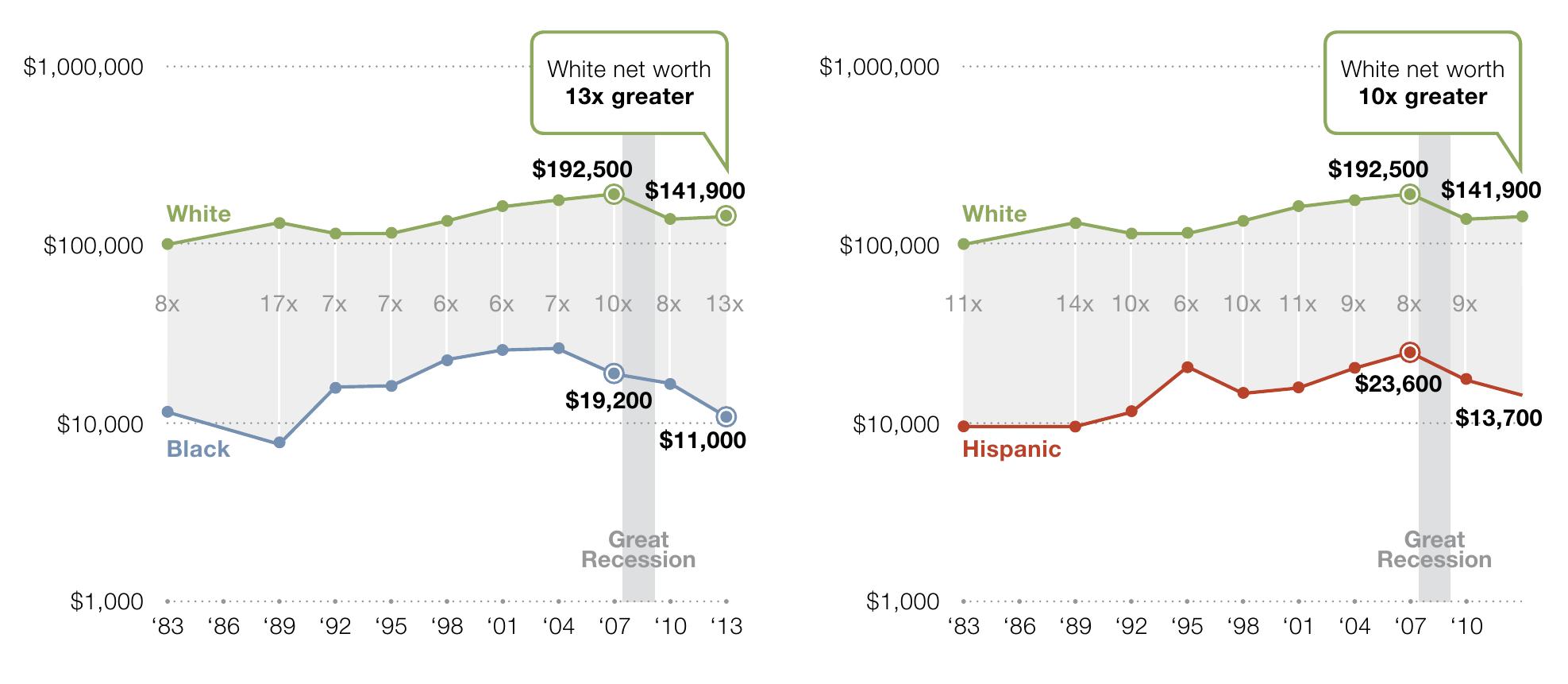
Data from institutions like the Economic Policy Institute and various independent researchers highlight that Native American families experience a persistent wealth gap. While the median net worth of white families in the United States often exceeds $200,000, the median net worth for Native American families is frequently cited as being significantly lower—often hovering in the range of $5,000 to $10,000, depending on the specific demographic study.
Several systemic factors contribute to this disparity:
- Historical Exclusion: The long-term impacts of the displacement of Indigenous peoples, the loss of land, and the disruption of ancestral economic systems have prevented the generational accumulation of wealth that characterizes other demographic groups.
- Banking Deserts: Many tribal reservations are classified as "banking deserts," where access to traditional financial institutions, credit unions, and investment services is severely restricted. This limits the ability of families to save efficiently or access the capital needed to start businesses.
- Institutional Barriers: Challenges in securing conventional mortgage financing on trust lands—due to the unique legal status of the property—hinder the ability of Native families to build home equity, which is the primary driver of middle-class wealth in the United States.
Comparing Wealth Drivers and Liabilities
To understand the financial standing of a Native American household, it is necessary to compare the primary drivers of wealth against the liabilities that consume income.
| Asset Class | Traditional Context | Native American Context |
|---|---|---|
| Real Estate | Primary vehicle for equity gain | Often held in trust; mortgage hurdles exist |
| Savings/Cash | High liquidity, low yield | Often restricted by regional banking access |
| Retirement | Employer-sponsored/401(k) | Less access to formal employer plans |
| Debt | Managed via credit scores | Higher reliance on high-interest alternatives |
The table above illustrates why standard financial planning strategies—such as "building equity through homeownership"—are not always accessible or effective for Native families on trust land. Without the ability to use land as collateral for small business loans or home mortgages, families are effectively locked out of the standard mechanism for wealth creation available to the broader U.S. population.
Regional Variations and Economic Heterogeneity
It is a mistake to view the Native American population as a monolithic economic entity. The term "Native American" encompasses over 570 federally recognized tribes, each with distinct economic conditions.
Families living in urban areas, who have migrated away from tribal lands, may experience net worth trajectories that mirror the general urban population more closely. Conversely, families living on or near reservations often deal with localized economic cycles, high unemployment rates in rural areas, and limited infrastructure. The "average" net worth can fluctuate wildly depending on whether a study focuses on urban Indigenous populations, those on reservation land, or a blend of both.
The Role of Financial Literacy and Empowerment
In 2026, many tribal nations are actively developing indigenous-led financial institutions to bridge the gap. Community Development Financial Institutions (CDFIs) specifically designed for Native communities are becoming more prevalent. These organizations focus on providing micro-loans, homebuyer education, and small business support tailored to the cultural and legal nuances of tribal life.
Increasing the average net worth of Native American families is no longer viewed solely as a matter of personal financial literacy. Instead, it is increasingly treated as a systemic policy issue requiring:
- Infrastructure Development: Expanding broadband and banking services to rural tribal areas.
- Legal Reform: Streamlining the process for obtaining mortgages on tribal trust lands.
- Support for Indigenous Entrepreneurship: Providing startup capital that recognizes the value of traditional economic structures alongside modern business practices.
Frequently Asked Questions
Why is the net worth of Native American families lower than the national average? The disparity is driven by a legacy of land loss, limited access to mainstream banking, and systemic legal hurdles that prevent the conversion of property into liquid, transferable wealth.
How does tribal land status affect net worth? Much of the land held by Native families is held in trust by the federal government. This prevents it from being used as collateral for standard mortgage loans, which means families cannot easily build home equity, a major component of household net worth.
Are these net worth figures accurate for all Native people? No. These figures are statistical averages. Native Americans living in major metropolitan areas or those belonging to tribes with significant gaming or natural resource enterprises may have net worth profiles that differ significantly from the national averages.
What is the best way to start building net worth in this context? Financial experts recommend focusing on long-term savings, utilizing Native-focused CDFIs for loans or educational resources, and exploring tribally supported financial literacy programs that are specifically designed for the needs of community members.
How can I find more specific financial data on my tribal community? You can look for reports published by the Bureau of Indian Affairs (BIA) or reach out to your tribal council's economic development office. These entities often have the most accurate, localized data regarding regional economic health and available financial services.
Recommended Next Actions
For individuals or families looking to improve their personal financial standing, the first step is to perform an audit of current assets and liabilities, regardless of where they fall on the national scale. If you are a tribal member, contact your local CDFI or tribal economic development department to inquire about homeownership grants or business development programs. These entities are specifically tasked with overcoming the systemic barriers that make standard financial paths difficult. By leveraging resources designed for your specific legal and geographical context, you can begin to navigate the path toward greater long-term financial security.
Image Gallery