Managing and Treating Huge Boils: Medical Insights, Home Care, and When to See a Doctor
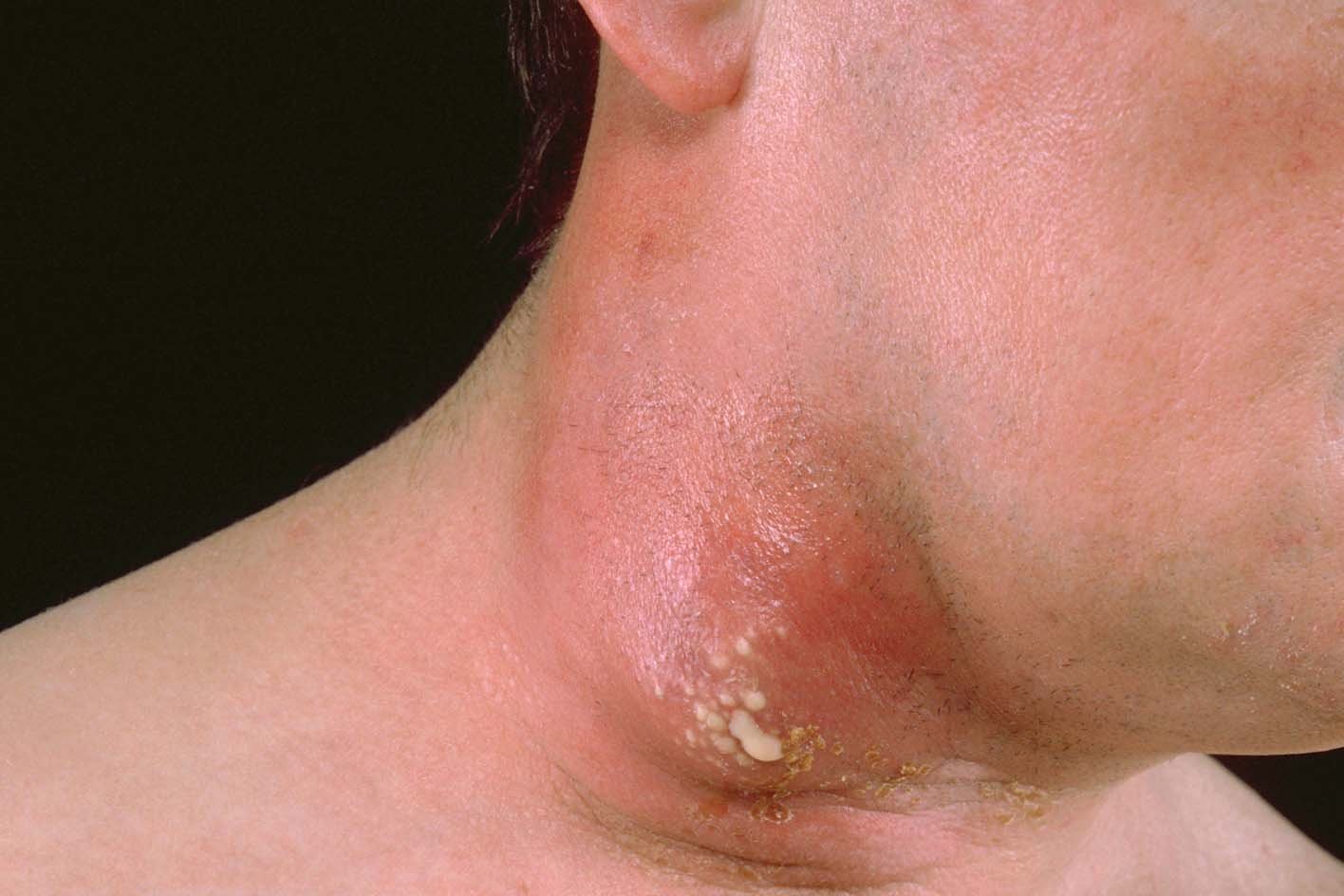
Huge boils are painful, pus-filled inflammatory nodules that develop deep within the skin around hair follicles, typically caused by bacterial infections such as Staphylococcus aureus. When these lesions grow exceptionally large, coale...
Huge boils are painful, pus-filled inflammatory nodules that develop deep within the skin around hair follicles, typically caused by bacterial infections such as Staphylococcus aureus. When these lesions grow exceptionally large, coalesce into clusters known as carbuncles, or present with systemic symptoms like fever, they require careful medical management, strict hygiene protocols, and professional intervention to prevent severe complications such as sepsis or permanent scarring.
Contents
Understanding the Pathology of Severe Skin Infections
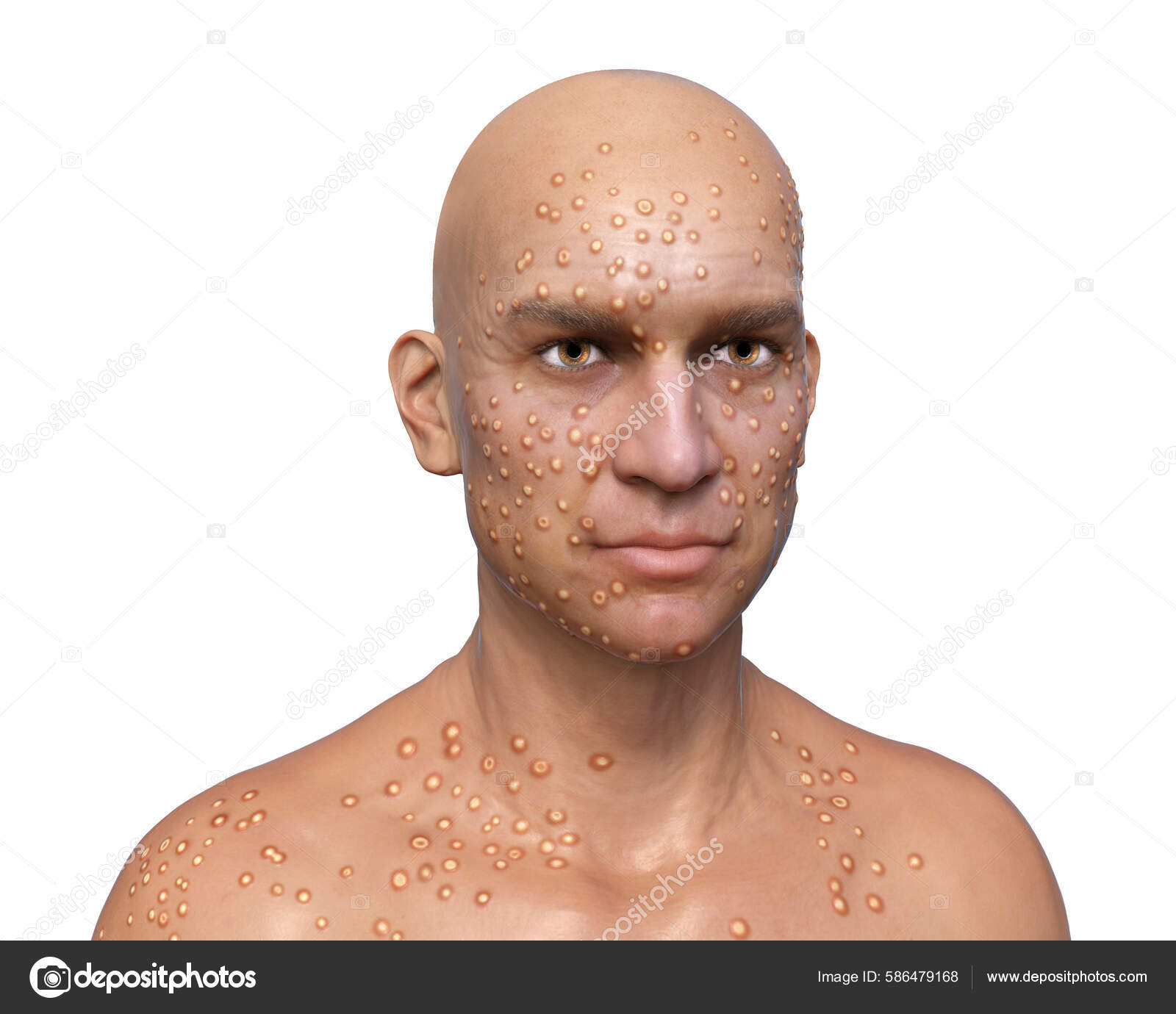
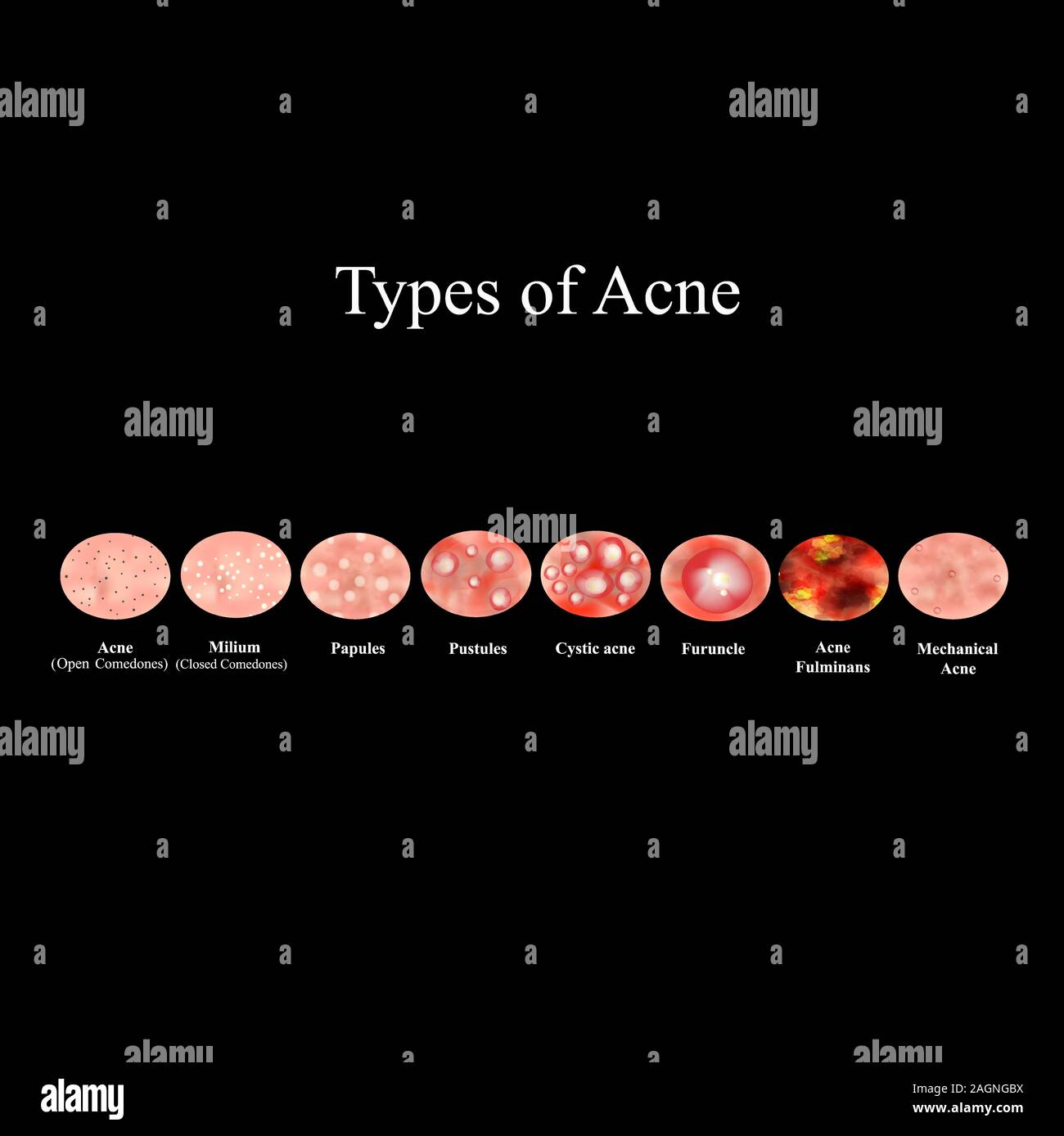
Boils, medically termed furuncles, begin as red, tender lumps that progressively fill with pus, growing larger and more painful until they rupture and drain. When multiple hair follicles become infected simultaneously, they form a deeper, interconnected network of pus-filled lesions called a carbuncle. These massive infections often appear on the back of the neck, shoulders, armpits, or buttocks.
The primary pathogen responsible for most severe skin boils is Staphylococcus aureus, including antibiotic-resistant strains like Methicillin-resistant Staphylococcus aureus (MRSA). Understanding how these bacteria breach the skin barrier helps clarify why certain individuals experience recurrent or unusually large outbreaks.
- Skin Trauma: Minor abrasions, shaving cuts, or friction from clothing create entry points for bacteria residing naturally on the skin surface.
- Immune Suppression: Conditions such as diabetes, chronic kidney disease, or immunosuppressive therapies impair the body's ability to combat bacterial proliferation.
- Poor Hygiene or Nutrition: Malnutrition, iron deficiency anemia, and inadequate personal hygiene create an environment where bacterial colonization thrives.
- Genetic Predisposition: Some families carry genetic traits that alter immune responses to staphylococcal proteins, leading to chronic furunculosis.
Differentiating Boils from Other Skin Lesions
Misdiagnosing a massive skin lesion can lead to inappropriate and potentially dangerous home treatments, such as attempting to squeeze an inflamed cyst or a vascular malformation. Accurate identification is critical for safe management.
| Feature | Severe Furuncle (Boil) | Epidermal Inclusion Cyst | Hidradenitis Suppurativa | Cellulitis |
|---|---|---|---|---|
| Primary Cause | Bacterial infection (S. aureus) | Blocked hair follicle or sebaceous gland | Chronic follicular occlusion and inflammation | Bacterial spread through deep dermal layers |
| Appearance | Red, raised, firm nodule with a central core | Mobile lump under the skin with a visible punctum | Deep, painful lumps, sinus tracts, and scarring | Spread of diffuse, flat, warm, red skin without distinct borders |
| Pus Drainage | Spontaneous or surgical drainage of purulent core | Cheesy, foul-smelling keratin debris | Chronic purulent drainage from multiple tunnels | Generally no localized core or purulent head |
| Systemic Signs | Possible mild fever and localized lymphadenopathy | Rare unless secondary infection occurs | Chronic pain, fatigue, and recurrent flares | High fever, chills, malaise, and rapid spreading |
Safe Home Care and Conservative Management
For large boils that have not yet reached a critical point requiring immediate surgical intervention, conservative home care can help manage pain and encourage natural drainage. However, extreme caution is mandatory.
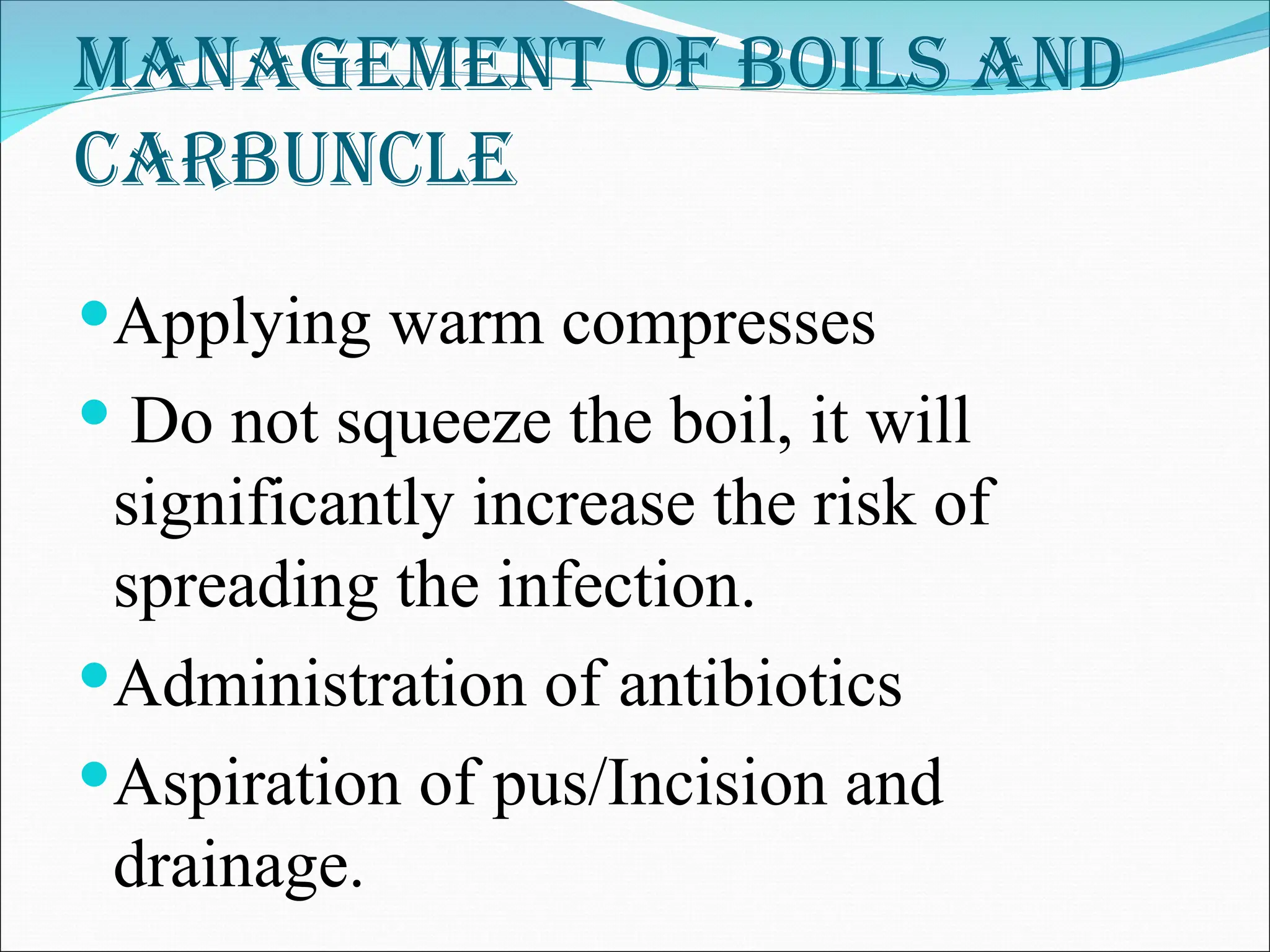
- Warm Compresses: Apply a clean, warm compress soaked in warm water to the affected area for 10 to 15 minutes, three to four times daily. This increases localized blood circulation, bringing white blood cells to the site and accelerating maturation.
- Strict Aseptic Practices: Wash hands thoroughly with antibacterial soap before and after touching the area. Never squeeze, pop, or lance a huge boil at home, as mechanical pressure can push bacteria deeper into the subcutaneous tissue or bloodstream, triggering bacteremia.
- Loose Clothing: Wear breathable, loose-fitting cotton clothing to minimize friction, irritation, and secondary moisture accumulation over the lesion.
- Over-the-Counter Pain Relievers: Nonsteroidal anti-inflammatory drugs (NSAIDs) such as ibuprofen or analgesics like acetaminophen can help manage localized discomfort and systemic inflammatory pain under professional guidance.
Professional Medical Interventions for Huge Boils
When a boil exceeds standard size parameters, fails to drain spontaneously within two weeks, or causes severe systemic symptoms, dermatologists or general surgeons must intervene clinically.
- Incision and Drainage (I&D): The definitive treatment for large furuncles and carbuncles. Under sterile conditions, the clinician numbs the area with a local anesthetic, makes a small surgical incision into the fluctuant center, and expresses all purulent material.
- Packing and Irrigation: For deep cavities, sterile gauze is packed loosely inside the wound to absorb ongoing drainage and keep the wound open, allowing it to heal from the inside out and preventing premature surface closure.
- Targeted Antibiotic Therapy: If the infection is accompanied by surrounding cellulitis, systemic fever, or if the patient is immunocompromised, clinicians prescribe oral or intravenous antibiotics. Culture and sensitivity testing of the drained pus ensures the chosen antibiotic effectively targets resistant strains like MRSA.
- Recurrent Infection Management: For patients experiencing chronic outbreaks, physicians may recommend nasal mupirocin ointments to eradicate chronic staphylococcal carriage or long-term antiseptic body washes such as chlorhexidine gluconate.
Critical Warning Signs and Emergency Red Flags
Certain clinical indicators demand immediate emergency medical evaluation rather than routine outpatient care. Delaying intervention in these scenarios can lead to life-threatening complications.
Emergency Red Flags: Seek immediate medical attention if you experience rapidly spreading red streaks extending from the boil, high fevers with severe chills, confusion, or a rapid heart rate. These symptoms indicate that the localized infection has likely entered the bloodstream, developing into sepsis, a medical emergency requiring hospitalization and intravenous antibiotics.
Frequently Asked Questions
Can I pop a huge boil myself if it looks ready to drain?
No, attempting to pop, squeeze, or lance a large boil at home is extremely dangerous. Doing so can force infectious bacteria deeper into surrounding tissues or directly into blood vessels, potentially causing severe spreading infections, cellulitis, or systemic sepsis.
Why do I keep getting huge boils repeatedly?
Recurrent boils, known as furunculosis, often indicate an underlying health issue such as nasal carriage of Staphylococcus aureus, diabetes, immune system deficiencies, or iron deficiency. A medical evaluation involving blood glucose testing and bacterial cultures can identify the root cause.
Are huge boils contagious to other family members?
Yes, the bacteria causing boils are contagious and can spread through direct skin-to-skin contact or via shared items like towels, razors, and clothing. Prevent transmission by washing all contaminated linens in hot water, maintaining strict hand hygiene, and avoiding sharing personal items.
When is surgical drainage necessary instead of waiting for it to burst?
Surgical incision and drainage is necessary when a boil is extremely large, exceptionally painful, located on sensitive areas such as the face or spine, or shows no signs of spontaneous rupture after several days of warm compresses.
What is the difference between a boil and a carbuncle?
A single boil or furuncle is an infection centered around one hair follicle, whereas a carbuncle is a dense, deeper cluster of multiple interconnected boils that often features multiple drainage points and causes more severe systemic symptoms.
How long does it take for a massive boil to heal completely?
With proper professional drainage and wound care, most large boils begin healing within 48 to 72 hours and resolve completely within two weeks, though deep carbuncles may require longer recovery and dressing changes.
Conclusion and Next Steps
Managing huge boils requires a balanced approach combining meticulous hygiene, careful conservative observation, and timely professional medical intervention. Never attempt to manipulate deep or unusually large lesions yourself. If you notice signs of systemic infection, severe spreading redness, or unmanageable pain, consult a qualified healthcare provider or dermatologist immediately to receive proper diagnosis, safe incision and drainage, and targeted antimicrobial therapy.
Image Gallery