Douglas Brunt: An Author Profile and Literary Career Overview
Douglas Brunt is a contemporary American author and former business executive known for his transition from the technology sector to the literary world, where he has gained recognition for both non-fiction investigative works and histo...
Douglas Brunt is a contemporary American author and former business executive known for his transition from the technology sector to the literary world, where he has gained recognition for both non-fiction investigative works and historical narrative thrillers. His career is marked by a dual focus on rigorous research and character-driven storytelling, bridging the gap between high-stakes business environments and complex historical accounts.
Contents
Early Life and Corporate Background
Before dedicating his career to writing, Douglas Brunt built a significant professional foundation in the corporate sector. He attended Duke University, where he earned his Bachelor of Arts degree. Following his graduation, he entered the technology industry, which was rapidly expanding during the late 1990s and early 2000s.
Brunt’s most notable role in the business world was his tenure as the President and Chief Executive Officer (CEO) of Authentium, Inc., an internet security firm. During his leadership, the company focused on providing anti-virus, anti-spyware, and anti-spam solutions, positioning him at the center of the burgeoning digital security landscape. This experience provided him with a unique perspective on organizational structure, corporate culture, and the systemic pressures of the modern executive—themes that would later permeate his writing. His transition from the boardroom to the writing desk was not immediate but rather a deliberate shift that allowed him to pivot toward long-form narrative production.
Literary Career and Publication History
Douglas Brunt’s writing career spans both the non-fiction and fiction genres. His work is categorized by a tendency to engage with American history, industry titans, and the psychological motivations behind influential figures.
Non-Fiction Works
Brunt is perhaps best known in non-fiction for The Means of Control and his recent focus on historical biographies. He approaches non-fiction with a journalist’s eye for detail, seeking to demystify complex figures and institutions. By prioritizing archival research and primary documentation, he constructs narratives that move beyond simple biographical summaries to explore the societal contexts of his subjects.
Fiction and Thrillers
In his fiction, Brunt utilizes his background in business to inform the high-stakes environments of his thrillers. His narratives often feature protagonists navigating moral ambiguity within institutions, a reflection of his own observations of corporate life. His ability to build suspense is grounded in his understanding of how information, power, and strategy function in both high-tech industries and historical settings.
Core Themes in Brunt’s Writing
A consistent thread through the Douglas Brunt author profile is the exploration of the "American Dream" and the cost of ambition. His work frequently examines:
- Institutional Power: How individuals navigate, thrive within, or are destroyed by the structures of corporations and governments.
- Historical Contextualization: Using historical events as a backdrop to examine contemporary issues, demonstrating that patterns of behavior and systemic failures are cyclical.
- Character Psychology: Providing an intimate look at the motivations of leaders and outsiders, moving away from idealized archetypes to present flawed, realistic individuals.
Comparative Overview of Major Works
The following table summarizes key aspects of his notable contributions to literature.
| Title | Genre | Focus/Theme | Notable Elements |
|---|---|---|---|
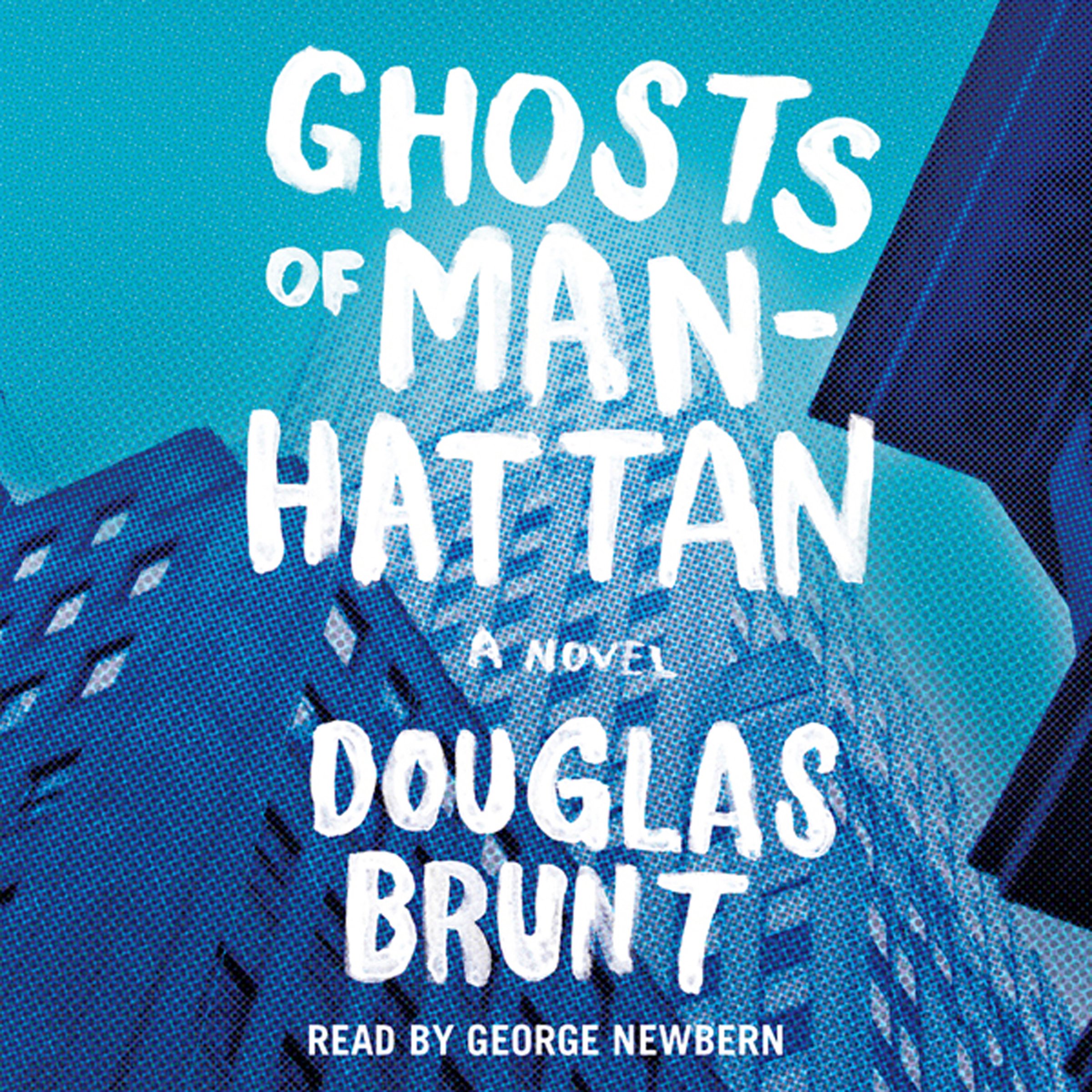
| Ghosts of Manhattan | Fiction | Wall Street/Finance | Insight into pre-recession financial culture |
| The Means of Control | Non-Fiction | Technology/Data | Critique of digital surveillance and security |
| The Mysterious Case of Rudolf Diesel | Non-Fiction | History/Innovation | Investigation into the 1913 disappearance of the engine inventor |
| Double Booked | Fiction | Professional/Personal | Exploration of balancing high-stakes career and life |
Critical Reception and Industry Impact
Douglas Brunt has established himself as a reliable voice in commercial non-fiction and suspense literature. Critics have often highlighted his ability to weave technical subject matter—such as the inner workings of an internal combustion engine or the intricacies of cybersecurity—into accessible prose for the general reader.
His transition from CEO to author has been frequently cited in media interviews as a study in career adaptability. By leveraging his background to lend authenticity to his works, he has successfully differentiated his brand in a crowded market. His books are frequently discussed in the context of narrative history, which aims to make academic or technical subjects engaging for a broad, mainstream audience.
Requirements for Readers of Brunt’s Work
Readers interested in the works of Douglas Brunt should consider the following to maximize their engagement with his catalog:
- Genre Selection: Decide whether you are looking for investigative history (recommended for readers interested in early 20th-century technology or business history) or suspenseful fiction (recommended for readers interested in contemporary corporate drama).
- Contextual Awareness: For his historical works, it is often helpful to have a basic understanding of the Industrial Revolution or the specific era of the early 20th century, as Brunt utilizes these environments as critical plot components.
- Media Engagement: Brunt frequently engages in long-form interviews and podcast appearances where he discusses his research process. Engaging with these materials often adds a layer of depth to the reading experience, as he provides context regarding the sources and archival materials used during the drafting process.
Common Questions Regarding the Author
Is Douglas Brunt still active as an author in 2026? Yes. As of 2026, Douglas Brunt continues to produce work and engage with the publishing industry, maintaining his role as a public-facing author and commentator.
How does his business background influence his writing? His background as a CEO provides him with a pragmatic view of power dynamics. He frequently uses this experience to write dialogue and scenarios involving corporate negotiation, risk management, and the ethical dilemmas inherent in executive decision-making.
Are his historical books considered purely academic? No. His historical works are written in the style of narrative non-fiction. While he adheres to historical facts and verified documentation, the structure and prose style are designed for readability, aiming to appeal to a general audience rather than exclusively to academic researchers.
What is the best entry point for a new reader? For those interested in history, his work on Rudolf Diesel is widely considered his most rigorous investigation. For those who prefer contemporary fiction, Ghosts of Manhattan remains a foundational work that highlights his transition into literary storytelling.
Does Brunt perform his own research for non-fiction? Yes. Brunt is known for conducting extensive primary research, including the analysis of personal correspondence, period-appropriate news reports, and patent filings, which he incorporates into his non-fiction narratives to ensure historical accuracy.
Recommendation for Further Exploration
To get the most out of an exploration of Douglas Brunt’s profile, start by identifying the specific genre you prefer. If you are interested in his process, seek out his recorded interviews regarding his research into the disappearance of historical inventors; these provide the best insight into his technical approach to storytelling. As a next step, check his official publisher’s page or author website, which often contains the most up-to-date information on his ongoing projects, scheduled appearances, and bibliographical updates for the current 2026 calendar year.
Image Gallery